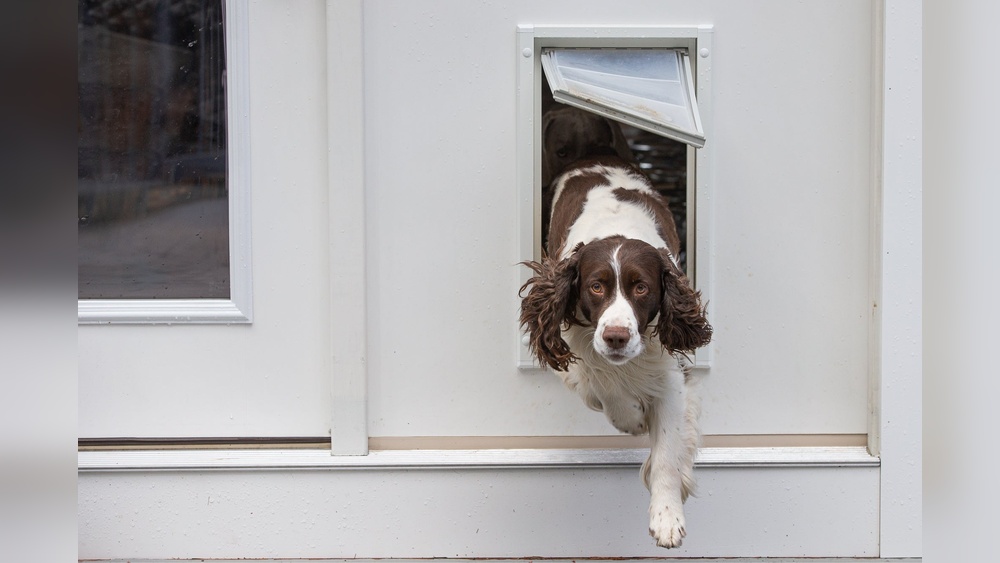

Have you noticed your dog avoiding the pet door you installed? It can be frustrating when your furry friend won’t use it, leaving you wondering why.
Understanding the reasons behind this behavior can help you fix the problem quickly. You’ll discover common reasons dogs hesitate to use pet doors and simple steps you can take to encourage your pet. Keep reading to unlock the secret to making your dog feel comfortable and confident with their pet door.
Common Reasons Dogs Avoid Pet Doors
Many dogs do not use pet doors right away. This can be confusing for owners. Understanding why dogs avoid pet doors helps solve this problem. Several common reasons can stop dogs from using these doors.
These reasons can be related to feelings, physical issues, or the environment. Identifying the cause is the first step to help your dog feel comfortable. Let’s explore the main reasons dogs avoid pet doors.
Fear And Anxiety Around The Door
Some dogs feel scared of the pet door. The flap might look strange or move suddenly. This can cause anxiety. Dogs may worry about what is on the other side. Fear stops them from using the door.
Unfamiliarity With The Pet Door
Dogs need time to learn about pet doors. If it is new, they may not understand how to use it. Lack of training or exposure can make dogs avoid the door. They prefer familiar ways to go outside.
Physical Discomfort Or Size Issues
Pet doors that are too small or hard to move cause discomfort. Older dogs or dogs with health problems struggle more. If the flap is heavy, dogs may find it painful to push. This can stop them from trying.
Noise And Movement Sensitivity
The sound of the pet door flap can bother some dogs. Dogs with sensitive hearing react to noise quickly. The swinging motion can also scare them. These factors create stress and prevent use.
Environmental Factors
Weather and surroundings influence a dog’s willingness to use a pet door. Cold wind or rain blowing through the door can be unpleasant. Bright light or shadows might confuse dogs. These conditions make dogs avoid the door.
Training Tips To Encourage Use
Training a dog to use a pet door can take time and effort. Patience and the right techniques help your dog feel safe and confident. Small, clear steps guide your dog to accept and use the door. Positive actions and rewards make learning fun and easy.
Positive Reinforcement Techniques
Reward your dog with praise and treats for any attempt. Celebrate small steps like touching the door or looking at it. Use a happy voice to encourage your dog. Avoid punishment; it can create fear and confusion. Positive reinforcement builds trust and willingness to learn.
Step-by-step Introduction Methods
Start by showing the door without pressure. Let your dog sniff and explore it at their own pace. Next, hold the flap open and encourage your dog to pass through. Use gentle guidance and stay close for support. Gradually increase the difficulty as your dog gains confidence.
Using Treats And Toys
Place treats just inside the pet door to lure your dog. Use favorite toys to make the door more interesting. Toss a toy through the door to encourage chasing it. Reward your dog immediately after they go through. Treats and toys create a positive link to the pet door.
Consistency And Patience
Practice daily for short periods to keep your dog interested. Keep training sessions calm and steady without rushing. Repeat steps regularly to build a habit. Stay patient; some dogs take longer to learn. Consistency helps your dog feel secure and ready to use the door.
Adjusting The Pet Door Setup
Adjusting the pet door setup can help your dog feel more comfortable using it. Dogs may avoid the door if it is too big or too small. The location can also affect their willingness to use it. Noise and movement around the door can scare them. Making the door weatherproof keeps your dog safe and cozy. Small changes in setup make a big difference.
Choosing The Right Size Door
Pick a door size that fits your dog’s height and width. A door too small can hurt your dog or make it hard to pass. Too large, and your dog might feel unsafe. Measure your dog carefully before buying the door. The right size makes it easier and safer for your dog to use.
Installing In An Ideal Location
Place the pet door where your dog feels safe and calm. Avoid busy or noisy areas like near the front door or garage. A quiet wall or fence is better. Make sure your dog can see outside clearly. A good location encourages your dog to use the door more often.
Minimizing Noise And Movement
Flapping doors can scare dogs with noise or sudden movement. Choose a door with soft flaps or magnetic seals. Check that the door moves smoothly without loud sounds. Less noise helps your dog feel relaxed and confident. Test the door several times to ensure quiet use.
Weatherproofing And Comfort
Keep the pet door sealed against wind, rain, and cold. Use weather stripping or insulated doors to block drafts. A warm, dry space invites your dog to go outside freely. Comfort is key for regular door use. Check the door often and fix any gaps or leaks.

Credit: www.amazon.com
Health And Behavioral Considerations
Health and behavior play a big role in why a dog might avoid using a pet door. Sometimes, physical issues or emotional feelings stop them from trying. Understanding these factors helps solve the problem.
Checking For Physical Limitations
Some dogs have trouble moving because of age or injury. Joint pain, arthritis, or muscle weakness can make using the pet door hard. Watch your dog for signs of discomfort or stiffness. Make sure the door size fits your dog’s body and movement ability. Small or large dogs may struggle with certain pet doors.
Addressing Anxiety And Fear
Fear can keep dogs away from pet doors. Loud noises or past bad experiences may cause anxiety. The pet door may look strange or scary to them. Help your dog feel safe by introducing the door slowly. Use treats and praise to encourage positive feelings. Patience is key to building confidence.
Consulting A Veterinarian Or Trainer
Sometimes, professional advice is needed. A vet can check for hidden health problems. A trainer can teach your dog how to use the door. Both experts offer tips and solutions tailored to your dog’s needs. Seeking help early can make the process easier and faster.
Alternative Solutions If Pet Door Fails
Sometimes, a pet door may not work well for your dog. Dogs might ignore it or feel scared. Luckily, there are other ways to help your dog go outside easily. These options keep your dog safe and happy.
Using Leashes Or Harnesses
A leash or harness gives you control when taking your dog outside. It helps guide your dog safely. This method is good for dogs who do not like pet doors. You can train your dog to enjoy walks. Leashes keep your dog close and secure. It also builds trust between you and your dog.
Creating A Routine For Outdoor Access
Dogs love routines. Set specific times for bathroom breaks and play outside. This helps your dog know when it is time to go out. A schedule reduces accidents inside your home. Your dog learns to wait for these times. Routine gives your dog comfort and structure.
Exploring Automated Doors
Automated doors open with a sensor or collar tag. Your dog does not need to push or pull. These doors are easy and fun for dogs to use. They also keep other animals out. Automated doors can be a good choice if your dog avoids manual pet doors. They offer convenience and safety.

Credit: www.ebay.com

Credit: yourpghlawyer.com
Frequently Asked Questions
Why Won’t My Dog Use The Pet Door?
Dogs may avoid pet doors due to fear, unfamiliarity, or poor placement. Training and positive reinforcement can help them get comfortable using it.
How Can I Train My Dog To Use A Pet Door?
Start by introducing the door slowly, using treats and praise. Guide your dog through the door multiple times until they feel confident.
Can Size Or Design Affect Dog’s Use Of Pet Door?
Yes, the pet door must fit your dog’s size and be easy to operate. A door that’s too small or heavy can discourage use.
What Common Issues Stop Dogs From Using Pet Doors?
Noise, cold drafts, or confusing flap movement can deter dogs. Ensuring a quiet, well-insulated door with smooth operation encourages use.
Conclusion
Dogs may avoid pet doors for many simple reasons. Fear, confusion, or lack of training can stop them. Some dogs need time to get used to new things. Checking the door’s size and location helps too. Patience and gentle guidance often solve the problem.
Watch your dog’s behavior and adjust as needed. Soon, your pet might use the door with ease. Understanding your dog leads to better results. Keep trying, stay calm, and enjoy the process.