
Imagine giving your dog the freedom to come and go as they please, without you having to open the door every time. Teaching your dog to use a pet door can make life easier for both of you.
But how do you help your furry friend feel comfortable and confident with this new skill? You’ll discover simple, step-by-step tips that turn training into a fun and rewarding experience. Keep reading, and soon your dog will be enjoying the independence they deserve—while you enjoy the convenience.
Credit: petdoorproducts.com
Choosing The Right Pet Door
Choosing the right pet door is the first step to teaching your dog how to use it. The right door fits your dog’s size and your home’s style. It should be safe and easy for your dog to use every day. Understanding different pet door types, accurate measurements, and material choices helps you pick the best one.
Types Of Pet Doors
There are several types of pet doors. Some fit into walls, while others attach to doors or windows. Manual doors swing open when pushed by your dog. Electronic doors open only with a special collar sensor. Choose a type that matches your dog’s habits and your home setup.
Measuring For The Perfect Fit
Measure your dog’s height and width carefully. Measure from the floor to your dog’s shoulder for height. Measure the widest part of your dog’s body for width. The door should be slightly bigger than these measurements. This helps your dog pass through comfortably without fear.
Material And Security Considerations
Pet doors come in plastic, metal, and wood. Plastic doors are lightweight and easy to install. Metal doors offer more durability and security. Look for doors with locking mechanisms to keep your home safe. Choose a material that lasts and protects your home well.
Preparing Your Dog For The Pet Door
Preparing your dog for the pet door is the first step to success. Dogs need time to get used to this new way of going outside. Patience and careful training make the process smooth. Your dog will feel safe and confident using the door.
Introducing The Door Slowly
Start by showing the pet door to your dog. Let them sniff and explore it without pressure. Keep the flap open at first. This way, your dog can see through the door. Spend a few days on this step. It helps your dog get comfortable with the new object.
Using Positive Reinforcement
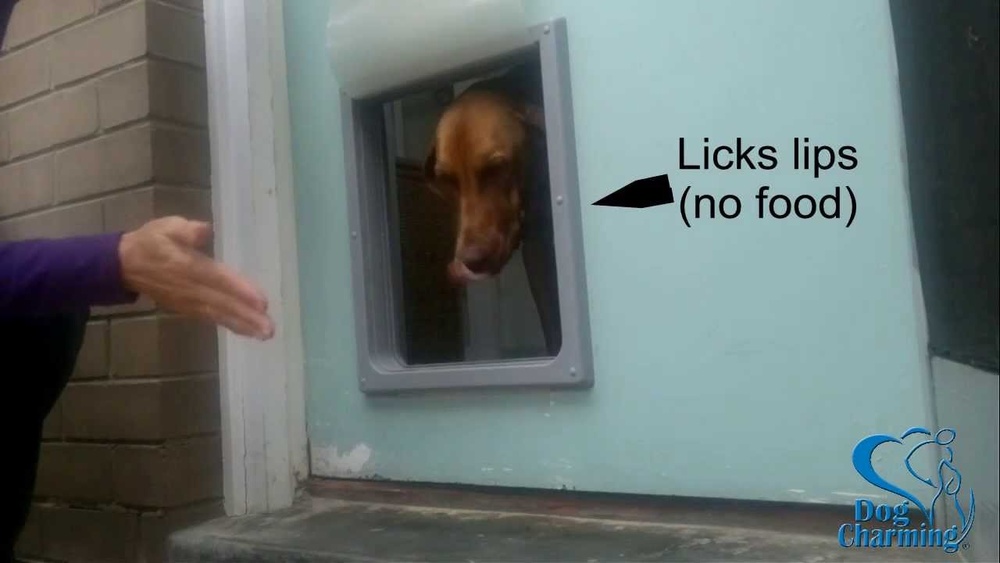
Reward your dog with treats and praise near the door. Use a happy voice to encourage them. Give a treat each time your dog approaches or touches the flap. Positive rewards make the experience fun. Your dog will want to try the door again.
Familiarizing With The Doorway
Practice walking through the door with your dog. Hold a treat on the other side to guide them. Help your dog push the flap gently. Repeat this step often. This builds your dog’s confidence and habit of using the pet door.
Step-by-step Training Process
Teaching your dog to use a pet door takes patience and clear steps. This training process helps your dog feel confident and safe using the door. Follow these easy steps to guide your dog through learning the pet door.
Encouraging First Attempts
Start by showing the dog the pet door. Let your dog sniff and explore it at their own pace. Use a favorite toy or treat to draw their attention near the door. Praise your dog for any interest or touch on the door flap. Small steps build trust and reduce fear.
Guiding With Treats And Commands
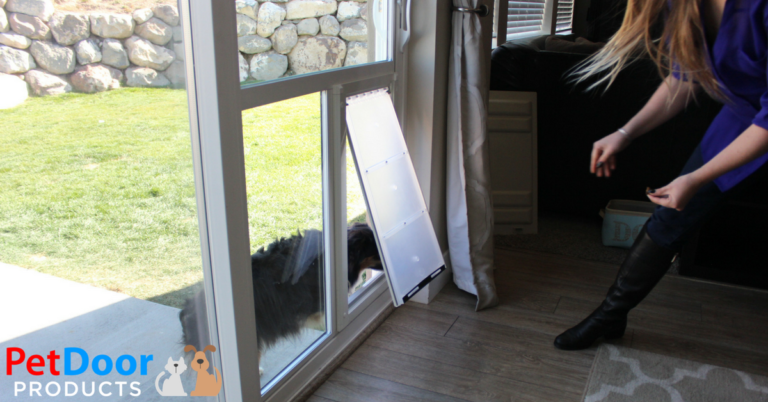
Hold a treat on the other side of the door flap. Encourage your dog to push the flap with their nose or paw. Use simple commands like “door” or “go through.” Reward your dog immediately after they pass through the door. Repeat this until your dog moves confidently through the flap.
Practicing Regularly
Practice daily for short sessions. Consistency helps your dog remember the steps. Gradually increase the distance between you and the door. Let your dog try the door alone with your praise nearby. Patience and regular practice ensure your dog learns well.

Credit: enduraflap.com
Troubleshooting Common Issues
Troubleshooting common issues helps your dog learn to use the pet door faster. Some dogs feel scared or unsure. Others may ignore the door or have accidents. Each problem has a simple solution. Patience and practice are important for success.
Fear Or Hesitation
Some dogs feel scared of the new door. The flap can look strange or noisy. Let your dog sniff and explore the door first. Use treats to encourage your dog close to the door. Try holding the flap open so your dog can see through it. Practice slowly and stay calm to build trust.
Ignoring The Door
Dogs may ignore the pet door at first. They do not understand its purpose yet. Show them how it works by gently guiding them through. Use treats on both sides of the door. Praise your dog every time it uses the door. Keep sessions short and fun to keep interest high.
Accidents And Setbacks
Accidents happen during training. Do not punish your dog. Clean the area well to remove smells. Go back to basic training steps. Watch your dog carefully and guide it to the door. Celebrate small wins to keep your dog motivated.
Maintaining And Securing The Pet Door
Keeping a pet door well-maintained ensures it works smoothly for your dog. A clean and secure door lasts longer and keeps your home safe. Small efforts in maintenance make a big difference in pet door use. Here are key steps to maintain and secure your pet door.
Regular Cleaning
Clean the pet door often to remove dirt and debris. Use a damp cloth to wipe the frame and flap. Check for mud, hair, or leaves that might block the door. A clean door helps your dog use it easily. Cleaning also prevents damage and keeps the door looking good.
Ensuring Proper Locking
Lock the pet door when you want to control your dog’s access. Check the lock regularly to make sure it works well. Use a simple lock that you can operate quickly. A strong lock keeps unwanted animals out. It also protects your home from intruders.
Weatherproofing Tips
Seal gaps around the pet door to stop cold air or rain from entering. Use weatherstripping to make the door tight and energy efficient. Check the flap for cracks or holes that could let wind in. Weatherproofing keeps your house comfortable and saves on energy bills.

Credit: www.youtube.com
Frequently Asked Questions
How Long Does It Take To Train A Dog To Use A Pet Door?
Training usually takes 1 to 2 weeks with consistent practice. Patience and positive reinforcement speed up learning. Some dogs may learn faster depending on breed and age. Repetition and rewards are key to success.
What Is The Best Way To Introduce A Pet Door?
Start by showing the dog the door and encouraging curiosity. Use treats or toys to lure them through the flap. Gradually increase the distance and repeat sessions daily. Avoid forcing the dog to prevent fear or resistance.
Can All Dog Breeds Learn To Use A Pet Door?
Most dog breeds can learn to use a pet door. Small or timid breeds may need extra encouragement and time. Very large dogs require appropriately sized doors for comfort. Training techniques remain similar regardless of breed.
How Do I Prevent My Dog From Scratching The Pet Door?
Use positive reinforcement to encourage gentle use of the door. Cover sharp edges or install protective panels to reduce damage. Redirect scratching behavior with toys or training. Regularly check and maintain the door for durability.
Conclusion
Teaching your dog to use a pet door takes time and patience. Start slow and reward small steps often. Keep training sessions short and positive. Watch your dog’s behavior and adjust as needed. Soon, your pet will use the door confidently.
This skill gives your dog freedom and you peace of mind. Enjoy watching your dog learn and grow with this simple tool. Consistency is key to success in training. Keep practicing, and both you and your dog will benefit.