
Is your smoke detector chirping nonstop, but you’re sure the battery isn’t the problem? That annoying beep can drive anyone crazy, especially when you don’t want to replace the battery just yet.
You might be wondering how to stop that noise quickly and safely without reaching for a new battery. In this guide, you’ll discover simple, effective ways to silence your smoke detector’s chirp and keep your home peaceful. Keep reading—you’ll find easy tips that anyone can use to fix this common problem right now.

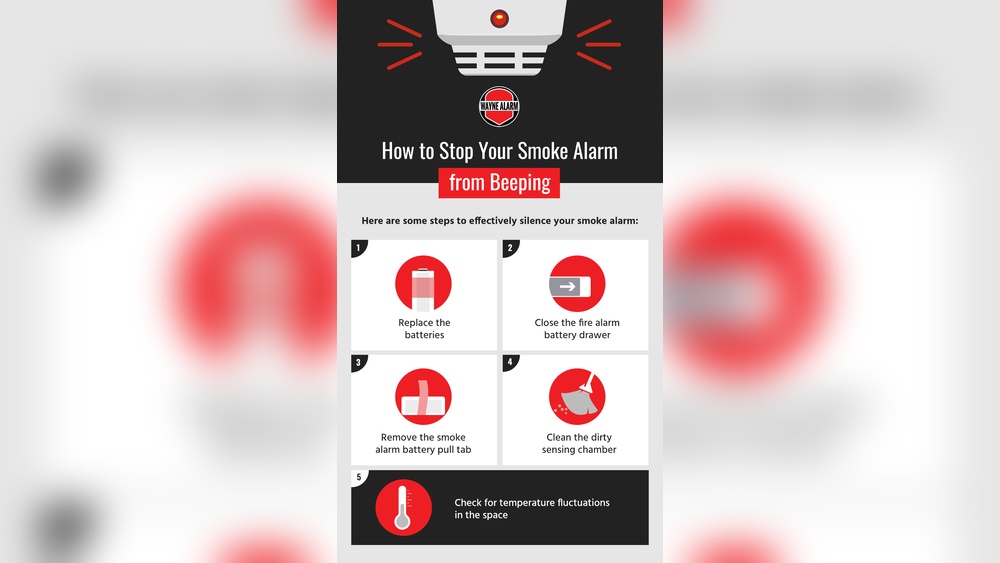
Credit: waynealarm.com
Reasons For Chirping Without Battery
Smoke detectors chirping without batteries can confuse many homeowners. The sound signals a problem inside the device, not just a low battery. Understanding why this happens helps fix the issue quickly. Several common reasons cause this unexpected chirping.
Internal Power Source Issues
Some smoke detectors have a backup power source. This source can fail or become weak over time. If the backup power runs low, the detector may chirp. This chirp warns that the internal power is not enough. Checking and resetting the power source can stop the noise.
Dust And Dirt Accumulation
Dust and dirt can settle inside the smoke detector. This buildup blocks the sensor from working correctly. The detector senses a problem and starts to chirp. Cleaning the device gently with a soft brush or compressed air often solves this. Regular cleaning prevents false alarms and chirping.
Humidity And Temperature Effects
High humidity or extreme temperatures affect smoke detectors. Moisture can cause the sensor to misread the air. Hot or cold air can also trigger false signals. These conditions may make the detector chirp even without a battery. Moving the device or controlling room conditions helps reduce chirping.
Malfunctioning Sensor Or Circuit
Sometimes, the detector’s sensor or circuit breaks down. This failure sends incorrect signals to the alarm system. The smoke detector chirps to show a fault inside. Repair or replacement of the device is often necessary. Regular tests can catch these problems early.

Credit: www.angi.com
Quick Fixes To Stop Chirping
Smoke detectors can start chirping even without a low battery. This noise can be annoying and distracting. Quick fixes often stop the chirping fast. These simple steps save time and prevent unnecessary replacements.
Resetting The Smoke Detector
Resetting the smoke detector can clear false alerts. First, turn off the power to the device. Press and hold the test button for 15 to 20 seconds. This action drains any leftover charge inside. Turn the power back on and check if the chirping stops.
Cleaning The Device Thoroughly
Dust and debris often cause chirping sounds. Use a soft brush or vacuum cleaner to remove dust. Clean around the sensor and vents carefully. Avoid using water or liquid cleaners. Regular cleaning keeps the smoke detector working well.
Checking For Loose Connections
Loose wiring can trigger false chirping. Turn off power to the smoke detector. Remove the device from its mounting plate. Inspect the wires and connectors for looseness or damage. Secure all connections firmly before reattaching the detector. Restore power and test the device for chirping.
Advanced Troubleshooting Steps
Advanced troubleshooting helps stop a smoke detector from chirping without the battery. It involves checking parts inside the device that cause the noise. This process needs careful steps but can fix the problem fast.
Inspecting The Circuit Board
First, open the smoke detector carefully. Look at the circuit board for dirt or damage. Dust or small bugs can cause chirping sounds. Clean the board gently with a soft brush or cloth. Check for burnt spots or broken connections. These signs show a problem inside the detector.
Testing With A Multimeter
Use a multimeter to test the electrical parts. Set the meter to measure voltage or continuity. Touch the probes to the circuit board contacts. This shows if electricity flows correctly. A bad reading means a part is not working. Testing helps find the exact cause of chirping.
Replacing Faulty Components
After finding bad parts, replace them carefully. Common faulty parts include capacitors and resistors. Remove the broken component using proper tools. Install a new part that matches the old one. Test the smoke detector again to check if chirping stops. This step often fixes the problem completely.
Preventing Future Chirping Issues
Stopping a smoke detector from chirping is only part of the solution. Preventing future chirping saves time and stress. Regular checks and good habits keep your detector working well. This section shares simple ways to avoid annoying chirps without needing a battery change.
Regular Maintenance Tips
Clean your smoke detector monthly. Dust and dirt cause false chirps. Use a soft brush or vacuum cleaner. Test the alarm after cleaning. Replace the unit every 10 years. Old detectors often chirp without real warnings.
Proper Installation Guidelines
Install smoke detectors on ceilings or high walls. Avoid corners or places near vents. Keep detectors away from kitchens and bathrooms. Steam and cooking smoke cause false alarms. Follow the manufacturer’s height and placement rules. Proper setup reduces false chirps and improves safety.
Environmental Control Measures
Control humidity levels in your home. High humidity can trigger chirping alarms. Use dehumidifiers or fans to reduce moisture. Avoid placing detectors near windows or doors. Drafts may cause temperature changes that lead to chirps. Stable room conditions help your smoke detector work correctly.
When To Replace The Smoke Detector
Knowing when to replace your smoke detector is key to keeping your home safe. A chirping smoke detector without a battery can signal deeper issues. Ignoring these signs can put your family at risk. Smoke detectors do not last forever. Replacing them at the right time ensures they work correctly.
Signs Of Irreparable Damage
Smoke detectors can show clear signs they need replacement. Constant chirping even after battery changes is one. Physical damage like cracks or broken parts means the device is unsafe. Dust and dirt buildup may cause false alarms and chirping. Sensors can wear out over time and stop working well. If cleaning does not fix the problem, replacement is needed.
Recommended Replacement Intervals
Most experts suggest replacing smoke detectors every 10 years. Older models may fail to detect smoke accurately. Check the manufacturing date on the back of your device. Replace it once it passes the 10-year mark. Regular replacement keeps your home’s fire safety up to date. Do not wait for constant chirping to replace your detector.

Credit: www.youtube.com
Frequently Asked Questions
Why Does Smoke Detector Chirp Without A Battery?
A smoke detector can chirp without a battery due to residual power in its capacitor. It may also signal a wiring or sensor issue. Dust and dirt buildup can cause false alerts too. Regular cleaning and proper maintenance help prevent these chirps.
How To Reset A Smoke Detector Without Battery?
To reset a smoke detector without a battery, press and hold the test button for 15-30 seconds. This drains residual power and stops chirping temporarily. Ensure the device is clean and properly wired to avoid further issues.
Can Dust Cause Smoke Detector Chirping?
Yes, dust and debris inside the smoke detector can cause it to chirp. It interferes with the sensor’s function, triggering false alarms. Regularly clean the detector with a soft brush or vacuum to maintain proper operation.
Is Wiring Issue Responsible For Chirping Noise?
Wiring issues can cause a smoke detector to chirp even without batteries. Loose or damaged wires disrupt power supply and trigger alerts. Inspect wiring connections carefully and consult a professional electrician if needed.
Conclusion
Stopping a smoke detector from chirping without changing the battery can be simple. Check for dust or dirt inside the device. Clean it gently to remove any particles. Make sure the detector is properly mounted and not loose. Sometimes, a reset can help stop the noise.
Remember, safety matters most. If the chirping continues, consider replacing the battery soon. Keep your home safe and quiet with these easy steps.