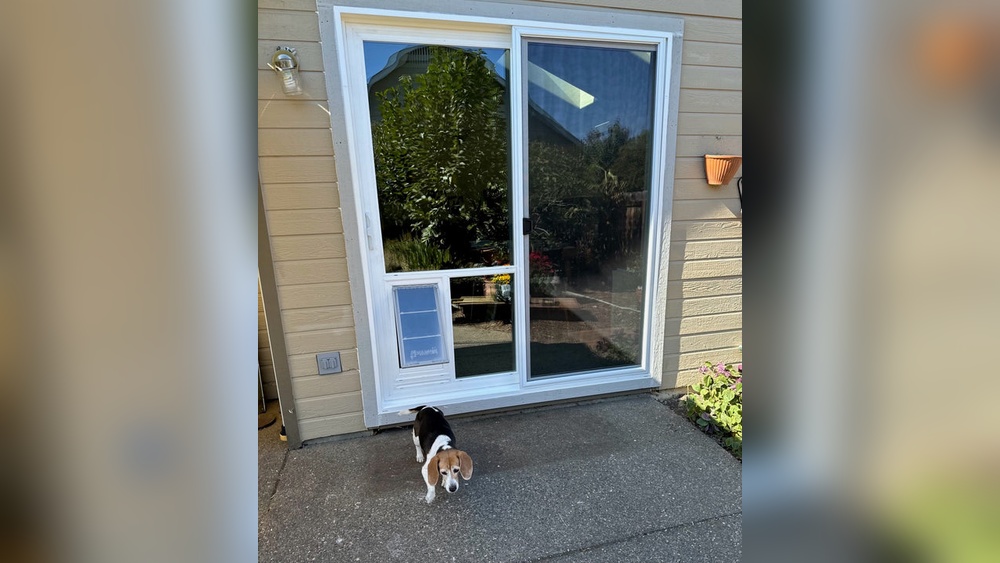

If you want to give your pet more freedom without leaving your door wide open, a pet door insert is a smart solution. But before you buy one, you need to make sure it fits perfectly.
Measuring your door the right way is key to avoid any surprises and to keep your home secure and comfortable. In this guide, you’ll learn exactly how to measure your door step-by-step, so you can choose the perfect pet door insert with confidence.
Keep reading—you’re just minutes away from making life easier for both you and your furry friend!
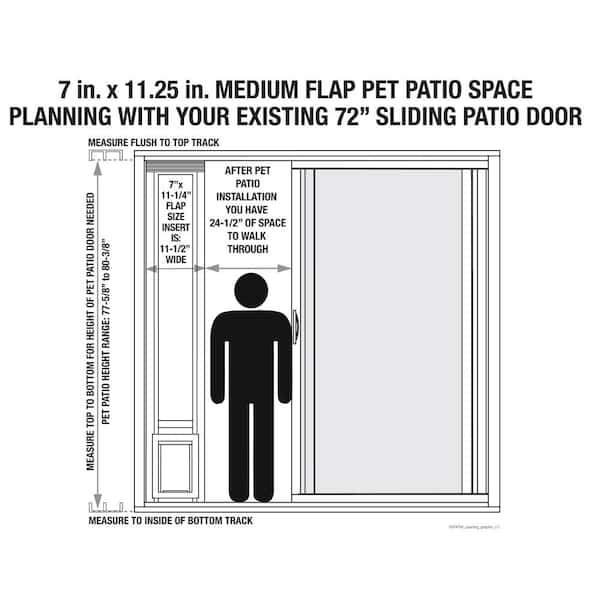
Credit: www.homedepot.com
Choose The Right Pet Door
Choosing the right pet door is key to keeping your pet happy and safe. The right door fits your pet’s size and lifestyle. It also matches your home’s style and security needs. This section covers how to pick the best pet door for your home and furry friend.
Consider Pet Size And Breed
Measure your pet’s height and width. Allow extra space for comfort when walking through. Small breeds need smaller doors. Large breeds need wider and taller doors. Consider your pet’s body shape. Some dogs are tall but slim. Others are short but wide. Choose a door that fits their shape well. A properly sized door prevents injury and escape.
Types Of Pet Doors
There are flap doors, electronic doors, and sliding doors. Flap doors are simple and affordable. Electronic doors open with a collar key or sensor. These add security to your home. Sliding doors fit into glass or patio doors. Choose the style that suits your pet’s habits. Also, think about your home’s design and security.
Material Options
Pet doors come in plastic, metal, and wood. Plastic doors are lightweight and easy to clean. Metal doors are strong and durable. Wood doors match home interiors better. Consider weather conditions too. Metal resists extreme weather well. Plastic may crack in cold climates. Pick a material that lasts and fits your budget.
Gather Necessary Tools
Gathering the right tools is the first step to measure your door accurately for a pet door insert. Having these tools ready makes the process smooth and precise. It helps avoid mistakes and saves time.
Measuring Tape
A measuring tape is essential for this task. Use a tape that shows both inches and centimeters. This helps you measure the door’s width and height accurately. Make sure the tape is long enough for your door size. A metal tape is better because it stays straight and does not bend easily.
Pencil And Paper
Use a pencil and paper to write down your measurements. A pencil works well because you can erase mistakes. Note the width and height clearly. Writing your numbers helps you remember and compare later. Keep your notes organized for easy reference.
Level And Screwdriver
A level ensures your measurements are straight and even. Place it on the door frame to check alignment. The screwdriver is useful if you need to remove hardware or panels. Having these tools ready makes installation easier after measuring.
Measure Door Width
Measuring the door width is the first step to fitting a pet door insert. Accurate width measurements ensure the insert fits well without gaps or pressure. Take your time and measure carefully for the best results.
Measure At Multiple Points
Measure the door width at the top, middle, and bottom. Doors can vary in width from one spot to another. Use a tape measure and note each measurement. Choose the smallest width to avoid a tight fit.
Check For Door Irregularities
Look for bumps, curves, or warps on the door edges. These irregularities affect the fit of the pet door insert. Measure around these areas to see if adjustments are needed. A smooth door edge makes installation easier.
Measure Door Height
Start by measuring the door height from the floor to the top edge. Use a tape measure for accuracy. This helps ensure the pet door insert fits well and works properly.
Determine Pet’s Comfortable Height
Start by understanding your pet’s natural height. A door too tall or too short can cause discomfort. Your pet should move through the pet door without bending or jumping.
Measure your pet while it stands naturally. This helps find the right door height. A comfortable height ensures easy and safe access.
Measure From Floor To Pet’s Shoulder
Use a tape measure from the floor to your pet’s shoulder. This is the best place to measure height for a pet door. Shoulders give a clear idea of your pet’s size.
Measure carefully while your pet stands still. Write down the exact number. Add a few inches for head clearance to avoid hitting the door frame.
Measure Door Thickness
Measuring the thickness of your door is a key step in choosing the right pet door insert. The thickness affects how well the pet door fits and seals. Accurate measurement ensures easy installation and prevents drafts or gaps.
Check Door Edge Thickness
Start by closing your door. Use a tape measure or ruler to check the thickness at the door’s edge. Measure from one flat side to the other. Note the measurement in millimeters or inches. This number tells you the door’s thickness. Double-check the reading for accuracy. Some doors have trim or bevels that affect thickness. Measure at the thickest part of the door edge for best results.
Adjustments For Different Materials
Doors come in wood, metal, or fiberglass. Each material affects pet door fitting differently. Wood doors may have uneven surfaces, so measure in several spots. Metal doors are usually thinner but may need special inserts. Fiberglass doors might have hollow spaces inside. For hollow doors, confirm thickness and check for reinforcement. Knowing the material helps choose the right pet door size and type. Always compare your measurements with the pet door manufacturer’s guidelines.
Mark Cutout Area
Marking the cutout area is a key step when installing a pet door insert. It ensures the door fits perfectly and your pet can move freely. Take time to mark carefully before cutting. A precise outline helps avoid mistakes and saves effort.
Positioning The Pet Door
Start by placing the pet door at the right height. Think about your pet’s size and how they walk through. The bottom of the door should be level with your pet’s belly. Hold the door firmly against the door or wall. Make sure it is straight and centered. Check the space around for any obstacles.
Marking With Precision
Use a pencil to trace the pet door’s outline clearly. Draw on the inside of the frame for a snug fit. Double-check the lines before cutting. Measure twice, mark once. Use a ruler or straight edge for clean lines. Avoid thick or dark marks that might confuse you later.
Verify Measurements
Verifying measurements is a key step before installing a pet door insert. Accurate measurements ensure the pet door fits well and works properly. Mistakes in measuring can cause problems during installation or let cold air in. Taking time to double-check sizes saves effort and money later.
Double-check Dimensions
Measure the door width and height carefully. Use a tape measure for precise results. Measure twice to confirm the numbers. Check both the door panel and the frame. Write down each measurement clearly. Even small errors can affect the fit.
Confirm Pet Door Fit
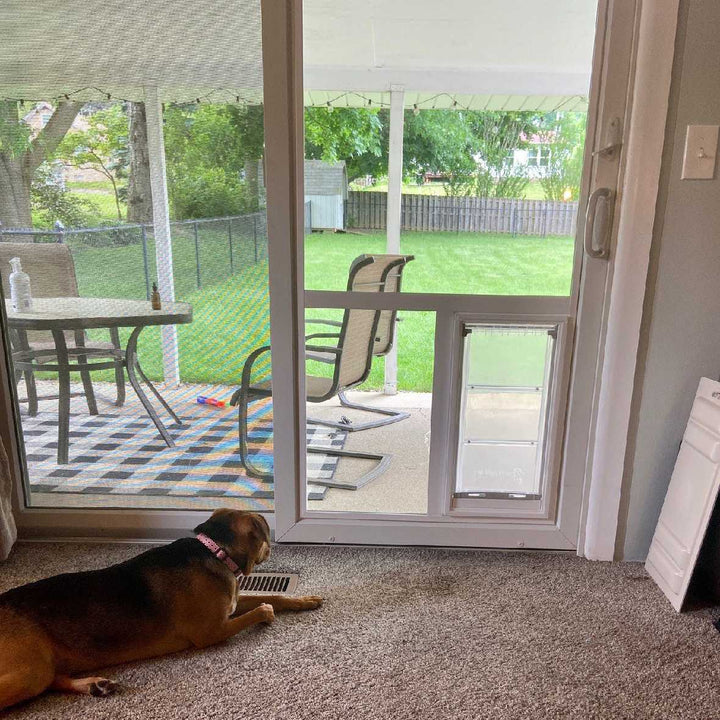
Compare your door measurements with the pet door size. Make sure the pet door fits inside the cut-out space. Verify if your pet’s size matches the pet door opening. The pet door should allow easy entry and exit. Proper fit keeps your home secure and comfortable.
Credit: www.petdoors.com
Prepare For Installation
Preparing for the installation of a pet door insert is an important step. It ensures the process goes smoothly and safely. Taking time to prepare saves effort and avoids mistakes.
Start by organizing everything needed before cutting or measuring. Clear your workspace and keep tools ready. This sets a good pace for the project.
Gather Installation Instructions
Find the instruction manual that comes with your pet door insert. Read it carefully. Follow the steps exactly as described. This helps avoid errors during installation.
Keep the instructions close while working. Some models have specific requirements. Knowing these details prevents damage to your door or pet door.
Safety Precautions
Wear safety glasses to protect your eyes from debris. Use gloves to protect your hands from sharp edges. Keep pets and children away from the work area.
Check your tools before use. Make sure blades are sharp and secure. Dull tools can cause accidents and make the job harder.

Credit: kdfoundation.org
Frequently Asked Questions
How Do I Measure My Door For A Pet Door Insert?
Measure the width and height of your door’s inside panel. Use a tape measure at the narrowest points. Accurate measurements ensure a perfect pet door fit and avoid installation issues.
What Tools Are Needed To Measure For A Pet Door?
Use a tape measure and a pencil for marking. A level can help ensure straight lines. These simple tools provide precise measurements for your pet door insert.
Should I Measure Door Thickness For A Pet Door?
Yes, measure your door’s thickness before purchasing. Pet doors come in various thickness ranges. This ensures the insert fits securely and functions properly.
How To Measure Pet Size For The Door Insert?
Measure your pet’s height at the shoulder and width across the shoulders. Choose a pet door size slightly larger than these measurements for easy passage.
Conclusion
Measuring a door for a pet door insert is simple and clear. Start by checking the door’s height and width carefully. Take notes of the measurements to avoid mistakes. Use a tape measure for best results. Remember to measure the door thickness too.
This helps find the perfect pet door size. Accurate measuring saves time and money. It also keeps your pet safe and happy. Follow these steps, and you will do well. Enjoy the easy process and a great pet door fit.