
Is your smoke detector going off at the worst possible moments? It can be frustrating and even stressful when the alarm suddenly blares without a real emergency.
You want peace of mind, not constant noise. The good news is, you can stop your smoke detector from going off unnecessarily. You’ll learn simple, effective steps to fix the problem quickly and keep your home safe and quiet. Keep reading—because knowing how to handle this can save you time, hassle, and worry.

Credit: us.fotileglobal.com
Common Causes Of False Alarms
False alarms from smoke detectors can cause stress and confusion. These alarms often happen for reasons unrelated to fire. Understanding the common causes helps reduce unnecessary alerts and keeps your home safe.
Low Battery Issues
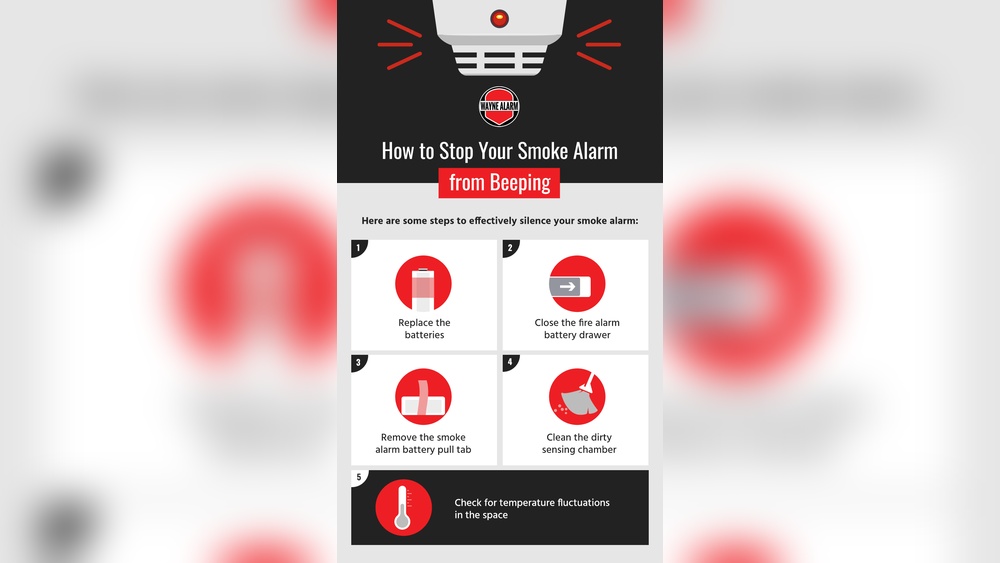
Low batteries often trigger false alarms. The detector senses weak power and sounds the alarm. Replacing batteries regularly can stop this problem. Use fresh batteries and test the detector monthly.
Dust And Debris
Dust inside the smoke detector can cause false alarms. Small particles block sensors and make the alarm go off. Clean the detector gently with a soft brush or vacuum. Keep the area around the detector clean too.
Steam And Humidity
Steam from showers or cooking can confuse smoke detectors. High humidity tricks the sensor into thinking there is smoke. Place detectors away from bathrooms and kitchens. Use ventilation to reduce steam build-up.
Insect Interference
Small insects can enter smoke detectors and cause false alarms. Bugs block sensors and create errors. Seal gaps around the detector and clean it regularly. This keeps bugs out and stops false alerts.
Immediate Steps To Silence The Alarm
Smoke detectors can go off suddenly, causing panic and confusion. Knowing how to stop the alarm quickly helps bring calm to the situation. Follow these immediate steps to silence the alarm and prevent noise from disturbing your home.
Resetting The Smoke Detector
Start by locating the reset button on the smoke detector. Press and hold it for 15 to 20 seconds. This resets the device and often stops the alarm sound. If the alarm continues, check for smoke or fire nearby.
Using The Silence Button
Most modern smoke detectors have a silence or hush button. Press this button once to pause the alarm temporarily. This allows you time to clear any smoke or steam causing the alert. The alarm usually stays quiet for 8 to 10 minutes.
Removing The Battery Temporarily
If the alarm won’t stop, remove the battery carefully. Open the detector cover and take out the battery. This cuts the power and silences the alarm immediately. Replace the battery as soon as possible to keep your home safe.
Cleaning And Maintenance Tips
Keeping your smoke detector clean and well-maintained helps stop false alarms. Dust, bugs, and weak batteries often cause the detector to go off. Regular cleaning and checking can keep it working properly and quietly.
Proper Dusting Techniques
Dust can block the sensor inside the smoke detector. Use a soft brush or a vacuum with a brush attachment. Gently clean around the vents and the detector’s surface. Avoid using water or cleaning sprays. Clean dust at least twice a year for best results.
Checking For Insects
Small insects can crawl inside and trigger false alarms. Look inside the detector for any bugs or spider webs. Use a can of compressed air to blow them out. Keep the area around the detector free from insects. This simple check stops many unwanted alarms.
Replacing Old Batteries
Weak batteries cause frequent beeping or false alarms. Change the batteries once a year or when the low battery warning sounds. Use fresh, high-quality batteries for better performance. Test the smoke detector after replacing batteries to ensure it works well.
Preventing Future False Alarms
False alarms from smoke detectors can be very annoying. They disrupt your daily routine and cause unnecessary stress. Preventing these false alarms helps keep your home safe and peaceful. There are simple steps to reduce these unwanted alerts.
Ideal Smoke Detector Placement
Place smoke detectors away from kitchens and bathrooms. Steam and cooking smoke can trigger false alarms. Install detectors at least 10 feet from cooking appliances. Avoid placing them near windows or vents. Air flow can cause dust or fumes to set off alarms.
Regular Testing Schedule
Test your smoke detectors once a month. Press the test button to ensure it works. Replace batteries every six months or as needed. Clean detectors regularly to remove dust and debris. A clean detector is less likely to go off by mistake.
Upgrading To Newer Models
Older smoke detectors may be more prone to false alarms. New models have better sensors and technology. Consider buying detectors with photoelectric sensors. These detect smoke more accurately and reduce false alerts. Investing in updated detectors improves home safety and comfort.
When To Call A Professional
Smoke detectors keep your home safe by alerting you to fire risks. Sometimes, they go off without real danger. This can be annoying and confusing. Knowing when to call a professional helps solve these issues quickly and safely.
Persistent False Alarms
Smoke detectors may sound off repeatedly without clear cause. This can mean a hidden problem that needs expert care. A professional can check the device fully. They find issues you might miss. Fixing persistent false alarms prevents danger and stress.
Faulty Wiring Concerns
Wiring problems inside your smoke detector can cause it to beep wrongly. Faulty wiring is risky and hard to fix alone. A trained technician can safely inspect and repair the wiring. This stops false alarms and keeps your home safe from electrical hazards.
Detector Replacement Advice
Smoke detectors do not last forever. Over time, sensors wear out or parts break. A professional can tell if your detector needs replacing. They help you choose the right model for your home. Proper replacement ensures your smoke detector works well and protects your family.

Credit: www.angi.com

Credit: waynealarm.com
Frequently Asked Questions
Why Does My Smoke Detector Keep Going Off Randomly?
Random alarms often occur due to low batteries, dust buildup, or humidity. Check and replace batteries regularly. Clean the detector with a soft brush. Avoid placing detectors near kitchens or bathrooms to reduce false alarms.
How Can I Stop My Smoke Detector From False Alarms?
To reduce false alarms, clean the detector frequently and replace batteries yearly. Install detectors away from cooking areas and bathrooms. Use a smoke detector with a hush or silence button for temporary alarm deactivation during false alerts.
When Should I Replace My Smoke Detector?
Replace smoke detectors every 10 years or immediately if they malfunction. Aging sensors become less reliable. Regularly test your detector to ensure it works. Newer models offer improved technology and fewer false alarms.
Can Humidity Cause Smoke Detector Alarms?
Yes, high humidity or steam can trigger false alarms. Avoid installing detectors near bathrooms or humid areas. Use detectors with humidity resistance if needed. Proper ventilation helps reduce false alarms caused by moisture.
Conclusion
Stopping your smoke detector from going off unnecessarily is possible. Regular cleaning helps keep dust and bugs away. Check the battery often and replace it when needed. Avoid placing detectors near kitchens or bathrooms. Proper placement reduces false alarms. Following these steps saves stress and noise.
Stay safe without annoying beeps. Keep your home peaceful and secure. Simple actions make a big difference.