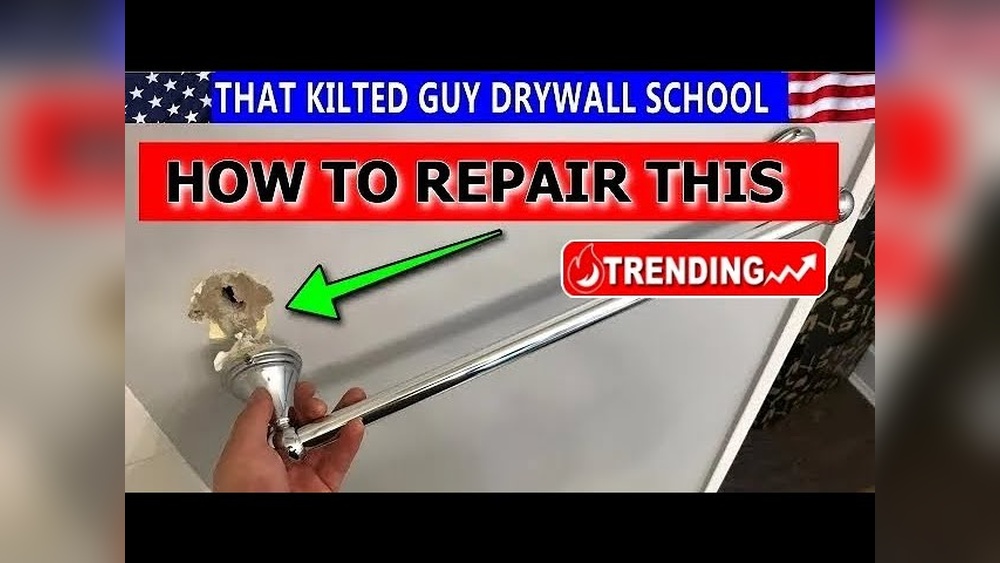

Is your towel rack loose or falling off your bathroom wall? Fixing a towel rack in sheetrock might seem tricky, but you can do it yourself without calling a handyman.
Imagine having a sturdy towel rack that holds your towels perfectly every time. In this guide, you’ll learn simple, step-by-step tips to secure your towel rack so it stays put. Keep reading to discover easy tricks that save you time, money, and frustration.
Your bathroom deserves a reliable towel rack—and you can make it happen today.

Credit: diy.stackexchange.com
Tools And Materials Needed
Fixing a towel rack in sheetrock requires the right tools and materials. Preparing them before starting saves time and effort. This section lists everything needed to complete the job safely and effectively.
Gathering quality tools ensures the towel rack stays secure. Using proper materials prevents damage to the wall and rack.
Tools Required
- Drill with drill bits
- Stud finder
- Level
- Screwdriver
- Measuring tape
- Hammer
- Utility knife
Materials Needed
- Towel rack kit
- Wall anchors (toggle bolts or molly bolts)
- Screws (usually come with rack)
- Spackle or wall filler
- Sandpaper
- Painter’s tape (optional)
Safety Gear
- Safety glasses
- Work gloves

Credit: diy.stackexchange.com
Identifying The Problem
Fixing a towel rack that does not hold well requires first finding the cause of the problem. This step saves time and effort in repairs. The rack may feel loose or even fall off the wall. Checking the condition of the screws, drywall, and anchors helps identify the issue.
Loose Screws
Screws can become loose over time. They may not hold the rack tightly to the wall. Use a screwdriver to test each screw. Tighten any screw that spins easily. Replace screws that are stripped or damaged.
Damaged Drywall
Drywall around the rack can break or crumble. This damage makes it hard for screws to hold. Look for cracks or soft spots on the wall. Gently press the area to check for weakness. Damaged drywall needs repair before reattaching the rack.
Broken Anchors
Anchors support the screws in drywall. If anchors break, the rack will not stay in place. Remove the rack to inspect the anchors. Replace any anchors that are cracked or loose. Use anchors made for drywall to ensure strong support.
Removing The Towel Rack
Removing a towel rack from sheetrock is the first step to fix or replace it. It is important to do this carefully to avoid damaging the wall. Taking your time and using the right tools makes the job easier. This section guides you through the removal process safely and cleanly.
Gather The Necessary Tools
Start by collecting tools like a screwdriver, putty knife, and a drill. These tools help you remove screws and clean the wall afterward. Having everything ready prevents interruptions during the work.
Unscrew The Towel Rack Brackets
Locate the screws holding the towel rack brackets to the wall. Use a screwdriver to turn them counterclockwise. Keep the screws safe if you plan to reuse them later.
Carefully Remove The Rack
After unscrewing, gently pull the towel rack away from the wall. Avoid forcing it, as this can damage the sheetrock. If it feels stuck, check for hidden screws or adhesive.
Inspect The Wall For Damage
Look closely at the sheetrock where the towel rack was mounted. Small holes or dents are common and easy to fix. Note any damage to repair before installing a new rack.
Repairing Drywall Damage
Repairing drywall damage is key when fixing a towel rack in sheetrock. Small cracks and holes often happen during removal or installation. Fixing these problems keeps your wall smooth and strong. It also makes the towel rack safe to use. Follow these simple steps to repair your drywall properly.
Filling Small Holes
Small holes are easy to fix. Use lightweight spackle or joint compound. Apply a small amount with a putty knife. Press it into the hole and smooth the surface. Let it dry for a few hours. After drying, check if it needs another layer. Apply again if needed. Once dry, the hole should be invisible.
Patching Large Holes
Large holes need more care. Cut a piece of drywall that fits the hole. Place it inside the damaged area. Use drywall tape to cover the edges. Apply joint compound over the tape and patch. Smooth it with a putty knife. Let it dry completely. Add more compound if the patch is uneven. Wait until all layers dry before sanding.
Sanding And Smoothing
Sanding makes the repair blend with the wall. Use fine-grit sandpaper for best results. Sand gently in a circular motion. Stop when the surface feels smooth and even. Wipe away dust with a damp cloth. Your wall is now ready for painting or mounting the towel rack again.
Choosing The Right Anchors
Choosing the right anchors is key to fixing a towel rack securely in sheetrock. Anchors hold the screws firmly in the wall. They stop the rack from falling or wobbling. Using weak anchors may cause damage to the wall or rack. Different anchors work best for different weights and wall types. Understanding each type helps you pick the best one.
Plastic Anchors
Plastic anchors are simple and easy to use. They fit well in light to medium loads. Insert the anchor into a drilled hole. Then, screw into the anchor to expand it inside the wall. These anchors are affordable and common. Best for small towel racks or light items.
Toggle Bolts
Toggle bolts provide strong support in hollow walls. They have metal wings that open behind the sheetrock. The wings spread the load over a larger area. Good for heavy towel racks or items with weight. Requires a larger hole for installation. Offers solid hold and prevents pull-out.
Molly Bolts
Molly bolts are metal anchors that expand inside the wall. They create a strong grip by widening behind the sheetrock. Ideal for medium to heavy loads. Easy to install with a screwdriver. Provide firm support and prevent wall damage. Suitable for towel racks needing extra strength.
Reinstalling The Towel Rack
Reinstalling the towel rack on sheetrock requires careful steps. Proper installation ensures the rack holds towels securely without damaging the wall. Follow these simple steps to get the job done right.
Marking Drill Points
Start by holding the towel rack where you want it on the wall. Use a pencil to mark the spots for drilling. Make sure the marks line up with the rack’s mounting holes. Double-check the marks for accuracy before drilling.
Drilling And Inserting Anchors
Choose a drill bit that matches your wall anchors. Drill holes on the pencil marks carefully. Push the anchors into the holes until they are flush with the wall. Anchors give extra support and prevent the rack from falling.
Mounting The Rack Securely
Align the towel rack with the anchors in the wall. Insert the screws through the rack’s holes into the anchors. Tighten the screws firmly but avoid over-tightening. Check the rack to make sure it is steady and level.
Preventing Future Damage
Preventing future damage to your towel rack in sheetrock is important for long-lasting use. Proper care stops the need for frequent repairs. Small steps help keep the rack secure and the wall intact.
Proper Weight Limits
Every towel rack has a weight limit. Exceeding this limit puts stress on the sheetrock. Heavy towels or items can pull the rack loose. Use only lightweight towels and items on the rack. Check the rack’s instructions for weight details. Distributing weight evenly helps prevent damage. Avoid hanging wet, heavy towels for long periods.
Regular Maintenance Tips
Check the towel rack often for any looseness. Tighten screws if they start to feel loose. Use a screwdriver to secure the rack firmly. Look for cracks or holes in the sheetrock near the rack. Repair small cracks quickly with spackle or filler. Keep the area dry to avoid water damage. Clean the rack gently to prevent rust or wear.

Credit: www.wallshark.com
Frequently Asked Questions
How Do I Fix A Towel Rack On Sheetrock?
To fix a towel rack on sheetrock, locate studs or use anchors. Drill holes, insert anchors, then screw the rack brackets securely. Avoid relying on drywall alone for support.
What Type Of Anchors Work Best For Towel Racks?
Toggle bolts and molly bolts are ideal for towel racks on sheetrock. They provide strong support and prevent damage. Choose anchors based on rack weight and wall thickness.
Can I Install A Towel Rack Without Studs?
Yes, you can use heavy-duty drywall anchors if studs aren’t available. Ensure anchors are rated for the towel rack’s weight for a secure hold.
How Do I Prevent Towel Rack From Loosening?
Use proper anchors and screws, and tighten them firmly. Avoid overloading the rack with heavy towels to maintain stability over time.
Conclusion
Fixing a towel rack in sheetrock does not have to be hard. Use the right tools and anchors for a strong hold. Take your time to measure and mark the spots carefully. Tighten screws just enough to avoid damage. With patience and care, your towel rack will stay secure for a long time.
Enjoy a neat, organized bathroom without worry. Small fixes like this make a big difference in daily life. Keep practicing, and these tasks will feel easier each time.