
Is your ceramic towel rack wobbling every time you grab a towel? A loose towel rack isn’t just annoying—it can also cause damage to your wall or even fall off completely.
You don’t have to live with this frustrating problem or spend a fortune on repairs. In this guide, you’ll discover simple, effective steps to fix your ceramic towel rack quickly and securely. Keep reading, and you’ll have your rack sturdy and safe in no time.
Credit: www.reddit.com
Identify The Cause Of Looseness
Identifying the cause of a loose ceramic towel rack is the first step in fixing it. A loose rack can be unsafe and may fall. Understanding why it moves helps you choose the right fix. Check each part carefully to find the problem.
Check Wall Anchors
Wall anchors hold the rack to the wall. They may become loose or damaged over time. Look for cracks or gaps around the anchors. Push gently to see if they move inside the wall. Replace weak anchors to secure the rack firmly.
Inspect Mounting Screws
Screws connect the rack to the brackets or anchors. Loose or rusted screws cause wobbling. Use a screwdriver to tighten each screw. If screws are stripped or broken, replace them with new ones of the same size.
Examine The Ceramic Brackets
Ceramic brackets support the towel rack. Cracks or chips can weaken their hold. Check for any damage or loose fittings. Tighten the brackets on the wall or replace them if broken. Strong brackets keep the rack steady and safe.
Gather Necessary Tools And Materials
Fixing a loose ceramic towel rack needs the right tools and materials. Gathering these first saves time and effort during the repair. Prepare everything before starting. This ensures a smooth and safe fix.
Basic Repair Tools
Start with simple tools. A screwdriver is essential to remove and tighten screws. A drill helps if holes need adjustment. A level checks if the rack is straight. A tape measure ensures correct placement. A pencil marks spots on the wall. These basic tools make the job easier and accurate.
Replacement Anchors And Screws
Old anchors and screws often cause looseness. Get new anchors made for your wall type. Plastic or metal anchors work well for drywall or tile. Use screws that fit your towel rack holes perfectly. Proper anchors and screws hold the rack firmly for long-lasting support.
Adhesives And Fillers
Adhesives help secure loose parts. Use strong glue made for ceramics and metal. Fillers fix wall holes or cracks. Spackle or wall putty fills gaps around anchors. Smooth the surface before drilling new holes. Adhesives and fillers improve stability and appearance.
Tighten Existing Screws
Tightening the existing screws is a simple and effective way to fix a loose ceramic towel rack. Screws may loosen over time due to use or vibrations. Checking and tightening them can restore the rack’s stability quickly. This step requires minimal tools and little time.
Remove Dust And Debris
Start by cleaning around the screws. Dust and debris can stop the screwdriver from fitting properly. Use a small brush or cloth to clear the area. Clean screws hold better and turn smoothly.
Use Proper Screwdriver
Choose the right screwdriver for the screws on your towel rack. Using a mismatched tool can damage the screw head. A perfect fit allows easy turning and avoids slipping. Check the screw type before starting.
Avoid Over-tightening
Tighten screws firmly but do not overdo it. Over-tightening can crack the ceramic base or strip the screw hole. Stop tightening once the rack feels stable. Small, careful turns work best for safety.

Credit: www.reddit.com
Replace Or Reinforce Wall Anchors
Loose ceramic towel racks often happen because the wall anchors fail. Replacing or reinforcing these anchors can fix the problem and make your rack sturdy again. This process ensures the rack stays in place and holds weight safely. Follow these steps to replace or reinforce wall anchors properly.
Choose Suitable Anchor Type
Select anchors designed for your wall type and rack weight. Drywall anchors work for hollow walls. Use toggle bolts for heavier loads. Masonry anchors suit brick or concrete walls. Match the anchor size with the screw and rack bracket for a tight fit.
Remove Old Anchors
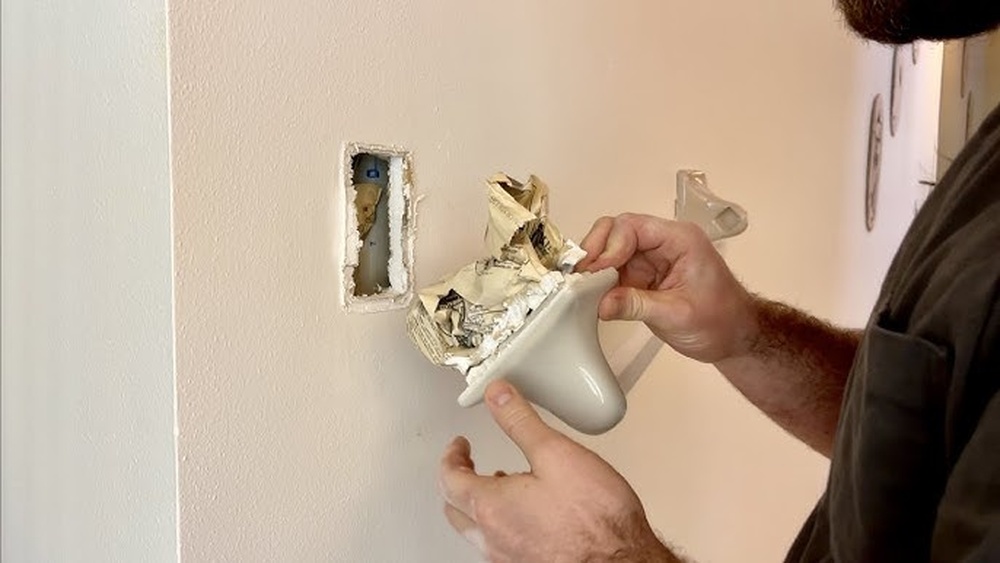
Carefully pull out the old anchors using pliers. If stuck, push them inside the wall. Avoid damaging the wall surface. Clean the hole from dust and debris. This creates a better hold for the new anchors.
Install New Anchors Securely
Insert the new anchors into clean holes. Tap gently with a hammer until flush with the wall. Align the towel rack bracket with the anchors. Screw in slowly to avoid stripping. Check the rack is tight and stable before use.
Repair Or Replace Ceramic Brackets
Ceramic towel racks can loosen over time, mainly because of damaged brackets. Fixing or replacing these ceramic brackets keeps the rack stable and safe. Small cracks can be repaired easily, but broken brackets need replacement. Aligning brackets properly during installation prevents future loosening.
Fix Minor Cracks With Adhesive
Small cracks in ceramic brackets do not always need replacement. Use a strong adhesive made for ceramics. Clean the bracket surface well before applying glue. Press the cracked parts together firmly. Let the adhesive dry completely to hold the bracket tight. This method saves money and time.
Replace Broken Brackets
Broken ceramic brackets cannot hold the towel rack properly. Remove the damaged bracket carefully. Match the new bracket with the old one in size and style. Use screws and wall plugs to fix the new bracket firmly. Test the rack after replacement to ensure it is stable.
Ensure Proper Alignment
Proper alignment of brackets is key to a sturdy towel rack. Measure the distance between brackets before installation. Use a level tool to keep brackets straight. Misaligned brackets cause wobbling and damage. Tighten screws evenly to keep brackets secure and aligned.
Fill And Patch Enlarged Holes
Loose ceramic towel racks often happen because the screw holes become too big. Filling and patching these holes is key. It creates a strong base for screws to hold tightly again. This step fixes the problem without needing new wall anchors.
Filling and patching enlarged holes is simple. It takes a few tools and materials. The process includes filling the holes, smoothing the surface, and carefully drilling new holes. Follow these steps for a sturdy towel rack.
Use Wall Filler Or Epoxy
Start by choosing the right filler. Wall filler works well for small holes. Epoxy is better for larger or deeper holes. Apply the filler with a putty knife. Press it firmly into the hole. Fill the hole completely to avoid gaps. Let the filler dry fully before moving on.
Sand And Smooth Surface
After the filler dries, the surface may be rough. Use fine sandpaper to smooth it out. Sand until the patch is flush with the wall. A smooth surface helps the towel rack sit flat. Clean the dust with a dry cloth before drilling again.
Re-drill Holes Carefully
Mark the exact spot to drill new holes. Use a drill bit size that matches the screws. Drill slowly to avoid cracking the patch. Make sure holes are straight and deep enough. This careful step ensures the towel rack stays secure.
Prevent Future Looseness
Preventing future looseness in your ceramic towel rack keeps it safe and sturdy. Small steps can extend its life and avoid frequent repairs. Focus on simple care and smart use to keep the rack tight and secure.
Regular Maintenance Tips
Check the towel rack screws every few months. Tighten any loose screws with a screwdriver. Clean the rack gently to avoid damaging the ceramic. Dust and dirt can wear down the fittings. Keeping it clean helps maintain a strong hold.
Avoid Overloading The Rack
Do not hang heavy towels or wet clothes on the rack. Too much weight pulls on the screws and weakens the wall anchor. Use the rack only for its intended weight. Light loads prevent strain and keep it firmly attached.
Use Protective Pads
Place soft pads between the ceramic rack and the wall. Pads reduce friction and stop the rack from wobbling. They protect both the rack and wall from damage. This simple step adds stability and keeps the rack tight.

Credit: www.reddit.com
Frequently Asked Questions
How Do I Tighten A Loose Ceramic Towel Rack?
To tighten a loose ceramic towel rack, first remove it carefully. Check if screws or anchors are loose. Use a screwdriver to tighten screws or replace anchors if needed. Avoid overtightening to prevent ceramic damage. Ensure the rack is secure before rehanging.
What Tools Are Needed To Fix A Loose Towel Rack?
You need a screwdriver, wall anchors, screws, a drill, and a level. These tools help remove, secure, and realign the towel rack properly. Having the right tools ensures a stable and long-lasting repair.
Can I Fix A Ceramic Towel Rack Without Drilling?
Yes, if the towel rack uses adhesive or suction mounts. Clean the surface well and apply strong adhesive or suction pads. However, this method may not support heavy loads and is less durable than screw mounting.
Why Does My Ceramic Towel Rack Become Loose Frequently?
Frequent loosening often happens due to improper installation or weak anchors. Heavy use and moisture can also loosen screws over time. Using stronger anchors and regular maintenance can prevent this issue.
Conclusion
Fixing a loose ceramic towel rack is easier than you think. Tighten screws carefully to avoid damage. Use wall anchors for extra support if needed. Check the rack regularly to keep it stable. A steady towel rack keeps your bathroom neat and safe.
Small repairs save you from bigger problems later. Follow these simple steps to fix your rack today. You’ll enjoy a secure and tidy space with little effort.