Have you ever wondered how often you should change out your smoke detectors? It’s one of those things many of us don’t think about until it’s too late.
But your safety—and your family’s safety—depends on having working smoke detectors. Knowing when to replace them can make all the difference between early warning and disaster. Keep reading to find out the simple steps you can take to keep your home protected and ensure your smoke detectors are always ready to save lives.
Credit: www.cunninghamsecurity.com
Smoke Detector Lifespan
Smoke detectors save lives by alerting you to danger early. Knowing their lifespan helps keep your home safe. Smoke detectors do not last forever. Over time, their sensors wear out and become less reliable. Replacing them on time ensures they work when you need them most.
Typical Duration
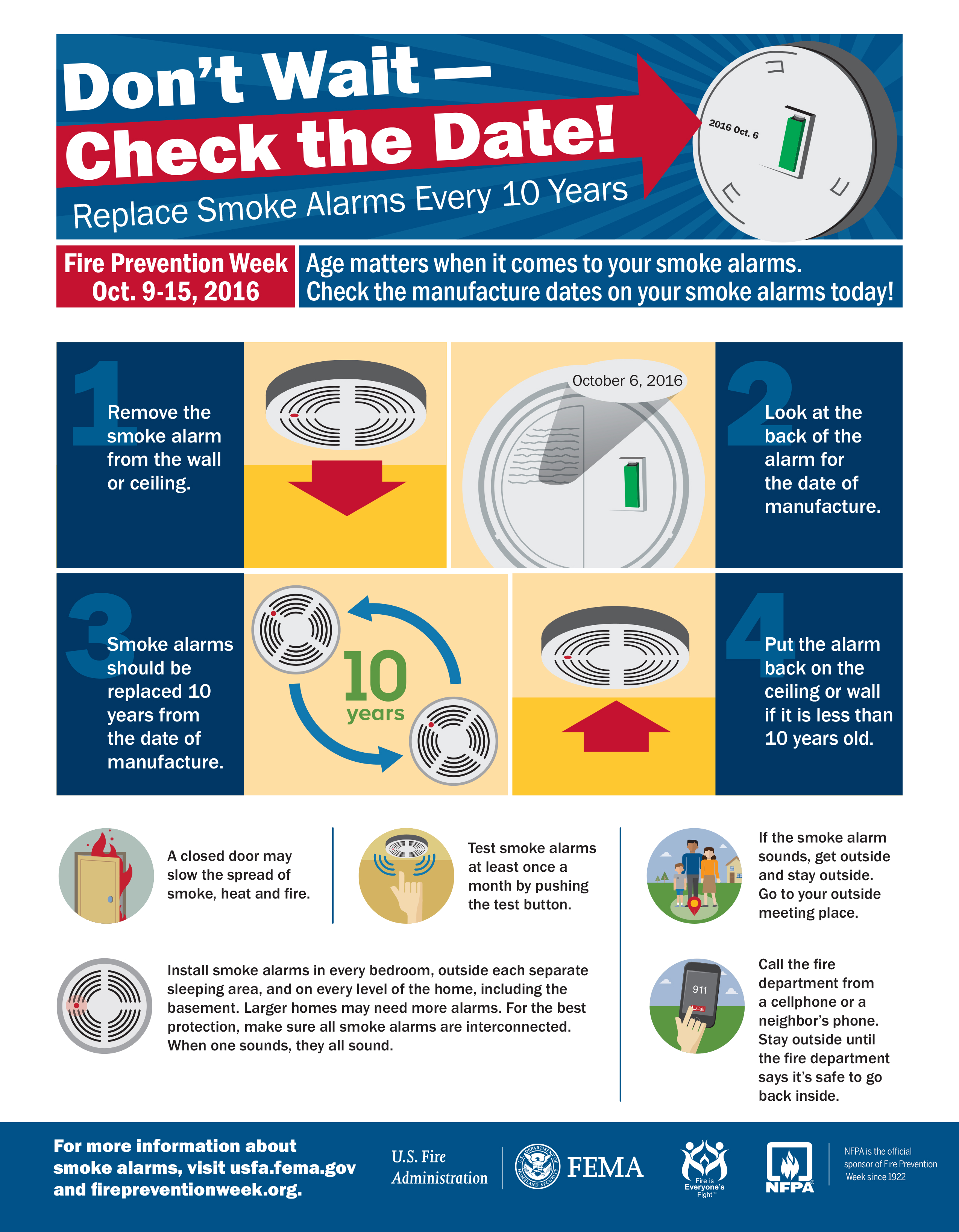
Most smoke detectors last about 8 to 10 years. After this period, their ability to detect smoke drops. Manufacturers recommend replacing detectors every decade. This rule applies to both battery-operated and hardwired models. Old detectors may give false alarms or fail to sound.
Factors Affecting Longevity
Several things affect how long a smoke detector lasts. Dust and dirt can clog sensors and reduce sensitivity. High humidity or extreme temperatures may damage internal parts. Frequent false alarms can wear out the device faster. Battery condition also matters; weak batteries can cause malfunctions.
Signs To Replace Smoke Detectors
Smoke detectors are vital for home safety. Knowing when to replace them keeps your family safe. Some signs clearly show it’s time to change your smoke detector. Watch closely for these key indicators.
Frequent False Alarms
Smoke detectors that go off without cause often need replacement. Dust or aging parts can cause false alarms. Frequent false alarms mean the detector may not work properly in a real emergency.
No Response To Testing
Test your smoke detector monthly. Use the test button to check the alarm sound. If it does not respond or makes weak noise, replacement is necessary. A non-working alarm cannot protect your home.
Physical Damage And Wear
Look for cracks, dents, or broken parts on your smoke detector. Damage can stop it from working well. Old detectors may also yellow or discolor. Physical wear shows the device is past its best.
Battery Replacement Schedule
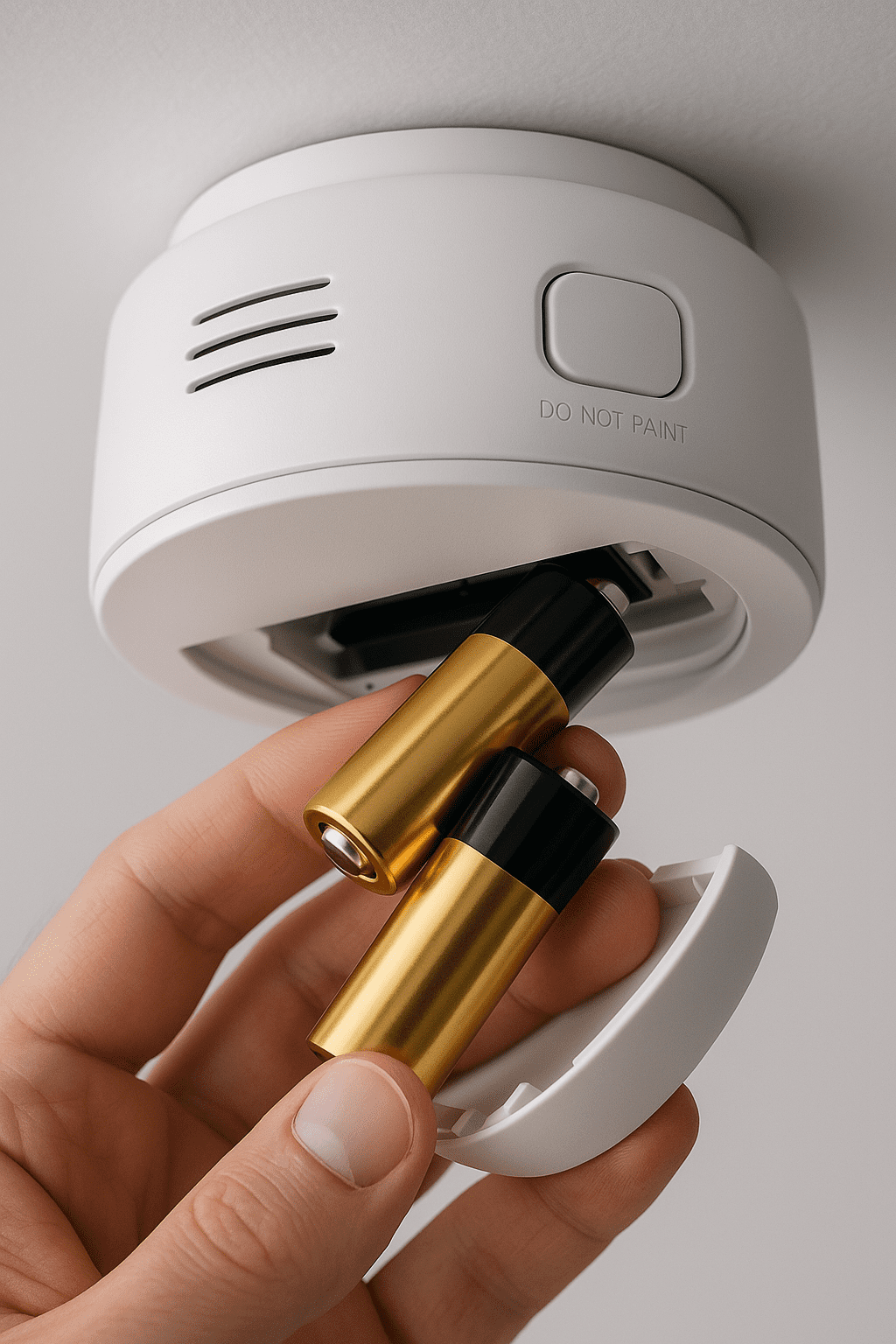
Keeping smoke detectors working means changing their batteries on time. A good battery replacement schedule helps your detector stay ready. It stops the alarm from failing when it matters most. Regular battery checks keep your home safe and sound.
Standard Battery Life
Most smoke detectors use 9-volt batteries. These batteries usually last about one year. Some models have long-life lithium batteries. These can last up to 10 years. Check your smoke detector’s manual for exact battery life.
When To Change Batteries
Change batteries once a year. Mark your calendar to remember. Some alarms beep when batteries are low. Don’t wait for the beep. Change batteries before they run out.
Choosing The Right Battery
Use batteries recommended by the manufacturer. Avoid cheap, low-quality batteries. High-quality batteries last longer and work better. Check battery type and size before buying. Proper batteries keep your detector working well.
Types Of Smoke Detectors
Smoke detectors come in different types. Each type works in a different way to detect smoke. Knowing the types helps you choose the best one for your home. It also tells you how often to change them for safety.
Ionization Vs Photoelectric
Ionization smoke detectors sense fast, flaming fires. They react quickly to small smoke particles. Photoelectric detectors spot slow, smoldering fires. They detect larger smoke particles early. Both types protect you but in different ways. Some homes use both for better safety.
Combination Alarms
Combination alarms include both ionization and photoelectric sensors. They offer wide protection against many fire types. These alarms reduce false alarms and improve safety. They usually cost more but last long. Changing them every 10 years is common advice.
Smart Smoke Detectors
Smart smoke detectors connect to Wi-Fi and your phone. They send alerts even when you are away. Some models check battery life and signal strength. These detectors often have longer lifespans. Regular updates and checks keep them working well.
Installation And Maintenance Tips
Proper installation and regular maintenance keep smoke detectors working well. These steps help detect smoke early and protect your home. Follow simple tips for placement, testing, and cleaning.
Proper Placement
Place smoke detectors on every level of your home. Install them inside and outside bedrooms. Avoid placing detectors near windows or vents. These spots can affect their performance. Keep detectors at least 10 feet from cooking appliances. This reduces false alarms.
Regular Testing
Test smoke detectors once a month. Press the test button until you hear a loud sound. Replace batteries at least once a year. Change batteries immediately if the detector beeps. This sound means the battery is low.
Cleaning Procedures
Clean smoke detectors every six months. Use a soft brush or vacuum to remove dust. Avoid using water or cleaners on detectors. Dust and dirt can block sensors. Clean detectors help them work better and last longer.
Credit: yubanet.com
Legal And Safety Standards
Smoke detectors save lives by alerting people to fire dangers early. They need regular replacement to work well. Legal and safety standards guide how often to change them. These rules help keep homes and buildings safe.
Local Regulations
Many places have laws about smoke detector replacement. These laws say how old a detector can be before it must be replaced. Some areas require checks every year. Others set a replacement time, often 10 years. Check your local rules to stay safe and legal.
Manufacturer Recommendations
Smoke detector makers test their products carefully. They give advice on how often to change the detector. Most suggest replacing detectors every 8 to 10 years. Following their advice ensures the device works properly. Always read the user manual for exact details.
Fire Department Guidelines
Fire departments provide safety tips for smoke detectors. They usually recommend replacing detectors every 10 years. Some suggest testing detectors monthly and changing batteries yearly. Fire experts stress the importance of functioning alarms. Their advice helps reduce fire risks and protect lives.
Credit: support.firstalert.com
Frequently Asked Questions
How Often Should Smoke Detectors Be Replaced?
Smoke detectors should be replaced every 10 years. Over time, sensors wear out and become less reliable. Regular replacement ensures your home stays safe from fire hazards.
When Should I Change Smoke Detector Batteries?
Change smoke detector batteries at least once a year. Replace them immediately if the detector emits a low-battery warning. Regular battery changes keep your smoke detector functioning properly.
Can I Test Smoke Detectors Myself?
Yes, you can test smoke detectors monthly. Press the test button until the alarm sounds. This simple test confirms your detector is working correctly.
What Signs Indicate Smoke Detector Replacement?
Frequent false alarms or failure to sound during tests indicate replacement. Also, if your smoke detector is over 10 years old, it’s time to replace it. These signs show your detector may not function properly.
Conclusion
Smoke detectors protect your home and family every day. Change them every 10 years for best safety. Old detectors may stop working when you need them most. Test your smoke alarms monthly to keep them ready. Replace batteries once a year or when low.
Stay safe by following these simple steps. Small actions can prevent big dangers. Keep your home secure and your mind at ease. Safety should never be ignored or delayed.