Have you ever been kept awake by that annoying chirping sound from your smoke detector but couldn’t figure out which one it was? That tiny beep can be more than just a nuisance—it’s your smoke detector’s way of telling you something needs attention.
But when you have multiple detectors around your home, pinpointing the source can feel like a frustrating game of hide and seek. Don’t worry—you’re not alone, and this guide will help you quickly identify which smoke detector is chirping. Keep reading to stop the noise and make sure your home stays safe.
Credit: support.firstalert.com
Why Smoke Detectors Chirp
Smoke detectors make a chirping sound to alert you about issues. This sound is a warning that needs your attention. Knowing why your smoke detector chirps helps keep your home safe. The chirp can mean different things depending on the cause.
Low Battery Signals
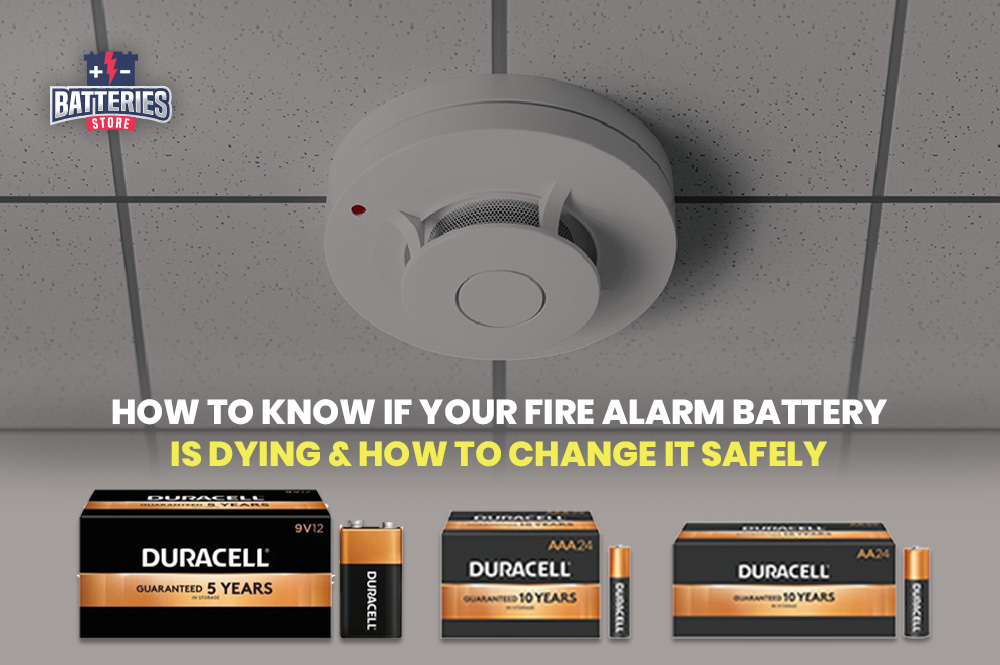
A common reason for chirping is a low battery. Smoke detectors need batteries to work properly. When the battery runs low, the detector starts to chirp. This sound repeats every minute or so. Replacing the battery stops the chirping and keeps the detector active.
End Of Life Alerts
Smoke detectors do not last forever. Most need replacement every 8 to 10 years. When a detector nears its end, it chirps to alert you. This warning means the detector can no longer protect you well. Installing a new smoke detector is the best solution.
Environmental Factors
Sometimes, smoke detectors chirp due to the environment. High humidity or dust can cause false alarms or chirps. Extreme temperatures also affect detector performance. Regular cleaning and placing detectors properly reduce these issues. This keeps your detector working correctly without false warnings.
Credit: batteriesstore.ca
Identifying The Chirping Detector
Hearing a smoke detector chirp can be annoying and confusing. The sound warns you about low batteries or other issues. Finding the exact detector that chirps helps you fix the problem fast. This section shows simple ways to identify which smoke detector is causing the noise.
Listening For The Source
Stop and listen carefully to the chirping sound. Try to locate the area where the noise is loudest. Walk close to each smoke detector in your home. The closest one to the noise is likely the source. The sound might be soft, so stay quiet and patient.
Checking Each Unit
Check every smoke detector in your house. Look for blinking lights or signs of low battery. Press the test button on each unit to hear if it beeps. If a unit chirps after testing, that is probably the problem. Replace the battery or clean the detector as needed.
Using A Process Of Elimination
Turn off power to hardwired smoke detectors if possible. Remove batteries from wireless units one by one. Watch when the chirping stops to find the faulty detector. Replace batteries or the entire unit to end the noise. This method takes time but works well.
Common Quick Fixes
Chirping smoke detectors can be annoying and worrying. They often signal a small issue that you can fix yourself. Understanding simple quick fixes can help stop the noise fast. These steps keep your home safe and your mind calm.
Replacing The Battery
Most chirps happen because the battery is low. Open the smoke detector cover carefully. Take out the old battery and put in a new one. Use the right type for your model. Press the test button to check if it works. Close the cover securely. The chirping should stop after this.
Resetting The Detector
Sometimes the detector needs a reset to stop chirping. Find the reset button on the unit. Press and hold it for 15 to 20 seconds. Wait for the light to blink or the sound to pause. This resets the detector’s system. If it still chirps, try replacing the battery next.
Cleaning The Unit
Dust and dirt can cause false chirping. Use a soft brush or vacuum cleaner on the unit. Remove dust from vents and sensors gently. Avoid using water or cleaning sprays. Clean the detector every few months to keep it working well. This simple step can prevent many issues.
When To Replace Your Smoke Detector
Knowing when to replace your smoke detector is key to home safety. Smoke detectors do not last forever. Over time, their sensors wear out and may fail to alert you during a fire.
Chirping sounds often mean the detector needs attention. It could signal low batteries or a deeper issue. Understanding when to replace the whole unit helps keep your home safe.
Detector Age Limits
Most smoke detectors last about 8 to 10 years. Check the manufacturing date on the back of the device. If the detector is older than 10 years, it is time to replace it. Old detectors might not detect smoke properly anymore.
Persistent Chirping Issues
Chirping can mean low batteries, but it can also mean the detector is failing. If you change batteries and the chirp continues, consider replacement. Persistent chirping suggests the unit might not work well in an emergency.
Upgrading To New Models
New smoke detectors have better technology and improved safety features. Some models can connect to your phone or home system. Upgrading ensures you get the best protection and peace of mind.
Tips To Prevent Future Chirping
Chirping smoke detectors can be annoying and confusing. They signal a problem that needs attention. Preventing future chirps helps keep your home safe and quiet. Follow simple tips to avoid these interruptions and ensure your detectors work well.
Regular Maintenance Schedule
Check your smoke detectors every month. Clean dust and debris from each unit. Use a vacuum or a soft brush. Test detectors by pressing the test button. Replace any faulty alarms immediately. A regular schedule keeps detectors reliable and quiet.
Proper Placement Of Detectors
Install smoke detectors in the right spots. Avoid placing them near kitchens or bathrooms. Steam and cooking smoke cause false alarms. Place detectors on ceilings or high walls. Keep them away from windows and vents. Correct placement reduces unwanted chirping.
Battery Replacement Best Practices
Change batteries at least once a year. Use fresh, high-quality batteries for best results. Remove old batteries completely before adding new ones. Mark replacement dates on a calendar or alarm. Replace batteries immediately when you hear chirping. Proper battery care stops low battery warnings.
Credit: expresselectricalservices.com
Frequently Asked Questions
How To Identify Which Smoke Detector Is Chirping?
Listen carefully for the chirping sound, then approach each detector. The chirping usually comes from the device with a low battery or malfunction.
Why Does My Smoke Detector Keep Chirping Intermittently?
Intermittent chirping often signals a low battery or dust inside the detector. Regular maintenance and battery replacement usually resolve this issue.
Can Multiple Smoke Detectors Chirp At Once?
Yes, if multiple detectors share a low battery or are connected, they may chirp simultaneously. Check each unit individually to find the source.
How Often Should Smoke Detector Batteries Be Replaced?
Replace batteries at least once a year or when chirping starts. Regular replacement ensures your smoke detectors work effectively and safely.
Conclusion
A chirping smoke detector needs quick attention. Find the source by listening carefully to each unit. Replace old batteries or clean the device to stop the noise. Regular checks keep your home safe and quiet. Don’t ignore the sound; it warns you of potential issues.
Stay calm and act fast to fix the problem. Peace of mind comes from knowing your detectors work well. Keep your family safe by maintaining your smoke alarms. Simple steps make a big difference in safety.