
You rely on your hard wired smoke detectors to keep your home safe. But do you know how often you should change their batteries?
Ignoring this simple task could put your family at risk without you even realizing it. You’ll discover exactly when and why you need to replace those batteries to keep your smoke detectors working perfectly. Keep reading to ensure your home stays protected every day.
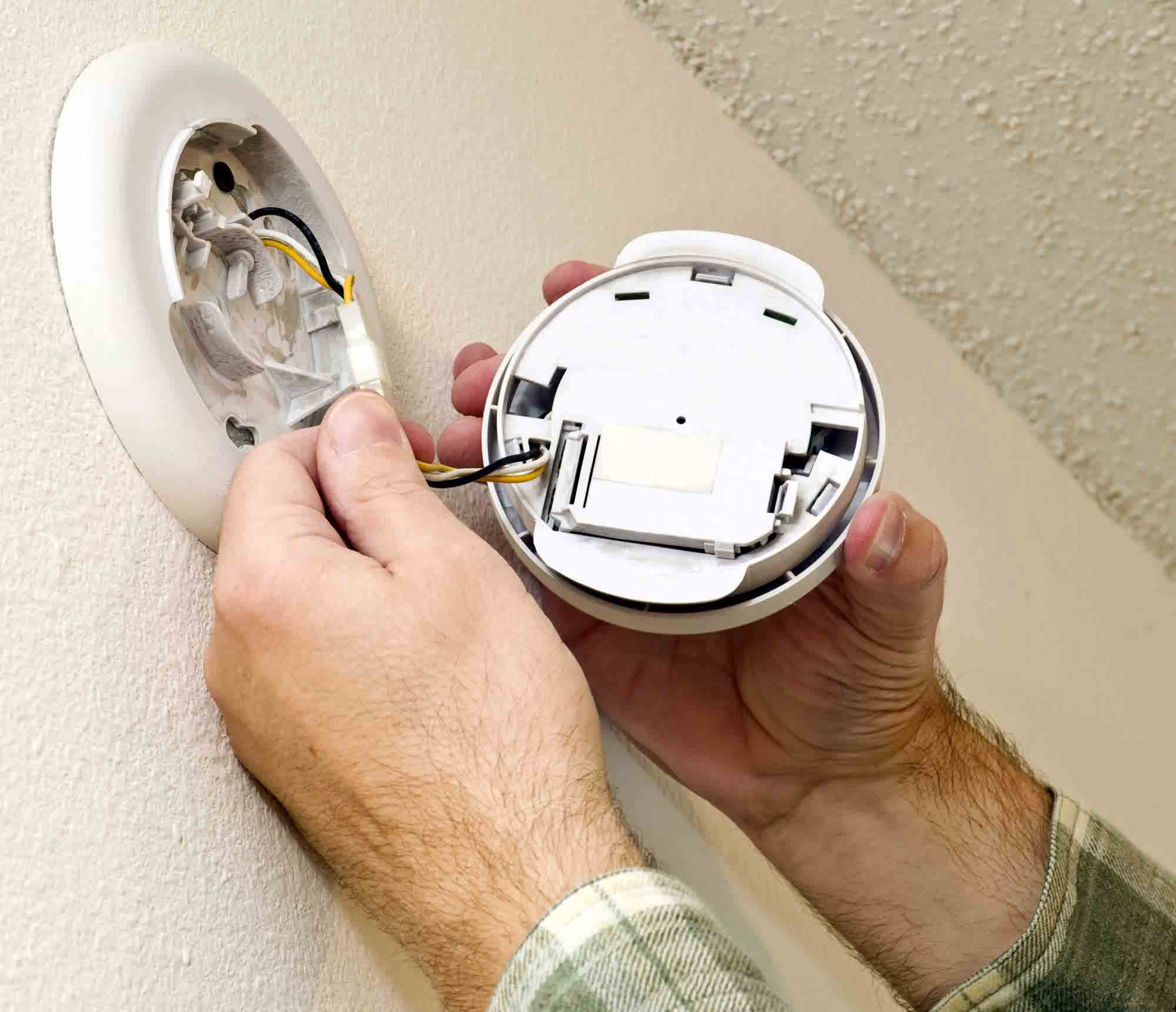
Credit: www.swflelectric.com
Hard Wired Smoke Detectors Basics
Hard wired smoke detectors are common safety devices in many homes. They connect directly to your home’s electrical system. This connection keeps them powered at all times. Understanding their basics helps you maintain them properly. It also ensures your home stays safe from fire hazards.
How They Work
Hard wired smoke detectors use electrical wiring for power. They continuously monitor the air for smoke particles. Once smoke is detected, they sound a loud alarm. This alerts everyone in the house to evacuate quickly. The wiring also links multiple detectors, so all alarms sound together.
Battery Backup Role
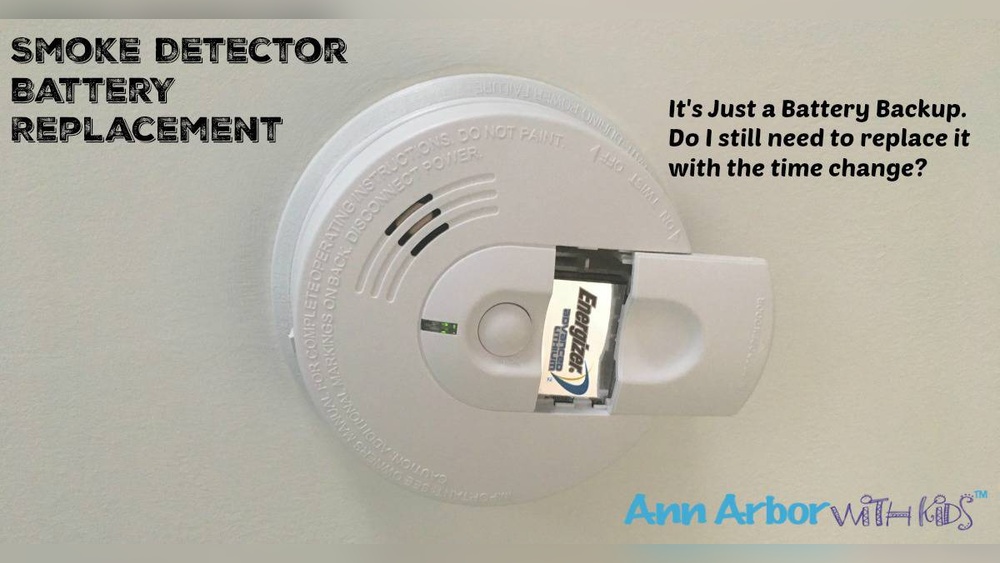
Even though they use electricity, hard wired detectors have backup batteries. These batteries work during power outages. They keep the alarm functioning without electricity. This backup is crucial for safety at night or during storms. Regular battery checks and replacements keep the backup ready to work.
Battery Replacement Frequency
Hard wired smoke detectors usually have backup batteries. These batteries keep the alarm working during power outages. Knowing when to change these batteries is important. It keeps your home safe and your alarm reliable. Let’s explore how often you should replace these batteries.
Manufacturer Recommendations
Check the manual that came with your smoke detector. Most manufacturers suggest changing backup batteries once a year. Some newer models use long-life batteries that last up to 10 years. Always follow the specific advice for your device. This ensures the best performance and safety.
Signs Batteries Need Changing
Your smoke detector will alert you when batteries are low. It often makes a quick beep every minute or so. This sound means the battery is weak and must be replaced soon. Also, a dim or no light on the detector can indicate a battery issue. Don’t ignore these signals. Replace the battery immediately to stay protected.
Choosing The Right Batteries
Choosing the right batteries for your hard-wired smoke detector is important. The right battery keeps your alarm working during power outages. It also helps the detector last longer without false alerts. Not all batteries work the same. Some fit better, last longer, or are safer. Picking the correct type makes a big difference in safety and performance.
Learn about battery types and how long they usually last. This helps you know when to change them for the best protection.
Battery Types Compatible
Most hard-wired smoke detectors use 9-volt batteries as backups. Some models may need AA or AAA batteries. Check your smoke detector’s manual for the exact type. Use only batteries marked as compatible. Avoid mixing old and new batteries. Use batteries from trusted brands for safety and reliability.
Battery Life Expectations
Battery life depends on the type and quality. A typical 9-volt battery lasts about one year in a smoke detector. Lithium batteries can last up to ten years. Alkaline batteries are cheaper but last less time. Replace batteries as soon as you hear the low battery beep. Regular checks help avoid dead batteries during power outages.
Credit: www.familyhandyman.com
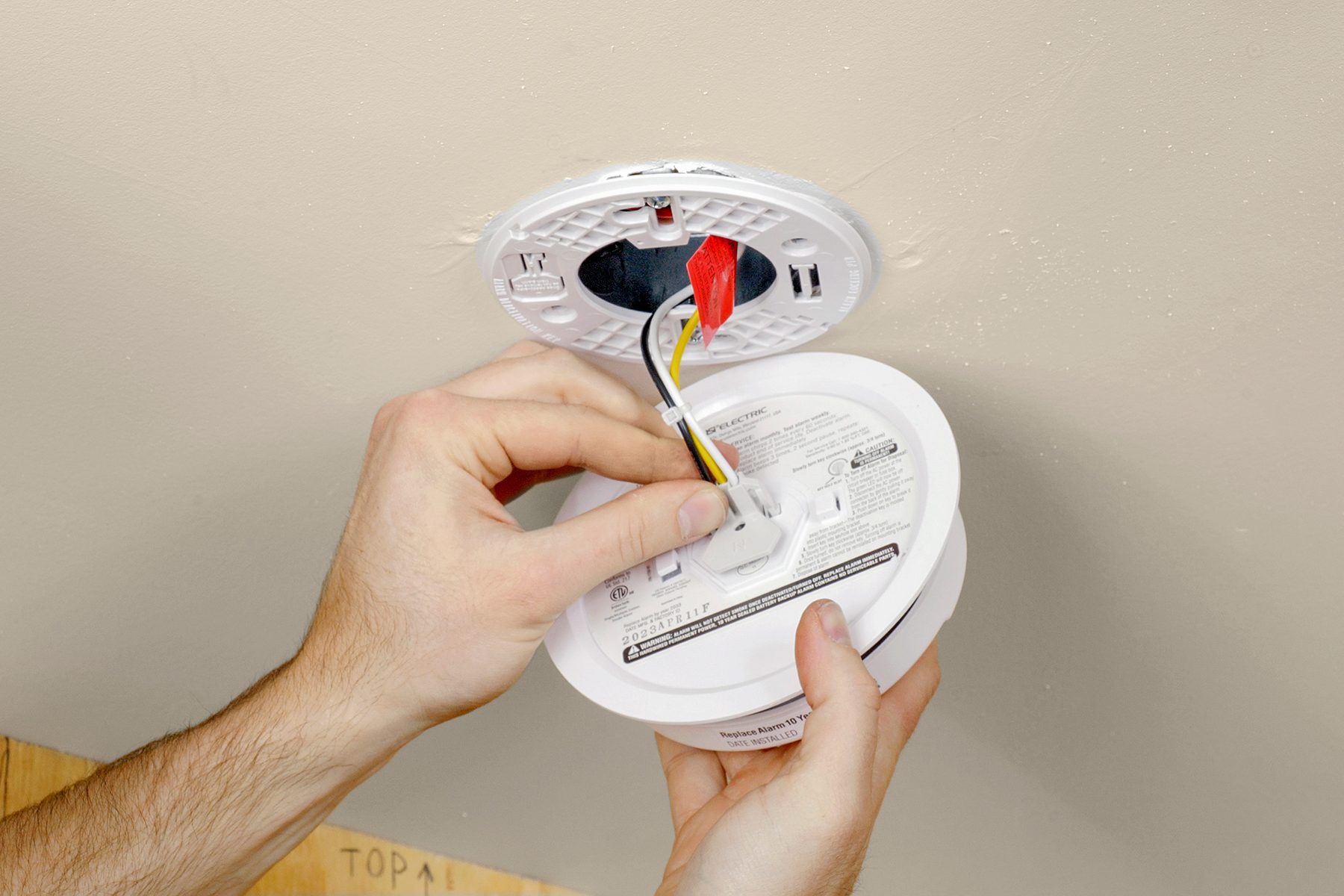
Step-by-step Battery Replacement
Maintaining your hard wired smoke detector is key to keeping it ready to protect your home. Regular care helps the device work well and last longer. This means checking its parts and keeping it clean. Doing these small tasks can prevent problems and save lives.
Regular Testing
Test your smoke detector once a month. Press the test button until the alarm sounds loud. This checks the battery and sensor. If no sound comes, replace the battery or fix the device. Regular tests ensure the smoke detector is ready in an emergency.
Cleaning Tips
Dust and dirt can block the smoke sensor. Use a soft brush or vacuum cleaner to clean the detector. Do this every six months. Avoid using water or spray cleaners. Keeping the detector clean helps it detect smoke faster and work better.
Maintaining Smoke Detector Performance
Hard wired smoke detectors are reliable but may face issues over time. Knowing common problems helps keep your home safe. Troubleshooting is key to fixing these issues quickly. Regular checks can prevent false alarms and detector failures.
Chirping Sounds
A chirping sound usually means the battery is low or missing. Even hard wired detectors have backup batteries that need changing. Dust or debris inside the detector can also cause chirps. Clean the detector gently with a soft brush or cloth. Replace the battery if chirping continues after cleaning. Sometimes, loose wiring leads to chirping sounds. Check connections and tighten if needed.
Detector Malfunctions
Detectors may stop working due to power issues or sensor problems. Ensure the detector is connected to the power supply. A tripped circuit breaker can cause power loss. Replace the backup battery every year to avoid malfunctions. Sensors can get dirty or damaged over time. Clean the sensor area carefully and test the detector. If it still fails, consider replacing the unit for safety.
Common Issues And Troubleshooting
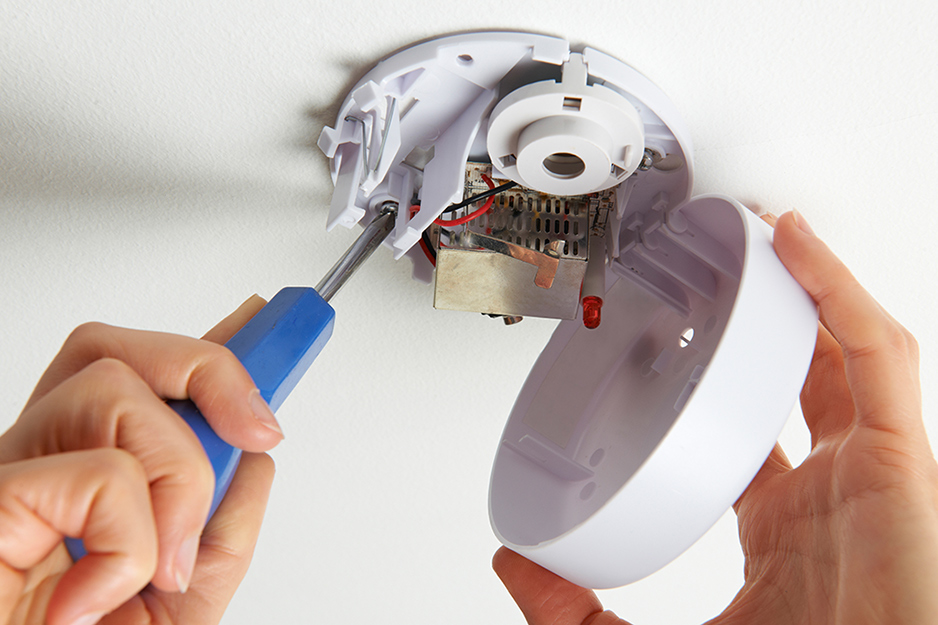
Knowing when to replace the entire hard wired smoke detector is crucial for home safety. Batteries may be easy to change, but the unit itself has a limited lifespan. Over time, sensors weaken and may fail to detect smoke properly. Replacing the whole unit ensures your home stays protected. Regular checks help identify when it’s time for a new smoke detector.
Lifespan Of Smoke Detectors
Most hard wired smoke detectors last about 8 to 10 years. After this period, their sensors lose sensitivity. Dust and debris can also affect performance. Old detectors might not alert you during a fire. Check the manufacture date on the unit. If it’s older than 10 years, replace it immediately.
Upgrading To Newer Models
New smoke detectors have better technology and improved sensors. Some models include carbon monoxide detection for extra safety. Upgrading can also mean easier installation and maintenance. Many new units come with longer battery life. Consider replacing old units with modern, reliable models for peace of mind.
Credit: www.homedepot.com
Frequently Asked Questions
How Often Should Hard Wired Smoke Detector Batteries Be Changed?
Hard wired smoke detector batteries should be replaced once a year. This ensures the backup power works during outages. Regular replacement maintains safety and device reliability.
Can I Use Any Battery Type In Hard Wired Smoke Detectors?
No, use only the manufacturer-recommended battery type. Typically, 9-volt or lithium batteries are specified. Using incorrect batteries may cause malfunction or damage.
What Are Signs That Smoke Detector Batteries Need Replacement?
Frequent chirping or low battery alerts indicate replacement is needed. Dim or no response during tests also signals weak batteries. Replace immediately to ensure full protection.
Is It Necessary To Change Batteries If The Detector Is Hard Wired?
Yes, even hard wired detectors have backup batteries. These batteries keep the alarm functional during power failures. Changing them annually is crucial for continuous safety.
Conclusion
Changing hard wired smoke detector batteries regularly keeps your home safe. Check batteries at least once a year to avoid failures. Replace batteries immediately if the detector beeps or shows warnings. Testing detectors monthly helps catch problems early and saves lives.
Proper battery care means your smoke detector works when needed most. Stay alert and protect your family with simple battery checks. Safety starts with small, regular steps everyone can follow.