Have you ever stopped to think about when you last replaced your smoke detector? It’s easy to forget, but this small device plays a huge role in keeping you and your loved ones safe.
Knowing how often to replace your smoke detector could be the difference between early warning and disaster. You’ll discover the simple steps to make sure your smoke detector is always ready to protect you. Keep reading—your safety depends on it.

Credit: mammothsecurity.com
Smoke Detector Lifespan
Smoke detectors save lives by warning about fire dangers early. Knowing their lifespan helps keep your home safe. Smoke detectors do not last forever. Over time, their sensors wear out and become less reliable. Replacing them at the right time ensures they work when needed most.
Typical Replacement Timeline
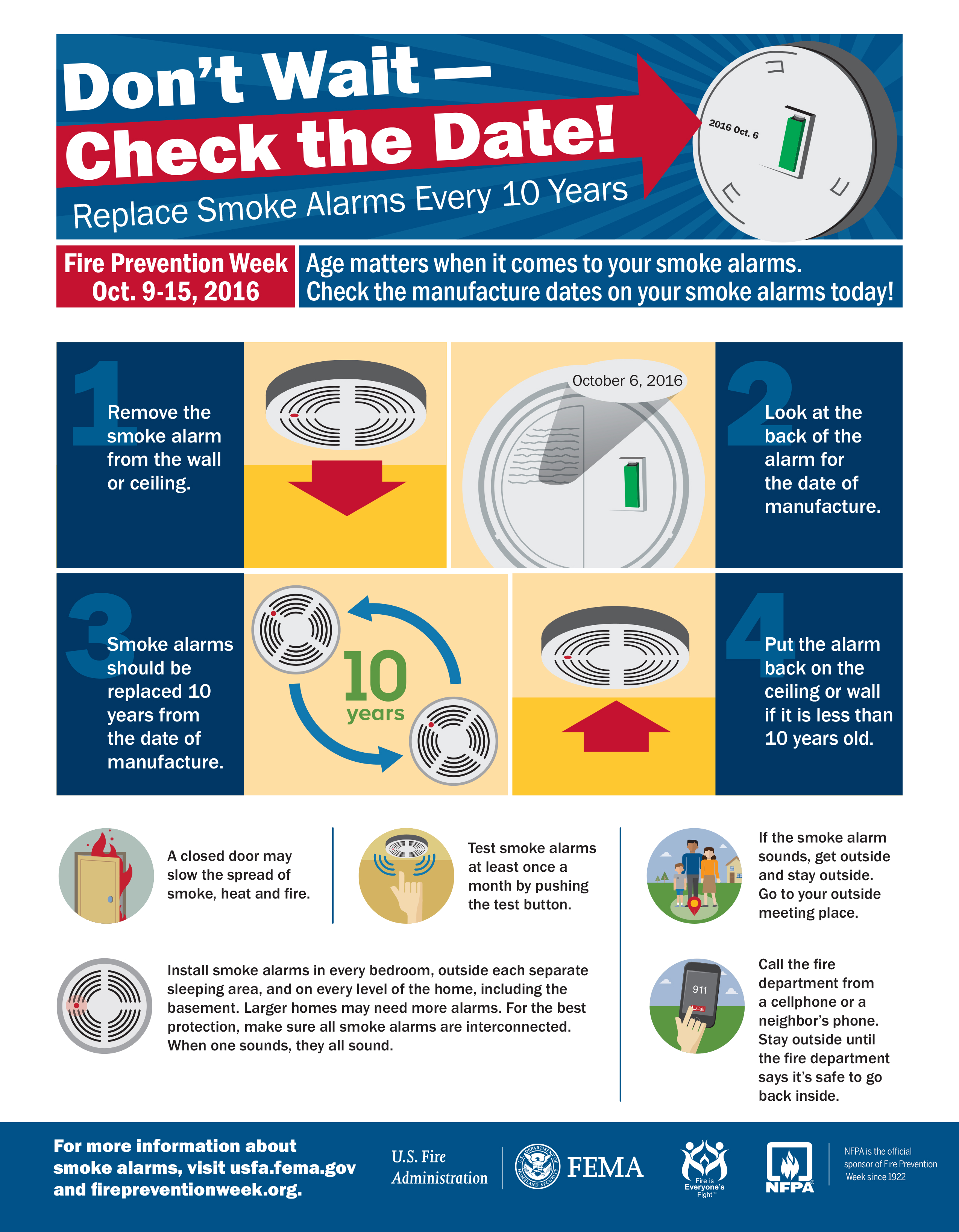
Most smoke detectors last about 10 years. After this time, sensors become less sensitive. Batteries alone do not extend their life. Some models have sealed batteries that last 10 years too. Check the manufacture date on the detector’s back. Plan to replace the detector once it passes 10 years.
Signs Your Detector Needs Replacement
Frequent false alarms can mean sensor problems. The detector may beep randomly or without smoke. No response to smoke or testing signals a fault. Physical damage like cracks or missing parts is a clear sign. Yellowing or discoloration can also indicate aging. Replace the detector immediately if you notice these signs.
Credit: yubanet.com
Battery Replacement
Battery replacement is a key part of keeping smoke detectors working well. Without fresh batteries, these devices cannot alert you during a fire. Regularly changing batteries helps avoid false alarms and keeps your home safe.
Smoke detectors often beep to warn about low battery power. Ignoring this sound can risk your safety. Knowing when and how to replace the batteries is essential for all homeowners.
When To Change Batteries
Change smoke detector batteries at least once a year. Some experts suggest doing it during daylight saving time changes. This creates a good routine to remember.
Also, replace batteries immediately if the alarm beeps or chirps. This noise means the battery is weak and needs a new one.
Choosing The Right Battery Type
Use batteries recommended by the smoke detector manufacturer. Most devices need 9-volt or AA batteries. Check the user manual or device label for details.
Opt for high-quality batteries to ensure longer life. Avoid old or used batteries, as they drain quickly. Proper battery choice improves the smoke detector’s reliability.
Maintenance Tips
Regular maintenance keeps your smoke detector working well. It helps catch problems early. This section shares simple tips to maintain your device.
Cleaning Your Detector
Dust and dirt can block the smoke sensor. Clean your detector every six months. Use a soft brush or vacuum with a soft nozzle. Avoid using water or cleaners. Keep the device dry and free of debris.
Testing For Proper Function
Test your smoke detector monthly. Press the test button until you hear a loud beep. The sound means the alarm is working. Replace batteries if the sound is weak or missing. Regular tests ensure your safety and peace of mind.

Credit: annarborwithkids.com
Types Of Smoke Detectors
Smoke detectors come in different types, each designed to detect smoke in a unique way. Knowing the types helps you choose the right detector for your home. It also guides you on when to replace them for safety.
Ionization Vs. Photoelectric
Ionization smoke detectors work best for fast, flaming fires. They detect small smoke particles quickly. Photoelectric detectors sense larger smoke particles from smoldering fires. They give earlier warnings for slow, smoky fires. Both types have strengths in different fire situations. Many homes use a mix of both for better protection.
Advantages Of Combination Alarms
Combination alarms use both ionization and photoelectric sensors. They provide broader fire detection coverage. These alarms reduce the chance of false alarms. They alert you to both fast and slow fires. Combination alarms simplify home safety by covering multiple risks. They often last longer and need less frequent replacement.
Placement And Installation
Proper placement and installation of smoke detectors are key to their effectiveness. A well-placed smoke detector can save lives by alerting you early. Incorrect installation can cause false alarms or fail to detect smoke. Understanding where and how to install smoke detectors keeps your home safer.
Ideal Locations In Your Home
Install smoke detectors inside each bedroom and outside sleeping areas. Place one on every level of the home, including the basement. Mount detectors on the ceiling or high on the wall. Keep them at least 10 feet away from cooking appliances. Avoid placing detectors near windows or vents where drafts might interfere.
Avoiding Common Installation Mistakes
Do not install smoke detectors in bathrooms or kitchens. Steam and cooking smoke can cause false alarms. Avoid placing detectors near ceiling fans or air ducts. Do not paint over smoke detectors. Check the manufacturer’s instructions for the right height and location. Test detectors monthly to ensure they work properly.
Upgrading Your Smoke Detector
Upgrading your smoke detector is an important step to keep your home safe. Older models might not work well after years of use. New smoke detectors come with better features and higher accuracy. Replacing old devices can help you avoid false alarms and detect smoke faster. Modern alarms also offer easier maintenance and longer battery life. Consider upgrading to improve your home’s safety and your peace of mind.
Smart Smoke Alarms
Smart smoke alarms connect to your phone for real-time alerts. They notify you even when you are away from home. Some models can tell the difference between smoke and steam. These alarms often have voice alerts that give clear warnings. Smart alarms allow quick responses and reduce false alarms. They make home safety more convenient and reliable.
Interconnected Systems Benefits
Interconnected smoke detectors link all alarms in your house. When one alarm senses smoke, all alarms sound. This feature alerts everyone quickly, no matter where they are. It is especially helpful in large homes. Interconnected systems increase safety by providing early warnings. They help everyone escape safely during an emergency.
Legal And Safety Guidelines
Knowing the legal and safety rules helps keep your home safe. Smoke detectors save lives by warning about fires early. They must be replaced regularly to work well. Following laws and manufacturer advice is very important. This section explains the key rules about smoke detector replacement.
Local Regulations
Each area has its own rules for smoke detectors. Some places require replacing detectors every 10 years. Others may ask for checks more often. Local fire departments or government websites give clear guidance. Following these rules keeps your home legal and safe. It also ensures your detector works when needed.
Manufacturer Recommendations
Manufacturers provide specific advice for their smoke detectors. Usually, they suggest replacing detectors after 10 years. Some models may have shorter or longer lifespans. Always read the user manual for exact details. Following these tips helps avoid false alarms and failures. It keeps your detector ready to protect your family.
Frequently Asked Questions
How Often Should I Replace Smoke Detectors?
Smoke detectors should be replaced every 10 years. After this period, their sensors may fail. Regular replacement ensures reliable fire detection and safety.
Why Do Smoke Detectors Need Replacing?
Over time, smoke detectors lose sensitivity. Dust and sensor wear reduce effectiveness. Replacing them maintains proper function and protects your home.
Can I Extend Smoke Detector Lifespan?
Regular maintenance helps but can’t extend lifespan beyond 10 years. Test monthly and change batteries yearly to ensure peak performance.
What Are Signs A Smoke Detector Needs Replacing?
Frequent false alarms, no response during tests, or physical damage indicate replacement is needed. Aging detectors may also beep intermittently.
Conclusion
Smoke detectors keep your home safe from fire dangers. Replace them every 10 years to ensure they work well. Old detectors may fail during emergencies. Test your smoke alarm monthly to check its status. Change batteries once a year or when it beeps.
Staying alert helps protect your family and property. Don’t wait for signs of failure—act early. Safety is simple with regular smoke detector care. Keep your home secure and peace of mind strong.