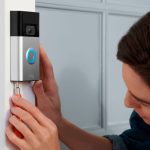
Have you ever wondered how many video doorbells have been sold worldwide? If you’re thinking about getting one for your home, knowing how popular these devices are can help you understand why so many people trust them.
Video doorbells are changing the way we protect our homes and stay connected with visitors. You’ll discover the surprising numbers behind their sales and what that means for you. Keep reading to find out just how big this trend really is—and why it might be time for you to join in.

Credit: www.sdmmag.com
Video Doorbell Market Growth
The video doorbell market has expanded rapidly over recent years. More people choose video doorbells for home security and convenience. This growth reflects changes in technology and homeowner needs.
Sales numbers show strong interest worldwide. Understanding market growth helps businesses and consumers see trends clearly.
Global Sales Trends
Global sales of video doorbells have increased steadily. North America leads in adoption, followed by Europe and Asia. Urban areas show higher demand due to security concerns. Online sales platforms have boosted availability and reach. The rise in smart home devices supports overall market expansion.
Yearly Growth Rates
The market grows at an average rate of 15-20% annually. Early years saw slower adoption, but recent years show faster growth. New product launches drive consumer interest each year. Seasonal sales peaks often occur during holidays and promotions.
Key Market Drivers
Security concerns remain the top reason for buying video doorbells. Easy installation and smartphone integration attract many buyers. Falling prices have made devices accessible to more people. Increasing awareness of smart home benefits supports demand. Advances in camera technology improve product appeal.

Credit: www.amazon.com
Top Video Doorbell Brands
Video doorbells have become common in many homes. People want to see visitors without opening the door. This demand has helped several brands grow fast. These brands offer different features and prices. Let’s explore the top video doorbell brands and their market presence.
Understanding these brands helps you choose the right doorbell. It also shows how many have been sold worldwide. The market is competitive, with many options for buyers.
Leading Manufacturers
Some companies lead the video doorbell market. Ring is one of the first and most known brands. Nest, owned by Google, also sells popular models. Arlo and Eufy have gained attention for quality and features. These manufacturers focus on security and easy use.
Each brand offers unique designs and smart functions. Customers pick based on price, style, and technology. The competition pushes brands to improve constantly.
Market Share Breakdown
Ring holds the largest share of video doorbell sales. It controls about 30% of the global market. Nest follows with nearly 20%. Arlo and Eufy share smaller but growing parts. Other brands fill the remaining market with niche products.
Sales numbers show strong growth year after year. Consumers trust familiar brands for home safety. The market share reflects brand popularity and product reliability.
Popular Models
Ring Video Doorbell 4 is popular for ease of use. Nest Hello offers clear video and smart alerts. Arlo Essential stands out with good battery life. Eufy Security Doorbell is known for no monthly fees.
These models suit different needs and budgets. Buyers choose based on features like video quality and app control. Popular models help brands maintain their market positions.
Consumer Demographics
Understanding who buys video doorbells helps explain their popularity. Consumer demographics show clear patterns in buyers’ age, income, and location. This data reveals why video doorbells sell well in certain groups and areas. It also shows how people use these devices daily.
Age And Income Groups
Most buyers are between 30 and 50 years old. This group values home security and technology. Younger buyers under 30 often prefer smart home bundles, including video doorbells. Higher-income households buy video doorbells more often. They can afford added security and convenience. Middle-income families also show strong interest but choose mid-range models. Lower-income groups buy fewer video doorbells due to cost.
Regional Preferences
Urban areas have the highest video doorbell sales. Dense neighborhoods increase the need for security. Suburban buyers also invest in video doorbells for safety and package monitoring. Rural regions show lower sales. They rely more on traditional security methods. Sales spike in regions with higher crime rates. Weather and internet access also affect regional popularity.
Usage Patterns
Most users install video doorbells at front doors. They use live video to see visitors. Notifications alert homeowners about package deliveries. Many use two-way audio to speak through the doorbell. Night vision and motion detection are popular features. Some users link doorbells to other smart devices. Video doorbells serve as both security and convenience tools.
Technological Advances
Technological advances have played a big role in the growth of video doorbell sales. New features make these devices more useful and attractive to buyers. Each update adds value to the home security experience. This keeps customers interested and drives demand higher.
Features Boosting Sales
Video doorbells now come with high-definition video and two-way audio. Motion detection alerts homeowners instantly. Night vision helps see visitors clearly in the dark. These features make video doorbells more reliable and user-friendly. Buyers feel safer and more connected to their homes.
Integration With Smart Homes
Most video doorbells connect easily to smart home systems. They work with voice assistants like Alexa and Google Assistant. Users control doorbells with simple voice commands. Integration allows syncing with lights and alarms. This convenience attracts tech-savvy buyers and increases sales.
Security Improvements
Video doorbells now offer encrypted video streams for privacy. Cloud storage keeps video recordings safe and accessible. Some models include facial recognition to reduce false alerts. These security upgrades build trust among users. People prefer devices that protect their homes effectively.
Future Market Projections
The market for video doorbells continues to expand steadily. More people want easy, safe ways to watch their front doors. This demand pushes sales higher every year. Experts expect this growth to last for several years. The future will show new buyers and new uses for video doorbells. Technology changes will also shape this market’s path forward.
Expected Sales Growth
Sales of video doorbells are set to rise sharply. Experts predict annual growth rates between 10% and 15%. More homeowners choose video doorbells for security and convenience. Urban and suburban areas show strong demand. Increased awareness of smart home devices drives sales too. Retailers and online platforms expand their offerings. This makes video doorbells easier to buy worldwide.
Emerging Trends
New features attract more buyers every year. Integration with other smart home devices is popular. Voice control and AI-based alerts improve user experience. Solar-powered and battery-efficient models appear in the market. Some brands focus on stylish designs to fit home decor. More affordable models reach wider audiences. The trend toward DIY installation continues to grow.
Potential Challenges
Privacy concerns may slow down some buyers. Users worry about data security and hacking risks. Technical issues like connectivity problems can frustrate customers. Competition among brands keeps prices under pressure. Some regions face regulatory restrictions on camera use. Maintenance and battery life remain points of concern. Companies must address these challenges to maintain growth.
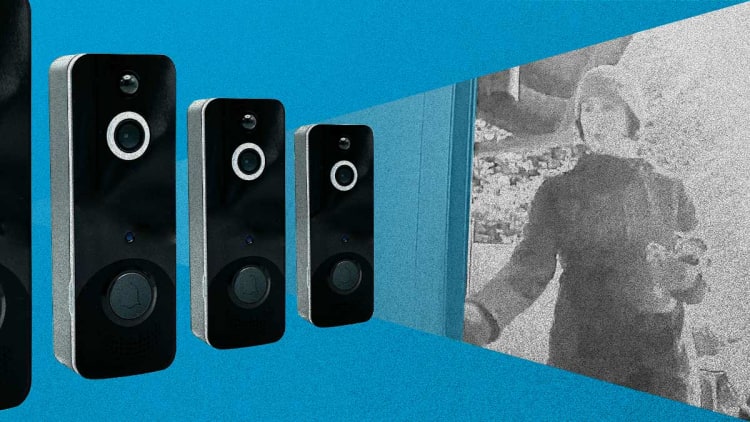
Credit: www.consumerreports.org
Frequently Asked Questions
How Many Video Doorbells Have Been Sold Worldwide?
Over 50 million video doorbells have been sold globally as of 2023. The market grows rapidly due to increased home security demand. Smart home integration boosts their popularity among consumers.
Which Brands Lead Video Doorbell Sales?
Ring, Nest, and Arlo dominate video doorbell sales. These brands offer advanced features like HD video, motion detection, and app connectivity. Their strong reputations drive consumer trust and high sales volumes.
What Factors Drive Video Doorbell Sales Growth?
Rising home security awareness and smart home trends fuel sales growth. Ease of installation and remote monitoring attract homeowners. Additionally, falling prices and improved technology make video doorbells accessible to more buyers.
Are Video Doorbells More Popular In Certain Regions?
Yes, North America and Europe have the highest video doorbell sales. High security concerns and tech adoption rates contribute to this trend. Sales are expanding in Asia-Pacific due to growing urbanization and smart home interest.
Conclusion
Video doorbells have become very popular worldwide. Millions of units have been sold in recent years. People like the safety and convenience they provide. The demand keeps growing as technology improves. More homes add video doorbells every day. This trend shows no signs of slowing down.
Choosing the right model depends on your needs. Stay informed to pick a device that fits you best. Video doorbells are now a common part of home security. Simple, useful, and widely used by many.