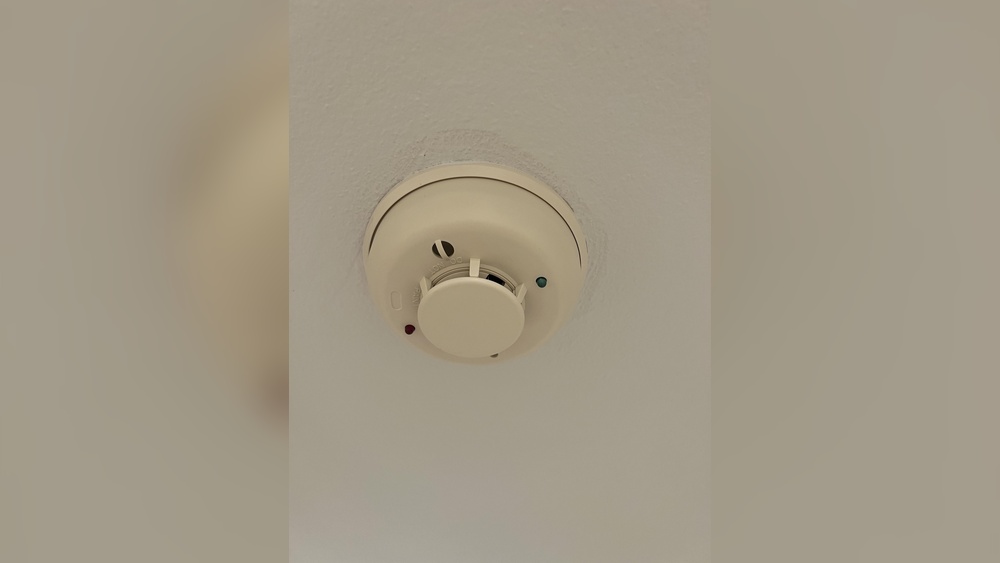

Your home’s safety depends a lot on your smoke detectors. But do you know if your hardwired smoke detector is actually working right now?
Testing it regularly is the only way to be sure it will alert you during an emergency. You’ll learn simple, step-by-step methods to test your hardwired smoke detector quickly and safely. By the end, you’ll feel confident that your detector is ready to protect you and your loved ones.
Keep reading to discover how easy it is to ensure your home stays safe.
Importance Of Testing Smoke Detectors
Testing hardwired smoke detectors is essential for home safety. These devices protect lives by detecting smoke early. Regular tests ensure they work properly and alert you to danger. Without testing, smoke detectors might fail when needed the most.
Many people forget to test smoke detectors. Some assume they work just because they are installed. This assumption can be risky. Faulty detectors can lead to severe consequences during a fire.
Why Regular Testing Saves Lives
Smoke detectors warn you about fire before it spreads. Early warning gives time to escape safely. Regular testing confirms the alarm sounds loud and clear. It helps catch problems early before they become dangerous.
Common Issues Found During Testing
Tests reveal dead batteries even in hardwired units. Wiring problems or sensor faults may also show up. Dust and debris can block smoke sensors. Regular checks keep detectors clean and functional.
How Testing Builds Confidence
Testing smoke detectors gives peace of mind. Knowing alarms work reduces worry about fire risks. Families feel safer and more prepared. Testing shows care for loved ones and home safety.
Tools Needed For Testing
Testing a hardwired smoke detector needs some simple tools. These tools help check if the detector works well. Using the right tools makes the process safe and easy.
Keep these tools ready before you start testing. They help avoid mistakes and save time. Each tool has a clear role in the testing process.
Multimeter
A multimeter checks electrical current and voltage. It helps confirm the detector gets power. This tool is small and easy to use.
Ladder
A ladder reaches the smoke detector on the ceiling. Choose a stable ladder to avoid falls. Safety first when testing devices high up.
Test Button
Most smoke detectors have a test button. Press it to check the alarm sound. This button shows if the detector is working.
Battery
Some hardwired detectors have backup batteries. Test these batteries to ensure power backup works. Replace weak batteries for safety.
Safety Glasses
Wear safety glasses to protect your eyes. Testing involves electrical parts and dust. Glasses keep your eyes safe from harm.
Safety Precautions Before Testing
Testing a hardwired smoke detector is important for home safety. Before starting, take safety steps. These keep you safe and protect the device. Careful preparation helps avoid accidents and damage. Follow the steps below for a safe test.
Turn Off The Power
Switch off the circuit breaker for the smoke detector. This stops electric shock during testing. Use a voltage tester to confirm power is off. Never test with the power on.
Inform Household Members
Tell everyone in the home about the test. This prevents panic from the alarm sound. Explain the test will only take a few minutes. Clear communication keeps everyone calm.
Gather Necessary Tools
Prepare tools before testing. Common tools include a ladder, screwdriver, and voltage tester. Having these ready speeds up the process. Avoid rushing or searching mid-test.
Check For Physical Damage
Look at the smoke detector for cracks or dirt. Clean the detector if dusty. Replace it if damaged. Testing a broken detector can cause false results.
Read The Manufacturer’s Instructions
Review the user manual for specific testing steps. Follow the guidelines exactly. Different models may have unique test methods. This ensures proper and safe testing.
Credit: www.swflelectric.com
Step-by-step Testing Process
Testing a hardwired smoke detector ensures it works properly. Regular tests keep your home safe from fire risks. Follow these simple steps to test your device carefully and correctly.
Turn Off Power Supply
Start by turning off the power to the smoke detector. Locate the circuit breaker panel and switch off the correct breaker. This step prevents electric shock during testing.
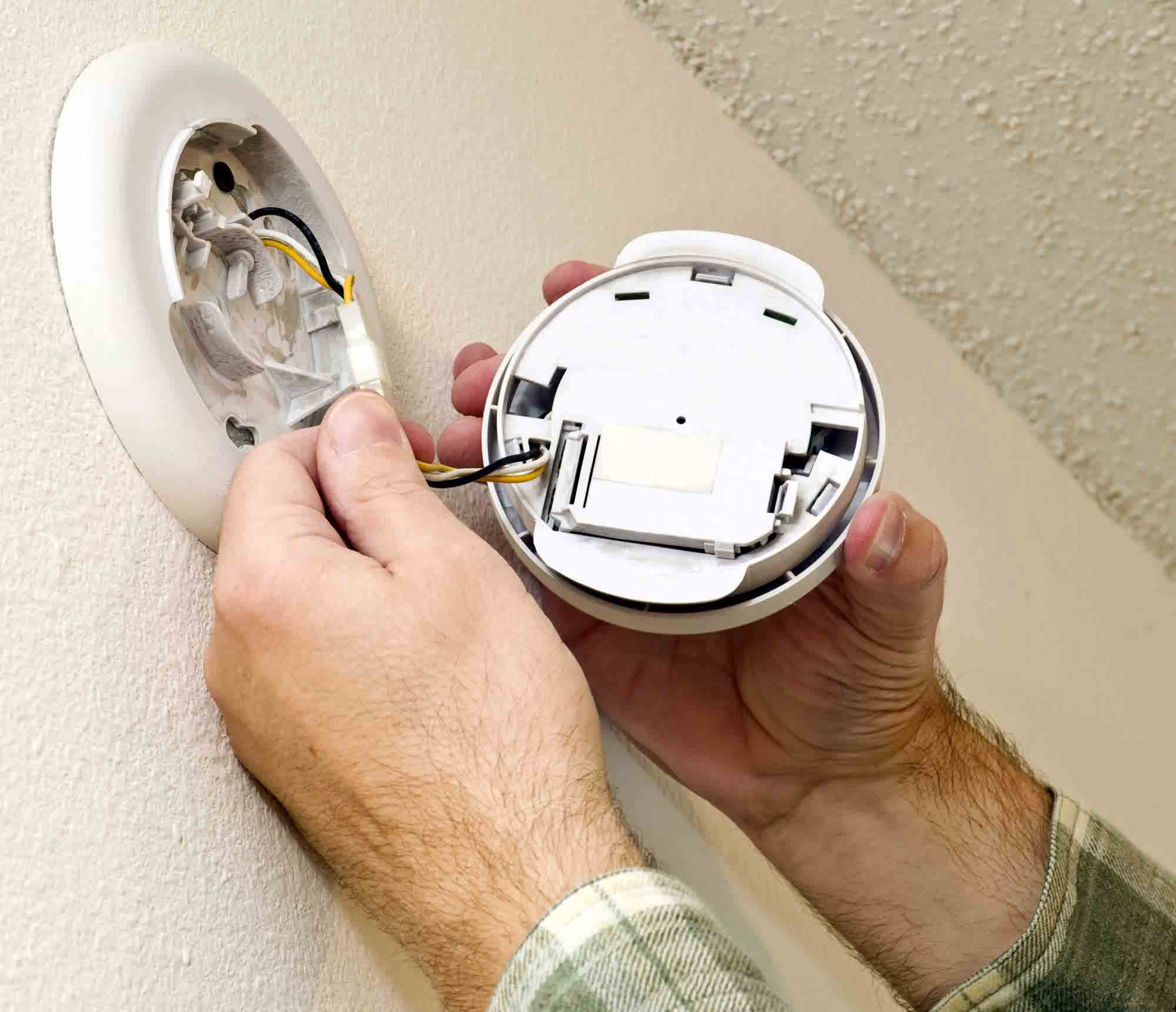
Remove The Detector Cover
Next, gently twist or pull off the cover of the smoke detector. This exposes the inside parts for testing. Handle the cover carefully to avoid damage.
Press The Test Button
Find the test button on the detector’s face. Press and hold it for a few seconds. The alarm should sound loudly, showing the unit works.
Use Smoke Simulation Spray
Spray smoke simulation near the detector’s sensor. This mimics real smoke and triggers the alarm. Use a safe, recommended spray for accurate results.
Check Alarm Sound And Light Indicators
Listen for a strong alarm sound and watch for flashing lights. These signals confirm the detector is active. Weak signals may mean the unit needs repair or replacement.
Restore Power And Reinstall Detector
Turn the power back on at the circuit breaker. Replace the detector cover firmly in place. Ensure the device is secure and ready to protect your home.
Troubleshooting Common Issues
Troubleshooting common issues helps keep your hardwired smoke detector working well. Smoke detectors protect your home and family from fire dangers. Spotting problems early can stop accidents.
Testing a hardwired smoke detector is not hard. Understanding common problems helps fix them fast. Below are the usual issues and how to solve them.
No Alarm Sound
No alarm sound often means power problems. Check if the detector is connected to power. Look for loose wires or tripped circuit breakers. Replace the backup battery if the detector uses one. Sometimes, dust or dirt inside the detector blocks the sensor. Clean the device gently with a soft brush or vacuum.
False Alarms
False alarms can be annoying and dangerous if ignored. Smoke detectors may trigger from steam, cooking smoke, or strong smells. Move the detector away from kitchens or bathrooms if possible. Clean the smoke detector regularly to remove dust and insects. Test the alarm after cleaning to see if false alarms stop.
Intermittent Beeping
Intermittent beeping usually signals low battery or wiring issues. Replace the backup battery even if the main power works. Check the wiring connections for any loose or damaged wires. Sometimes, the detector needs a full reset. Follow the manufacturer’s instructions to reset and test the alarm.
Maintenance Tips For Hardwired Detectors
Maintaining hardwired smoke detectors keeps them working well. Proper care helps protect your home and family. Regular checks and simple steps extend the life of these important devices.
Regular Cleaning
Dust and dirt can block the smoke sensor. Clean the detector every few months using a soft brush or vacuum. Gently remove dust from all sides. Avoid using water or cleaners that might damage parts.
Battery Replacement
Even hardwired detectors have backup batteries. Replace these batteries once a year or when the low battery alert sounds. Use the battery type recommended by the manufacturer. This keeps the alarm ready during power outages.
Professional Inspection
Have an expert check your smoke detectors yearly. Professionals test wiring and sensor functions. They fix issues that are hard to spot. This ensures your system is safe and reliable.
When To Replace Your Smoke Detector
Knowing when to replace your hardwired smoke detector is important for home safety. Smoke detectors lose effectiveness over time. Old devices might not warn you of fire hazards fast enough. This section helps you understand the signs that mean it is time to get a new smoke detector.
Signs Your Smoke Detector Is Too Old
Smoke detectors usually last about 10 years. Check the manufacturing date on the back of the device. If it is older than 10 years, replace it right away. Older detectors may fail to work properly during emergencies.
Frequent False Alarms
False alarms can be annoying. If your smoke detector often rings without cause, it may be failing. Dust buildup or sensor wear can trigger false alarms. Cleaning might help, but repeated false alarms signal replacement time.
Failure To Sound During Tests
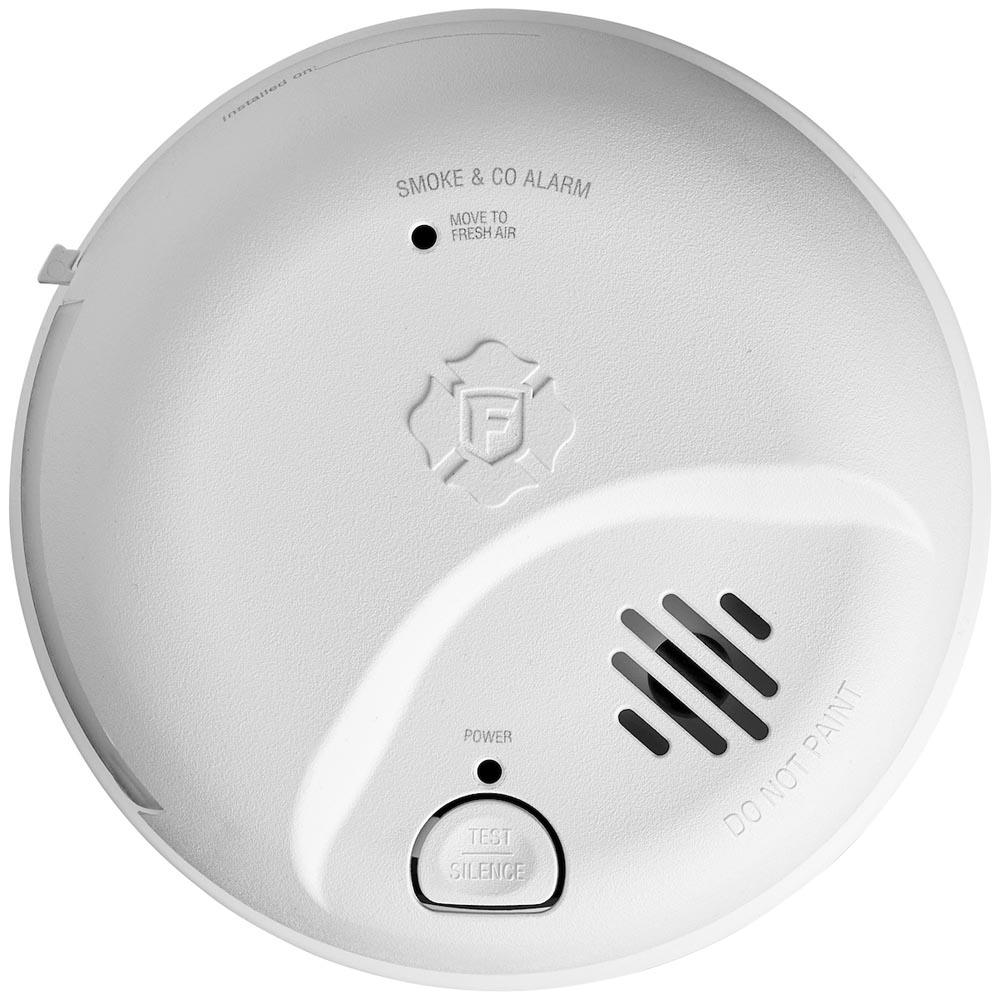
Test your smoke detector monthly. Press the test button to hear the alarm sound. If it does not sound or is very weak, replace the battery first. If the problem continues, the smoke detector needs replacement.
Physical Damage Or Wear
Look for cracks, discoloration, or damage on the detector. Damage can prevent the device from working. Replace any hardwired smoke detector that shows signs of wear or damage.
Credit: www.firstalertstore.com

Credit: www.alpenglowproperties.com
Frequently Asked Questions
How Often Should I Test A Hardwired Smoke Detector?
Test your hardwired smoke detector monthly to ensure it works properly. Regular checks help detect faults early and maintain safety.
What Tools Do I Need To Test A Smoke Detector?
You only need the test button on the detector. No special tools are required for basic functionality testing.
Can I Test A Hardwired Smoke Detector Without Power?
No, hardwired smoke detectors need power to test. Ensure your home’s electricity or backup battery is on during testing.
How Do I Know If My Smoke Detector Is Faulty?
If the detector doesn’t sound during a test, has no blinking light, or shows error beeps, it may be faulty.
Conclusion
Testing your hardwired smoke detector keeps your home safe. Regular checks help find problems early. Use the test button and listen for the alarm sound. Make sure the power is on before testing. Replace batteries when needed, even if the unit is hardwired.
Staying alert saves lives. Don’t skip this simple step. Keep your family protected every day. Safety starts with small actions like this. Stay prepared and confident in your smoke detector’s work.

