
Have you ever wondered if your smoke detector is really working when it matters most? Your safety and the safety of your loved ones depend on it.
But how can you be sure your smoke detector will alert you in time? This article will show you simple, quick ways to check your smoke detector and keep your home safe. Keep reading—you’ll learn easy steps that could save lives.

Credit: www.wikihow.com
Types Of Smoke Detectors
Smoke detectors are essential for home safety. They warn you about fire early. Different types of smoke detectors use different technologies to detect smoke. Understanding these types helps you choose the right one for your home.
Ionization Smoke Detectors
Ionization smoke detectors react quickly to small smoke particles. These particles come from fast, flaming fires. They use a small amount of radioactive material to detect smoke. This type is common in many homes. It is very sensitive to flames but less so to smoldering fires.
Photoelectric Smoke Detectors
Photoelectric smoke detectors sense larger smoke particles. These come from slow, smoldering fires. They use a light beam inside the detector. Smoke scatters the light, triggering the alarm. This type is better at detecting smoky, slow fires. It is less likely to give false alarms from cooking smoke.
Combination Alarms
Combination alarms use both ionization and photoelectric technology. They detect both fast and slow fires. These alarms provide more complete protection. Many experts recommend combination alarms for home safety. They reduce the chance of missing any type of fire.
Signs Your Smoke Detector Is Working
A smoke detector is a small device with a big job. It keeps you safe by warning you about smoke or fire. But how can you tell if it is working properly? There are clear signs to check. Knowing these signs helps you trust your smoke detector every day.
Regular checks keep your home safe. They also give peace of mind that the alarm will sound when needed. Pay attention to simple signals your smoke detector gives. These signals prove it is ready to protect you.
Regular Beeps And Chirps
Your smoke detector makes sounds to communicate. A short beep or chirp every minute or so often means low battery. This sound tells you to replace the battery soon. No sound at all could mean the detector is off or dead. Some models beep during regular self-tests. These sounds confirm the detector is alive and checking for smoke.
Test Button Functionality
Most smoke detectors have a test button. Press this button to check the alarm sound. The alarm should sound loud and clear. If the sound is weak or missing, the detector may need new batteries or replacement. Testing the button regularly ensures the detector can alert you when smoke is present.
Indicator Lights
Look for small lights on the smoke detector. A steady green light often means the detector is powered and working. A blinking red light may show the detector is sensing or in test mode. No light at all could mean a power problem. These lights provide visual proof that your smoke detector is active.
Testing Your Smoke Detector
Testing your smoke detector is key to keep your home safe. Smoke detectors can fail without warning. Regular checks ensure they work well and alert you in time. Simple tests help find problems early before it is too late.
Using The Test Button
Most smoke detectors have a test button on the front or side. Press and hold the button for a few seconds. A loud beep or alarm sound means the detector works. No sound or weak alarm means replace batteries or the unit. Test monthly to keep it ready.
Smoke Test Methods
Using smoke to test is another way. Light a match or candle and blow it out near the detector. Smoke should trigger the alarm within seconds. Do not let fire or heat touch the detector. This test shows if sensors detect real smoke.
Professional Testing Services
Experts can check your smoke detectors with special tools. They test sensors and battery health more deeply. Professionals find hidden problems you might miss. Hire them once a year for peace of mind. This service is good for big homes or old detectors.
Maintenance Tips
Maintaining your smoke detector helps keep your home safe. Regular care ensures it works well during emergencies. Follow these simple steps to keep your smoke detector ready to alert you.
Battery Replacement Schedule
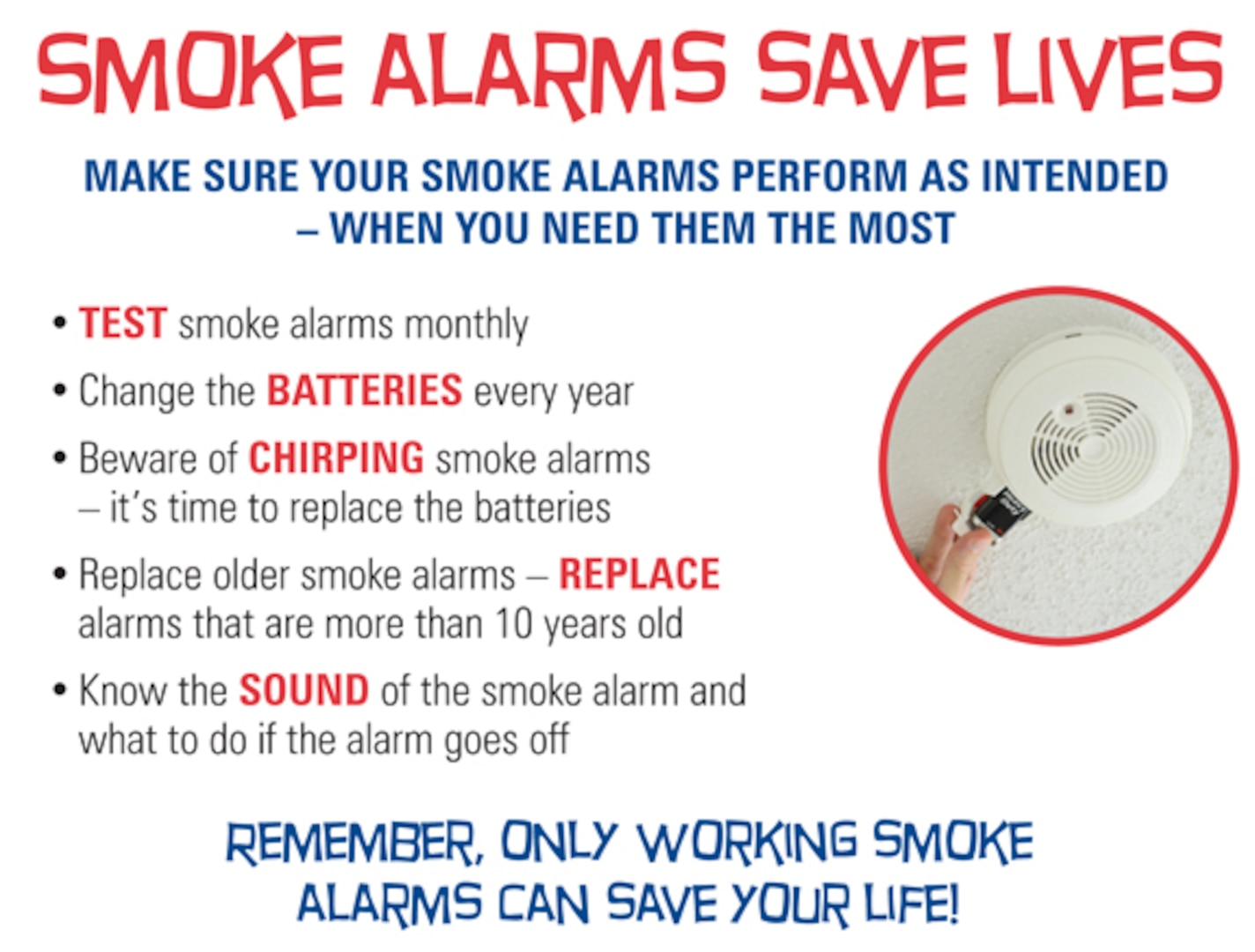
Change smoke detector batteries every six months. A good tip is to replace them when you change clocks for daylight saving. Use fresh batteries to avoid power loss. Test the detector after replacing batteries to confirm it works.
Cleaning Your Detector
Dust and dirt can block the smoke detector’s sensor. Gently vacuum around the detector monthly to remove dust. Avoid using water or cleaning sprays on the device. Keep the detector free of insects and cobwebs for clear sensing.
Replacing Old Units
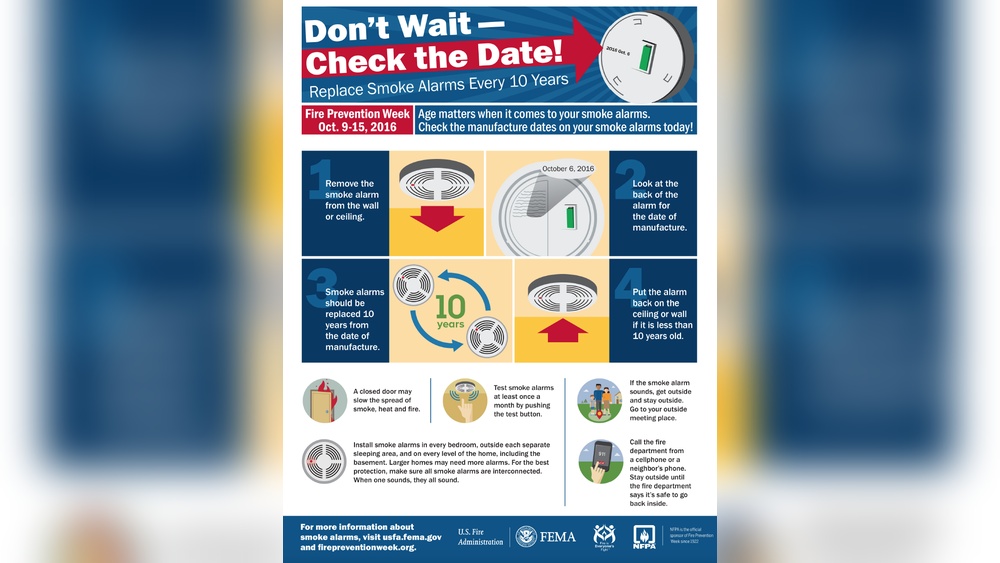
Smoke detectors lose effectiveness over time. Replace units every 10 years or as the manufacturer suggests. Old detectors may fail to detect smoke quickly. Mark the installation date on the device for easy tracking. Buy new detectors that meet current safety standards.
Common Problems And Fixes
Smoke detectors keep homes safe by warning about fires early. Sometimes they face problems that stop them from working right. Knowing common issues helps fix them fast. This keeps your family safe and sound.
False Alarms
False alarms happen often and can be annoying. Dust or insects inside the detector may cause it. Cooking smoke or steam can also trigger false alerts. Clean the detector regularly with a soft brush or vacuum. Avoid placing detectors too close to kitchens or bathrooms.
No Sound Or Low Volume
No sound or a weak alarm means the detector may not warn you. Check the batteries first and replace them if low. Make sure the alarm is not covered by paint or dust. Test the alarm button monthly to confirm sound is loud and clear.
Detector Not Responding
Sometimes the detector does not respond to tests or alarms. This can happen if the device is old or damaged. Replace smoke detectors every 10 years for best safety. Reset the detector by removing the battery and pressing the test button for 15 seconds. Then, reinstall the battery and test again.
Credit: www.jbsa.mil
Safety Practices
Safety practices are key to making sure your smoke detector works well. Proper care and setup help protect your home and family from fire risks. Simple steps can improve your detector’s performance and keep you safe.
Proper Detector Placement
Place smoke detectors on every floor of your home. Install one inside each bedroom and outside sleeping areas. Keep detectors away from kitchens and bathrooms to reduce false alarms. Mount them on ceilings or high on walls since smoke rises. Check placement guides for best locations.
Interconnected Smoke Alarms
Interconnected alarms alert you no matter where the fire starts. If one detector senses smoke, all alarms sound together. This helps you hear warnings even in distant rooms. Use hardwired or wireless interconnected alarms for better safety. Test connections regularly to ensure they work.
Emergency Preparedness
Have a clear fire escape plan for your household. Practice the plan often so everyone knows what to do. Keep ladders and flashlights near exits for quick use. Teach children how to respond to alarms. Regular drills increase confidence and save lives.
Credit: www.hanovernh.org
Frequently Asked Questions
How Often Should I Test My Smoke Detector?
You should test your smoke detector once a month. Regular testing ensures the alarm is functional and batteries work properly. Press the test button to confirm the sound. Replace batteries yearly or when the alarm chirps, signaling low power.
What Are Signs My Smoke Detector Isn’t Working?
Common signs include no sound during the test, frequent false alarms, or chirping sounds. A non-responsive or silent alarm during testing means it might need new batteries or replacement. Always check and maintain detectors to ensure safety.
Can Smoke Detectors Expire Or Lose Effectiveness?
Yes, smoke detectors typically last 8-10 years. Over time, sensors degrade and may not detect smoke accurately. Check the manufacture date on the device and replace it if it’s over a decade old to maintain home safety.
Why Is My Smoke Detector Beeping Intermittently?
Intermittent beeping usually indicates low battery power or dust inside the unit. Replace batteries immediately and clean the detector with a soft brush or vacuum to remove dust. Persistent beeping may require full replacement.
Conclusion
A working smoke detector saves lives every day. Test your device monthly to ensure it works well. Replace batteries at least once a year. Clean the detector to keep it free from dust. Listen for the loud beep during tests.
If your smoke detector fails any check, fix or replace it right away. Trust your smoke alarm to warn you early. Stay safe by keeping your home protected.