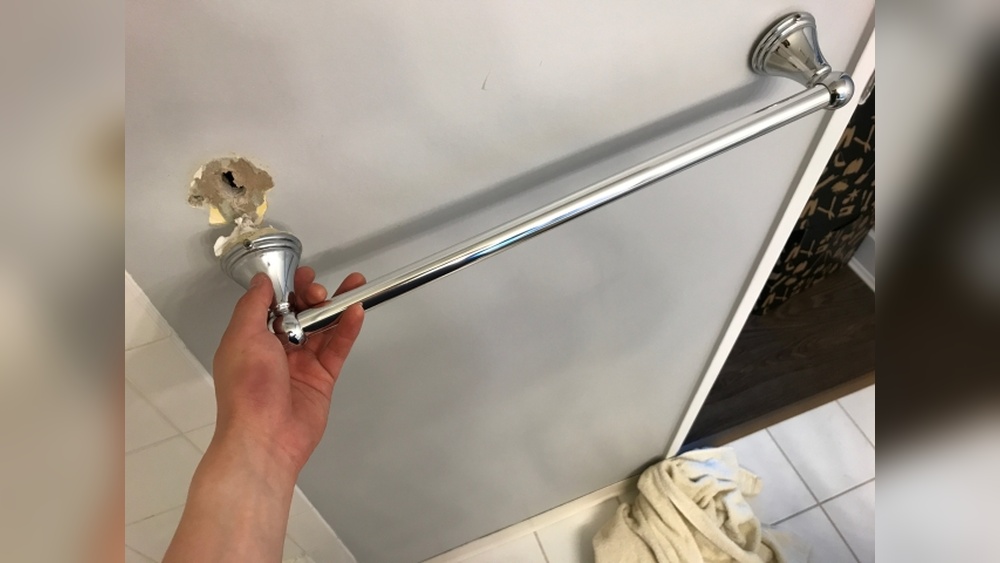

Is your towel rack loose, crooked, or falling off the wall? You’re not alone.
A wobbly towel rack can be frustrating and messy, making your bathroom look untidy. But don’t worry—fixing it yourself is easier than you think. In this guide, you’ll discover simple steps that anyone can follow to get your towel rack sturdy and secure again.
Keep reading, and you’ll have your bathroom looking neat and organized in no time.
Choose The Right Towel Rack
Choosing the right towel rack is important for a neat and practical bathroom. It holds your towels and adds style to your space. Picking the correct type and material helps the rack last long and look good. Think about your bathroom size and style before buying.
Types Of Towel Racks
Towel racks come in many styles. Wall-mounted racks save space and keep towels handy. Freestanding racks can move around and fit any spot. Over-the-door racks hang on doors, perfect for small bathrooms. Choose a style that fits your needs and room size.
Materials And Finishes
Towel racks come in different materials. Stainless steel resists rust and looks modern. Wood adds warmth and a classic touch. Plastic racks are light and budget-friendly. Finishes like chrome, brushed nickel, or bronze change the look. Pick a material that matches your bathroom decor and lasts in humid spaces.
Gather Essential Tools
Gathering the right tools is the first step to fix a towel rack on the wall. Having the essential tools ready makes the process smooth and faster. It also helps avoid mistakes and damage to the wall.
Basic Tools Needed
You need a drill to make holes in the wall. A screwdriver helps to tighten screws securely. A level ensures the towel rack stays straight. Measuring tape is important to mark the right spots. Pencil or marker is useful to mark drilling points. Anchors and screws hold the rack firmly in place.
Optional Tools For Tough Surfaces
For concrete or brick walls, a hammer drill is better than a regular drill. Masonry bits work well on hard surfaces. Wall anchors designed for heavy loads add extra support. A stud finder helps locate strong points inside the wall. Safety glasses protect your eyes from dust and debris.
Select The Best Location
Selecting the best location for your towel rack is important for both function and safety. The right spot keeps towels within easy reach and protects your walls. Taking time to plan will help you avoid problems later. Consider where you usually need towels and how people move in the room.
Height And Accessibility
Choose a height that fits all users. Place the rack low enough for children and tall enough for adults. The usual height is about 48 inches from the floor. Keep towels easy to grab after a shower or bath. Avoid placing the rack too close to water sources to prevent wet walls.
Avoiding Wall Studs And Pipes
Check for studs before drilling. Studs provide strong support but can be hard to find. Use a stud finder or tap the wall to listen for solid spots. Avoid pipes and electrical wires hidden behind walls. Drilling into pipes can cause leaks and damage. Mark safe spots clearly to ensure a secure installation.

Credit: www.youtube.com
Prepare The Wall Surface
Preparing the wall surface is the first step to fix a towel rack properly. A clean and dry wall helps the rack stay strong and secure. Taking time here saves effort later.
Follow simple steps to get the wall ready. This ensures the towel rack will hold well and last long. Start by cleaning, then mark where to place the rack.
Cleaning And Drying
Remove dust and dirt from the wall using a cloth. Use mild soap and water if the wall is greasy. Let the wall dry fully before moving to the next step.
Dry walls help the adhesive or screws stick better. Moisture can cause the rack to fall off later.
Marking Mounting Points
Measure the towel rack and decide its exact position on the wall. Use a pencil to mark spots where screws or anchors will go.
Check the marks with a level to keep the rack straight. Accurate marks make installation easier and prevent mistakes.
Install Anchors For Stability
Installing anchors is key to securing your towel rack firmly on the wall. Anchors provide extra support, especially on drywall or hollow surfaces. Without anchors, towel racks can loosen or fall off easily. Using the right anchors keeps your rack stable and safe to use.
Types Of Wall Anchors
There are several types of wall anchors for different needs. Plastic expansion anchors are common and easy to use. They work well for light loads on drywall. Metal anchors, like molly bolts, offer stronger hold for heavier racks. Toggle bolts spread out inside the wall cavity for the best support. Choose based on the weight and wall type.
Choosing The Right Anchor
Match the anchor to your wall and towel rack weight. For drywall and light towels, plastic anchors are enough. Heavier racks need metal or toggle anchors. Check the anchor packaging for weight limits. Use anchors designed for your wall material, such as drywall, plaster, or concrete. Proper choice prevents damage and keeps the rack secure.

Credit: www.reddit.com
Mount The Towel Rack Securely
Mounting the towel rack securely is important for lasting use. A loose rack can fall and cause damage. Follow simple steps to place the rack firmly on the wall. Proper mounting keeps towels within reach and avoids accidents.
Aligning And Drilling
Start by holding the towel rack against the wall. Use a level to make sure it is straight. Mark the spots for drilling holes with a pencil. Check the marks twice to avoid mistakes. Drill holes carefully at the marked points. Use a drill bit that matches the size of the wall anchors.
Screwing And Tightening
Insert wall anchors into the drilled holes for strong support. Place the towel rack over the anchors. Use screws to attach the rack to the wall. Tighten screws firmly but do not over-tighten. Over-tightening can damage the wall or rack. Test the rack by gently pulling it to ensure it is secure.
Test For Strength And Safety
Testing the strength and safety of your towel rack is a key step after installation. A rack that holds weight firmly prevents accidents and damage to your wall. This check ensures your rack stays secure over time. It helps you find weak spots and fix them quickly.
Load Testing
Start by gently pressing down on the towel rack. Use light to moderate force to mimic holding wet towels. Check for any movement or looseness. If the rack wobbles or feels unstable, it needs adjustment. Test by hanging a towel or two and watch for shifts. A solid rack should stay firm and not pull away from the wall.
Adjustments And Reinforcement
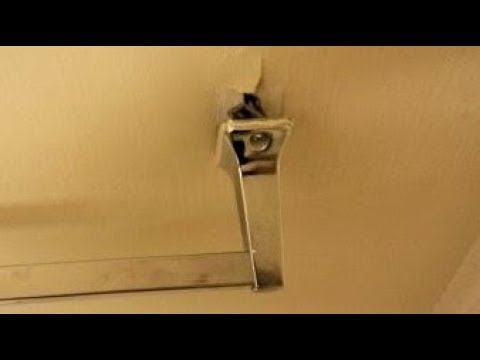
Loose screws or anchors cause weakness. Tighten all screws carefully using a screwdriver. For heavy racks, use stronger wall anchors or toggle bolts. Add extra support if the wall material is soft or damaged. Reinforce by placing a wooden board behind the wall for better grip. Always retest after making changes to confirm stability.
Credit: www.youtube.com
Maintain Your Towel Rack
Maintaining your towel rack helps keep it sturdy and looking good. Regular care stops damage and saves money on repairs. Simple steps protect your rack from wear and moisture.
Regular Checks
Look at your towel rack every few weeks. Check if it feels loose or wobbly. Tighten screws or bolts with a screwdriver. Watch for rust or cracks on metal parts. Wooden racks need checking for splits or swelling. Fix small problems fast to avoid big repairs.
Cleaning Tips
Clean your towel rack often to prevent dust buildup. Use a soft cloth and mild soap with water. Wipe down all surfaces gently. Avoid harsh cleaners that can damage finishes. Dry the rack well after cleaning. Keep it dry to stop rust and mold growth. Clean racks last longer and stay attractive.
Frequently Asked Questions
How Do I Fix A Towel Rack On Drywall?
To fix a towel rack on drywall, use wall anchors or toggle bolts for strong support. Avoid just screws, as they may loosen over time. Mark the spots, drill pilot holes, insert anchors, then screw the rack securely for a stable hold.
What Tools Are Needed To Install A Towel Rack?
You need a drill, screwdriver, level, measuring tape, pencil, wall anchors, and screws. These tools help you mark, drill, and secure the towel rack safely and evenly on your wall.
Can I Fix A Towel Rack Without Studs?
Yes, use heavy-duty wall anchors or toggle bolts if no studs are available. These provide extra grip and prevent the rack from pulling out under weight. Avoid relying on drywall alone for heavy racks.
How High Should I Mount A Towel Rack?
Mount the towel rack about 48 inches from the floor for easy reach. Adjust height if needed based on user preference or bathroom layout for comfort and convenience.
Conclusion
Fixing a towel rack on the wall is simple with the right steps. Use proper tools and anchors to keep it steady. Tighten screws carefully to avoid damage. Double-check the rack’s stability before hanging towels. This small fix improves your bathroom’s look and function.
Try these tips for a secure towel rack every time.