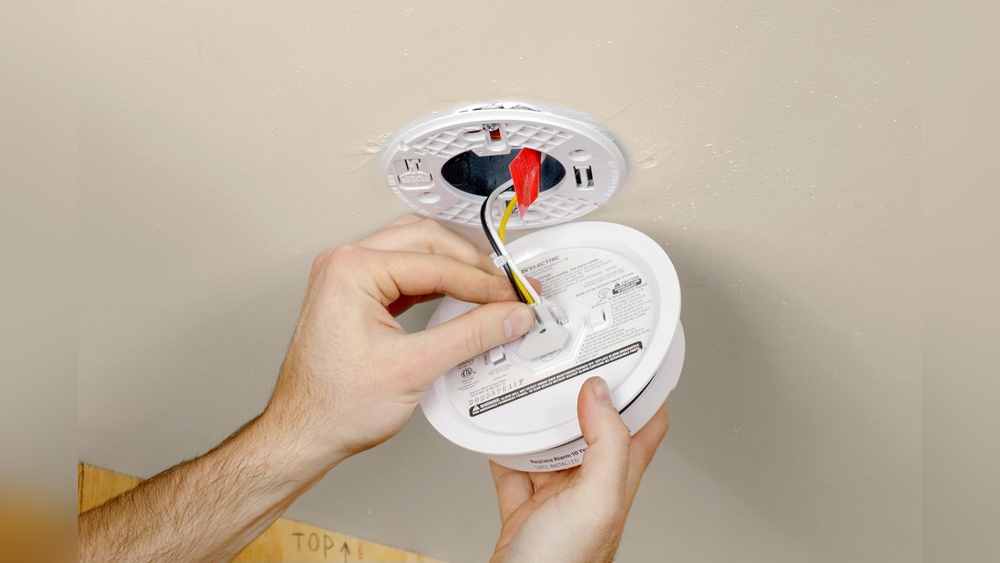

Your hard wired smoke detector is a crucial part of your home’s safety system. But there may come a time when you need to disconnect it—whether for maintenance, replacement, or troubleshooting.
If you’re unsure how to do this safely and correctly, you’re not alone. Disconnecting a hard wired smoke detector isn’t as simple as pulling it off the ceiling. You need to follow the right steps to avoid damage or electrical hazards.
You’ll learn exactly how to disconnect your hard wired smoke detector with clear, easy-to-follow instructions. Keep reading to protect your home and yourself while handling this important task.
Credit: support.firstalert.com
Safety Precautions
Safety is the top priority before disconnecting a hard wired smoke detector. Taking the right precautions prevents accidents and damage. A few simple steps keep you safe and protect your home’s electrical system.
Turn Off Power Supply
Start by switching off the power to the smoke detector. Use the circuit breaker to cut electricity to the room. Double-check that the power is off using a voltage tester. Never work on live wires. This step avoids electric shocks and injury.
Gather Necessary Tools
Prepare all tools before starting. Common tools include a screwdriver, voltage tester, and wire nuts. Having everything ready makes the job easier and faster. It also helps avoid mistakes or rushing.
Wear Protective Gear
Wear gloves and safety glasses. Gloves protect your hands from sharp edges or electrical contact. Safety glasses keep debris or dust out of your eyes. Proper gear reduces risks and keeps you comfortable during work.
Locate The Smoke Detector
Locating the smoke detector is the first step to disconnect it safely. Knowing its exact position saves time and avoids confusion. Smoke detectors are usually on ceilings or high on walls. They are often found in hallways, kitchens, and near bedrooms. Finding the right device is essential before you start the disconnection process.
Take a close look at the device to understand if it is hard wired or battery operated. This helps decide the next steps. Let’s explore how to identify hard wired units and check for multiple detectors in your home.
Identify Hard Wired Units
Hard wired smoke detectors connect directly to your home’s electrical system. Look for a power cable coming from the ceiling or wall. These detectors usually have a backup battery inside for power outages. You might see a small panel or cover that holds the battery. Battery-only detectors do not have any wires attached.
Check if the device has a test button. Most hard wired detectors have one. This button helps you check if the alarm works properly. Identifying the right type ensures you handle it safely during disconnection.
Check For Multiple Detectors
Many homes have more than one smoke detector. These may be connected through the wiring system. When one alarm sounds, all connected detectors ring together. Check the rooms and hallways around the first detector. Look for other similar devices on ceilings or walls.
Understanding the number of detectors helps manage the power shut-off correctly. Disconnecting only one might not stop the alarm. Plan to check each unit if they are linked. This avoids unexpected alarms and keeps your home safe.
Disconnect Power To Detector
Disconnecting power to a hard wired smoke detector is the first and most important step. This ensures your safety while working on the device. Always cut the electrical supply before touching the detector. Doing this prevents electric shocks and damage to the smoke alarm system.
Shut Off Circuit Breaker
Locate your home’s main electrical panel. Find the circuit breaker that controls the smoke detector’s power. Switch the breaker to the OFF position. This stops electricity flow to the detector. If unsure which breaker to turn off, switch off the main breaker. This cuts power to the entire house, making the task safer.
Verify Power Is Off
Use a non-contact voltage tester to check the wires. Hold the tester near the detector’s wiring. If the tester does not light up or beep, power is off. Double-check by trying to turn on the smoke detector. It should not activate. Confirming power is off protects you from electric shock.
Remove The Smoke Detector
Removing a hard wired smoke detector needs care and attention. The process involves two main steps: detaching the unit from its mounting bracket and handling the wiring safely. Follow these steps carefully to avoid damage or safety issues.
Detach From Mounting Bracket
Start by turning off the power to the smoke detector at your circuit breaker. This stops any electrical current from flowing. Next, gently twist or slide the smoke detector to release it from the mounting bracket. Most models unlock with a simple turn or pull. Avoid using force to prevent breaking the unit or the bracket.
Handle Wiring Carefully
Once detached, you will see the wiring connected to the detector. Do not pull on the wires. Instead, carefully disconnect the plug or remove the wire connectors. Keep the wires separated and away from each other to prevent short circuits. Use electrical tape if needed to cover exposed wire ends. Always make sure the power is off before touching wires.
Disconnect Wiring
Disconnecting the wiring of a hard wired smoke detector is a key step. It ensures safety and prevents power issues during removal. Handle the wires carefully to avoid damage or shocks. Follow these simple steps to disconnect the wiring correctly.
Identify Wire Connections
Look inside the smoke detector’s base to find the wires. Usually, three wires connect the unit: power, neutral, and interconnect. The power wire is often black, the neutral white, and the interconnect red. Confirm each wire’s function by checking the smoke detector manual or markings.
Separate Wires Safely
Turn off the power at the circuit breaker before touching wires. Gently pull the wires apart from the connector or terminal block. Do not force or yank the wires. Keep them separate to avoid accidental contact or shorts.
Cap Wires To Prevent Hazards
Place wire nuts on the exposed ends of each wire. Twist the wire nut securely to cover bare metal. This stops any contact with metal parts or other wires. Capping wires prevents electrical shocks and short circuits during work.
Test For Proper Disconnection
Testing for proper disconnection is a key step after removing a hard wired smoke detector. It ensures the device no longer receives power and won’t cause false alarms. This step also confirms your safety before handling any further electrical tasks.
Follow these simple checks to make sure the smoke detector is fully disconnected and safe to work with.
Restore Power And Check
Turn the circuit breaker back on to restore power to the room. This action powers other devices while allowing you to test the smoke detector’s status. Watch the smoke detector carefully for any signs it is still active.
If the smoke detector flashes or beeps, it means it is still connected. Switch off the power again and review your disconnection steps. Repeat this process until no signals come from the detector after power is restored.
Confirm Detector Is Off
Press the test button on the smoke detector. Normally, this triggers a loud alarm sound. If you hear no sound, the detector is successfully disconnected. This test confirms the device no longer has electrical power.
Double-check by observing the detector for any blinking lights or sounds. No activity means it is fully off and safe to remove or replace. Proper confirmation prevents unexpected alarms and ensures your safety.
Replace Or Reinstall Options
After disconnecting a hard wired smoke detector, you must decide what to do next. You can either replace the old detector or reinstall a new one. Both options keep your home safe from fire hazards. Choosing the right approach depends on your needs and budget.
Install New Detector
Installing a new hard wired smoke detector is a solid choice. New models offer better sensors and longer life. They connect directly to your home’s power supply. This means they do not need battery changes often.
Make sure to turn off the power before installation. Follow the manufacturer’s instructions carefully. Secure the detector to the ceiling or wall. Test it after installation to ensure it works properly.
Consider Wireless Alternatives
Wireless smoke detectors work without hard wiring. They use batteries and communicate with each other. This option is easier to install and move.
Wireless detectors fit well in older homes. They do not require rewiring or professional help. Some models link to your smartphone for alerts. This adds extra safety when you are away.

Credit: www.youtube.com
Maintenance Tips
Maintaining a hard wired smoke detector is key to keep it working well. Regular care helps protect your home and family. Simple checks and tests ensure the device stays reliable and ready.
Regular Testing
Test your smoke detector every month. Press the test button until the alarm sounds loud. This confirms the device is working. If the sound is weak or missing, replace the detector or call a professional.
Regular tests catch problems early. They help avoid false alarms or device failure. Make testing a simple habit to keep safety high.
Battery And Wiring Checks
Even hard wired detectors use backup batteries. Check these batteries twice a year. Replace them if they look old or weak. Batteries lose power over time.
Inspect the wiring for loose connections or damage. Loose wires can stop the detector from working. Use a flashlight to see inside the unit carefully. Tighten any loose wires or call an electrician for help.
Good wiring and fresh batteries keep your smoke detector ready. Regular maintenance prevents electrical issues and keeps alarms loud and clear.

Credit: www.youtube.com
Frequently Asked Questions
How Do I Safely Disconnect A Hard Wired Smoke Detector?
Turn off the power at the circuit breaker first. Remove the detector from its mounting bracket. Disconnect the wiring harness gently to avoid damage. Always follow safety protocols to prevent electrical shock.
Can I Disconnect A Smoke Detector Without Professional Help?
Yes, if you follow safety steps carefully. Turn off power, use a ladder, and handle wires gently. If unsure, consult a professional for safe removal.
What Tools Are Needed To Disconnect A Hard Wired Smoke Detector?
You typically need a screwdriver and a ladder. A voltage tester helps ensure power is off. These tools make the process safe and easy.
Will Disconnecting A Smoke Detector Affect Home Safety?
Yes, it can reduce safety by disabling fire alerts. Replace or repair detectors promptly to maintain protection. Never leave a home without working smoke alarms.
Conclusion
Disconnecting a hard wired smoke detector is simple with the right steps. Always turn off power before starting to stay safe. Take your time and follow instructions carefully. Double-check connections before finishing the job. Proper handling helps keep your home secure.
Remember, safety is the top priority when working with electrical devices. This guide makes the process clear and easy to follow. You can feel confident managing your smoke detector now. Stay cautious and protect your home from fire risks.