Have you ever wondered how long your smoke detector should last before you need to replace it? You might not realize it, but the lifespan of your smoke detector is crucial for keeping you and your loved ones safe.
If your smoke detector is old or not working properly, it might fail when you need it the most. You’ll discover the key signs that tell you when it’s time to replace your smoke detector and how to make sure yours is always ready to protect your home.
Keep reading to learn everything you need to know to stay safe and secure.

Credit: forbel.com
Smoke Detector Lifespan Basics
Smoke detectors are essential safety devices in every home. Knowing their lifespan helps ensure your home stays protected. Smoke detectors do not last forever. They wear out and lose effectiveness over time. Replacing them on time is important for safety. Below, learn the basics of how long smoke detectors last.
Typical Duration Of Smoke Detectors
Most smoke detectors last about 8 to 10 years. This is the common lifespan given by manufacturers. After this period, the sensors inside may stop working well. The detector might still beep, but it may not detect smoke properly. Changing smoke detectors every 10 years keeps your home safer.
Factors Affecting Longevity
Several factors affect how long a smoke detector works. Dust and dirt buildup can block sensors and reduce performance. High humidity or extreme temperatures can damage the detector. Frequent false alarms or battery changes may wear out parts faster. Proper maintenance helps extend the life of a smoke detector.
Signs Of Aging Smoke Detectors
Smoke detectors do not last forever. Over time, their parts wear out or get dirty. Signs of aging smoke detectors are important to notice. They warn you before the device stops working. Knowing these signs keeps your home safe.
Common Warning Indicators
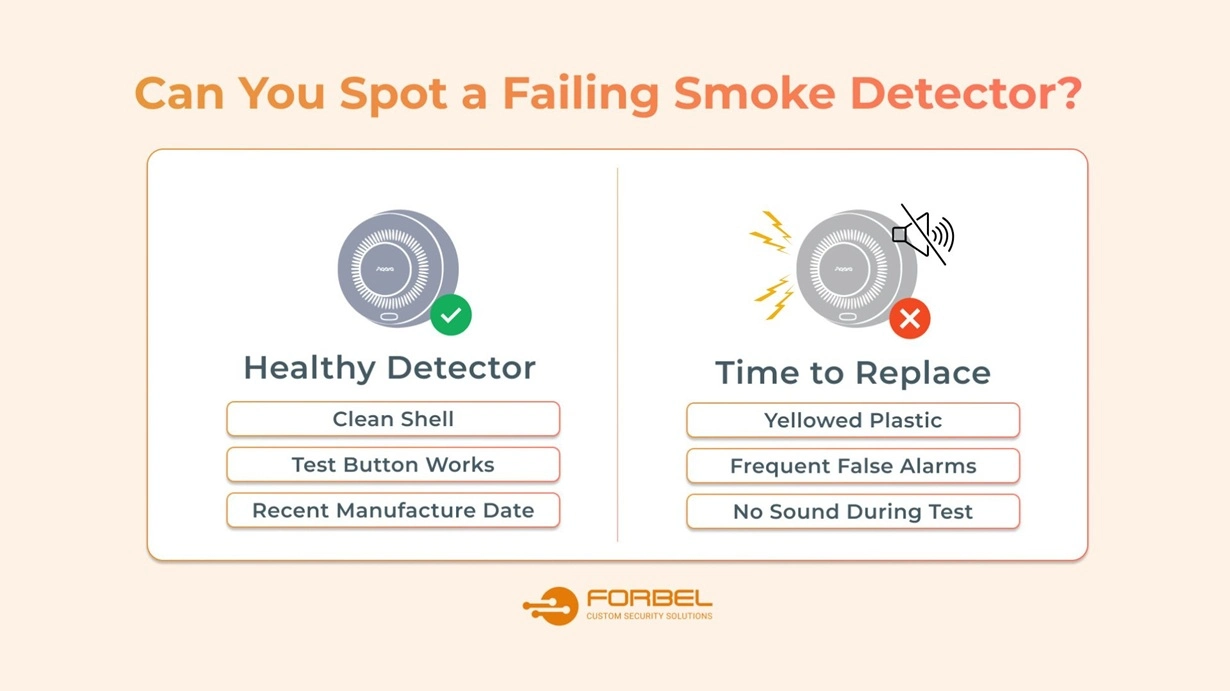
Smoke detectors may beep or chirp often. This sound means the battery or device needs attention. Dust or dirt can cover the sensor. This stops the detector from sensing smoke well. The plastic casing may turn yellow or crack. These changes show the detector is old. It may not respond quickly to smoke anymore.
Performance Decline Symptoms
The alarm might sound late or not at all. Test buttons may stop working properly. The detector might give false alarms too many times. This happens because sensors degrade over years. A slow or weak alarm is a clear sign. It means the smoke detector needs replacement.
Replacing Smoke Detectors
Smoke detectors are essential for home safety. Over time, they lose sensitivity and may not work properly. Replacing smoke detectors on time keeps your home safe. It ensures the alarm sounds when there is danger. Regular replacement is a small step with a big impact.
Recommended Replacement Intervals
Smoke detectors usually last about 10 years. After this period, sensors become less reliable. Check the manufacturing date on the back of your device. Replace any smoke detector older than 10 years. Some experts suggest changing them every 8 years for extra safety. Follow the manufacturer’s instructions for the best results.
Choosing The Right Replacement
Select a smoke detector that suits your home and needs. Battery-operated models offer easy installation and placement. Hardwired detectors connect to your home’s power but need professional setup. Look for devices with a loud alarm and a test button. Combination smoke and carbon monoxide detectors provide extra protection. Choose a model certified by safety organizations for trusted quality.
Credit: forbel.com
Maintenance Tips To Extend Life
Smoke detectors save lives. They need care to work well for years. Simple maintenance helps detectors stay active and alert. Follow easy steps to keep your smoke detector in top shape.
Regular Cleaning Practices
Dust and dirt can block smoke sensors. Clean your detector every six months. Use a soft brush or vacuum with a brush attachment. Avoid water or harsh cleaners on the device. Gently remove all dust from vents and openings.
Keep the area around the detector clear. Avoid placing it near vents or fans that blow dust. This prevents false alarms and sensor damage. Regular cleaning helps your smoke detector respond faster to smoke.
Battery Care And Replacement
Smoke detectors need fresh batteries to work well. Change batteries at least once a year. Use the battery type recommended by the manufacturer. Test batteries monthly by pressing the test button.
Low batteries cause weak alarms or no sound. Replace batteries immediately if the alarm beeps. Some smoke detectors have long-life batteries. Still, check them regularly to ensure full power.
Technological Advances In Smoke Detectors
Smoke detectors have improved a lot over the years. New technology makes them smarter and more reliable. These advances help keep homes safer and reduce false alarms. Understanding these changes shows why modern smoke detectors last longer and work better.
Smart Smoke Detector Features
Smart smoke detectors connect to your phone or home system. They send alerts if smoke or fire is detected. You can check their status anytime from anywhere. Many models self-test and notify you about low batteries. Some even link to other alarms in your house. This way, all alarms sound together for better safety.
Improved Durability Options
New materials make smoke detectors last longer. They resist dust, humidity, and temperature changes. This keeps the sensors working well over time. Some detectors have sealed batteries that last up to 10 years. These changes reduce the need for frequent replacements. Durable designs mean better protection for many years.
Credit: support.firstalert.com
Frequently Asked Questions
How Long Do Smoke Detectors Typically Last?
Smoke detectors usually last about 8 to 10 years. After this period, their sensors can degrade, reducing reliability. It’s important to replace them within this timeframe to ensure maximum safety and compliance with fire safety guidelines.
When Should I Replace My Smoke Detector Battery?
Replace your smoke detector battery at least once a year. If the alarm chirps, indicating a low battery, replace it immediately. Regular battery changes help maintain the detector’s optimal performance and keep your home safe.
Can Smoke Detectors Be Tested For Functionality?
Yes, test your smoke detector monthly by pressing the test button. The alarm should sound loudly if working correctly. Regular testing ensures the device is operational and can alert you during emergencies.
What Are Signs A Smoke Detector Needs Replacing?
Signs include frequent false alarms, failure to sound during tests, and physical damage. Also, if the detector is older than 10 years, it’s time for replacement. These signs indicate reduced reliability and increased safety risk.
Conclusion
Smoke detectors protect your home and family every day. They usually last about 10 years before needing replacement. Test them monthly to ensure they work well. Replace batteries at least once a year or when they beep. Old or damaged detectors may fail during a fire.
Stay safe by keeping your smoke detector in good shape. Don’t wait until it’s too late. Regular checks save lives and prevent accidents. Trust your smoke detector to warn you early. Safety starts with simple, regular care.