Have you ever been kept awake at night by a tiny, annoying beep from your smoke detector? That constant chirping can drive anyone crazy.
But why does it happen, and more importantly, how do people manage to live with it without losing their minds? If you’re tired of that persistent noise but unsure what to do, you’re not alone. This article will help you understand why your smoke detector chirps and share simple, practical tips to stop the beeping for good.
Keep reading—you’ll soon find peace and quiet again in your home.
Reasons For Chirping Smoke Detectors
Chirping smoke detectors can disrupt daily life and cause stress. Understanding the reasons behind this noise helps in managing it better. Smoke detectors chirp to signal a problem that needs attention. These signals keep your home safe by alerting you early.
Low Battery Signals
Most smoke detectors chirp because their batteries are low. The device emits a short beep every minute or so. This alert tells you to replace the battery soon. Ignoring this signal can cause the alarm to stop working.
Sensor Dust And Dirt
Dust and dirt can build up inside the smoke detector. This buildup blocks sensors and triggers the chirping sound. Cleaning the device regularly can stop these false alarms. Use a vacuum or soft brush to remove dust gently.
Humidity And Temperature Effects
High humidity or extreme temperatures affect smoke detectors. Steam from showers or cooking can cause chirping. Very cold or hot rooms can also disrupt the sensor. Moving the detector to a better spot may help.
End Of Device Life
Smoke detectors have a limited lifespan, usually about 8-10 years. When they reach this age, chirping warns you to replace the entire unit. Old detectors may fail to work properly. Regular replacement ensures your safety is never compromised.
Simple Battery Replacement Tips
Dealing with a chirping smoke detector can be annoying. Often, it signals that the battery needs changing. Simple battery replacement can stop the noise quickly. It also keeps your home safe. Follow these easy tips to replace the battery correctly and safely.
Choosing The Right Battery
Pick the battery type your smoke detector needs. Most use 9-volt or AA batteries. Check the user manual or the back of the detector for the correct type. Use fresh batteries to ensure long life. Avoid old or used batteries, as they may cause more chirping.
Safe Battery Removal
Turn off the smoke detector before removing the battery. Twist or slide open the cover gently. Take out the old battery carefully. Avoid touching the metal contacts too much. Dispose of the old battery properly to protect the environment.
Proper Installation Steps
Insert the new battery in the right direction. Look for the plus (+) and minus (-) signs inside the battery compartment. Press the battery firmly into place. Close the cover securely. Test the smoke detector by pressing the test button. The chirping should stop, and the detector will beep once.
Cleaning And Maintenance Tricks
Dealing with a chirping smoke detector can be annoying. Often, dirt or dust causes the noise. Regular cleaning and maintenance help stop the chirps. They keep your smoke detector working well and safe.
Using Compressed Air
Compressed air is great for cleaning smoke detectors. It blows away dust from hard-to-reach places. Use short bursts of air to clear the sensor area. This method prevents false alarms and annoying chirps.
Wiping The Sensor Area
Gently wipe the sensor with a soft, dry cloth. Avoid using water or cleaning sprays. Dirt on the sensor can cause false alerts. Regular wiping keeps the detector clean and quiet.
Regular Maintenance Schedule
Set a routine to clean your smoke detector every few months. Check for dust, dirt, and battery status each time. Keeping a schedule helps catch problems early. It ensures your smoke detector stays reliable and chirp-free.
Credit: www.thezebra.com
Adjusting Environmental Factors
Chirping smoke detectors can disturb daily life. Often, the cause is linked to environmental factors. Small changes in your home’s environment can stop the noise. Understanding these factors helps you live peacefully with your smoke detectors.
Managing Humidity Levels
High humidity can cause smoke detectors to chirp. Moisture affects the sensor inside the device. Use a dehumidifier in damp areas. Keep bathrooms and kitchens well ventilated. Lower humidity helps the detector work properly. Check levels regularly to avoid false alarms.
Avoiding Extreme Temperatures
Smoke detectors react to very hot or cold air. Placing them near heaters or air conditioners causes chirping. Keep detectors away from direct heat sources. Avoid areas with strong drafts or cold spots. Stable temperature zones help sensors stay accurate.
Relocating Detectors
Sometimes, the detector’s location is the main issue. Move the device to a better spot if it chirps often. Choose places with stable air flow and low humidity. Avoid corners, near windows, or near cooking areas. Proper placement reduces false chirps and keeps your home safe.
When To Replace The Smoke Detector
Smoke detectors save lives, but they don’t last forever. Knowing when to replace your smoke detector is key for safety. A chirping sound often means the device needs attention. Ignoring it can risk your home’s safety. Below are clear signs and steps to help you decide when to replace your smoke detector.
Signs Of Device Aging
Smoke detectors usually last about 10 years. After this, their sensors may fail. Frequent chirping, even after battery changes, signals aging. Yellowing or discoloration on the device shows wear. If it fails a test, replace it immediately. Old smoke detectors may not detect smoke well.
Choosing A New Detector
Select a smoke detector that fits your home size. Look for models with long battery life. Consider detectors with voice alerts for clearer warnings. Opt for devices that meet safety standards. Combination smoke and carbon monoxide detectors offer extra protection. Easy installation and maintenance are important too.
Proper Disposal Methods
Do not throw old smoke detectors in the trash. Many contain small amounts of radioactive material. Check local regulations for disposal instructions. Some areas have special recycling programs. Remove batteries before disposal. Proper disposal keeps the environment safe.

Credit: ccfd6.org
Additional Tips For Peaceful Living
Living with a chirping smoke detector can be stressful. The constant sound disrupts peace at home. Knowing some extra tips helps you manage the noise better. These simple steps keep your space calm and safe.
Using Temporary Silence Buttons
Many smoke detectors have a silence button. Pressing it stops the chirp for a short time. Use it to pause the noise while you fix the problem. Do not ignore the warning. Check the battery or sensor soon after.
Regular Testing Routine
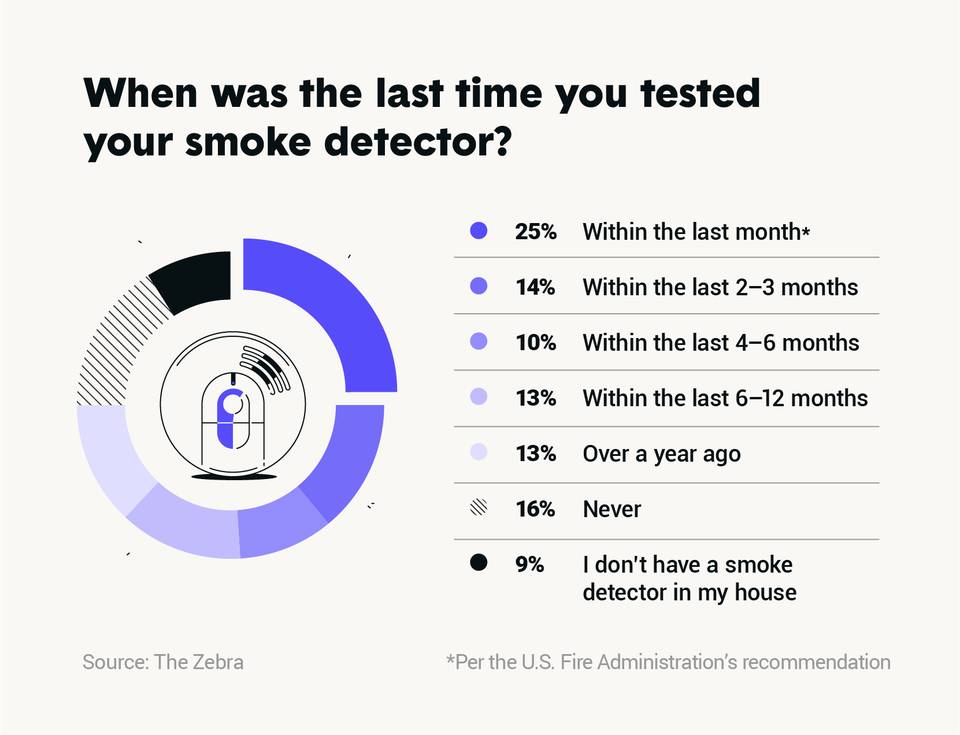
Test your smoke detector once a month. This ensures it works correctly. Replace batteries if the beep sounds weak or irregular. Regular checks reduce unexpected chirping. Keep your home safe by staying alert.
Professional Inspection Services
Hire experts to inspect your detectors yearly. They find issues you might miss. Professionals clean and test the units thoroughly. This service extends the life of your alarms. It also improves your home’s safety.
Credit: www.firstalertstore.com
Frequently Asked Questions
Why Do Smoke Detectors Keep Chirping Constantly?
Smoke detectors chirp to signal low battery or malfunction. It warns occupants to replace batteries or check the device. Ignoring chirping can risk safety by causing false alarms or device failure. Regular maintenance ensures reliable smoke detector operation and home safety.
How Can I Stop A Smoke Detector From Chirping?
To stop chirping, replace the battery with a fresh one. Clean the detector to remove dust and debris. Reset the unit by pressing the test button. If chirping persists, consider replacing the smoke detector entirely for safety.
Is It Safe To Live With A Chirping Smoke Detector?
Living with a chirping smoke detector is unsafe. The chirp indicates low battery or malfunction, compromising fire detection. Promptly address the issue by replacing batteries or the device. Ensuring your smoke detector works correctly protects your home and family from fire hazards.
What Causes Smoke Detectors To Chirp At Night?
Smoke detectors often chirp at night due to low batteries or temperature changes. Cooler night air can affect battery performance, triggering alerts. Regular battery checks and replacement prevent night-time chirping and maintain detector reliability.
Conclusion
Living with a chirping smoke detector can be frustrating. The sound often wakes you up or distracts you. It usually means the battery is low or there is a fault. Replacing the battery or cleaning the detector helps most times.
Ignoring the chirp can risk your safety. Stay calm and act quickly to fix the issue. Regular checks keep your home safe and quiet. Small steps bring peace and protect your family. Safety matters, even if the noise annoys you.