
Imagine transforming your home into a calm, clutter-free space where every inch has a purpose. Japanese space saving homes do exactly that—they blend simplicity with smart design to make small living feel spacious and serene.
If you’ve ever struggled with limited room or wished for clever ways to organize your space, learning from Japanese homes can change everything. Ready to discover how these innovative ideas can help you maximize your living area without sacrificing style or comfort?
Let’s dive into the secrets of Japanese space saving homes that could transform your daily life.

Credit: www.youtube.com
Space Challenges In Japan
Japan faces unique space challenges due to its geography and population. The country has limited land area with many people living in cities. This situation pushes designers to create homes that fit small spaces efficiently.
Japanese homes often maximize every inch to offer comfort and function. Creative solutions help residents live well despite tight quarters. Understanding these challenges explains the rise of space-saving homes in Japan.
Urban Density And Housing
Japan’s cities are among the most crowded worldwide. Tokyo, for example, has millions living in a small area. High demand drives up land prices and reduces available space.
Many people live in small apartments or compact houses. Buildings are designed to stack vertically rather than spread out. This vertical growth helps fit more homes in limited zones.
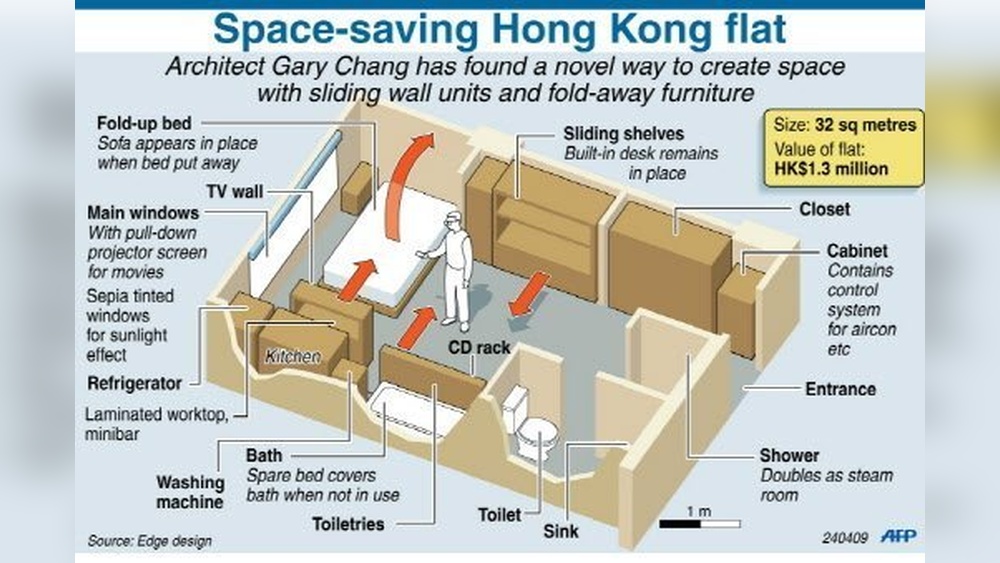
Space-saving architecture becomes essential here. Designers use clever layouts to fit necessary rooms. Multi-functional furniture and hidden storage are common features.
Cultural Attitudes Toward Small Living
Japanese culture values simplicity and minimalism. Living in small spaces aligns well with these principles. Many people prefer neat, uncluttered homes.
There is less focus on owning many possessions. This mindset makes small living more practical and acceptable. Homes are designed to promote calmness and order.
Efficiency and harmony in the home are important. Space-saving homes reflect these cultural values well. They create peaceful environments despite limited room.
Core Principles Of Japanese Design
Japanese space-saving homes rely on core design principles. These principles create calm, efficient, and comfortable living spaces. Each idea focuses on simplicity and harmony. The result is a home that feels open and inviting despite limited space.
Minimalism And Functionalism
Minimalism means using only what is necessary. Japanese homes avoid clutter and excess decoration. Every item has a purpose and a place. Furniture often doubles as storage to save space. Functionalism focuses on practicality and ease of use. Rooms serve multiple roles without feeling crowded.
Natural Light And Ventilation
Natural light brightens rooms and saves energy. Large windows and sliding doors allow sunlight inside. This light makes small spaces feel larger and warmer. Ventilation keeps the air fresh and healthy. Cross-ventilation is common, using windows placed opposite each other. Good airflow prevents moisture and keeps the home comfortable.
Integration With Nature
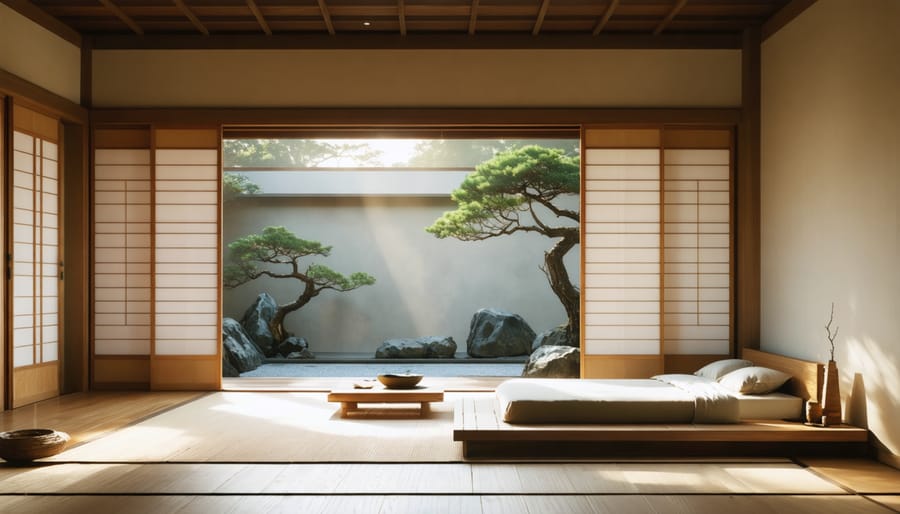
Japanese design blends indoors with outdoors. Gardens, plants, and natural materials connect the home to nature. Wood, bamboo, and stone bring warmth and texture. Views of trees or water create a peaceful atmosphere. This connection promotes relaxation and well-being. Nature becomes a part of daily life inside the home.
Innovative Space-saving Techniques
Japanese homes often face space challenges due to limited land availability. This reality drives architects and designers to develop smart, space-saving solutions. These innovations make small living spaces highly functional and comfortable. Clever design ideas turn compact areas into versatile, efficient homes. The following techniques highlight how Japanese homes maximize every inch effectively.
Multipurpose Furniture
Furniture that serves more than one purpose is key in Japanese homes. A table can double as storage or transform into a bed. Chairs may fold flat or stack to save space. These pieces reduce clutter and increase usability. Multipurpose furniture adapts to different needs throughout the day. It allows small rooms to stay open and flexible.
Vertical Storage Solutions
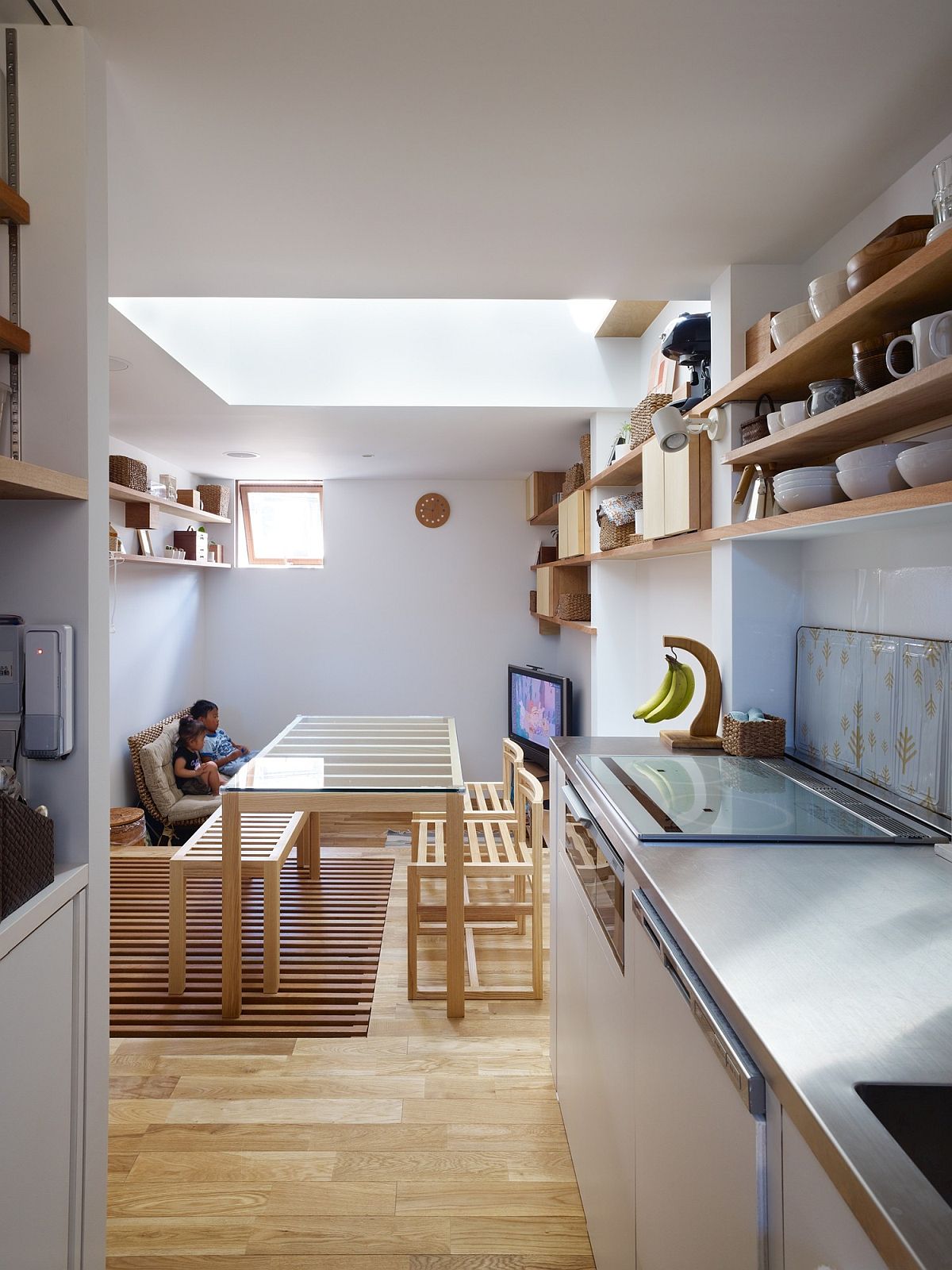
Using vertical space is a smart way to add storage without crowding floors. Shelves and cabinets go high up the walls. Hooks and racks hold items off the ground. Staircases often have built-in drawers or shelves underneath. This design captures unused space and keeps essentials within reach. Vertical storage keeps the home organized and neat.
Hidden And Foldable Features
Hidden compartments and foldable elements help maintain a clean look. Beds fold into walls or slide under platforms. Desks and tables tuck away when not in use. Cabinets may conceal appliances or household tools. These features create a sense of openness and calm. They allow rooms to change function quickly and easily.
Credit: www.decoist.com
Architectural Layouts For Small Homes
Architectural layouts for small Japanese homes focus on smart use of limited space. They blend function with simplicity. Every inch counts to create a comfortable living area.
The designs often reflect a minimalist style. Clean lines and uncluttered spaces make the home feel larger. Clever planning improves daily life in compact homes.
Multi-level Living Spaces
Multi-level designs maximize vertical space. Rooms are stacked to separate functions and save floor area. Loft beds or raised platforms create cozy sleeping zones above living spaces.
This layout uses height to add room without expanding the footprint. Stairs or ladders connect levels with minimal space use. It feels open yet private at the same time.
Compact Floor Plans
Compact floor plans focus on efficient room shapes. Open layouts combine kitchen, dining, and living areas. This reduces walls and unused corners.
Furniture fits perfectly within the plan, leaving paths clear for movement. Spaces serve more than one purpose to cut down on size. The result is a functional and easy-to-navigate home.
Flexible Room Dividers
Flexible dividers create privacy without permanent walls. Sliding doors or folding screens change room layouts quickly. They allow rooms to expand or shrink as needed.
These dividers add versatility and keep the home airy. Light flows freely, and spaces feel connected yet separate. They adapt to different activities throughout the day.
Smart Storage Ideas
Smart storage ideas are key in Japanese space saving homes. These homes use every inch wisely. Clever storage keeps rooms tidy and spacious. The design blends function with simplicity. Small spaces feel open and calm.
Built-in Cabinets And Shelves
Built-in cabinets and shelves fit perfectly into walls. They avoid clutter and save floor space. These storage units keep items hidden but easy to reach. Shelves often use vertical space, drawing eyes upward. Cabinets under stairs or beds add extra storage. This design creates clean, organized rooms.
Underfloor And Ceiling Storage
Underfloor storage hides items beneath the floorboards. It is ideal for storing seasonal goods or rarely used things. Ceiling storage uses high spaces for light items. Both methods free up living areas. These hidden spots maximize usable space without crowding. This technique suits small homes well.
Use Of Sliding Doors
Sliding doors replace traditional swinging doors. They open sideways, saving room inside. Sliding doors can also hide closets or shelves. They allow flexible use of space and easy access. These doors add a sleek, modern look to rooms. Sliding doors reduce obstacles and improve flow.
Materials And Aesthetic Choices
Japanese space saving homes use materials and design choices that create calm and open spaces. These choices focus on simplicity, natural elements, and light colors. The materials help small homes feel larger and more inviting. Each element plays a role in making the home peaceful and practical.
Light Wood And Neutral Tones
Light wood is common in Japanese homes. It reflects natural light, making rooms brighter. Neutral tones like beige, white, and soft gray create a calm atmosphere. These colors blend well with natural light and open space. They help small rooms feel airy and uncluttered.
Use Of Shoji Screens
Shoji screens are thin panels made of wood and translucent paper. They divide rooms without blocking light. Shoji screens add privacy while keeping a sense of openness. Their soft glow brings warmth and softness to the home. They also save space compared to solid walls.
Natural Textures And Finishes
Natural textures like bamboo, rattan, and linen add depth to interiors. These materials create a tactile and warm environment. Finishes tend to be matte or lightly polished, avoiding shine. This keeps the look organic and understated. Natural textures balance simplicity with comfort.
Technology And Sustainability
Japanese space-saving homes blend technology with sustainability. They use smart designs to reduce energy use and protect nature.
These homes focus on natural light, efficient energy use, and eco-friendly materials. This approach creates comfortable and green living spaces.
Passive Solar Design
Passive solar design uses sunlight to warm homes naturally. Large windows face the sun to capture light and heat. This method reduces the need for heaters in winter. Overhangs block strong summer sun to keep rooms cool. It saves energy and lowers bills by using the sun’s power.
Energy Efficiency
Energy-efficient appliances and lighting are common in Japanese homes. LED lights use less power and last longer. Smart thermostats adjust temperature automatically for comfort and savings. Insulation keeps homes warm in winter and cool in summer. These features cut energy waste and reduce environmental impact.
Eco-friendly Building Materials
Builders use natural materials like wood and bamboo for construction. These materials are renewable and biodegradable. Recycled materials also find a place in walls and floors. Non-toxic paints and finishes improve indoor air quality. Using green materials supports health and reduces harm to the planet.
Case Studies Of Japanese Tiny Homes
Japanese tiny homes offer smart solutions for small living spaces. They combine clever design with efficient use of every inch. Exploring real examples shows how these homes manage comfort and style in tight areas.
These case studies reveal the unique approaches used across Japan. From crowded cities to quiet countryside, each design solves space challenges in creative ways.
Urban Apartments In Tokyo
Tokyo apartments often measure less than 300 square feet. Designers use vertical space and multi-functional furniture to maximize living areas. Sliding doors replace swinging ones to save room. Natural light is brought in through large windows, making spaces feel bigger. Storage hides in floors, walls, and under stairs. These apartments prove small does not mean cramped.
Compact Houses In Osaka
Osaka homes blend tradition with modern design. Many compact houses are built on narrow lots. Architects stack rooms vertically, creating multi-level homes. Each floor serves a clear purpose, such as sleeping, cooking, or working. Minimalist décor and neutral colors enhance the feeling of openness. Clever storage units keep clutter out of sight. These homes show how small plots can house full family living.
Innovative Rural Designs
Rural tiny homes in Japan use natural materials like wood and bamboo. They focus on harmony with nature and simplicity. Large windows frame garden views and bring in fresh air. Sliding walls allow rooms to open or close as needed. Solar panels and rainwater collection support eco-friendly living. These designs prove tiny homes can be peaceful retreats with modern comforts.
Adapting Japanese Ideas Globally
Japanese space-saving homes offer unique design ideas for small living. These ideas suit crowded cities and tight spaces. Many countries face similar housing challenges. Adapting Japanese concepts helps create efficient homes worldwide. The focus is on smart use of space, natural light, and simple layouts. These principles inspire new ways to live comfortably in small areas.
Inspiration For Western Small Homes
Western homes often have more space but still face rising costs. Japanese designs show how to use every inch wisely. Folding furniture and built-in storage save room. Open floor plans create a sense of space. Minimalist styles reduce clutter and stress. These ideas help Western homes feel larger and more functional.
Customizing For Different Climates
Japan has a mild climate with distinct seasons. Other countries may need to adjust designs for heat or cold. Materials must suit local weather conditions. Insulation and ventilation change with climate needs. Outdoor spaces might differ too. Adapting Japanese homes means blending style with local comfort and safety.
Challenges In Implementation
Space-saving ideas require careful planning and skilled builders. Some Western homes have different building codes. Cultural habits and furniture styles may not match Japanese designs. Cost of custom features can be high. Finding the right balance between tradition and modern needs takes effort. Success comes from creativity and patience.
Credit: www.accentondesign.net
Frequently Asked Questions
What Are Japanese Space Saving Homes?
Japanese space saving homes are compact, efficient living spaces designed to maximize limited areas using smart layouts and multifunctional furniture.
How Do Japanese Homes Maximize Small Spaces?
They use minimalism, built-in storage, sliding doors, and multifunctional furniture to create open, clutter-free environments that feel spacious.
What Design Principles Guide Japanese Small Homes?
Japanese small homes emphasize simplicity, functionality, natural light, and harmony with nature to enhance comfort in tight spaces.
Why Are Japanese Space Saving Homes Eco-friendly?
These homes often incorporate passive solar design, energy-efficient materials, and smart ventilation to reduce environmental impact and lower energy use.
Conclusion
Japanese space-saving homes show smart design and simple living. They make small areas feel open and calm. Clever use of space helps people live comfortably in tight spots. These homes inspire ideas for better use of every corner. Embracing minimalism and function creates peaceful, organized environments.
Anyone can learn from these creative, efficient designs. Small spaces do not mean less comfort or style. Japanese homes prove that less can truly be more.