
Moving to a new home is exciting but can quickly become overwhelming when you face piles of boxes and scattered belongings. You might wonder how to keep everything organized without losing your mind.
The secret lies in smart home storage and organization solutions tailored for moving. By using clever hacks and simple strategies, you can turn chaos into calm, save time, and make unpacking much easier. Ready to discover practical tips that will transform your moving experience?
Keep reading to unlock the best ways to organize your home smoothly and stress-free.
Declutter Before Packing
Decluttering before packing is key to a smooth move. It lightens your load and saves time. Removing unwanted items helps you organize better at your new home. Start early to avoid last-minute stress.
Sort And Donate Items
Go through your belongings one by one. Separate items that you no longer use or need. Check if they are still in good condition. Donate these to local charities or shelters. This gives your items a second life and helps others.
Dispose Of Unnecessary Stuff
Some things cannot be donated. Broken or expired items should be thrown away. Dispose of them properly to avoid clutter. Recycle what you can to reduce waste. This step clears space and keeps packing efficient.
Create Keep, Toss, Donate Piles
Make three piles as you sort: keep, toss, and donate. Keep only what you truly need or love. Toss broken or unusable items. Donate things in good shape but not needed by you. This method speeds up packing and organizes your move.

Credit: www.ohiotech.edu
Choose The Right Containers
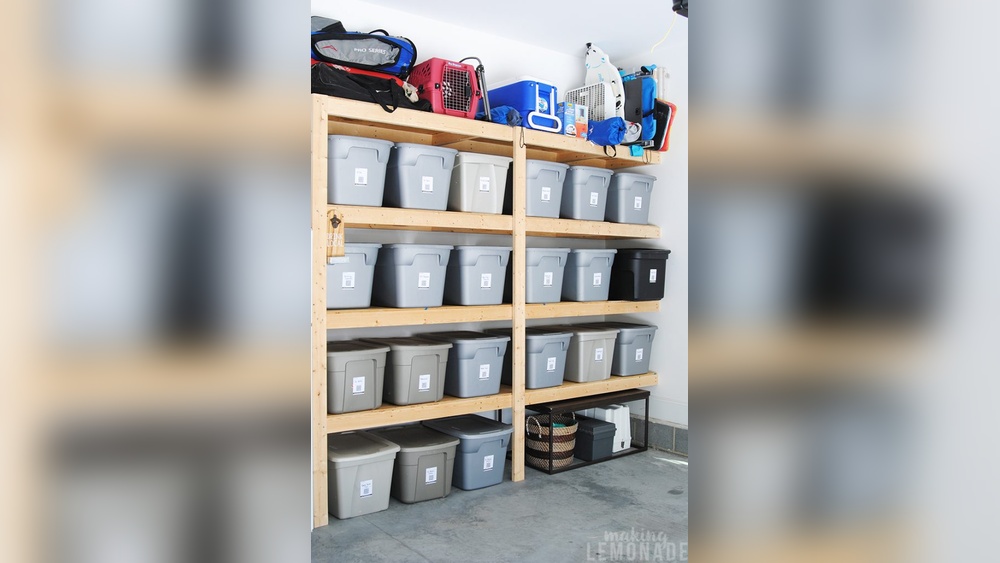
Choosing the right containers makes moving easier and more organized. Containers protect your items and help you find them quickly. The right choice saves space and reduces damage risk. Plan your container selection based on what you need to pack and how you will transport it.
Use Clear Bins For Visibility
Clear bins let you see the contents without opening them. This helps identify items fast during unpacking. They are perfect for storing items you need often. Clear containers also reduce the chance of forgetting what is inside. Use lids to keep dust and dirt away.
Select Uniform Sized Boxes
Uniform boxes stack neatly and save space in the moving truck. They are easier to carry and organize by room or category. Using the same size box makes packing and unpacking faster. Choose sturdy boxes that can hold the weight of your items safely.
Pack Small Furniture In Boxes
Small furniture pieces like nightstands fit well inside boxes. This protects them from scratches and damage during the move. Remove legs if possible and wrap them separately. Fill empty spaces with soft materials to prevent shifting. Label boxes clearly to know what’s inside.
Label And Inventory Boxes
Labeling and inventorying boxes is a smart move for any home relocation. It saves time and reduces stress during unpacking. Clear labels help you find essentials fast. Keeping track of all your items avoids losing things in the shuffle.
Organizing your boxes with a good system makes the moving process smoother. It also helps your new space stay tidy from day one. Here are some simple tips to label and inventory boxes effectively.
Room-by-room Labeling
Label each box with the room it belongs to. Write the room name in big, clear letters. This way, movers know exactly where to place each box. It also speeds up unpacking since you can unpack by room.
Include a brief description of the box contents. For example, “Kitchen – Pots and Pans” or “Bedroom – Towels.” This helps you find what you need without opening every box.
Create A Digital Inventory
Make a list of all your boxes and their contents on your phone or computer. Use a simple app or spreadsheet to keep track. This digital inventory helps you check off boxes as they arrive.
You can add notes like box condition or priority for unpacking. Having a digital record prevents losing track of your belongings. It also helps if you need to claim insurance for damaged items.
Color-code For Quick Access
Use colored stickers or markers for each room or category. For example, red for kitchen, blue for bedroom, green for bathroom. This visual system speeds up sorting and placement of boxes.
Color-coding makes it easy to spot important boxes at a glance. Movers and family members can quickly identify where to put each box. It saves time and keeps your move organized.
Maximize Vertical Space
Maximizing vertical space is a smart way to increase storage without using more floor area. It helps keep your home tidy and organized, especially during a move. Using the walls and high spots allows you to store more items efficiently.
Vertical storage solutions make unpacking easier and speed up the settling process. They also create a cleaner look by reducing clutter on surfaces and floors. Try these simple ideas to use your vertical space well.
Install Floating Shelves
Floating shelves add storage without bulky furniture. They fit in small or narrow spaces on walls. Use them in kitchens, living rooms, or bedrooms to hold books, decor, or daily items.
These shelves keep things off counters and floors. Choose sturdy materials and secure them well to hold heavier objects. They also add style and keep your home looking neat.
Use Pegboard Shelving
Pegboards offer flexible storage for tools, kitchen gadgets, or craft supplies. Hang baskets, hooks, or small shelves on the board to suit your needs. Change the layout anytime for different items.
They work great in garages, kitchens, or home offices. Pegboards save space by keeping items visible and easy to reach. This reduces the time spent searching for things after moving.
Hang Hooks And Racks
Hooks and racks are simple but effective for vertical storage. Hang coats, bags, hats, or kitchen utensils on them. Use behind doors, inside closets, or on empty wall spots.
They help keep floors clear and organize daily essentials. Choose hooks with strong mounts to hold heavier items safely. This small addition can make a big difference in your new home.
Use Multi-functional Furniture
Choosing multi-functional furniture helps save space and keeps your new home tidy. These pieces offer storage and serve other purposes. They are perfect for tight spaces during and after your move. You get more room without clutter.
Furniture With Built-in Storage
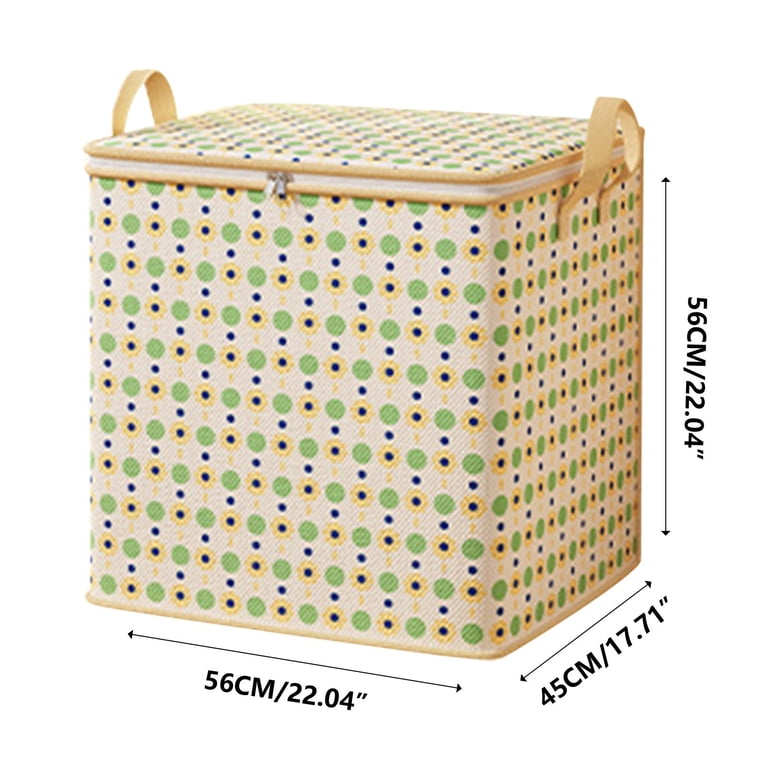
Furniture with built-in storage hides your items neatly. Sofas and ottomans often have hidden compartments. Use them for books, blankets, or moving essentials. This reduces the need for extra boxes or bins. It keeps your space clean and organized.
Bed Drawers And Under-bed Storage
Beds with drawers add extra storage without taking more floor space. Store clothes, shoes, or seasonal items in these drawers. Under-bed storage boxes also work well for bulky items. They keep your belongings out of sight but easy to reach.
Wardrobe And Clothing Racks
Wardrobes and clothing racks help organize clothes efficiently. Choose racks with shelves or hooks for shoes and accessories. Portable wardrobes are great for temporary or small spaces. They make unpacking faster and keep your clothes wrinkle-free.
Credit: www.walmart.com
Organize Moving Essentials
Organizing your moving essentials saves time and reduces stress on moving day. Prepare key items in advance to keep them within reach. This simple step helps you stay calm and ready for any situation. Focus on packing important things separately from other boxes. It makes your move smoother and more efficient.
Pack A Moving Essentials Bag
Fill a bag with daily necessities for easy access. Include snacks, water, phone chargers, and a change of clothes. Add basic toiletries like toothpaste and soap. Keep medications and small tools handy. This bag stays with you during the move. It prevents searching through many boxes for simple items.
Keep Important Documents Handy
Gather all vital papers in one place. Include IDs, contracts, and financial documents. Use a folder or a small box to store them. Carry these documents yourself during the move. Avoid packing them with other household items. Quick access avoids delays and confusion.
Prepare A First-night Box
Pack essentials for your first night in the new home. Include bedding, towels, and basic kitchen tools. Add a few plates, cups, and utensils. Include a flashlight and phone charger. This box helps you settle quickly without unpacking everything. It ensures comfort and convenience after a long day.
Plan The Unpacking Process
Planning the unpacking process makes moving less stressful and more efficient. It helps you settle in quickly and keeps your home organized from day one. A clear plan saves time and avoids clutter piling up in your new space.
Focus on setting up important areas first, then unpack room by room. Use a gradual organization strategy to avoid feeling overwhelmed. This approach turns unpacking into a smooth, manageable task.
Set Up Key Areas First
Start by arranging essential areas like the kitchen, bathroom, and bedroom. These spaces need to be functional right away. Unpack items such as bedding, toiletries, and basic kitchen tools first. This helps you live comfortably while organizing the rest of the house.
Unpack Room By Room
Work on one room at a time. Focus on finishing each space before moving to the next. This prevents scattered boxes and clutter. It also gives a sense of accomplishment and clear progress. Label boxes by room to make this easier.
Gradual Organization Strategy
Organize slowly to avoid stress and fatigue. Start with placing items where they belong without perfect sorting. Then, over time, arrange things neatly and add storage solutions. This method keeps your home tidy and lets you adjust as needed.
Creative Storage Hacks
Creative storage hacks make moving easier and keep your new home tidy. They help use space well and save time unpacking. Small changes can make a big difference in organizing.
Diy Drawers With Boxes
Turn simple boxes into extra drawers inside cabinets. Use sturdy cardboard or plastic boxes. Slide them in and out to store small items. Label each box for quick access. This saves space and keeps things neat.
Use Lazy Susans In Cabinets
Place a lazy Susan in kitchen or bathroom cabinets. It spins to show all items at once. Great for spices, sauces, or toiletries. No more digging in the back of shelves. Makes finding things fast and easy.
Store Seasonal Items Efficiently
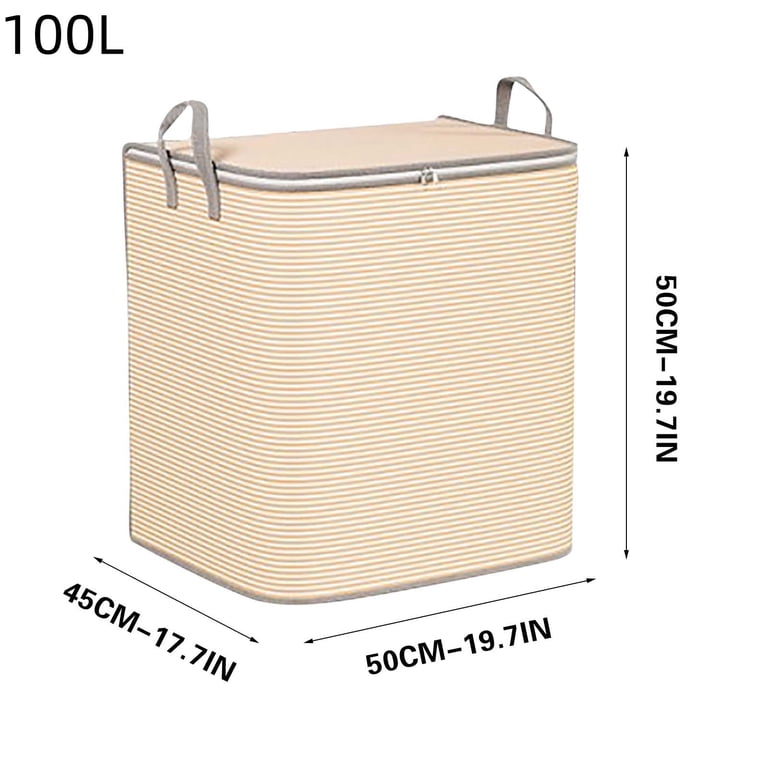
Store seasonal clothes and decorations in clear bins. Label each bin by season or holiday. Keep them in closets or under beds. Rotate items as the seasons change. This frees up daily space and keeps clutter down.
Maintain Organization After Move
Keeping your home organized after a move is key to feeling settled and comfortable. Unpacking can be stressful, but a clear plan helps maintain order. Simple habits and systems make a big difference in avoiding clutter and chaos.
Create A Paper Filing System
Sort important documents like bills, receipts, and warranties right away. Use labeled folders or a filing box to keep papers neat. This prevents piles from building up on tables or counters. A simple system saves time and stress later.
Group Similar Items Together
Place items of the same kind in one spot. Group kitchen tools, office supplies, or cleaning products together. It makes finding things faster and keeps rooms tidy. Use bins or shelves to keep groups clearly separated.
Regular Decluttering Routine
Set a weekly or monthly time to remove unused items. Throw away, donate, or recycle what you no longer need. This habit stops clutter from growing and keeps spaces fresh. Staying consistent keeps your home organized long term.
Credit: www.walmart.com
Frequently Asked Questions
What Are The Best Storage Solutions For Moving?
The best storage solutions include clear bins, labeled boxes, and furniture with built-in storage. These keep items organized and easy to find during the move.
How Can I Declutter Before Moving?
Declutter by sorting items into keep, donate, and discard piles. This reduces moving load and streamlines unpacking in your new home.
How Do I Organize Fragile Items For Moving?
Use bubble wrap, packing paper, and sturdy boxes. Clearly label fragile boxes and pack them separately to avoid damage.
What’s The Smartest Way To Pack Room By Room?
Packing room by room keeps items grouped and organized. Label boxes by room to simplify unpacking and setup at your new place.
Conclusion
Moving can feel overwhelming without smart storage plans. Decluttering first frees up space and reduces stress. Use clear bins to see your items quickly. Label each box with its room and contents. Furniture with built-in storage saves space and adds function.
Pack essentials separately for easy access on moving day. Set up key areas first to settle in faster. Taking these steps makes unpacking smoother and your new home organized. Small efforts lead to big results in home storage and organization.


