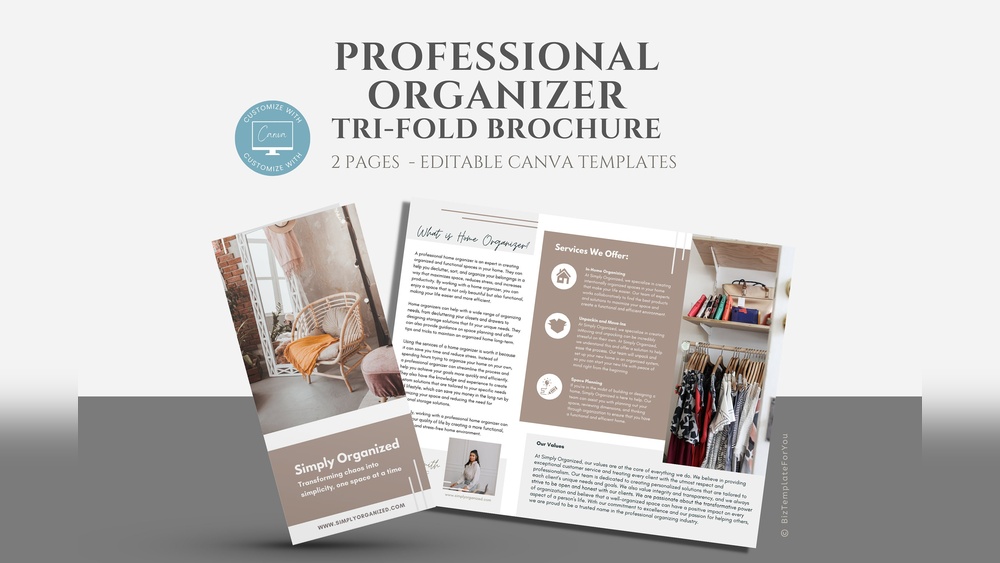

Is your home feeling crowded, messy, or just plain overwhelming? You’re not alone.
Finding the right balance between decluttering, smart space planning, and effective storage solutions can transform your living space into a calm, organized haven. Imagine walking into your home and instantly feeling relaxed because everything has its place—and you know exactly where to find it.
You’ll discover simple, practical tips to clear the clutter, design your space thoughtfully, and create storage solutions that actually work for you. Ready to take control of your home and make it truly yours? Let’s dive in and unlock the secrets to a beautifully organized life.
Decluttering Tips
Decluttering is the first step toward a clean, organized home. It frees up space and reduces stress. This process feels easier with clear tips. Follow simple methods to make your home neat and tidy. Each tip helps you sort through your belongings and decide what to keep.
Setting Realistic Goals
Start with small, clear goals. Choose one area to work on at a time. Set a time limit, like 30 minutes per day. This keeps the task manageable. Realistic goals prevent burnout and keep motivation high. Celebrate small wins to stay encouraged.
Room-by-room Approach
Focus on one room at a time. This makes decluttering less overwhelming. Begin with easier rooms like the bathroom or kitchen. Move to bigger areas after finishing smaller ones. This method shows progress quickly and builds momentum.
Sorting And Sorting Methods
Sort items into categories: keep, donate, sell, or trash. Use boxes or bags for each group. Try the “Four-Box Method” to stay organized. This method speeds up decision-making. Avoid holding on to things you rarely use.
Handling Sentimental Items
Sentimental items are hard to part with. Limit yourself to a small box for these treasures. Take photos of items you want to remember but cannot keep. Share stories behind items with family to honor memories. This helps you keep memories without clutter.
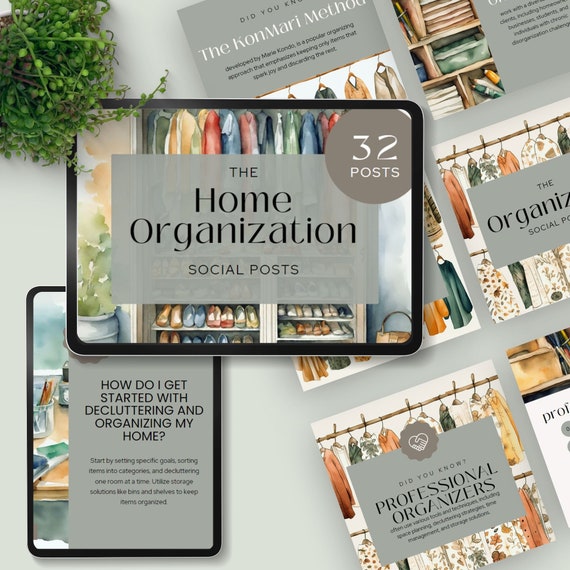
Credit: www.etsy.com
Home Organizing Hacks
Home organizing hacks help create neat, functional spaces without stress. These simple tips save time and make your home feel larger. Small changes bring big results in decluttering and storage.
Maximizing Vertical Space
Use your walls for shelves, hooks, and racks. Vertical storage frees floor space and keeps items visible. Tall bookcases and hanging organizers work well. Stackable bins and wall-mounted baskets increase storage without crowding rooms.
Using Multi-functional Furniture
Choose furniture that serves more than one purpose. Beds with drawers or ottomans with storage hide clutter smartly. Fold-out desks and nesting tables save space in small rooms. This approach reduces the need for extra storage units.
Labeling And Categorizing
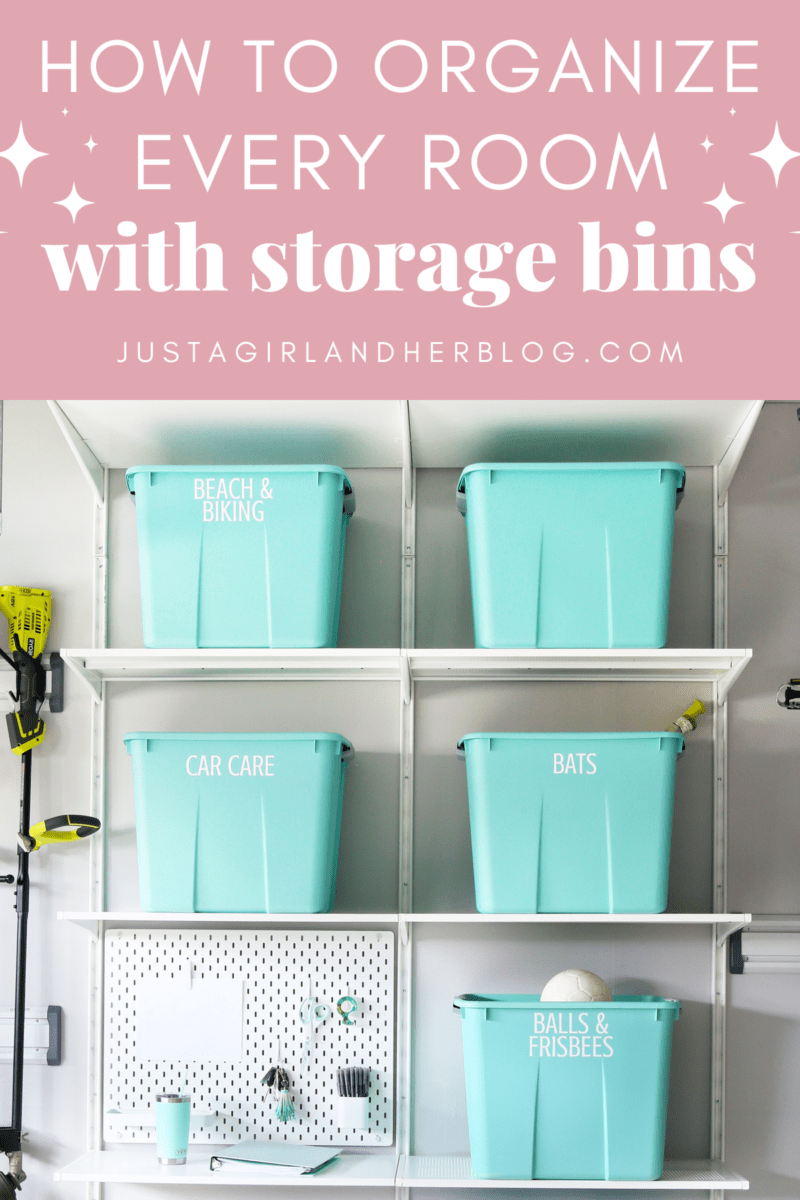
Sort items by type and label storage containers clearly. Labels help find things quickly and keep spaces organized. Use simple words or pictures for easy recognition. Group similar items together to avoid clutter buildup.
Daily Maintenance Habits
Spend a few minutes each day tidying up. Put things back where they belong immediately. Regular small efforts prevent mess from growing. Make it a habit to clear surfaces and organize before bed.
Space Planning Strategies
Effective space planning is key to a well-organized home. It helps you use every inch wisely. Thoughtful planning creates a balanced, comfortable living area. It improves daily routines and reduces clutter stress.
Focus on clear strategies to design your space. These methods guide your decluttering and storage solutions. They make your home functional and inviting.
Assessing Your Space
Start by measuring your room dimensions. Note windows, doors, and fixed features. Identify unused or overcrowded areas. Understand natural light and ventilation sources. This helps plan storage and furniture placement. Knowing your space limits clutter buildup.
Creating Functional Zones
Divide your room into zones based on activities. For example, sleeping, working, and relaxing areas. Each zone needs specific storage options. Keep items close to where you use them. This reduces unnecessary movement and saves time. Functional zones make your home more efficient.
Traffic Flow Considerations
Plan clear paths for easy movement. Avoid blocking doorways or windows with furniture. Leave enough space for walking comfortably. Good traffic flow prevents accidents and clutter buildup. It keeps the home feeling open and airy.
Adjusting Layouts For Flexibility
Choose furniture that can move or serve multiple purposes. Use modular pieces to adapt to changing needs. Create open spaces that allow rearrangement. Flexibility helps manage clutter as your lifestyle changes. This approach supports long-term organization.
Storage Solutions
Efficient storage solutions create order in any home. Thoughtful storage helps keep spaces tidy and items easy to find. Smart planning increases usable space and reduces clutter. Storage ideas fit all home sizes and styles. Explore practical and creative ways to store belongings effectively.
Creative Storage For Small Spaces
Small spaces need clever storage ideas. Use multi-functional furniture like beds with drawers. Stackable bins and baskets save floor space. Keep items visible with clear containers. Use corner shelves to fill empty areas. Foldable or collapsible storage hides things when not in use. Creativity turns tight spots into useful storage zones.
Built-in Storage Options
Built-in storage fits perfectly in your home. Cabinets, shelves, and closets can be custom-made. Built-ins use awkward spaces like under stairs or eaves. They blend with your home’s style for a neat look. These solutions keep items organized and out of sight. A good investment that adds value and function.
Using Wall And Ceiling Space
Walls and ceilings hold great storage potential. Install hooks, pegboards, or floating shelves to clear counters. Overhead racks store rarely used items safely. Vertical storage frees up floor space instantly. This method works well in kitchens, garages, and laundry rooms. Use high spaces for seasonal or bulky items.
Outdoor Storage Ideas
Outdoor areas also need organized storage. Weatherproof bins protect garden tools and toys. Storage benches combine seating and hidden space. Use sheds or lockable cabinets for secure storage. Vertical trellises with hooks hold hoses and equipment. Keep your outdoor space tidy with smart storage solutions.
Organizing Specific Areas
Organizing specific areas in your home creates a calm and functional space. Each room serves a unique purpose. Tailored organizing and storage solutions improve daily life. Focus on decluttering and planning for every space. Create easy-to-maintain setups that fit your lifestyle.
Kitchen And Pantry
Keep your kitchen tidy by grouping similar items together. Use clear containers to store dry goods. Label shelves for quick identification. Install pull-out drawers for pots and pans. Maximize vertical space with hanging racks or hooks. A clean kitchen saves time and reduces stress.
Living Room And Entryway
Choose furniture with built-in storage for small items. Use baskets to hold remote controls and magazines. Keep shoes and coats organized near the door. Add hooks for bags and keys to avoid clutter. A well-organized living area welcomes guests and feels relaxing.
Bedroom And Closet
Sort clothes by type and season for easy access. Use drawer dividers to separate small accessories. Install extra shelves to hold shoes or bags. Opt for slim hangers to save space. Clear storage boxes help keep items visible and dust-free.
Home Office Setup
Designate zones for work, storage, and supplies. Use filing cabinets or boxes to organize documents. Keep cables neat with clips or sleeves. Choose a desk with drawers to hide clutter. Bright lighting boosts focus and productivity.
Garage And Attic
Use wall-mounted shelves for tools and equipment. Hang bikes and ladders to free floor space. Label storage bins clearly for easy finding. Store seasonal items in airtight containers. Keep pathways clear to improve safety and access.
Credit: justagirlandherblog.com
Technology And Data Storage
Technology plays a big role in our homes today. Managing digital clutter and data storage is as important as organizing physical spaces. A neat digital environment helps save time and reduces stress. It also protects important memories and work documents from loss.
Simple steps can make digital organizing easy. Decluttering files, backing up data, and using smart storage devices keep your home data safe and tidy. These methods fit well with overall home organizing and space planning.
Digital Decluttering
Start by deleting old and unused files. Remove duplicate photos, videos, and documents. Clear downloads and desktop folders regularly. Organize remaining files into clear folders with simple names. This makes finding things faster and easier. A clean digital space feels less crowded.
Backing Up Important Files
Backup protects your data from loss due to device failure. Use cloud services or external hard drives to copy files. Schedule automatic backups to keep data updated. Store backups in more than one place for safety. This way, your important files stay secure and accessible.
Organizing Home Data
Group files by type or project for better organization. Use consistent naming rules to find files quickly. Label photos by date or event. Keep bills and receipts in a separate folder. Regularly review and update your digital files to avoid buildup.
Smart Storage Devices
Smart devices help manage and store data efficiently. Network-attached storage (NAS) lets multiple devices access files easily. Wireless drives offer portable storage without cables. Some devices include automatic backup and file syncing features. These tools save space and keep data organized at home.
Maintaining An Organized Home
Maintaining an organized home takes effort beyond the initial setup. It requires regular care and smart habits. Keeping spaces tidy helps reduce stress and saves time. An organized home feels welcoming and comfortable every day. Simple routines and family teamwork make this task easier to manage.
Regular Decluttering Schedule
Set a weekly or monthly time to declutter small areas. Focus on one room or drawer at a time. This prevents clutter from building up again. Use a timer to keep sessions short and focused. Consistency helps keep your home neat without overwhelming work.
Involving Family Members
Ask family members to join organizing efforts. Assign simple tasks to kids and adults alike. Make it a shared responsibility, not just one person’s job. Teach kids to put away their belongings after use. Teamwork creates lasting habits and less mess overall.
Adapting Systems Over Time
Review your storage and organizing systems regularly. Change them if they no longer fit your needs. Growth and lifestyle shifts may require new solutions. Stay flexible and open to trying different methods. This keeps your home functional and clutter-free.
Avoiding Common Pitfalls
Don’t let clutter pile up before tackling it. Avoid buying storage containers without a plan. Keep only items you truly use or love. Resist the urge to overfill shelves or bins. Clear zones regularly to maintain order and ease of access.
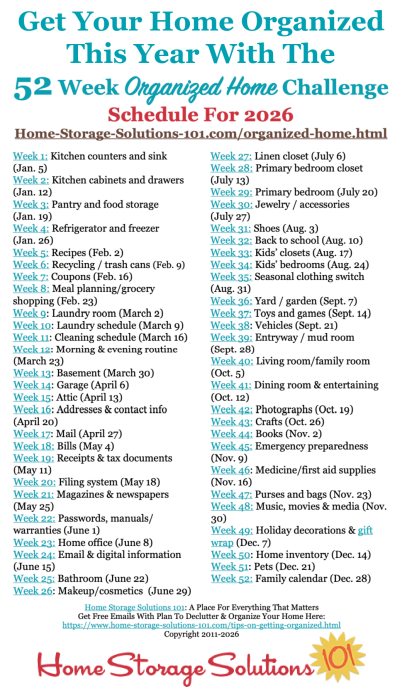
Credit: www.home-storage-solutions-101.com
Frequently Asked Questions
What Is The Best Way To Start Home Decluttering?
Begin by sorting items into keep, donate, and discard piles. Focus on one room at a time to avoid overwhelm. Setting a realistic timeline helps maintain progress. This method simplifies decisions and creates a clear path to a clutter-free home.
How Can Space Planning Improve Home Organization?
Space planning optimizes room layouts for functionality and flow. It ensures storage solutions fit well and maximize available space. Thoughtful planning reduces clutter by assigning specific spots for items. This approach creates an efficient, comfortable living environment.
What Are Effective Storage Solutions For Small Spaces?
Use vertical storage like wall shelves and hooks to save floor space. Multi-functional furniture with hidden storage also works well. Clear bins and labels keep items visible and accessible. These strategies maximize space and maintain order in compact areas.
How Often Should I Declutter My Home?
Decluttering every 3 to 6 months prevents accumulation of unnecessary items. Regular reviews keep your home organized and stress-free. Scheduling seasonal decluttering aligns with wardrobe or holiday changes. Consistency is key to maintaining a tidy space.
Conclusion
Organizing your home brings calm and clarity to daily life. Clear spaces help you find things quickly and reduce stress. Plan your storage to fit your needs and space well. Use simple solutions like shelves, bins, and hooks to save space.
Decluttering regularly keeps your home tidy and easy to manage. Small steps each day make a big difference over time. Enjoy the comfort of a well-planned, organized home.

