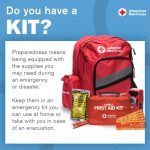

Imagine facing an unexpected emergency without a clear plan—how would you react? Having a well-structured emergency preparedness plan can make all the difference in protecting your loved ones, property, and peace of mind.
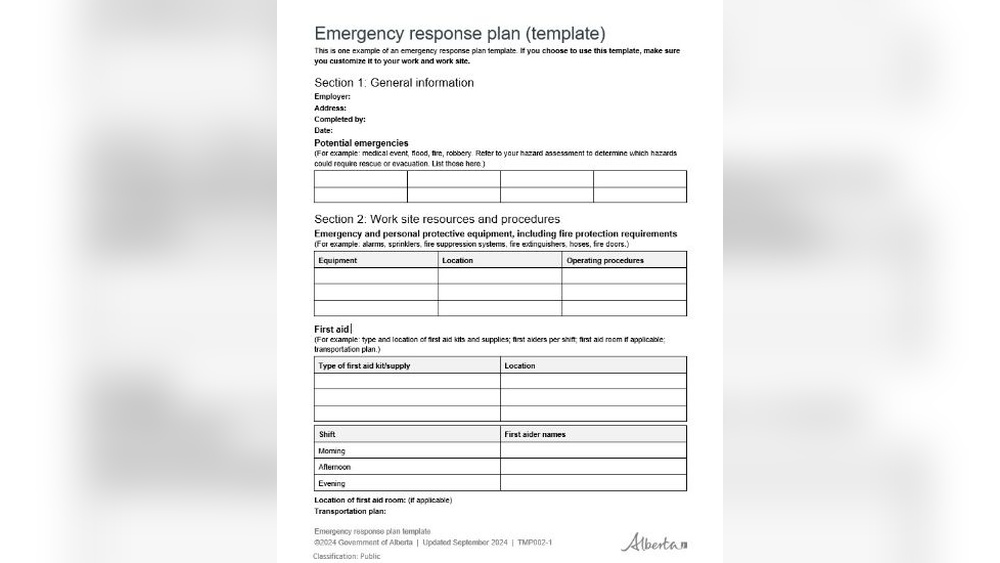
But where do you start? This template for an emergency preparedness plan is designed to guide you step-by-step in creating a customized, easy-to-follow strategy tailored to your needs. By using this template, you’ll feel confident and ready to handle any crisis swiftly and effectively.
Keep reading to discover how simple it is to prepare today and safeguard your tomorrow.

Credit: www.communitycommons.org
Key Elements
Creating an effective emergency preparedness plan requires careful attention to several key elements. These elements work together to ensure safety and order during unexpected events. Each part of the plan plays a vital role in minimizing risks and protecting lives.
Risk Assessment
Start by identifying possible hazards in your area. Evaluate how likely each risk is to happen. Understand the impact these risks could have on people and property. This step helps prioritize actions and resources.
Emergency Contacts
List important phone numbers and addresses. Include local emergency services, hospitals, and utility companies. Add contacts for key staff and family members. Keep this list updated and easy to access.
Communication Plan
Define how information will be shared during an emergency. Choose clear methods such as phone calls, texts, or emails. Assign roles for who communicates with whom. Ensure everyone knows the plan and practices it.
Evacuation Procedures
Outline clear steps for safe evacuation. Identify all exit routes and safe meeting places. Include plans for people with special needs or pets. Make sure everyone understands what to do and where to go.
Resource Management
Keep track of available supplies and equipment. Plan how to store and access emergency kits, food, and water. Assign responsibility for managing resources. Regularly check and update supplies to stay prepared.
Types Of Emergencies
Emergencies come in many forms. Each type needs a specific plan. Knowing the types helps prepare better. This section explains common emergencies to include in your plan.
Natural Disasters
Natural disasters include floods, hurricanes, earthquakes, and tornadoes. These events cause damage and disrupt daily life. Plans should cover evacuation routes and safe shelters. Prepare emergency kits with essentials like water and food.
Fires
Fires can start quickly and spread fast. Smoke alarms and fire extinguishers are vital. Your plan must include escape routes and meeting points. Practice fire drills regularly to ensure safety.
Medical Emergencies
Medical emergencies require quick response. This includes heart attacks, injuries, or allergic reactions. Keep first aid kits accessible. Know who to call for emergency medical help.
Security Threats
Security threats involve intruders or violence. Have a plan to lock doors and hide safely. Inform local authorities immediately. Train staff or family on how to respond calmly.
Power Outages
Power outages can disrupt heating, lighting, and communication. Store flashlights and batteries. Have backup power sources if possible. Keep important documents and devices charged.
Preparation Steps
Preparation steps form the foundation of an effective emergency preparedness plan. They ensure readiness and reduce risks during a crisis. Careful planning helps protect lives and property.
This section outlines key preparation steps every organization or household should follow. Each step builds confidence and improves safety.
Creating Emergency Kits
Emergency kits hold essential supplies for survival. Include water, non-perishable food, first-aid items, and flashlights. Add batteries, blankets, and important documents. Kits should be easy to carry and accessible.
Check and update kits regularly. Replace expired food and batteries. Customize kits for specific needs like medications or baby supplies.
Training And Drills
Training teaches people how to respond during emergencies. Conduct drills to practice evacuation and safety procedures. Drills help identify weaknesses and improve response times.
Use simple instructions and repeat drills often. Include everyone in the training to build confidence and teamwork.
Assigning Roles
Clear roles prevent confusion during an emergency. Assign specific tasks like communication, first aid, or evacuation support. Ensure everyone knows their responsibilities.
Designate backups in case someone is unavailable. Regularly review and update roles as needed.
Establishing Safe Zones
Safe zones are secure areas for shelter or meeting points. Identify indoor and outdoor safe spots based on the type of emergency. Mark zones clearly and inform all participants.
Safe zones must be accessible and protected from hazards. Practice moving to these zones during drills for familiarity.
Plan Implementation
Implementing an emergency preparedness plan requires clear action and strong organization. This phase ensures that all parts of the plan work smoothly during a crisis. Each step must be practiced and understood by everyone involved. Effective implementation protects lives and property by reducing confusion and delays.
Communication During Crisis
Clear communication is vital in emergencies. Use simple and direct messages to keep everyone informed. Assign roles for who shares updates and how often. Keep communication lines open across all teams. Use multiple channels like phones, radios, and emails to reach everyone.
Coordination With Authorities
Work closely with local emergency services and government agencies. Share your plan with them before a crisis. Follow their guidance and instructions during events. Establish a clear point of contact for quick decision-making. Cooperation improves resource use and speeds up response efforts.
Real-time Monitoring
Track the situation continuously to respond fast. Use tools like sensors, cameras, or apps to watch key areas. Collect data and share updates with the team regularly. Early detection of changes helps avoid bigger problems. Monitor weather, fire, or security alerts depending on risks.
Adjusting Plans
Stay flexible and ready to change the plan as needed. Emergencies can evolve quickly and may need new actions. Review what works and what does not during drills or real events. Update procedures based on lessons learned. Keeping the plan current ensures better safety in future crises.
Plan Maintenance
Maintaining an emergency preparedness plan is vital to ensure its effectiveness. A plan is not a one-time task. It needs constant care to stay relevant and reliable. Proper maintenance helps adapt to new risks and changes in your environment.
Regular Updates
Update the plan regularly to match new information. Risks may change over time. New hazards might appear. Keep contact lists current and check resource availability. Regular updates prevent surprises during emergencies.
Reviewing After Incidents
After any emergency, review the plan carefully. Identify what worked well and what did not. Use real events as learning tools. Modify the plan based on these insights. This process strengthens your preparedness for future incidents.
Continuous Training
Train your team continuously on the emergency plan. Practice drills build confidence and skill. Training helps everyone understand their roles clearly. Regular exercises keep the team ready and reduce panic during real emergencies.
Feedback Integration
Collect feedback from all involved in the plan. Encourage honest opinions and suggestions. Use this input to improve the plan. Feedback integration ensures the plan meets everyone’s needs and stays practical.

Credit: venngage.com
Tools And Resources
Having the right tools and resources is essential for creating a strong emergency preparedness plan. These help organize actions, track progress, and ensure nothing is missed during a crisis. Access to various templates, software, and community support makes planning easier and more effective. Reliable government guidelines provide clear steps to follow and keep plans up to date.
Templates And Checklists
Templates offer a clear format for emergency plans. They outline important sections like contact lists, evacuation routes, and supply inventories. Checklists help track tasks before, during, and after an emergency. Using these tools saves time and reduces stress. They also ensure plans cover all critical points.
Software Solutions
Specialized software can simplify emergency planning. Many programs allow easy updates and sharing with team members. Some include alerts and communication features for real-time coordination. These tools help keep everyone informed and prepared. They also store important documents securely in one place.
Community Resources
Local groups and organizations offer valuable support. Fire departments, health agencies, and volunteer groups provide training and advice. Community centers often host preparedness workshops and drills. Connecting with neighbors builds a stronger safety network. Sharing resources can improve response and recovery efforts.
Government Guidelines
Official guidelines set standards for emergency preparedness. They cover topics like hazard identification, risk assessment, and response procedures. Following government advice ensures compliance with laws and safety regulations. Agencies like FEMA provide free resources and templates online. Regularly checking these updates keeps plans current and effective.

Credit: ivinsutah.gov
Frequently Asked Questions
What Is An Emergency Preparedness Plan Template?
An emergency preparedness plan template is a pre-designed document. It guides organizations or individuals in creating effective response strategies. The template helps identify risks, assign roles, and outline communication protocols. Using a template ensures readiness for various emergencies, improving safety and minimizing damage.
Why Use A Template For Emergency Preparedness Plans?
Templates save time and ensure comprehensive coverage. They provide a structured format to include all critical elements. Using a template reduces the chance of missing important details. It also helps maintain compliance with legal and safety regulations.
What Key Elements Should An Emergency Plan Include?
A good plan includes risk assessment, communication strategies, evacuation routes, and resource lists. It defines roles and responsibilities clearly. It also outlines procedures for different emergency scenarios. Regular review and updates are essential for effectiveness.
How Often Should An Emergency Preparedness Plan Be Updated?
Emergency plans should be reviewed and updated at least annually. Updates are also necessary after drills, incidents, or changes in resources. Regular revisions ensure the plan remains relevant and effective.
Conclusion
Using a clear emergency preparedness plan keeps everyone safer. A simple template helps organize important steps fast. Regular updates ensure the plan stays useful and relevant. Practice drills build confidence and reveal needed changes. Share the plan with your team or family often.
Being ready reduces stress during unexpected events. Stay calm, follow the plan, and protect your loved ones. Preparedness saves time and may save lives in emergencies. Start with a good template and build from there.