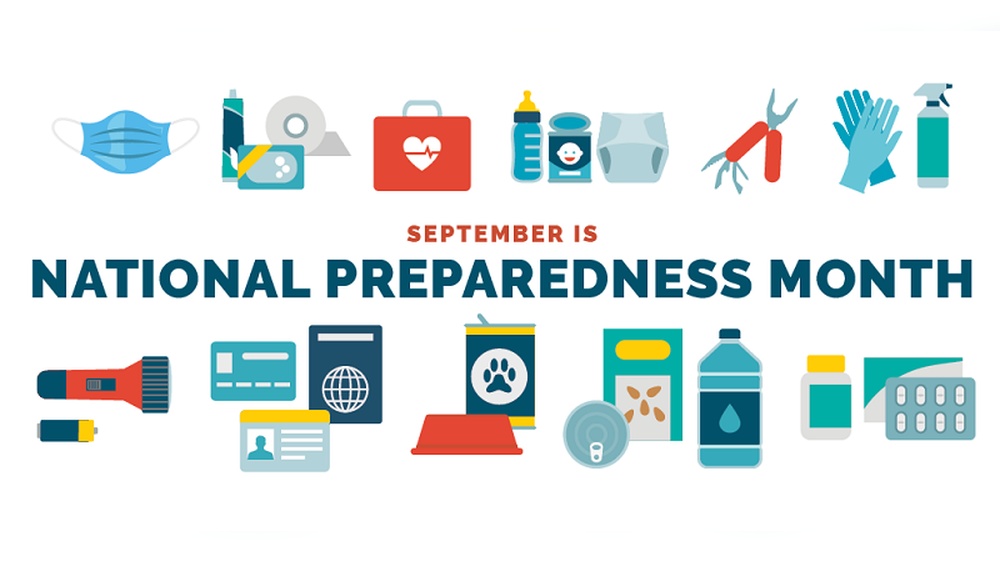

September is National Emergency Preparedness Month—a crucial time to ask yourself: Are you truly ready for unexpected disasters? Whether it’s a storm, power outage, or any emergency, your safety depends on the steps you take now.
This month is all about empowering you with simple, practical ways to protect your home, family, and community. Don’t wait for a crisis to strike; learn how to prepare effectively so you can face any situation with confidence. Keep reading to discover easy-to-follow tips that can make a life-saving difference when it matters most.
Purpose Of National Emergency Preparedness Month
National Emergency Preparedness Month aims to raise awareness about disaster readiness. It reminds people to prepare for emergencies before they happen. The month encourages action to reduce risks and protect lives. Its goal is clear: create a culture of preparedness across the country.
Preparedness means knowing what to do during a crisis. It involves planning, gathering supplies, and staying informed. This helps individuals and communities face disasters with confidence. The purpose is to build stronger, safer homes, businesses, and neighborhoods.
Encouraging Readiness Across America
National Emergency Preparedness Month inspires people everywhere to act. It spreads important messages through schools, workplaces, and media. The aim is to make readiness a part of daily life. Everyone can learn simple steps to stay safe. Preparedness is not just for experts; it is for all.
Focus On Homes, Businesses, And Communities
The month highlights preparedness at every level. Families learn to create emergency plans and kits. Businesses plan to protect employees and operations. Communities work together to support each other in crises. This shared focus builds resilience and saves lives. Preparedness starts with small actions in familiar places.
Credit: emergency.lacity.gov
Creating A Family Emergency Plan
Creating a family emergency plan is a vital step during National Emergency Preparedness Month. It helps your family stay safe and connected during unexpected events. A clear plan reduces panic and confusion. Each member knows what to do and where to go.
Start by setting meeting points. These are safe locations where your family can gather if you must leave your home. Choose places both near and far. This ensures everyone has a backup spot if the first is not safe or accessible.
Setting Meeting Points
Pick one meeting point near your home, like a neighbor’s house or a local park. This is useful if you must leave quickly. Also, select a second meeting place farther away, such as a community center or library. This helps if the whole neighborhood is affected.
Make sure every family member knows these spots well. Practice reaching them to build confidence and speed.
Assigning Responsibilities
Give each family member specific tasks. Assign someone to gather emergency supplies. Another person can check on pets or shut off utilities. Clear roles prevent chaos and save time.
Keep responsibilities age-appropriate. Young children can help pack bags or carry important documents. Adults handle more complex tasks like contacting emergency services.
Choosing An Out-of-town Contact
Pick a trusted person who lives outside your area. This contact can share information between family members if local phone lines are busy. Make sure everyone has this person’s phone number saved.
Choose someone who is reliable and checks messages often. This contact acts as a central point for updates and support during emergencies.
Building An Emergency Supply Kit
Building an emergency supply kit is a key step for safety during disasters. It helps you stay ready for power outages, storms, or other emergencies. A well-packed kit supports your family for at least three days. Focus on items that cover basic needs like food, water, and communication. Choose supplies that are easy to store and use. Keep your kit in a known, accessible place. Regularly check and update items to keep them fresh and useful.
Essential Food And Water
Include non-perishable food that needs no cooking. Examples are canned goods, dry snacks, and energy bars. Pack enough food for each person for at least three days. Water is the most important item. Store one gallon per person per day. This water should cover drinking and basic hygiene. Use sealed bottles or clean containers. Replace water every six months to keep it fresh.
Communication Tools And Lighting
A reliable way to get news and updates is vital. Include a battery-powered or hand-crank radio. It helps you follow emergency alerts and weather reports. Pack extra batteries for all devices. Flashlights are essential for power outages. Choose LED flashlights for longer battery life. Keep spare batteries handy. A whistle can signal for help if needed. Consider a power bank to charge phones.
Other Vital Supplies
First aid kits help manage minor injuries. Include bandages, antiseptic wipes, and pain relievers. Personal hygiene items like soap, toothpaste, and feminine products are important. Pack copies of important documents in a waterproof bag. These include IDs, insurance papers, and medical records. Don’t forget cash in small bills. Multi-purpose tools and blankets add extra safety. Customize your kit based on family needs and pets.
Credit: mil.wa.gov
Identifying Local Risks
Understanding local risks is key to preparing effectively for emergencies. Each area faces unique challenges based on geography and climate. Knowing these risks helps you plan better and stay safe. Start by learning what natural disasters are common near you. Also, consider other hazards like power outages that may occur unexpectedly.
Natural Disasters Common In Your Area
Identify the natural disasters that happen often in your region. Coastal areas may face hurricanes or floods. Mountainous zones might have landslides or wildfires. Some places deal with tornadoes or earthquakes regularly. Check local government websites or weather services for reliable information. Knowing these risks guides your emergency preparation steps.
Potential Power Outages And Other Hazards
Power outages can disrupt daily life during storms or accidents. They may last hours or even days. Plan for backup power sources or alternative lighting. Other hazards include hazardous material spills or severe weather warnings. Stay informed about local hazards through community alerts. Preparing for these events reduces stress and improves safety.
Strengthening Community Resilience
Strengthening community resilience is key during National Emergency Preparedness Month. A strong community can face emergencies with courage and speed. Preparedness is not just individual but collective. Each person’s action adds to the whole community’s safety and recovery power.
Role Of Individual Preparedness
Each person must know basic emergency steps. Having a plan and supplies ready helps reduce panic. Simple actions like storing water, food, and medicines save lives. Practicing drills at home makes sure everyone knows what to do. Individual readiness builds confidence and lessens the burden on emergency services.
Supporting Neighbors And Local Efforts
Communities thrive when neighbors help each other. Sharing resources and information makes everyone safer. Checking on elderly or disabled neighbors can prevent harm. Joining local groups or volunteer teams strengthens the support network. Active participation in community drills improves response in real emergencies.
Credit: emergencycare.hsi.com
Tips For Staying Safe During Emergencies
Emergencies can happen without warning. Staying safe requires quick thinking and preparation. This section offers simple tips to help you stay calm and protected during emergencies. Focus on managing power outages, maintaining communication, and following safety steps for different situations.
Managing Without Power
Power outages often occur during storms or natural disasters. Keep flashlights and extra batteries ready. Use candles carefully and never leave them unattended. Charge mobile devices in advance. Have a supply of bottled water and non-perishable food. Avoid opening refrigerators to keep food fresh longer. Know how to manually operate electric garage doors or gates.
Communication Strategies
Communication is vital during emergencies. Create a family plan with meeting places and contact numbers. Use text messages or social media to conserve battery power. Keep a list of emergency contacts written down. Listen to local news on battery-powered radios. Inform someone outside your area about your status. Avoid making unnecessary phone calls to keep lines open.
Safety Precautions In Various Situations
Each emergency requires different safety actions. During floods, move to higher ground immediately. If there is a fire, exit the building quickly and call for help. For earthquakes, drop, cover, and hold on until shaking stops. In severe weather, stay indoors away from windows. Keep a first aid kit accessible at all times. Follow official instructions from authorities without delay.
Resources For Emergency Preparedness
Resources for emergency preparedness help individuals and families plan ahead. These tools provide reliable information and guidance. Using the right resources can improve safety during disasters. Access to local and national resources makes preparation easier and more effective.
Government Websites And Tools
Many government websites offer free emergency preparedness guides. The Federal Emergency Management Agency (FEMA) provides checklists and planning tools. The American Red Cross website has tips for disaster readiness. These sites update regularly with the latest safety information. They also offer apps for real-time alerts and emergency updates.
Local Emergency Management Contacts
Local emergency management offices connect residents with community resources. These offices provide information on evacuation routes and shelters. Residents can sign up for local warning systems and alerts. Contacting local officials helps understand specific risks in your area. Keeping these contacts handy is important for quick communication during emergencies.
Community Programs And Training
Community programs teach skills like first aid and CPR. Many offer workshops on creating emergency kits and plans. Training sessions help build confidence to act during crises. Some communities run drills to practice evacuation and response. Joining these programs strengthens local preparedness and support networks.
Frequently Asked Questions
What Is The National Emergency Preparedness Month?
National Emergency Preparedness Month occurs every September. It encourages Americans to prepare for disasters at home, work, and in communities. The goal is to build emergency plans, gather supplies, and understand local risks to strengthen individual and community resilience during emergencies.
What Is The Theme For National Preparedness Month 2025?
The theme for National Preparedness Month 2025 is “Preparedness Starts at Home. ” It encourages families to plan, build emergency kits, and understand risks.
What Are The 5 National Preparedness Goals?
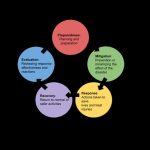
The 5 national preparedness goals are: Prevention, Protection, Mitigation, Response, and Recovery. These goals ensure safety and resilience during emergencies.
Is September A Safety Preparedness Month?
Yes, September is National Preparedness Month. It promotes emergency readiness at home, work, and communities across the U. S.
Conclusion
National Emergency Preparedness Month reminds everyone to stay ready. Prepare your home with a clear plan and supplies. Learn about risks that affect your area. Share your plan with family and neighbors. Small steps today can protect lives tomorrow. Being prepared builds safer communities for all.
Take action now to face emergencies with confidence.