Imagine a sudden storm, power outage, or unexpected emergency catching you off guard at home. Would you know what to do?
How prepared is your household to handle such a situation safely and calmly? Taking a few simple steps now to create a solid home emergency preparedness plan can make all the difference when seconds count. This isn’t about fear—it’s about giving you peace of mind and protecting what matters most: your family, your health, and your home.
Keep reading to discover easy, practical ways you can get ready today, so you’re never left wondering if you’re truly prepared when an emergency strikes.
Credit: www.snohd.org
Food And Water Supplies
Food and water are the most critical supplies during a home emergency. Proper preparation ensures your family stays nourished and hydrated. Having enough food and water reduces stress and helps maintain health in tough times.
Stocking Non-perishable Foods
Choose foods that last long without refrigeration. Canned beans, rice, pasta, and dried fruits are good choices. Keep a manual can opener handy. Rotate supplies every six months to keep food fresh. Pack comfort foods to boost morale during emergencies.
Water Storage Tips
Store at least one gallon of water per person daily. Use clean, food-grade containers for water storage. Keep water in a cool, dark place to prevent spoilage. Replace stored water every six months. Consider water purification tablets as a backup option.
Special Dietary Needs
Include foods that meet allergies or health conditions. Stock gluten-free, low-sodium, or diabetic-friendly items if needed. Don’t forget baby formula or pet food if applicable. Label special foods clearly to avoid confusion. Plan meals around available supplies to avoid waste.
Credit: www.floridadisaster.org
Health And Sanitation
Health and sanitation are vital during home emergencies. Cleanliness helps prevent illness and infection. Proper hygiene and waste management keep your family safe. Prepare well to maintain health in tough times.
Building A First-aid Kit
Start with basic supplies like bandages, antiseptic wipes, and pain relievers. Include scissors, tweezers, and adhesive tape. Add gloves and a thermometer for safety. Keep medicines for allergies and common illnesses. Store everything in a waterproof container for easy access.
Personal Hygiene Essentials
Stock up on soap, hand sanitizer, and toothpaste. Keep enough toilet paper and feminine hygiene products. Have clean towels and washcloths ready. Use disposable wipes for quick cleaning. Good hygiene reduces disease risk during emergencies.
Waste And Sanitation Management
Plan for waste disposal if water or trash services stop. Use sealed bags for garbage and keep them away from living areas. Set up a portable toilet or use buckets with tight lids. Clean waste areas regularly to avoid pests and odors. Proper sanitation protects health and comfort.
Tools And Utilities
Preparing your home for emergencies means having the right tools and utilities ready. These items help you stay safe and comfortable during power outages, storms, or other crises. Proper tools ensure you can manage basic repairs and stay connected with the outside world.
Lighting And Power Options
Flashlights and battery-powered lanterns are essential for dark situations. Keep extra batteries stored in a dry place. Solar-powered lights offer a reliable backup without needing fuel. Portable power banks can charge phones and small devices. A generator provides electricity for larger needs but requires fuel and maintenance.
Communication Devices
A battery-powered or hand-crank radio lets you receive news and emergency alerts. Keep a charged cell phone with a backup battery or power bank. Walkie-talkies work well for short-distance communication within your home or neighborhood. Write down important phone numbers on paper in case devices fail.
Utility Shutoff Tools
Know where your water, gas, and electric shutoff valves are located. Keep a sturdy wrench or pliers nearby to turn off gas or water lines safely. Shutting off utilities can prevent fires, flooding, or gas leaks after disasters. Practice how to use these tools with your family before an emergency.
Emergency Repair Supplies
Basic repair kits should include duct tape, plastic sheeting, and a hammer. Keep spare nails, screws, and a screwdriver set ready. Heavy-duty gloves protect your hands while making repairs. Rope and zip ties help secure damaged areas quickly. These supplies help fix broken windows, leaks, or other minor damage fast.
Credit: thriveahead.com
Important Documents And Communication
Preparing for emergencies means having more than basic food and water. Additional emergency supplies help you handle unexpected situations better. These items support your safety, comfort, and special needs during crises. Planning ahead with extra supplies reduces stress and keeps your family safe.
Cash And Financial Preparedness
Keep some cash in small bills ready for emergencies. ATMs and card machines might not work during power outages. Cash helps buy food, fuel, and other essentials quickly. Store cash in a safe, easy-to-reach place at home. Also, keep copies of important financial documents in a waterproof folder.
Warmth And Comfort Items
Cold weather can worsen emergency situations. Have blankets, warm clothes, and sleeping bags for each family member. Hand warmers and hats add extra protection. Comfort items like pillows or a favorite blanket help reduce anxiety. These supplies keep you warm and calm during power failures or evacuations.
Pet And Infant Care Supplies
Pets and infants need special care during emergencies. Stock enough pet food, water, and any medications. Keep carriers, leashes, and waste bags ready for pets. For infants, pack diapers, formula, bottles, and baby wipes. Having these items ensures the whole family stays healthy and comfortable.
Additional Emergency Supplies
Creating your emergency kit is a crucial step in home emergency preparedness. This kit holds essential supplies that help you survive during unexpected events. It should cover basic needs like water, food, and medical items. Planning the kit carefully ensures you are ready for different situations.
Kit Assembly Tips
Start with clean, durable containers to hold your supplies. Include at least one gallon of water per person per day for three days. Pack non-perishable foods such as canned goods, dried fruits, and nuts. Add a manual can opener for easy access to canned food. Include a first-aid kit with bandages, antiseptics, and any required medications. Don’t forget tools like a flashlight, batteries, and a multi-tool. Add copies of important documents in a waterproof bag. Consider special needs like baby items or pet food. Keep the kit simple and focused on essentials.
Storage And Accessibility
Store your emergency kit in a cool, dry place away from direct sunlight. Choose a location known to all family members. The kit should be easy to grab in a hurry. Avoid storing it in high or hard-to-reach areas. Label the container clearly for quick identification. Keep a smaller version of the kit in your car or workplace. Accessibility can save valuable time during an emergency.
Regular Maintenance And Updates
Check your emergency kit every six months. Replace expired food, water, and medications promptly. Update clothing and blankets according to the season. Review and refresh batteries and tools. Adjust supplies based on family changes, like new members or health needs. Keep an inventory list to track items and expiration dates. Regular maintenance keeps your kit ready and reliable.
Creating Your Emergency Kit
Safety planning at home is a vital step in emergency preparedness. It helps your family act quickly and calmly during a crisis. Clear plans reduce confusion and improve your chances of staying safe. Every member must understand these safety steps and practice them regularly.
Establishing Escape Routes
Identify at least two exits from each room in your home. Mark these routes clearly and keep them free of obstacles. Practice moving quickly along these paths with your family. Knowing the fastest ways out can save lives during fires or other emergencies.
Designating Meeting Spots
Choose a safe outdoor location near your home as a meeting spot. This place should be easy to find and away from danger. Make sure all family members know where to gather after escaping. A meeting spot helps confirm everyone is safe and accounted for.
Home Security Measures
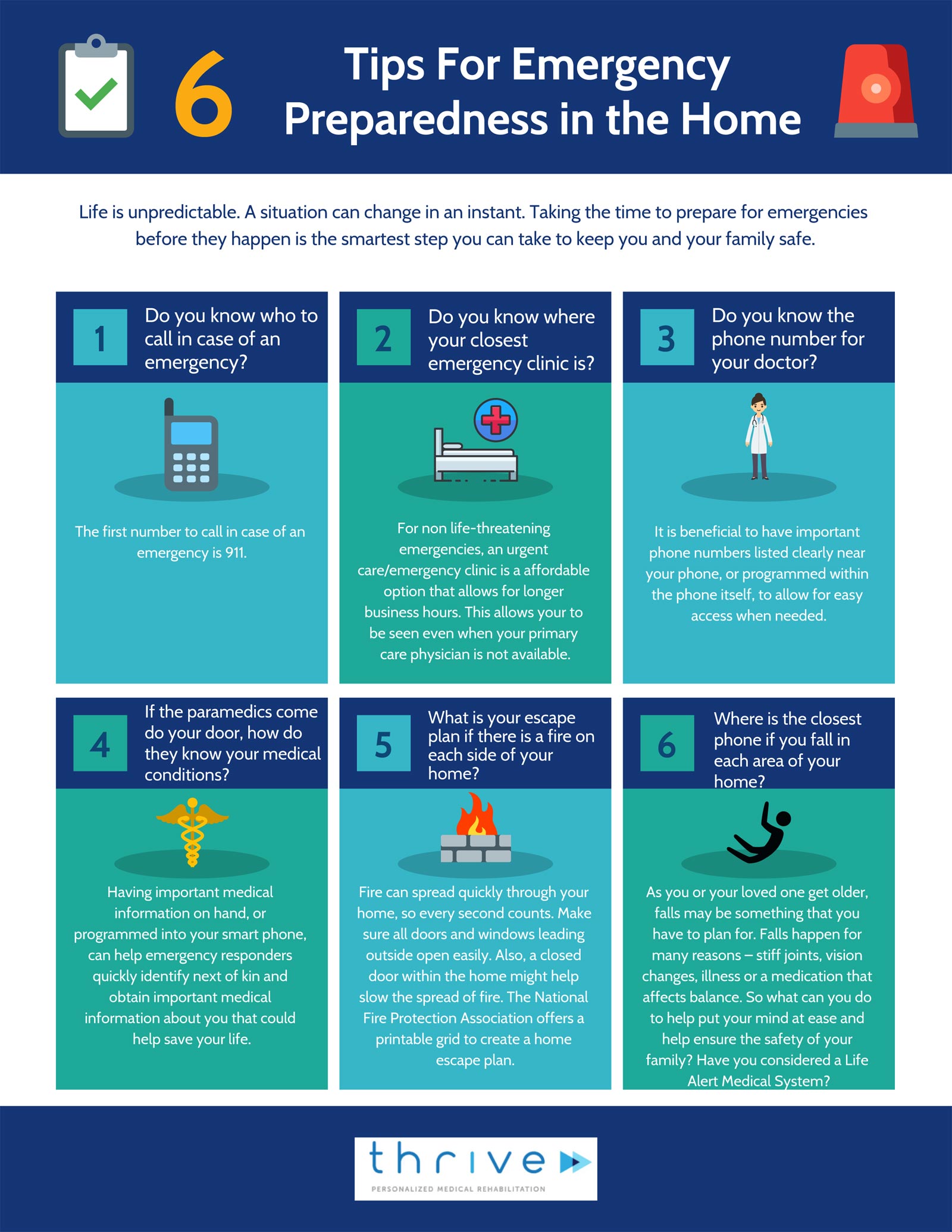
Install strong locks on all doors and windows. Use security systems or cameras if possible to deter intruders. Teach family members how to lock and unlock doors quickly. Keep emergency numbers near phones or saved on mobile devices for fast access.
Safety Planning At Home
Staying informed during emergencies is crucial for safety and quick decision-making. Knowing the latest updates helps you act fast and protect your home and family. Clear, accurate information reduces panic and confusion in critical moments.
Accessing reliable sources ensures you receive timely alerts. Staying connected to local resources provides support and guidance tailored to your area. Technology offers many tools to keep you updated and connected.
Weather Alerts And Updates
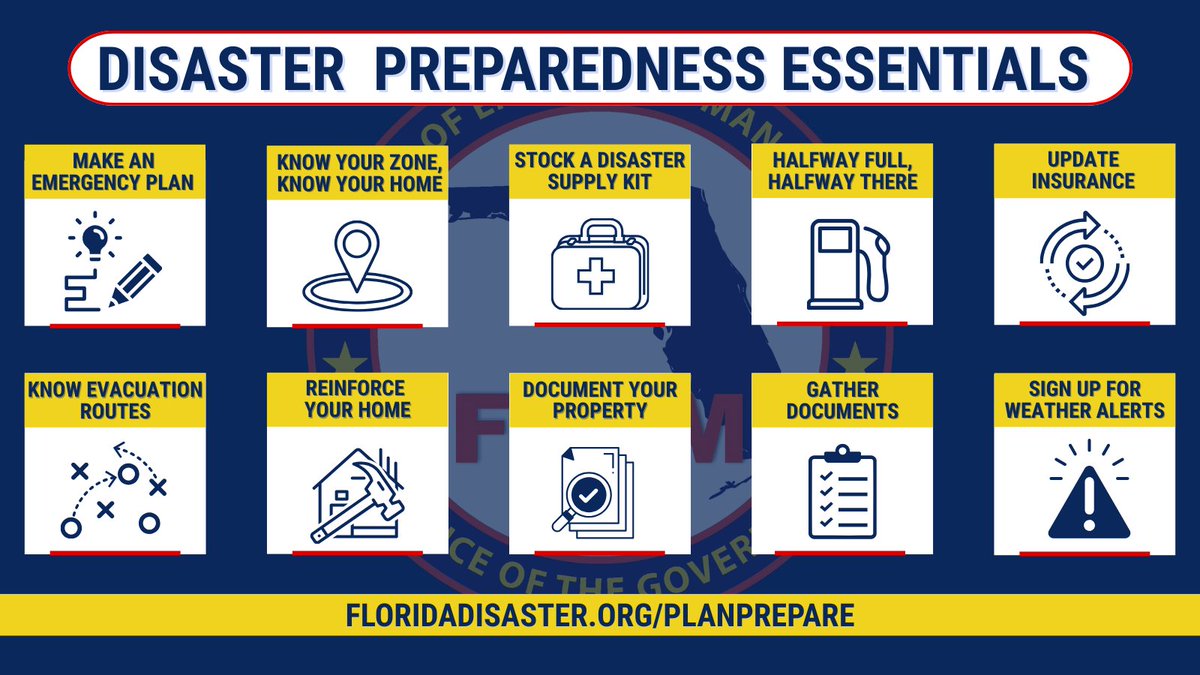
Weather alerts warn about storms, floods, and extreme conditions early. Sign up for local weather services to get notifications on your phone. Listen to the radio or watch news channels for live updates. Knowing the weather helps you prepare and avoid danger.
Local Emergency Resources
Local emergency offices offer important information during crises. They provide shelter locations, evacuation routes, and safety tips. Follow your city or county’s official websites and social media accounts. Local resources are tailored to your community’s specific risks and needs.
Using Technology To Stay Connected
Smartphones and apps keep you linked to emergency services and news. Use apps that send alerts about natural disasters or public safety issues. Have backup power sources like portable chargers ready. Text messages and emergency broadcasts work even when calls fail.
Frequently Asked Questions
What Are The 5 P’s Of Preparedness?
The 5 P’s of preparedness are: Proper Planning Prevents Poor Performance. They emphasize planning, preparation, practice, protection, and perseverance for emergencies.
What To Stockpile For 72 Hours?
Stockpile water, non-perishable food, a first-aid kit, hygiene supplies, flashlight with batteries, radio, manual can opener, important documents, medications, and pet or baby items. Include tools like a wrench and whistle for emergencies. Ensure enough supplies for 72 hours to stay safe and comfortable.
What Items Should I Stockpile For An Emergency?
Stockpile water, non-perishable food, first-aid kit, hygiene supplies, flashlight with batteries, radio, manual can opener, medications, and important documents. Include pet and baby supplies, tools, and special dietary items. Ensure sanitation items like moist towelettes and garbage bags are available.
What Are The 5 Rs In Emergency?
The 5 Rs in emergency are: Rescue, Relocate, Report, Render aid, and Reassure. These steps ensure quick, effective response and safety.
Conclusion
Preparing your home for emergencies keeps your family safe and calm. Gather essential supplies like water, food, and first-aid kits. Check your emergency plan regularly and update it as needed. Practice safety drills with your family to stay ready. Stay informed about local risks and warnings.
Small steps today protect you tomorrow. Being prepared brings peace of mind in uncertain times. Take action now to secure your home and loved ones.