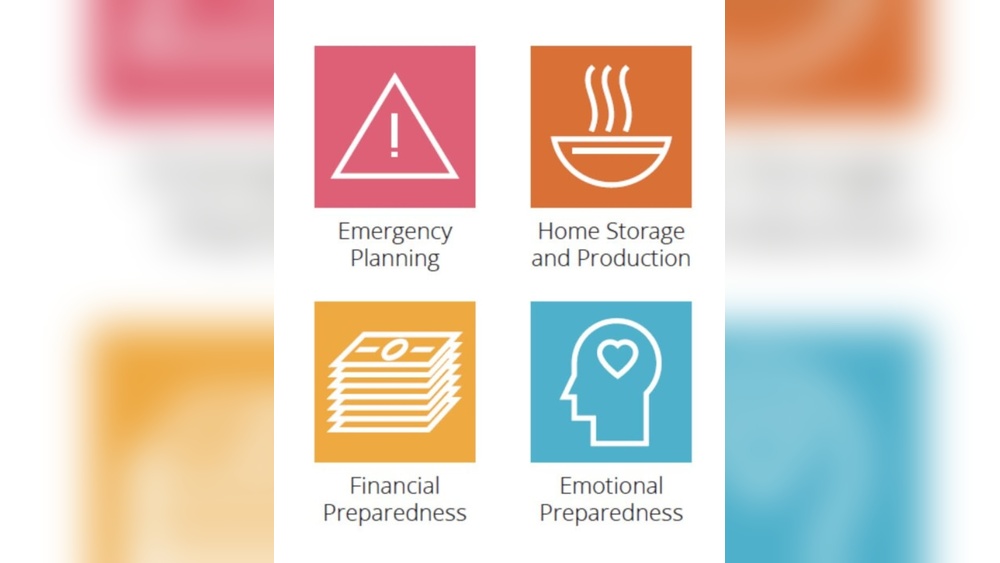

When disaster strikes, will you and your family be ready? The LDS Church Emergency Preparedness program is designed to help you take control of your safety and peace of mind.
By following simple, clear steps—like creating a family emergency plan, building food and water supplies, and staying financially secure—you can protect what matters most. But it doesn’t stop there. Your local Church leaders and communities also play a vital role in coordinating help and support when it’s needed most.
Keep reading to discover practical tips and powerful resources that empower you to face emergencies with confidence and care for those around you. Your preparedness journey starts here.
Individual Preparedness
Individual preparedness forms the foundation of the LDS Church’s approach to emergency readiness. Each member is encouraged to take personal responsibility for their safety and well-being. Prepared individuals can protect themselves and better assist their families and communities during crises. The Church provides clear guidance to help members develop practical skills and resources.
Family Emergency Plan
Every family should create a simple emergency plan. This plan includes how to communicate if separated during a disaster. Choose a safe meeting place known to all family members. Keep important contact numbers updated and easily accessible. Practice the plan regularly to ensure everyone understands their role.
Emergency Supply Kits
Prepare emergency kits with essential items for at least three days. Include water, non-perishable food, and a first-aid kit. Add clothing, hygiene products, and any necessary medications. Store kits in an easy-to-reach location. Check and refresh supplies regularly to keep them ready.
Long-term Food Storage
Building a long-term food supply is vital for extended emergencies. Store staples like wheat, rice, and beans, which last for years if kept properly. Rotate food supplies to maintain freshness. Include tools for cooking and preserving food. This storage supports self-reliance in difficult times.
Financial Security
Financial preparedness strengthens your overall readiness. Maintain adequate insurance to cover health, home, and vehicle needs. Avoid unnecessary debt that can limit your options. Save emergency funds to handle unexpected expenses. Careful money management reduces stress during emergencies.
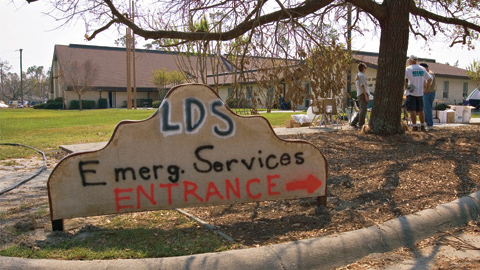
Credit: providentliving.churchofjesuschrist.org
Congregational Preparedness
Congregational preparedness plays a vital role in the LDS Church’s emergency readiness. It focuses on how wards and stakes organize themselves to face emergencies. This collective effort strengthens the community and ensures timely help during disasters.
Each congregation works to have clear plans and strong communication. Cooperation within the church and with local groups helps protect members and support recovery efforts.
Ward And Stake Response Plans
Wards and stakes develop specific response plans for emergencies. These plans include forming disaster teams to lead efforts. Leaders gather contact information for all members to stay connected. They also identify safe meeting places for quick assembly. Each plan is tailored to local risks and needs. Regular training keeps teams ready and confident in their roles.
Communication Strategies
Communication is key during emergencies in the church. Wards use phone trees and text messaging to reach members fast. Backup methods like amateur radio ensure contact if phones fail. Leaders keep updated contact lists to avoid delays. Clear and simple messages help reduce confusion. These strategies help share vital information quickly and calmly.
Coordination With Community
The church works closely with local government and aid groups. This cooperation improves resource sharing and support during disasters. Wards and stakes join community drills and planning meetings. They offer volunteer help and shelter if needed. This teamwork builds trust and ensures better responses. Together, the church and community protect everyone more effectively.
Church Support And Resources
The LDS Church offers strong support and valuable resources for emergency preparedness. These tools help members prepare individually and as communities. The Church’s organized approach covers many areas, making readiness easier and more effective.
Members can access practical help and guidance through Church programs. These efforts focus on relief, storage, volunteering, and leadership. Each area plays a role in building a safer environment for all.
Humanitarian Aid Efforts
The Church provides humanitarian aid worldwide after disasters strike. It sends food, water, and medical supplies to affected areas. Volunteers work with local groups to deliver help quickly and efficiently. This aid reduces suffering and speeds recovery for many families.
Home Storage Centers
Home Storage Centers supply emergency food and essentials for Church members. These centers offer affordable, long-lasting food items like grains and canned goods. They encourage families to keep a supply for tough times. Having stored food helps members face emergencies with confidence.
Volunteer Opportunities
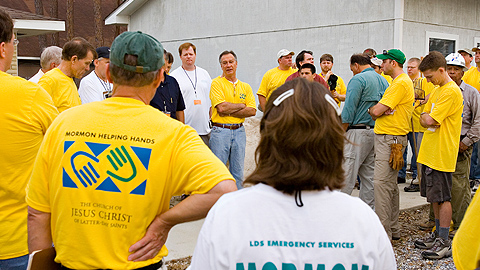
Volunteering is a key part of the Church’s emergency plans. Members can join disaster response teams in their wards and stakes. Volunteers assist with cleanup, distribution of aid, and support services. Serving others builds community strength and helps those in need.
Leadership Roles In Emergencies
Local Church leaders play a critical role during emergencies. They organize response plans and communicate with members. Leaders coordinate relief efforts and connect with community agencies. Their guidance ensures quick and organized action in crises.
Emergency Communication
Effective emergency communication is vital for the LDS Church’s preparedness efforts. Clear and timely communication helps protect members and coordinate aid during crises. The Church promotes strong communication networks among members and leaders to ensure everyone stays informed and safe.
Contacting Members And Leaders
Each ward and stake maintains an updated list of members’ contact information. Leaders use this list to reach members quickly after an emergency. Members are encouraged to share their current phone numbers and addresses. Regular updates help prevent communication breakdowns during disasters.
Leaders check on members’ safety by phone or in person. They report critical needs to higher authorities. This system creates a support network that responds efficiently to emergencies.
Alternative Communication Methods
Standard phone lines may fail during disasters. The Church prepares by using alternative communication tools. Text messaging and email provide quick updates when calls are not possible. Amateur radio is another backup option for remote areas.
Members are encouraged to learn basic radio operation. This skill ensures communication continues even without electricity or cell service. The Church also promotes using social media for status updates and help requests.
Communication Guidelines For Leaders
Leaders must communicate clearly and calmly during emergencies. They share verified information to avoid confusion and panic. Instructions should be simple and direct to help members understand quickly.
Leaders coordinate with local authorities and Church headquarters. They keep records of all communications and actions taken. This documentation helps improve future emergency response plans.
Self-reliance Principles
The LDS Church teaches self-reliance as a key part of emergency preparedness. Self-reliance means being ready to meet your own needs during difficult times. It involves physical, emotional, and spiritual preparedness. The Church encourages members to develop skills and resources that can help them and others in emergencies. These principles guide members to prepare wisely and act confidently in natural disasters or financial challenges.
Preparing For Natural Disasters
Preparing for natural disasters starts with knowledge. Understand the risks in your area, such as floods, earthquakes, or storms. Create a family emergency plan with clear roles and meeting places. Build an emergency kit with food, water, first aid, and other essentials. Store enough supplies to last at least three days. Regularly check and update your kit. Practice drills to ensure everyone knows what to do in an emergency.
Building Financial Preparedness
Financial preparedness helps reduce stress during crises. Save money regularly to build an emergency fund. Avoid unnecessary debt and pay bills on time. Have insurance coverage for health, home, and vehicles. Track your expenses and create a budget. Being financially ready means you can cover unexpected costs without panic. It also allows you to help others in need.
Maintaining Emergency Documents
Keep important documents safe and accessible. These include identification, insurance policies, medical records, and legal papers. Use waterproof and fireproof containers for storage. Make digital copies and store them securely online or on a USB drive. Review documents regularly to ensure they are current. Having your papers ready speeds up recovery after an emergency.

Credit: foodstorageorganizer.com
Credit: providentliving.churchofjesuschrist.org
Frequently Asked Questions
What Is Lds Church Emergency Preparedness?
LDS Church emergency preparedness involves individual, family, and congregational planning. It includes food storage, communication plans, financial readiness, and coordinated disaster response efforts within wards and stakes.
How Does The Lds Church Support Disaster Victims?
The Church provides worldwide humanitarian aid and resources to disaster victims. It organizes volunteer efforts and offers long-term food supplies through home storage centers in the U. S. and Canada.
What Should Families Include In Their Emergency Plan?
Families should create a plan with communication details, a safe gathering place, emergency kits, and updated contact information. This ensures safety and coordination during emergencies.
How Do Wards And Stakes Prepare For Emergencies?
Wards and stakes develop emergency response plans, establish disaster teams, create communication methods, and coordinate with local authorities to assist members effectively.
Conclusion
Preparing for emergencies helps protect families and communities. The LDS Church offers clear guidance for planning and supplies. Building food storage and having communication plans are key steps. Local leaders and members work together to stay ready. Being prepared brings peace and strength in tough times.
Start small, stay consistent, and support those around you. Emergency readiness is a shared responsibility for everyone.
