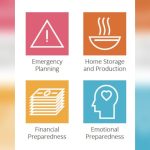
Imagine a sudden storm, a power outage, or an unexpected emergency knocking on your door. Are you truly ready to face it?
Your safety and peace of mind depend on how well you prepare today. This Emergency Preparedness Guidebook is designed just for you—to help you take simple, clear steps to protect yourself, your family, and your community. By reading on, you’ll discover easy-to-follow advice that could make all the difference when every second counts.
Don’t wait for disaster to strike—equip yourself with the knowledge that keeps you safe and confident no matter what happens.
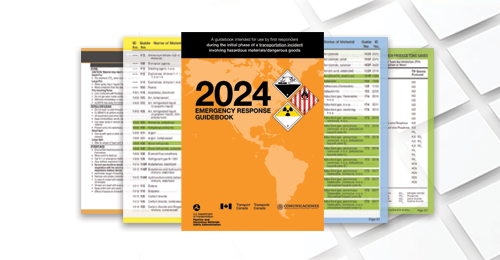
Credit: www.phmsa.dot.gov
Household Risks
Understanding household risks is vital for effective emergency preparedness. Every home faces unique dangers that can disrupt daily life. Identifying these risks helps families act quickly and stay safe during unexpected events.
Risks inside the home include fires, floods, power outages, and accidents. Preparing for these common emergencies reduces harm and speeds recovery. Awareness and planning are the first steps to protect your household.
Common Emergencies
House fires often start from cooking or electrical faults. Smoke detectors and fire extinguishers save lives. Water leaks or flooding can damage property and cause mold growth. Power outages may last hours or days, affecting heating and cooling. Falls and cuts happen frequently, especially with children and seniors. Having a first aid kit and emergency plan is essential for quick response.
Local Hazards In Austin, Texas
Austin faces specific risks like flash floods, especially during heavy rains. Tornadoes and severe storms occur seasonally. Heatwaves can cause dehydration and heat stroke. Wildfires threaten outskirts during dry periods. Knowing these local hazards helps residents prepare tailored emergency kits and evacuation routes. Staying informed through local alerts improves readiness for Austin’s natural challenges.

Credit: en.wikipedia.org
Emergency Plans
Emergency plans are essential for safety during unexpected situations. They help families act quickly and calmly. A clear plan reduces confusion and stress. Preparing these plans before an emergency can save lives and protect property.
Family Communication
Decide how your family will talk during an emergency. Choose a primary contact outside your area. This person can share updates and information. Make sure everyone knows phone numbers and email addresses. Practice using texts and calls to check in regularly.
Evacuation Routes
Know the safest ways out of your home and neighborhood. Plan at least two routes in case one is blocked. Mark these routes on a map everyone can see. Keep the paths clear and discuss them often. Practice walking or driving the routes as a family.
Meeting Points
Pick safe places to meet after evacuating. Choose one spot near your home and one outside your neighborhood. Meeting points help keep everyone together and accounted for. Share these locations with all family members. Review them regularly to ensure everyone remembers.
Survival Kits
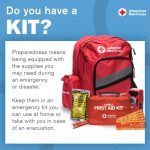
Survival kits are essential for facing unexpected emergencies. They provide the tools needed to stay safe and healthy. Preparing a kit ahead of time saves precious moments during a crisis. Each kit should cover basic needs, special requirements, and care for pets. Let’s explore what to include in these vital kits.
Basic Supplies
Basic supplies form the foundation of any survival kit. Include water, non-perishable food, and a manual can opener. Pack a flashlight with extra batteries and a first aid kit. Add a whistle to signal for help and a multipurpose tool. Keep copies of important documents in a waterproof bag. These items help you manage most emergency situations.
Special Needs Items
Special needs items cater to personal health and comfort. Pack prescription medications and extra glasses or contact lenses. Include items for infants, such as formula and diapers. Consider hygiene products like feminine supplies and hand sanitizer. Add extra masks and allergy medications if needed. Preparing for special needs ensures safety for everyone.
Pet Preparedness
Pets need care during emergencies too. Pack enough food and water for at least three days. Include a leash, collar, and copies of vaccination records. Bring a favorite toy or blanket for comfort. Prepare a pet first aid kit with basic supplies. Planning for pets keeps them safe and calm during tough times.
Home Safety
Keeping your home safe is a key part of emergency preparedness. A secure home protects your family and reduces risks. This section covers important steps to make your home safer against common dangers. Simple actions can prevent serious problems during emergencies.
Fire Prevention
Fires can cause major damage and injury. Install smoke detectors on every floor and test them monthly. Keep fire extinguishers in the kitchen and near heating sources. Avoid overloading electrical outlets and replace frayed cords. Store matches and lighters out of reach of children. Create and practice a fire escape plan with your family.
Hazardous Material Handling
Many homes contain dangerous chemicals. Store cleaning supplies, pesticides, and fuels in locked cabinets. Label all containers clearly and never mix chemicals. Dispose of old or unused materials safely according to local rules. Use gloves and masks when handling hazardous substances. Keep these items away from food and children’s play areas.
Structural Preparedness
Strong home structures withstand emergencies better. Secure heavy furniture and appliances to walls to prevent tipping. Check your roof, windows, and doors for damage and repair them. Reinforce weak areas to resist storms or earthquakes. Keep emergency tools and supplies easily accessible. A sturdy home reduces injury and damage risks during disasters.
Community Roles
Community roles are vital in emergency preparedness. Everyone has a part to play. Strong community involvement can save lives and reduce damage. Working together builds resilience. It helps neighborhoods recover faster after disasters.
Neighborhood Support
Neighbors can watch out for each other. They share information and resources. Simple acts like checking on elderly residents matter. Group plans for emergencies improve safety. Neighborhood groups can organize drills and share emergency contacts. This creates a network of support during a crisis.
Local Resources
Local resources provide essential help in emergencies. Community centers, schools, and libraries often serve as shelters. Fire departments and clinics offer medical aid. Knowing where to find these resources is important. Local governments usually provide maps and guides. Accessing these resources quickly saves time and lives.
Volunteer Opportunities
Volunteering strengthens emergency response efforts. People can join local emergency teams or aid organizations. Volunteers assist with communication, supplies, and rescue efforts. Training is often provided to prepare volunteers. This builds skills and confidence. Being a volunteer means making a real difference in the community.

Credit: www.jjkeller.com
Training Drills
Training drills build confidence and readiness for emergencies. Regular practice helps you act fast and stay calm. Drills teach important skills for safety. Below are key training areas to focus on.
Evacuation Practice
Evacuation drills prepare you to leave quickly and safely. Practice routes and exits in your home or workplace. Know where to meet outside. Clear, calm actions reduce panic during real events.
First Aid Basics
First aid training teaches how to help injured people. Learn to stop bleeding, treat burns, and perform CPR. Knowing these skills saves lives before professionals arrive. Keep a first aid kit ready and know its contents.
Emergency Response Skills
Emergency response drills include using fire extinguishers and calling for help. Practice communication and teamwork during drills. These skills improve your ability to handle different emergencies. Being prepared reduces harm and speeds recovery.
Information Sources
Reliable information sources are vital during emergencies. They provide timely updates that help you act fast. Knowing where to get accurate details can save lives and reduce panic. This section covers key sources to monitor regularly for safety.
Official Alerts
Government agencies issue official alerts for emergencies. These alerts come from local, state, or federal authorities. They include warnings about disasters, evacuation orders, and safety instructions. Signing up for these alerts ensures you receive trusted and verified information quickly.
Weather Updates
Weather updates warn about storms, floods, or extreme heat. Reliable weather services provide forecasts and real-time data. Watching weather updates helps you prepare ahead. It reduces surprises and lets you protect your home and family effectively.
Emergency Contacts
Having emergency contacts ready is crucial. This list should include local police, fire department, hospitals, and utility companies. Keep these numbers saved on your phone and written down. Quick access to contacts helps during urgent situations and speeds up help arrival.
Special Situations
Emergencies come in many forms. Some require special knowledge and actions. This section covers unique situations that need extra care and preparation.
Radiation Emergencies
Radiation emergencies can happen after accidents at nuclear plants or from certain industrial sources. Radiation is invisible and dangerous. Stay indoors and close all windows and doors. Turn off ventilation systems to avoid contamination. Listen to official updates for instructions. Avoid eating or drinking anything exposed to radiation. Keep an emergency kit with potassium iodide tablets as advised by health officials.
Pandemic Preparedness
Pandemics spread illnesses quickly across large areas. Protect yourself by practicing good hygiene. Wash hands often with soap for at least 20 seconds. Wear masks in crowded or enclosed places. Keep distance from others when possible. Have enough food, water, and medicine to stay home for several days. Follow local health guidelines and get vaccinated if available. Stay informed about symptoms and treatment options.
Hazmat Incidents
Hazmat incidents involve dangerous chemicals or materials. These can cause fires, explosions, or toxic exposures. If you smell strong chemicals or see a spill, leave the area immediately. Avoid touching or inhaling any substances. Call emergency services and provide clear information about the location and type of hazard. Follow evacuation orders carefully. Keep a basic first aid kit to treat minor injuries until help arrives.
Frequently Asked Questions
What Is An Emergency Preparedness Guidebook?
An emergency preparedness guidebook is a resource that helps individuals plan and respond to emergencies. It offers practical tips on creating emergency kits, evacuation plans, and communication strategies to ensure safety during disasters.
How Do I Create An Emergency Kit Effectively?
To create an emergency kit, include essentials like water, non-perishable food, first aid supplies, flashlights, batteries, and important documents. Regularly check and update the kit to ensure all items are functional and within expiration dates.
Why Is Emergency Planning Important For Families?
Emergency planning ensures families know what to do during a crisis. It reduces panic, improves safety, and helps coordinate actions like evacuation routes and communication, increasing the chance of everyone staying safe.
What Types Of Emergencies Should I Prepare For?
Prepare for common emergencies such as natural disasters (storms, floods, earthquakes), fires, power outages, and hazardous material incidents. Tailor your plan to local risks and update it regularly based on new information.
Conclusion
Being prepared saves lives and reduces risks during emergencies. Start planning today with simple steps from this guidebook. Keep emergency supplies ready and review your plan often. Teach your family what to do in different situations. Stay informed about local alerts and resources nearby.
Practice drills regularly to build confidence and quick response. Emergencies can happen anytime, so readiness is key. Stay calm, act fast, and protect yourself and loved ones. This guide helps you stay safe and prepared for the unexpected.