
Fire can strike unexpectedly, putting your home and the environment at serious risk. But here’s the good news—you have the power to stop it before it starts.
By taking simple, smart steps, you can protect your loved ones, your property, and the world around you. You’ll discover practical and easy ways to prevent fires at home and safeguard the environment. Ready to make your space safer and greener?
Let’s dive in and learn how you can take control today.
Home Fire Safety Devices
Home fire safety devices play a vital role in protecting your family and property. These tools help detect fires early and give you time to act. Installing and maintaining the right devices reduces fire risks significantly. It also helps protect the environment by preventing large fires that can cause pollution and damage.
Smoke Alarms Setup
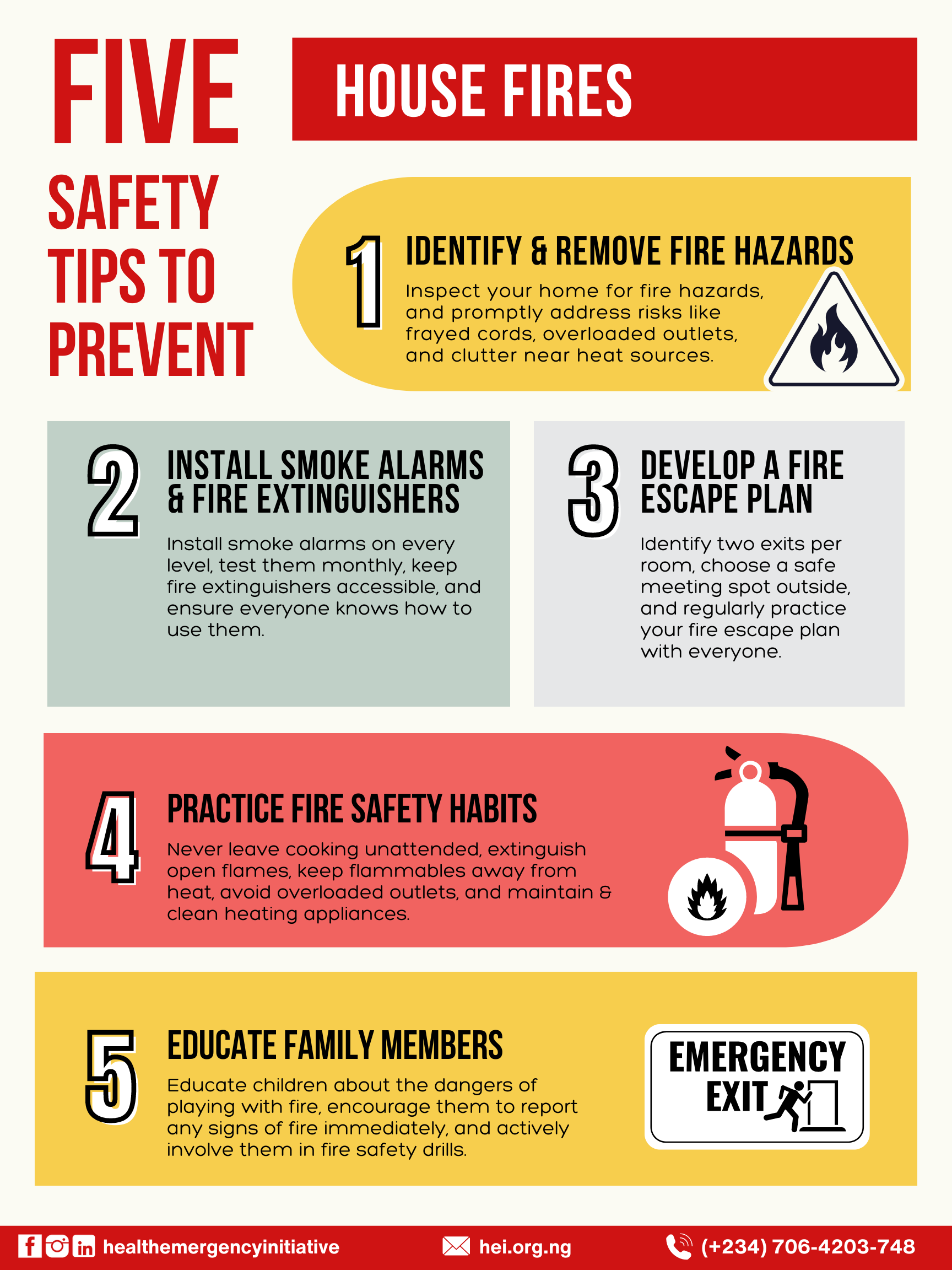
Place smoke alarms on every floor, including bedrooms and hallways. Test them monthly to ensure they work properly. Replace batteries at least once a year or if the alarm sounds weak. Smoke alarms alert you early, increasing the chance to escape safely.
Fire Extinguishers Ready
Keep fire extinguishers in key areas like the kitchen and garage. Choose the correct type for common home fires, such as electrical or grease fires. Check the pressure gauge regularly and replace or recharge after use. Knowing how to use an extinguisher can stop a small fire from spreading.
Family Escape Plan
Create a clear escape plan with your family. Identify two ways out of every room. Pick a safe meeting place outside the home. Practice the plan twice a year so everyone remembers it. A good escape plan saves lives during an emergency.
Credit: hei.org.ng
Kitchen Fire Precautions
The kitchen is the heart of many homes but also a common place for fires to start. Taking simple precautions reduces fire risks and protects your home and the environment. Safety in the kitchen means paying attention to your cooking habits and keeping the area clean and free of hazards.
Following basic kitchen fire precautions helps prevent accidents and keeps your family safe.
Supervise Cooking
Never leave food cooking unattended on the stove. Stay close and watch your pots and pans. Cooking fires often start when food boils over or burns. If you must leave, turn off the stove first. Keeping an eye on cooking is the best way to stop fires before they start.
Keep Stove Clean
Grease and food spills can catch fire easily. Clean your stove and oven regularly to remove buildup. A clean stove reduces fire risk and makes cooking safer. Wipe spills immediately and check under burners for crumbs or grease. This small effort prevents dangerous flare-ups.
Avoid Flammable Items
Keep flammable items away from the stove. Dish towels, paper towels, and oven mitts can catch fire quickly. Store these items at a safe distance. Avoid wearing loose clothing that may touch flames. Clear the cooking area of anything that can burn. This simple step lowers fire hazards greatly.
Electrical And Heating Safety
Electrical and heating systems power our homes but can also cause fires if unsafe. Careful use and regular checks reduce fire risks. Protect your home and the environment by following simple safety steps.
Prevent Circuit Overloads
Do not plug too many devices into one outlet. Overloaded circuits can overheat and start fires. Use power strips with built-in circuit breakers. Spread electrical use across different outlets in your home.
Inspect Electrical Cords
Check all cords for cuts, frays, or damage. Replace cords that show wear or expose wires. Avoid running cords under rugs or heavy furniture. Damaged cords can spark and ignite fires.
Safe Space Heater Use
Keep space heaters at least three feet from flammable items. Never leave heaters running when you leave the room. Use heaters with automatic shut-off features for extra safety. Place heaters on flat, stable surfaces only.
Regular Heating Maintenance
Schedule annual checks for your heating system. Clean or replace filters regularly to keep systems efficient. Fix any leaks or faulty parts immediately. Well-maintained heating reduces fire hazards and saves energy.
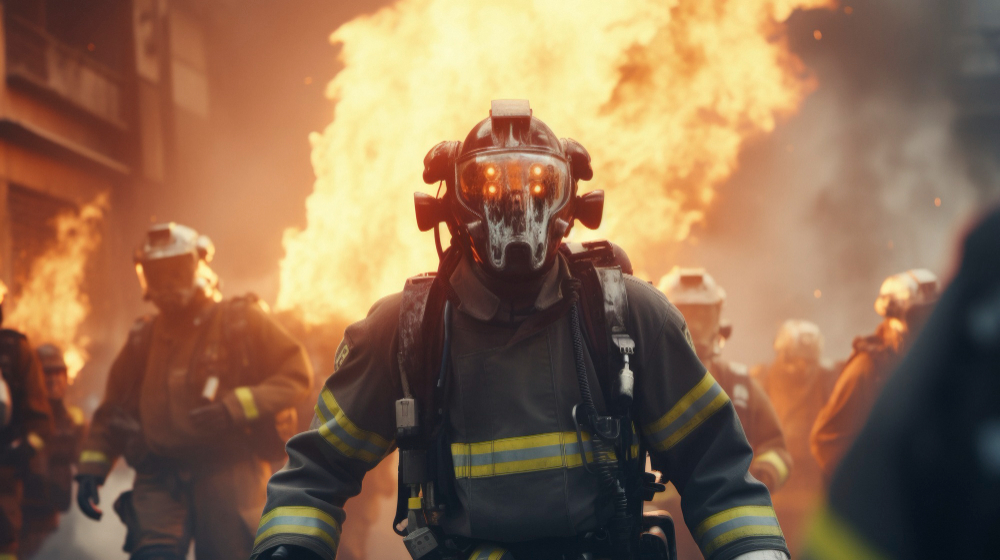
Credit: annearundelfire.org
Handling Flammable Materials
Handling flammable materials carefully is key to preventing fires at home and protecting the environment. These materials can ignite quickly and cause serious damage. Understanding proper storage and safe use helps reduce fire risks significantly.
Proper Storage
Store flammable liquids in tightly sealed containers. Keep them in cool, dry places away from heat sources. Avoid storing near flames, electrical outlets, or direct sunlight. Use metal or approved plastic containers designed for flammables. Label containers clearly to avoid accidents. Store only small amounts at home to limit risk.
Candle Safety
Place candles on stable, heat-resistant surfaces. Keep them away from curtains, papers, and other flammable items. Never leave burning candles unattended. Extinguish candles before leaving the room or going to sleep. Use candle holders that catch dripping wax safely. Keep candles out of children’s and pets’ reach.
Match And Lighter Control
Store matches and lighters in locked cabinets or high shelves. Keep them away from children at all times. Use child-resistant lighters for extra safety. Dispose of used matches and lighters properly. Teach children about the dangers of fire and flammable objects. Regularly check that lighters are not leaking or damaged.
Additional Fire Prevention Tips
Preventing fires requires constant attention and smart habits. Beyond basic safety measures, extra care helps protect your home and the environment. Simple actions reduce risks and keep everyone safe.
These additional fire prevention tips focus on everyday activities that can cause fires. Following them lowers chances of accidents both indoors and outdoors.
Safe Smoking Practices
Smoking is a common cause of fires at home and outdoors. Always smoke outside to avoid indoor fires. Use deep, sturdy ashtrays to catch ashes and butts. Never smoke in bed or when tired. Put out cigarettes completely before throwing them away. Keep lighters and matches out of children’s reach. These steps help stop careless fires from smoking materials.
Wildfire Risk Reduction
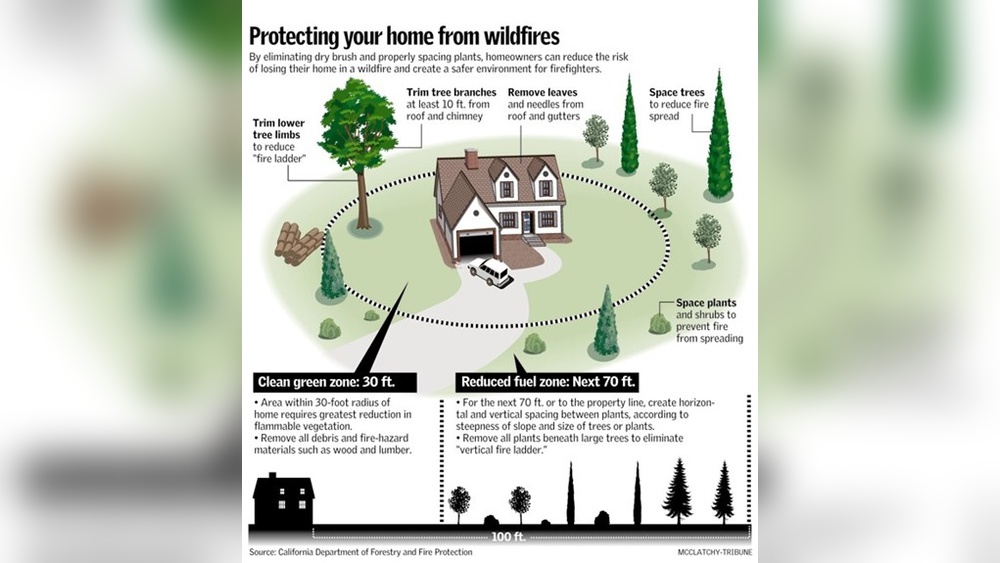
Wildfires spread quickly and harm the environment and homes. Clear dry leaves, branches, and grass from around your house. Create a safety zone free of flammable materials at least 30 feet wide. Avoid burning trash or yard waste on windy days. Use fire-resistant plants in your garden. Report unattended fires or smoke in your area. These actions reduce wildfire chances and protect your property.
Generator Safety Outdoors
Generators provide power but can start fires if misused. Place generators outdoors in well-ventilated areas. Keep them away from doors, windows, and vents to prevent carbon monoxide buildup. Fuel generators only when they are off and cool. Store fuel in approved containers far from the generator. Never refuel while the generator is running. Regularly check cords and connections for damage. Proper generator use prevents fires and keeps air safe.

Credit: www.freepik.com
Frequently Asked Questions
How Will You Prevent Fires At Home And The Environment?
Install smoke alarms and fire extinguishers, supervise cooking, avoid overloading outlets, store flammables safely, and keep matches away from children. Maintain heating systems and create a fire escape plan. Clear dry vegetation outdoors to prevent wildfires. Always extinguish candles and smoking materials properly.
What Are 10 Ways To Prevent A Fire?
1. Install smoke alarms on every floor and test monthly. 2. Keep fire extinguishers accessible and learn to use them. 3. Never leave cooking unattended and keep flammables away. 4. Avoid overloading electrical outlets and inspect cords regularly. 5. Use heaters safely, keeping them away from combustibles.
6. Store flammable materials in cool, dry places. 7. Never leave candles unattended; extinguish before sleeping. 8. Keep matches and lighters out of children’s reach. 9. Fully extinguish smoking materials before disposal. 10. Clear dry vegetation to prevent wildfires and monitor campfires.
What Are The 5 Steps To Prevent A Fire?
1. Install and test smoke alarms regularly on every home level. 2. Keep fire extinguishers accessible and learn to use them. 3. Practice safe cooking; never leave food unattended. 4. Avoid overloading electrical outlets and inspect cords often. 5. Store flammables safely and keep matches away from children.
What Are The Fire Safety And Prevention In The Home?
Install smoke alarms and fire extinguishers; supervise cooking; avoid overloading outlets; store flammables safely; keep matches away from children; create and practice an escape plan.
Conclusion
Preventing fires protects your home and the environment. Always keep fire safety tools ready and working. Stay alert while cooking and avoid distractions. Use electricity and heating devices carefully to avoid accidents. Store flammable items safely and away from heat.
Teach your family about fire risks and escape routes. Small actions make a big difference in stopping fires. Stay safe, protect your home, and care for nature.