
Imagine facing a sudden emergency—whether it’s a natural disaster, a fire, or another unexpected crisis. Would you know exactly what to do?
Having a solid Emergency Preparedness and Response Plan isn’t just smart; it could save your life and the lives of those around you. This plan helps you stay calm, act quickly, and protect what matters most when every second counts.
You’ll discover simple steps to create an effective plan tailored to your needs. By the end, you’ll feel confident and ready to handle any emergency that comes your way. Don’t wait for disaster to strike—start preparing your response plan today.
Credit: esa.dc.gov
Emergency Management Phases
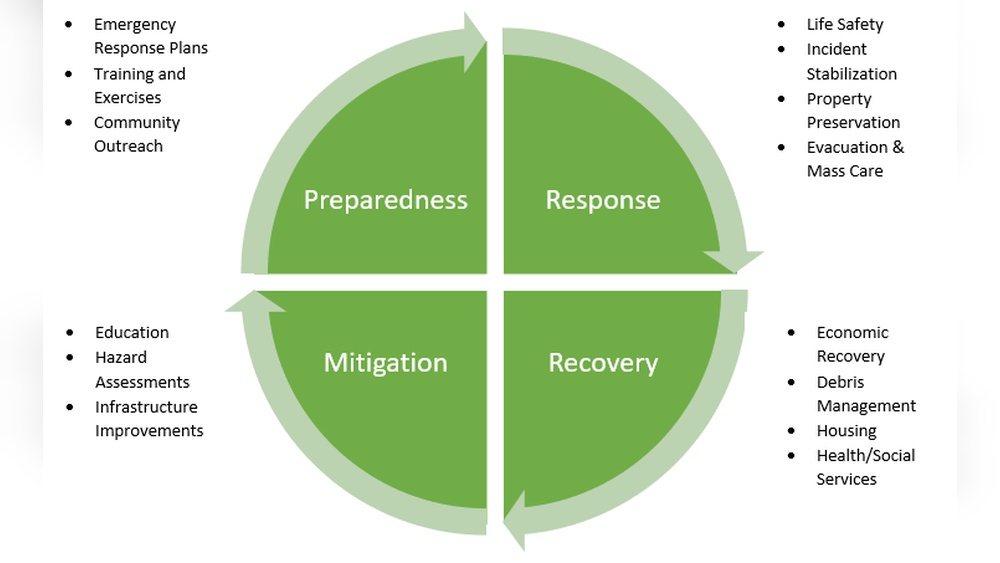
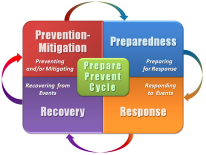
Emergency management phases guide how communities prepare for and handle disasters. These phases form a cycle that helps reduce damage and speed recovery. Understanding each phase is key to building a strong emergency plan. The five main phases are prevention, mitigation, preparedness, response, and recovery. Each plays a vital role in managing emergencies effectively.
Prevention Strategies
Prevention aims to stop emergencies before they happen. It includes actions like monitoring risks and improving security. Training people to recognize threats is also essential. Early warning systems help detect dangers in time. These strategies lower the chance of disasters striking.
Mitigation Measures
Mitigation focuses on lessening the damage from emergencies. It involves strengthening buildings and infrastructure. Examples include enforcing building codes and creating flood barriers. Planting trees to prevent landslides is another measure. Mitigation helps communities face disasters with less harm.
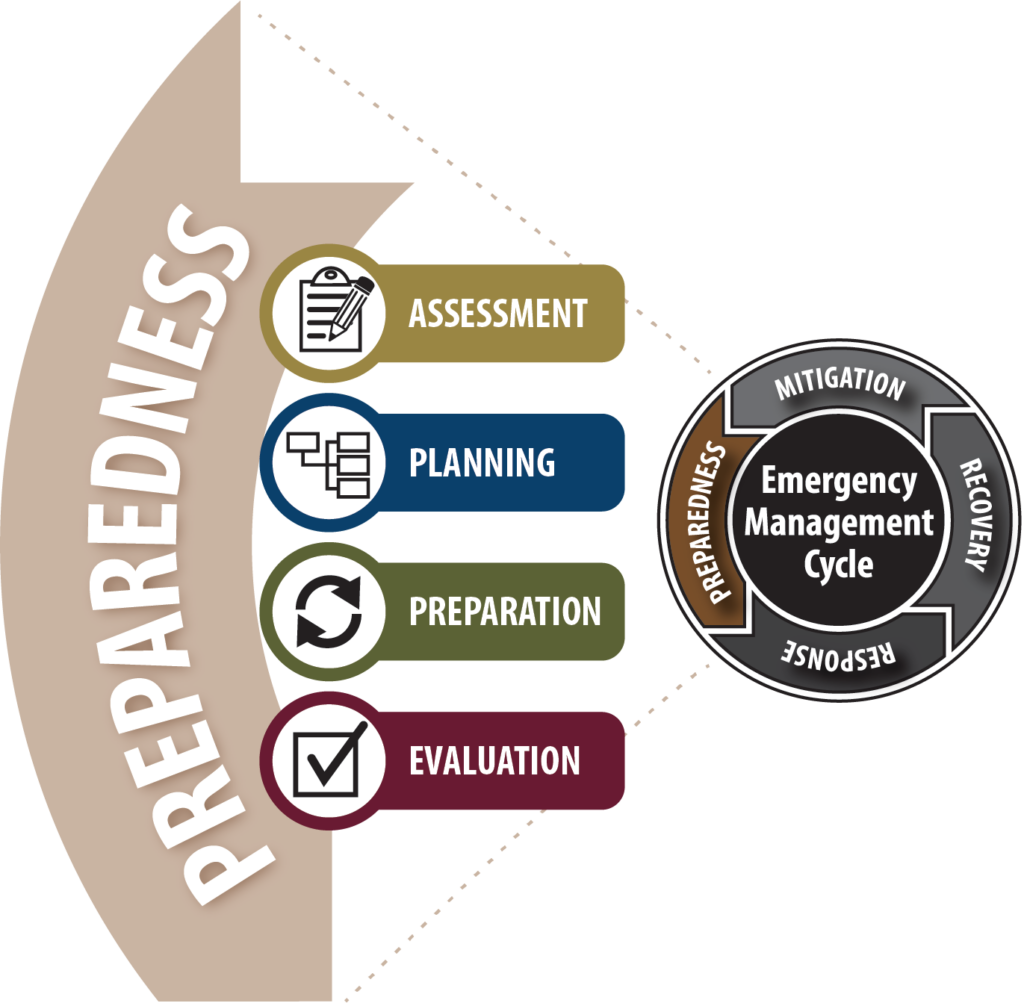
Preparedness Activities
Preparedness means getting ready for possible emergencies. This phase includes making emergency plans and training responders. Conducting drills helps test these plans and improve skills. Stockpiling supplies ensures resources are available when needed. Preparedness boosts confidence and readiness before a crisis.
Response Actions
Response happens during an emergency to protect lives and property. It involves alerting the public and providing medical aid. Emergency teams work quickly to control the situation. Evacuations and rescues are common response tasks. Fast and organized actions reduce harm and save lives.
Recovery Process
Recovery follows an emergency to restore normal life. It includes repairing homes, roads, and services. Providing mental health support helps people heal emotionally. Recovery can take weeks or even years. The goal is to rebuild stronger and safer communities.
Credit: teex.org
Risk Assessment
Risk assessment is a vital step in any emergency preparedness and response plan. It helps organizations recognize possible dangers before they cause harm. This process ensures that plans are made with clear knowledge of threats and their effects. Understanding risks allows for better decisions and safer outcomes.
Identifying Hazards
First, list all possible hazards that might affect your area or facility. Hazards can be natural, like floods or storms, or human-made, such as fires or chemical spills. Make sure to include all relevant risks to cover every potential emergency.
Evaluating Vulnerabilities
Next, study who or what is most vulnerable to each hazard. Look at people, buildings, equipment, and important services. Vulnerabilities show where damage or loss could be greatest during an emergency.
Analyzing Potential Impacts
Finally, consider the possible results if a hazard occurs. Think about injuries, property damage, and disruption of services. This analysis helps prioritize risks and focus efforts on the most serious threats.
Developing The Plan
Developing an Emergency Preparedness and Response Plan is a vital step for any organization or community. This plan guides actions before, during, and after emergencies. A clear, structured plan helps reduce confusion and increases safety. It outlines what to do, who will do it, and how communication will flow. Careful planning ensures everyone knows their part.
Setting Objectives
Start by defining clear and simple goals. Objectives focus on protecting lives and property. They guide all planning efforts and decisions. Objectives should address different types of emergencies. Make sure they are easy to understand and realistic. Having strong objectives sets a clear direction for the plan.
Assigning Roles And Responsibilities
Every team member needs a specific role. Assign tasks based on skills and experience. Clear roles prevent confusion during an emergency. Include leaders, responders, and support staff. Write down who is responsible for each action. This structure keeps the response organized and effective.
Establishing Communication Protocols
Good communication saves lives in emergencies. Define how information will be shared quickly and clearly. Choose reliable methods like phones, radios, or messaging apps. Set rules for who communicates with whom. Plan for backup communication if the main system fails. Strong protocols ensure everyone stays informed and coordinated.
Resource Management
Resource management plays a vital role in any Emergency Preparedness and Response Plan. It ensures that all necessary materials, tools, and trained individuals are available and ready. Efficient management reduces delays and helps teams act quickly during a crisis. Well-organized resources can save lives and protect property.
Proper resource management also helps avoid waste and confusion. It allows for clear tracking of supplies and equipment. Regular checks keep everything in working order. Training personnel ensures everyone knows how to use resources effectively.
Stockpiling Supplies
Stockpiling essential supplies is critical for emergency readiness. These supplies include food, water, first aid kits, and protective gear. Keep enough stock to last several days or weeks. Store items in accessible, secure locations to prevent damage or theft. Rotate supplies regularly to avoid expiration and spoilage. A well-maintained stockpile supports survival during unexpected events.
Securing Equipment
Equipment must be secured to remain functional and available when needed. Use lockable storage to protect tools and machines. Inspect equipment often to check for wear or damage. Replace or repair faulty items immediately. Label equipment clearly to avoid confusion during emergencies. Proper storage and maintenance extend equipment life and improve response efficiency.
Training Personnel
Training personnel is essential to maximize resource use during emergencies. Conduct regular drills that simulate real situations. Teach staff how to operate equipment safely and quickly. Explain roles and responsibilities clearly. Training builds confidence and reduces panic in crises. Well-trained teams respond faster and more effectively, improving overall emergency outcomes.
Emergency Response Procedures
Emergency response procedures guide actions during a crisis. They ensure safety and quick recovery. Clear steps help everyone know what to do. This saves lives and reduces damage. Plans must cover evacuation, shelter, and medical care. Each part plays a key role in handling emergencies effectively.
Evacuation Plans
Evacuation plans show where to go and how to leave safely. Routes must be clear and free of hazards. Signs and instructions help people move quickly. Special needs and mobility issues require extra attention. Practice drills make sure everyone understands the process. Fast evacuation lowers the risk of injury or worse.
Shelter Operations
Shelters offer safe places during emergencies. They protect people from weather and danger. Staff must organize supplies like food, water, and blankets. Rules keep the shelter calm and orderly. Communication keeps everyone informed about updates. Well-run shelters help people stay safe and comfortable.
Medical Response
Medical response saves lives by providing quick care. First aid and emergency treatment are priorities. Trained responders handle injuries and illnesses on site. Coordination with hospitals ensures patients get follow-up care. Keeping medical supplies ready is essential. Fast medical help reduces complications and saves lives.
Coordination And Collaboration
Coordination and collaboration form the backbone of an effective Emergency Preparedness and Response Plan. Without clear communication and teamwork, efforts to manage emergencies can become chaotic and inefficient. Bringing together various groups ensures resources are used wisely and actions are timely. This unity strengthens the entire community’s ability to face crises and recover faster.
Engaging Stakeholders
Stakeholders include everyone from local leaders to business owners. Their involvement is vital to understand risks and resources. Regular meetings keep stakeholders informed and ready to act. Sharing information builds trust and aligns goals. It also helps identify gaps in the plan early.
Partnering With Agencies
Emergency situations often require support beyond local capabilities. Partnering with agencies such as fire departments, police, and medical services ensures quick and effective response. These partnerships create clear roles and reduce confusion during crises. Joint training exercises improve coordination and build strong working relationships.
Community Involvement
The community plays a key role in emergency preparedness. Educating residents on safety measures and evacuation plans saves lives. Volunteer programs encourage active participation and build resilience. Public awareness campaigns keep emergency information visible and accessible to everyone.
Testing And Drills
Testing and drills are vital to ensure emergency plans work well in real situations. These exercises help teams practice their roles and find any weak points. Regular testing builds confidence and readiness to handle emergencies effectively.
Practicing the plan allows everyone to understand their tasks clearly. It also improves coordination among team members and emergency responders. Testing helps reduce confusion and delays during actual emergencies.
Conducting Simulations
Simulations mimic real emergencies in a controlled setting. They involve all key personnel and use realistic scenarios. This hands-on approach helps identify gaps in response and communication. Simulations also train staff to react calmly under pressure.
Evaluating Performance
After drills, assess how well everyone performed their duties. Look for strengths and areas needing improvement. Feedback should be clear and constructive. Evaluation ensures lessons learned are applied to future responses.
Updating The Plan
Use findings from tests and evaluations to revise the emergency plan. Update procedures, contact lists, and resources as needed. Keeping the plan current ensures it remains effective and relevant. Regular updates improve overall emergency preparedness.
Post-emergency Recovery
Post-emergency recovery is a critical phase in any emergency preparedness and response plan. It focuses on returning the affected community or area back to normal life. Recovery begins after the immediate danger passes and response efforts slow down. The process involves detailed evaluation and rebuilding to ensure safety and stability.
Damage Assessment
Damage assessment helps identify the extent of harm caused by the emergency. Teams inspect buildings, roads, and infrastructure to find what needs repair. Accurate reports guide the allocation of resources and funding. This step ensures that priorities are clear and recovery efforts are efficient.
Restoring Services
Restoring essential services is vital for community stability. Utilities like water, electricity, and gas are repaired first. Communication networks and transportation routes are also restored quickly. This helps people return to their daily activities and supports emergency workers on the ground.
Mental Health Support
Emergencies can cause strong emotional and psychological stress. Providing mental health support helps individuals cope with trauma and loss. Counseling, support groups, and crisis hotlines are common services offered. Addressing mental health promotes healing and strengthens community resilience.
Legal And Regulatory Considerations
Legal and regulatory considerations are essential in an Emergency Preparedness and Response Plan. These rules guide organizations to act correctly during emergencies. Following them helps avoid penalties and ensures safety. Understanding these requirements is crucial for a smooth emergency response.
Compliance Requirements
Organizations must meet local, state, and federal laws. These laws set standards for emergency planning and response. Compliance ensures that plans are effective and lawful. Regular updates keep the plan aligned with changing regulations. Non-compliance can lead to fines or legal action.
Insurance And Liability
Insurance protects organizations from financial loss during emergencies. It covers damages, injuries, and property loss. Proper emergency plans can reduce liability risks. Insurers often require proof of preparedness and response measures. Clear roles and responsibilities help limit legal exposure.
Documentation And Reporting
Accurate documentation is vital during and after emergencies. Records include incident reports, response actions, and communication logs. Proper reporting meets legal obligations and supports investigations. It also helps improve future emergency plans. Keeping detailed records protects the organization legally.
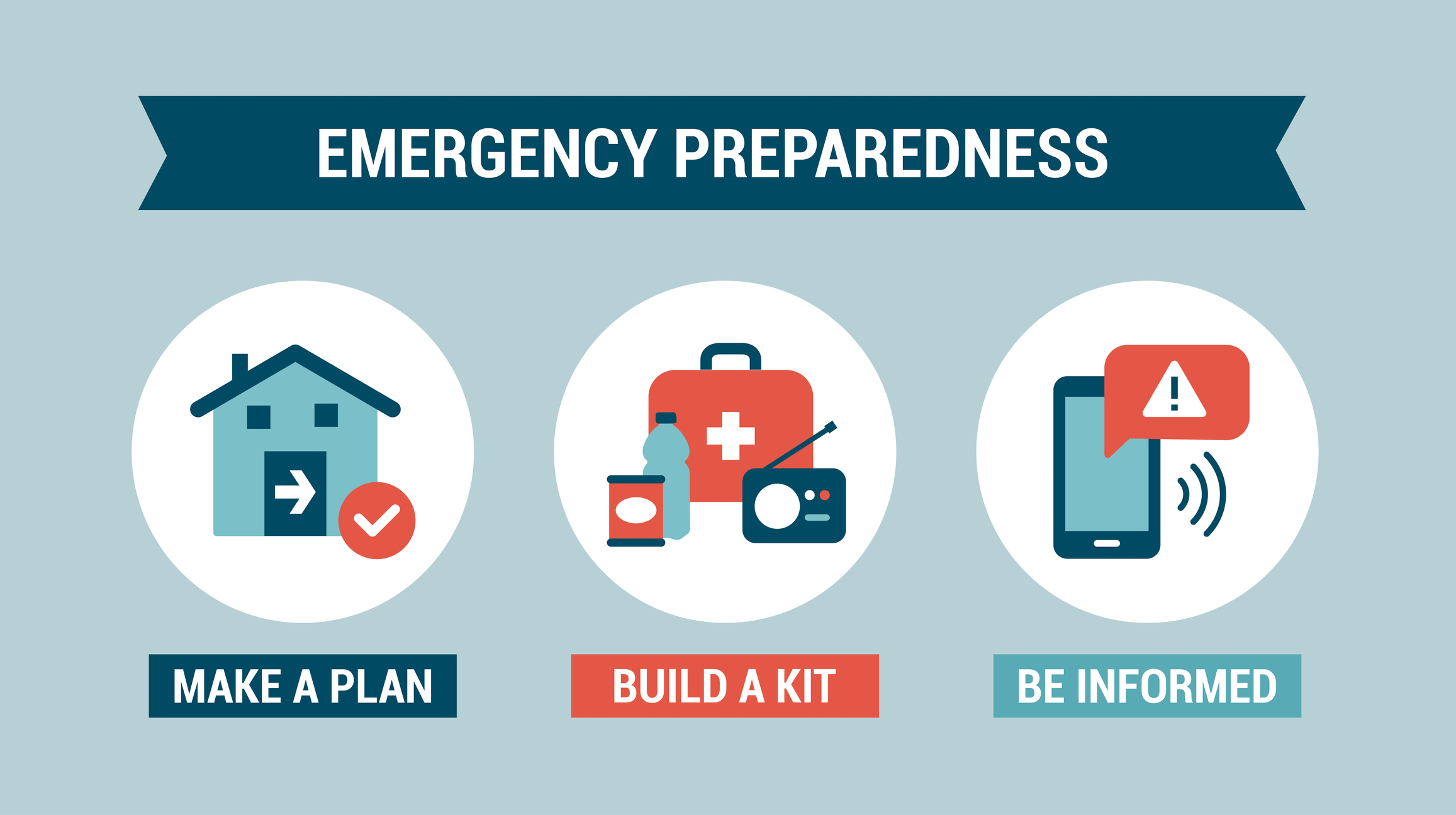
Credit: www.eldoradocounty.ca.gov
Frequently Asked Questions
What Are The 5 Categories Of Emergency Preparedness And Response?
The five categories of emergency preparedness and response are prevention, mitigation, preparedness, response, and recovery. Each phase focuses on reducing risks, preparing for, managing, and recovering from emergencies effectively.
What Is The Emergency Response Plan And Preparedness?
An emergency response plan and preparedness involve assessing risks, preventing hazards, and stockpiling essential supplies. It ensures quick, effective action during crises to protect lives and property.
What Are The 5 Elements Of An Emergency Response Plan?
The five elements of an emergency response plan are prevention, mitigation, preparedness, response, and recovery. These ensure safety before, during, and after emergencies.
What Are The Three Major Components Of An Eap Plan?
The three major components of an EAP plan are prevention, response, and recovery. Prevention avoids incidents. Response addresses emergencies promptly. Recovery restores normal operations after the crisis.
Conclusion
A strong Emergency Preparedness and Response Plan saves lives and reduces damage. Communities stay safer by planning ahead and practicing regularly. Clear roles and quick actions help during crises. Recovery efforts restore normal life faster and stronger. Stay informed, stay ready, and support your team.
Preparedness is a shared responsibility everyone must embrace.