
When an emergency strikes, every second counts—and being prepared can make all the difference. You might think your team knows what to do, but have you tested those plans in a real-world scenario?
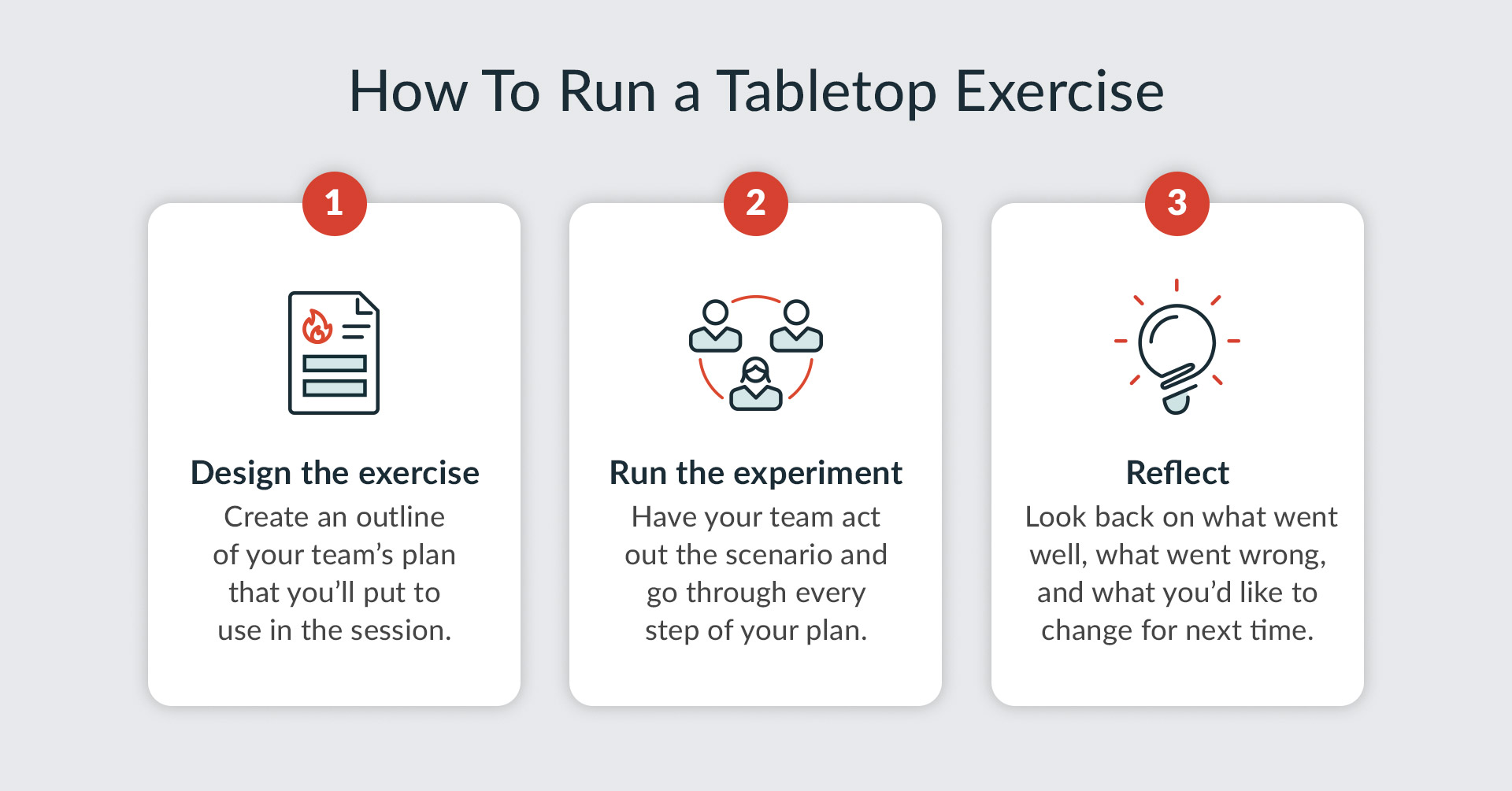
That’s where tabletop exercises come in. These simple, discussion-based drills let you walk through emergencies like active shooter incidents, cyberattacks, natural disasters, or system failures without the chaos of a real event. You’ll discover practical examples of emergency preparedness tabletop exercises that can help you identify weak spots, improve communication, and boost your team’s confidence before disaster hits.
Ready to turn your emergency plans into action-ready strategies? Let’s dive into the best tabletop exercise examples that will keep you and your organization one step ahead.
Credit: www.alertmedia.com
Active Shooter Scenarios
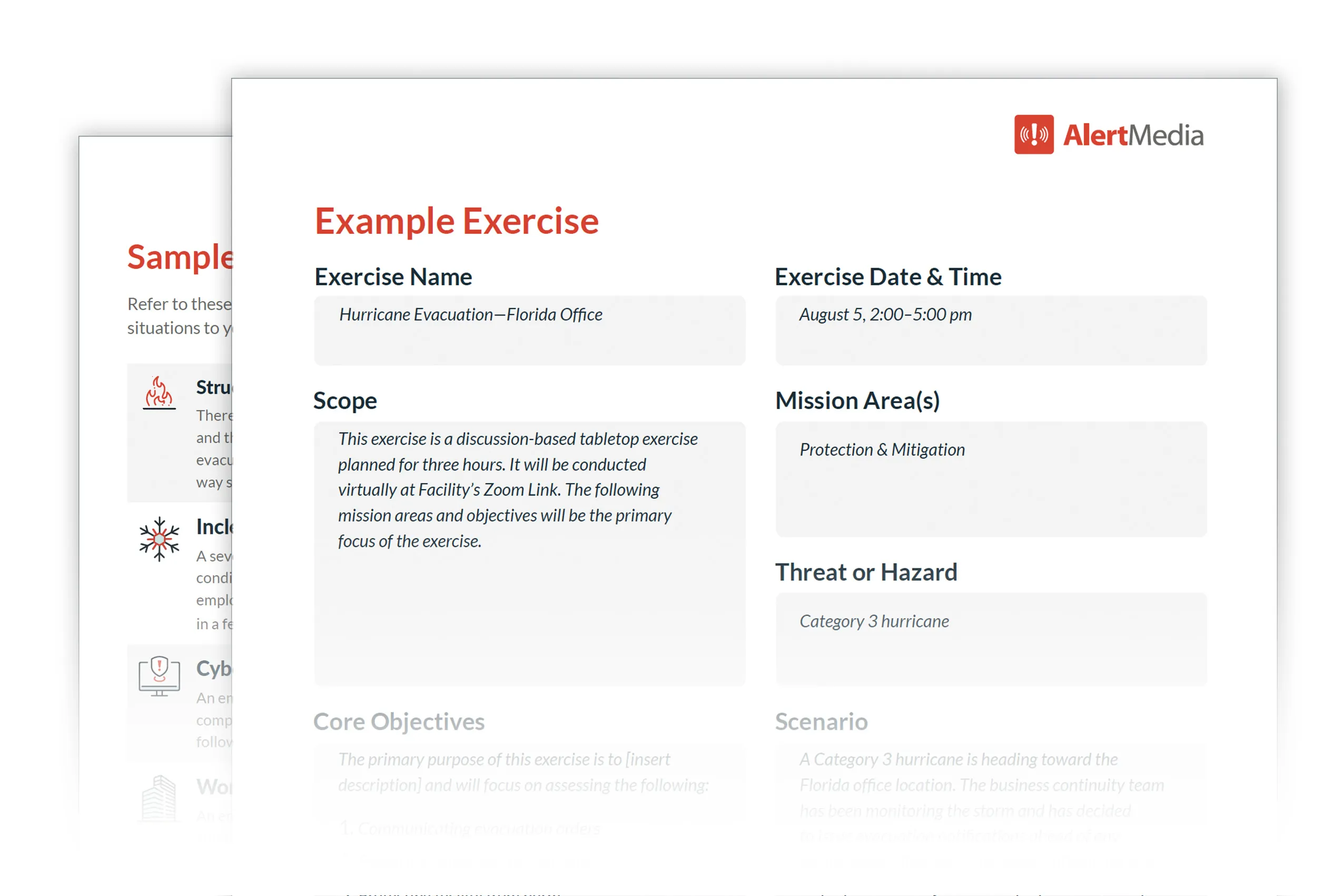
Active shooter scenarios are critical in emergency preparedness tabletop exercises. They help organizations practice quick, calm, and effective responses. These exercises improve readiness for real-life threats. Participants learn how to protect themselves and others during such emergencies.
Simulating active shooter events tests emergency plans and coordination. Staff understand roles and communication better. It reduces confusion and panic during actual incidents. Below are key parts to focus on during these exercises.
Initial Response Steps
The first moments are the most important. Call 911 immediately and give clear information. Stay calm and listen carefully. Alert others nearby without causing panic. Follow your organization’s emergency plan closely. Identify safe areas and escape routes quickly. Avoid confronting the shooter unless no other option exists.
Lockdown Procedures
Lockdown keeps people safe inside buildings. Secure doors and windows as fast as possible. Turn off lights and silence phones. Stay low and out of sight. Keep quiet and avoid moving around. Communicate only when necessary and discreetly. Wait for official all-clear signals before leaving.
Post-incident Actions
After the threat ends, assess injuries and provide first aid. Help emergency responders with information. Account for all staff and visitors. Offer emotional support and counseling services. Review the incident to improve future responses. Update emergency plans based on lessons learned.
Credit: www.alertmedia.com
Fire Emergency Drills
Fire emergency drills are a vital part of any safety plan. They prepare everyone to act quickly and calmly during a fire. These drills help identify weaknesses in evacuation plans and improve response times. Practicing regularly increases confidence and safety for all occupants.
Evacuation Route Planning
Clear evacuation routes save lives during a fire. Planning should include multiple exit paths. Mark routes with visible signs and keep them free from obstacles. Practice moving quickly along these routes to safe assembly points outside the building. Review routes regularly to update changes or repairs.
Communication During Fire
Effective communication reduces panic and confusion. Use loudspeakers, alarms, and clear instructions to guide people. Assign roles to staff for spreading information and helping those who need it. Ensure everyone knows emergency contacts and where to gather after evacuation. Test communication tools during drills for reliability.
Handling Blocked Exits
Blocked exits can trap people during a fire. Train staff to identify alternate routes quickly. Teach how to stay low to avoid smoke and use tools to clear minor obstacles. Practice scenarios where primary exits are unavailable. This prepares everyone to stay safe and find new ways out without delay.
Earthquake Response
Earthquake response is critical for saving lives and minimizing damage. Quick action and clear roles help teams manage the chaos. Tabletop exercises train staff to react properly under pressure. They improve coordination and reveal plan weaknesses. Below are key focus areas for earthquake response drills.
Command Post Setup
Establish a command post quickly after the earthquake. Choose a safe, accessible location near the affected area. Equip it with communication tools and maps. Assign a leader to coordinate resources and information. This post serves as the decision hub for all emergency activities. Clear communication lines reduce confusion and speed response efforts.
Triage And Injury Management
Sort injured people by severity to prioritize care. Use simple tags or colored markers for quick identification. Provide first aid to those with life-threatening injuries first. Keep a list of patients and their condition updated. Train staff to stay calm and follow protocols during triage. Proper injury management saves time and lives.
Evacuating Damaged Areas
Identify unsafe zones with structural damage or hazards. Plan evacuation routes that avoid blocked or dangerous paths. Guide people calmly and quickly to safe assembly points. Account for everyone to ensure no one is left behind. Use clear signals and instructions to prevent panic. Evacuation drills improve familiarity and speed in real events.
Ransomware Attack Exercises
Ransomware attack exercises simulate cyberattacks that lock systems and data. These drills help teams practice quick and effective responses. They focus on detecting threats, protecting data, and restoring operations. Such exercises build readiness and reduce downtime during real attacks.
Incident Response Workflow
The incident response workflow defines clear steps to handle ransomware attacks. It starts with identifying the breach and isolating affected systems. Next, teams analyze the attack and contain its spread. Then, they work on eradicating malware and recovering systems. Regular practice ensures everyone knows their role and acts quickly.
Communication Chains
Communication chains keep all team members informed during an attack. They establish who reports to whom and how updates are shared. Clear communication prevents confusion and speeds decision-making. Exercises test internal alerts and external notifications, including law enforcement and partners. This ensures smooth information flow under pressure.
Data Backup Procedures
Data backup procedures are vital during ransomware incidents. Exercises verify if backups are current, secure, and easily accessible. Teams practice restoring files from backups to resume operations fast. Testing backup integrity helps prevent data loss. Reliable backups reduce the need to pay ransoms and aid recovery.
Data Breach Simulations
Data breach simulations are essential for preparing organizations against cyber threats. These exercises mimic unauthorized access to sensitive information. They help teams practice quick detection and response steps. Conducting these drills improves the overall security posture. Participants learn to identify weak points in their defenses. The simulations also clarify roles and responsibilities during a breach. This training reduces confusion and speeds up incident handling. Repeated practice builds confidence in managing real breaches.
Monitoring System Effectiveness
Monitoring systems track unusual activities in real time. Simulations test whether these systems detect breaches quickly. They also check if alerts are clear and actionable. Teams verify that monitoring tools cover all critical data points. The exercise reveals gaps in detection or false alarms. This feedback helps improve system settings and thresholds. Effective monitoring shortens the time to identify threats. It supports faster containment and limits data loss.
Escalation Protocols
Escalation protocols define how to report and address breaches. Simulations practice notifying the right people without delay. They test communication flows from IT staff to management. Exercises ensure all team members understand their escalation duties. Timely escalation helps activate response plans promptly. It also triggers legal and regulatory notifications if needed. Practicing these steps reduces errors during real incidents. Clear protocols keep response organized and efficient.

Credit: www.dau.edu
Phishing Attack Role-plays
Phishing attack role-plays help organizations prepare for cyber threats. These exercises simulate real phishing attempts to test responses. Teams learn to detect, contain, and prevent damage from phishing. The role-plays create a safe space to practice skills and improve readiness. They highlight weak points in security and employee awareness. Below are key areas these exercises focus on.
Detection Methods
Detection is the first step in stopping phishing attacks. Role-plays train teams to spot suspicious emails quickly. They focus on identifying fake sender addresses and unusual links. Participants learn to recognize urgent or threatening language often used by attackers. Using email filters and security tools is also practiced. Early detection reduces the chance of a successful attack.
Containment Strategies
Containment limits the damage after a phishing attack is detected. Exercises teach how to isolate affected accounts immediately. Teams practice disabling compromised credentials to prevent further access. They review steps to notify IT and security teams fast. Containment actions include scanning systems for malware and removing threats. Proper containment stops attackers from spreading inside the network.
Employee Awareness Training
Training employees is crucial to reduce phishing risks. Role-plays raise awareness about common phishing tactics. They encourage staff to question unexpected emails and verify sources. Training includes how to report suspicious messages to security teams. Employees learn to avoid clicking on unknown links or downloading attachments. Regular practice builds a security-aware culture and lowers attack chances.
Utility Outage Scenarios
Utility outage scenarios are key parts of emergency preparedness tabletop exercises. These exercises simulate power, water, or gas failures that disrupt normal business operations. They help teams practice responses to sudden utility loss and develop strong recovery plans.
Utility outages affect many aspects of daily work. They can stop machines, block communication, and create safety risks. Practicing these scenarios helps organizations prepare for real outages and reduce downtime.
Business Continuity Plans
Business continuity plans guide actions during utility outages. They list steps to keep essential functions running despite disruptions. These plans identify backup power sources, communication methods, and critical staff roles.
Testing continuity plans in tabletop exercises reveals weaknesses. Teams can update plans to address those gaps. Clear plans ensure everyone knows their duties during utility failures.
Maintaining Operations
Maintaining operations during utility outages requires quick decisions and teamwork. Exercises focus on using backup generators, switching to manual processes, and prioritizing tasks.
Staff learn to communicate clearly and stay safe. Exercises also highlight the importance of resource management and contingency supplies. Practicing these actions reduces confusion and speeds recovery.
Supply Chain Disruption
Supply chain disruptions can halt operations and cause major losses. They happen due to weather, strikes, or supplier failures. Testing responses to such disruptions prepares organizations to handle real crises. Tabletop exercises simulate these scenarios, helping teams find weak points and improve plans.
Resilience Testing
Resilience testing checks how well the supply chain holds up under stress. Teams review backup suppliers and logistics options. They identify critical links that need strengthening. Exercises simulate delays or shortages, measuring response speed. This helps build a stronger supply chain that recovers quickly.
Contingency Planning
Contingency planning prepares teams for unexpected supply chain failures. It includes creating alternative sourcing strategies and emergency stock policies. Exercises practice switching suppliers or rerouting shipments. Clear communication plans are tested to keep all stakeholders informed. These steps reduce downtime and maintain service levels during disruptions.
It System Failure Drills
IT system failure drills are vital for preparing organizations for unexpected technology breakdowns. These drills simulate scenarios where key IT systems stop working. The goal is to test how teams respond and keep operations running smoothly despite the outage.
Practicing these drills helps identify weak points in emergency plans. Teams learn to use backup methods and communicate effectively. This preparation minimizes downtime and reduces the impact on business activities.
Manual Workaround Implementation
During an IT system failure, manual workarounds keep essential functions active. Teams practice switching from automated systems to manual processes. For example, staff might use paper forms instead of digital records.
This exercise ensures everyone knows their role and the steps to follow. It also reveals gaps in training or resources. Regular drills help staff become confident in manual operations, which reduces errors and delays.
Department Notifications
Clear communication is crucial during IT outages. Drills test how quickly and accurately departments are informed. Notification procedures must include who to contact and what information to share.
Effective alerts help coordinate response efforts and avoid confusion. Teams practice sending messages through alternative channels if usual systems are down. These drills improve readiness and speed up recovery.
Pandemic Response Exercises
Pandemic response exercises prepare organizations for health emergencies. These exercises simulate outbreaks and test readiness. They help identify weaknesses in plans and improve team coordination. Participants learn how to react quickly and effectively during a pandemic scenario.
Risk Communication
Clear communication is vital during a pandemic. Exercises focus on delivering accurate, timely information to the public and staff. They practice using simple language to avoid confusion. Teams also work on managing rumors and misinformation. The goal is to build trust and keep everyone informed.
Isolation Procedures
Isolation stops the spread of disease. Exercises train staff on identifying and separating infected individuals. They practice setting up isolation areas safely. Proper use of personal protective equipment (PPE) is emphasized. These drills ensure quick, effective isolation to protect others.
Mass Dispensing Capabilities
Mass dispensing means giving vaccines or medicines to many people fast. Exercises test how to set up distribution points and manage crowds. They practice tracking supplies and handling emergencies during dispensing. The focus is on smooth, efficient delivery to save lives.
Natural Disaster Drills
Natural disaster drills play a vital role in emergency preparedness tabletop exercises. They help organizations and communities practice responses to events like earthquakes, floods, or hurricanes. These drills improve coordination, identify weaknesses, and strengthen overall readiness. Participants engage in realistic scenarios that test their plans and skills in a controlled setting.
These drills focus on key areas such as communication, evacuation, and recovery. Each aspect is critical to managing the chaos and ensuring safety during a real disaster. Practicing these steps builds confidence and reduces response times.
Communication Strategies
Effective communication is crucial during natural disasters. Drills test how teams share information quickly and clearly. They practice using multiple channels like radios, phones, and messaging apps. These exercises help identify gaps in communication flow and improve message accuracy. Clear communication ensures everyone knows their role and stays informed.
Evacuation Planning
Evacuation planning drills focus on safe and orderly exits. Participants review evacuation routes and assembly points. They simulate challenges like blocked paths or disabled persons needing help. These exercises improve decision-making under pressure and highlight the need for clear signage and guidance. Practicing evacuation reduces confusion and speeds up safe departures.
Recovery Operations
Recovery operations come after the disaster impact. Drills simulate tasks like damage assessment, resource allocation, and restoring services. Teams coordinate to support affected individuals and repair infrastructure. These exercises teach how to prioritize actions and manage limited resources. Recovery drills ensure a faster return to normal life and reduce long-term damage.
Frequently Asked Questions
What Are Emergency Preparedness Tabletop Exercises?
Emergency preparedness tabletop exercises simulate crisis scenarios to test response plans. They help identify gaps and improve coordination among staff in a controlled setting.
What Scenarios Are Used In Tabletop Exercises?
Common scenarios include active shooter incidents, cyberattacks, natural disasters, pandemics, and infrastructure failures. These examples cover physical safety, cybersecurity, and operational challenges.
How Do Tabletop Exercises Improve Emergency Response?
They provide a safe environment to practice decision-making, communication, and coordination. Exercises reveal weaknesses and allow refinement of emergency plans before real incidents occur.
Who Should Participate In Tabletop Exercises?
Key staff from various departments, including security, IT, operations, and management, should participate. Involving diverse roles ensures comprehensive preparedness and effective teamwork.
Conclusion
Emergency preparedness tabletop exercises help teams practice real-life scenarios safely. These exercises reveal weaknesses in plans and improve teamwork. Using examples like active shooter or cyberattack scenarios prepares organizations for many threats. Regular practice builds confidence and readiness for emergencies.
Simple, clear steps during exercises make responses quicker and more effective. Keep updating plans based on lessons learned. Strong preparation can save lives and reduce damage. Stay ready by practicing tabletop exercises often and seriously.

