
Imagine facing an emergency without the right supplies—how would you cope? Your safety and peace of mind depend on having a well-prepared emergency kit ready at a moment’s notice.
This Emergency Preparedness List is designed to help you gather the essential items you need to stay safe, comfortable, and informed during any crisis. From clean water to important documents, every item on this list plays a crucial role in protecting you and your loved ones.
Keep reading to discover exactly what you should have on hand and how to prepare effectively for unexpected situations. Your future self will thank you.
Essential Water Supplies
Water is the most important supply in any emergency kit. Without enough clean water, survival becomes difficult fast. Preparing essential water supplies ensures you stay hydrated and healthy during a crisis. It also supports basic sanitation needs to prevent illness.
Focus on the right amount and proper storage methods. These steps help you manage water safely and efficiently. Being ready means having peace of mind and better chances in emergencies.
Daily Water Needs
Each person needs at least one gallon of water per day. This amount covers drinking, cooking, and basic hygiene. Children and elderly may need more water. Hot weather or physical activity increases water needs. Plan for at least three days of water supply per person. For longer emergencies, store more water if possible. Always include extra water for pets.
Storage Tips
Use clean, food-grade containers for water storage. Avoid containers that held chemicals or non-food items. Store water in a cool, dark place to prevent bacteria growth. Change stored water every six months to keep it fresh. Seal containers tightly to avoid contamination. Label containers with the date of storage. Consider water purification tablets or filters as backups. Keep water supplies accessible but safe from damage.
Credit: www.floridadisaster.org
Non-perishable Food Options
Non-perishable food is vital for any emergency kit. It provides reliable nutrition during power outages or natural disasters. These foods last long without refrigeration or spoilage. Stocking up ensures you have safe, ready-to-eat meals anytime. Focus on items that require little or no preparation. This saves time and energy when conditions are tough.
Recommended Food Types
Choose canned vegetables, fruits, and meats for balanced nutrition. Dry goods like rice, pasta, and beans offer energy and fiber. Ready-to-eat meals, such as freeze-dried or dehydrated foods, are lightweight and easy to store. Nut butters and trail mixes provide protein and healthy fats. Pack shelf-stable milk or milk alternatives for calcium. Include some comfort foods like granola bars or crackers to boost morale.
Manual Can Openers
A manual can opener is essential for accessing canned foods. Battery-powered openers may fail during power loss. A sturdy manual opener works without electricity. Keep it in your emergency kit and test it regularly. Choose one with a comfortable grip and sharp blade for easy use. This simple tool ensures you can eat your stored food anytime.
First-aid Kit Basics
A well-stocked first-aid kit is vital in any emergency preparedness list. It helps treat minor injuries and prevents infections. Knowing the basics of a first-aid kit ensures you can handle sudden health issues quickly and safely.
Keep your kit organized and accessible. Check supplies regularly and replace used or expired items. A good first-aid kit supports safety and peace of mind during emergencies.
Key Medical Supplies
Basic medical supplies form the core of every first-aid kit. Include antiseptic wipes to clean wounds and prevent infection. Add sterile gauze pads for covering cuts and scrapes. Medical tape keeps dressings secure. Tweezers help remove splinters or debris. Scissors are essential for cutting tape or clothing. Gloves protect against germs and blood contact. A digital thermometer checks for fever. These items handle most minor injuries and illnesses.
Pain Relief And Bandages
Pain relief medicines are crucial in emergencies. Pack over-the-counter painkillers like ibuprofen or acetaminophen. These reduce pain and fever. Include adhesive bandages of various sizes for small cuts and blisters. Larger bandages or wound dressings cover deeper injuries. Elastic bandages provide support for sprains or strains. Keep burn cream or ointment to soothe skin burns. These items help manage pain and protect wounds effectively.
Credit: www.austintexas.gov
Lighting And Power
Lighting and power are critical components of any emergency preparedness list. Power outages often happen during disasters, leaving homes dark and utilities offline. Having reliable lighting and power sources ensures safety and comfort. It also helps maintain communication and carry out essential tasks during emergencies.
Flashlights And Batteries
Flashlights provide bright, focused light in dark situations. Keep several flashlights in your emergency kit. Choose LED flashlights for longer battery life and better brightness. Store extra batteries to avoid being left in the dark. Check batteries regularly and replace them when needed. Avoid using candles as they pose fire risks.
Alternative Power Sources
Alternative power sources keep your devices charged and running. Portable power banks can recharge phones and small gadgets. Solar chargers use sunlight, making them useful in long outages. Hand-crank generators provide power without batteries or fuel. Consider a backup generator for extended power loss. These options help maintain communication and access to important information.
Communication Tools
Communication tools are vital in any emergency kit. They keep you informed and help you reach others. Power outages often cut off normal communication. Having reliable devices ensures you stay connected.
Emergency alerts and weather updates come through radios and other tools. These devices do not rely on the internet or cell towers. They work in all weather conditions and during power failures.
Battery-powered Radios
Battery-powered radios provide access to important news and alerts. They run on common batteries, making them easy to keep ready. Choose radios with clear reception and multiple bands.
These radios can pick up emergency broadcasts from local authorities. Keep extra batteries stored safely for long-term readiness. A simple, reliable radio can be a lifesaver.
Hand-crank Devices
Hand-crank radios do not need batteries to work. You generate power by turning a small handle. This makes them perfect for long emergencies without power.
Many hand-crank devices include flashlights or phone chargers. They offer multiple functions with one tool. They are easy to use and maintain in any situation.

Credit: www.mynspr.org
Sanitation And Hygiene
Maintaining sanitation and hygiene is vital during emergencies. Cleanliness helps prevent illness and keeps you comfortable. Proper hygiene reduces the spread of germs in close quarters. Prepare your emergency kit with essential sanitation items. Think beyond water and food to stay healthy in tough conditions.
Personal Sanitation Items
Include basic items like soap and hand sanitizer. Pack moist towelettes for quick cleaning without water. Toothbrushes, toothpaste, and feminine hygiene products are essential. Disposable gloves protect hands from germs and contaminants. Facial tissues and wet wipes help maintain cleanliness. Keep a small mirror for personal grooming. These items support daily hygiene and reduce infection risk.
Waste Disposal Solutions
Plan how to handle trash and human waste safely. Include heavy-duty garbage bags to contain waste securely. Plastic ties or twist ties help close bags tightly. A portable toilet or bucket with a lid can be useful. Pack absorbent materials like kitty litter or sawdust for solid waste. Proper disposal prevents contamination and controls odors. Managing waste keeps your environment clean and safe.
Medication And Health Needs
Managing medication and health needs is a crucial part of emergency preparedness. Having the right supplies and information ready helps maintain health during unexpected events. This section highlights key points to include in your emergency kit.
Prescription Supplies
Keep a minimum one-week supply of all prescription medications. Store them in a waterproof container to protect from damage. Include extra inhalers, insulin, or other essential medical devices. Check expiration dates regularly and replace items as needed. Pack a list of current medications with dosages and instructions.
Doctor And Pharmacy Contacts
Have a written list of your doctor’s name, phone number, and address. Include contact details for your pharmacy and any specialists you see. This information helps you get refills or medical advice quickly. Keep a digital copy on your phone and a paper copy in your emergency kit. Update contacts if you change doctors or pharmacies.
Important Documents
Important documents play a crucial role in emergency preparedness. Keep these papers safe and accessible. They help prove your identity and support your recovery efforts. Organize them in a waterproof, portable folder or digital backup. This ensures you can quickly find what you need under stress or evacuation.
Identification Papers
ID papers verify who you are during emergencies. Include passports, driver’s licenses, and birth certificates. Also add Social Security cards and any immigration documents. Keep copies of health insurance cards and medical records. Store these documents together for easy access. Digital copies on a secure device add extra security.
Emergency Plans
Emergency plans outline your actions during a crisis. Include contact lists with phone numbers and addresses of family and friends. Add evacuation routes and meeting spots. Keep copies of insurance policies and property deeds. These help with claims and rebuilding after disasters. Update plans regularly and share them with everyone in your household.
Multi-purpose Tools
Multi-purpose tools are essential for any emergency preparedness list. These tools combine several functions in one compact device. They save space and add convenience during emergencies. Having reliable multi-purpose tools can improve your ability to handle unexpected situations quickly.
Utility Wrenches
Utility wrenches are simple yet powerful tools. They help turn off gas, water, and electrical valves. This can prevent further damage during a disaster. Many utility wrenches fit standard valve sizes for easy use. They are lightweight and easy to carry in an emergency kit.
Versatile Equipment
Versatile equipment includes multi-tools with pliers, knives, screwdrivers, and more. These tools can fix, cut, open, and tighten various items. Their compact design fits well in pockets or backpacks. Versatile tools reduce the need to carry many separate items. They offer quick solutions for common emergency tasks.
Emergency Signaling Devices
Emergency signaling devices are essential tools in any preparedness kit. They help you call for help and alert rescuers if you are in danger or lost. These devices work without power and can be heard or seen from a distance. Having reliable signaling tools increases your chances of being found quickly during an emergency.
Whistles
Whistles are simple and effective signaling devices. They produce a loud, sharp sound that carries far. Unlike shouting, a whistle uses less energy and can be heard through thick brush or noisy environments. Choose a whistle with a pea inside for a strong, clear tone. Keep it attached to your gear for easy access.
Whistles work day and night. They do not need batteries or charging. Three short blasts are the universal signal for help. This makes whistles a must-have item in any emergency kit.
Other Alert Tools
Besides whistles, many other alert tools help in emergencies. Signal mirrors can reflect sunlight to catch the attention of rescuers over long distances. Flashlights with strobe modes serve as visual signals during low light. Brightly colored flags or cloths can also mark your location.
Electronic devices like personal locator beacons (PLBs) send a GPS signal to rescue teams. Radios can broadcast distress messages if within range. Each tool adds a layer of safety and increases your chances of rescue.
Frequently Asked Questions
What Are 10 Items You Need For An Emergency Kit?
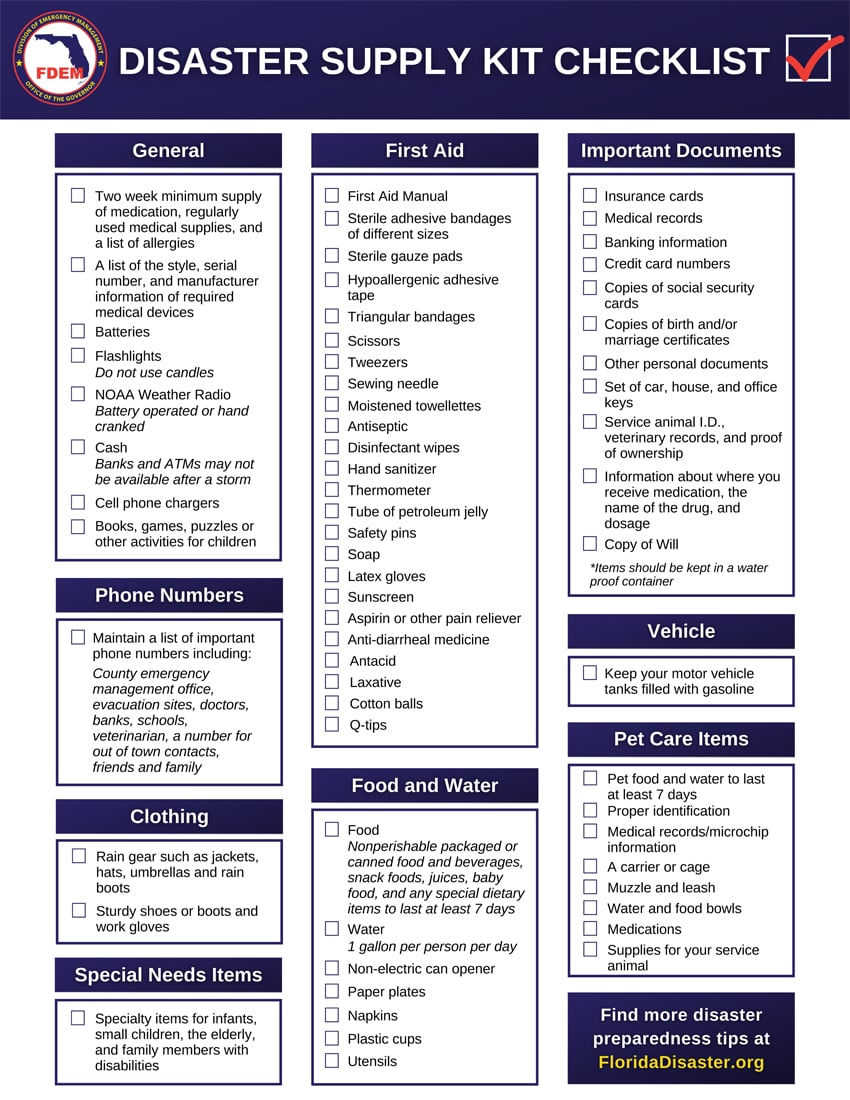
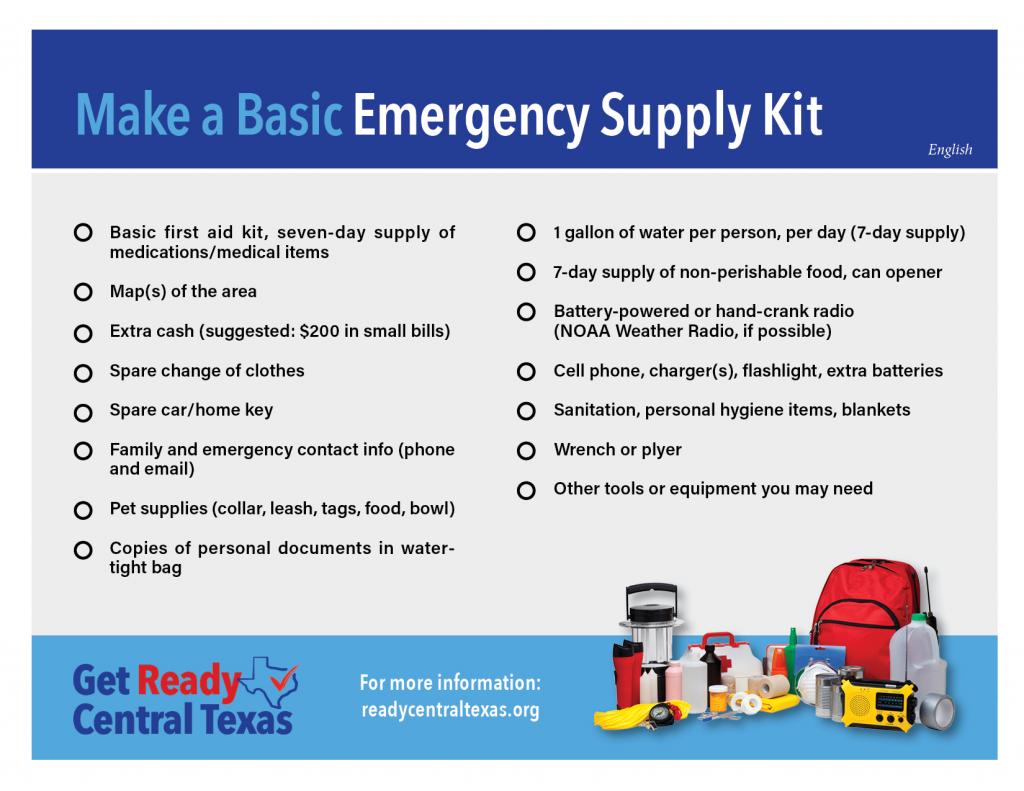
An emergency kit needs water, non-perishable food, first-aid supplies, flashlight with batteries, radio, hygiene items, medications, important documents, multi-purpose tool, and a whistle.
What Should I Stockpile For An Emergency?
Stockpile water (one gallon per person daily), non-perishable food, first-aid kit, flashlight with batteries, radio, hygiene supplies, medications, important documents, multi-purpose tool, and a whistle.
What Are The 10 Most Important Survival Items?
The 10 most important survival items are water, non-perishable food, first-aid kit, flashlight with batteries, radio, sanitation supplies, medications, important documents, multi-purpose tool, and a whistle.
What To Put In A 72 Hour Emergency Kit?
Include water (1 gallon/person/day), non-perishable food, first-aid kit, flashlight with batteries, radio, hygiene supplies, medications, important documents, multi-purpose tool, and whistle.
Conclusion
Preparing an emergency kit saves time and stress during crises. Keep water, food, and medical supplies ready. Include tools like flashlights and radios to stay informed. Don’t forget important documents and hygiene items. Regularly check and update your kit to ensure everything works.
Being ready helps protect your family and peace of mind. Start assembling your emergency preparedness list today. Small steps now make a big difference later. Stay safe and prepared for any situation.


