
Imagine facing a sudden emergency without the right tools or information—how prepared would you feel? Your safety and peace of mind depend on having an Emergency Preparedness Packet ready at all times.
This simple, easy-to-assemble packet can be your lifeline during unexpected events, giving you quick access to essential supplies and critical information. You’ll discover exactly what to include in your packet, how to organize it effectively, and why having one tailored for your needs in Austin, Texas, can make all the difference when disaster strikes.
Keep reading to ensure you and your loved ones are ready for whatever comes your way.
Emergency Kit Essentials
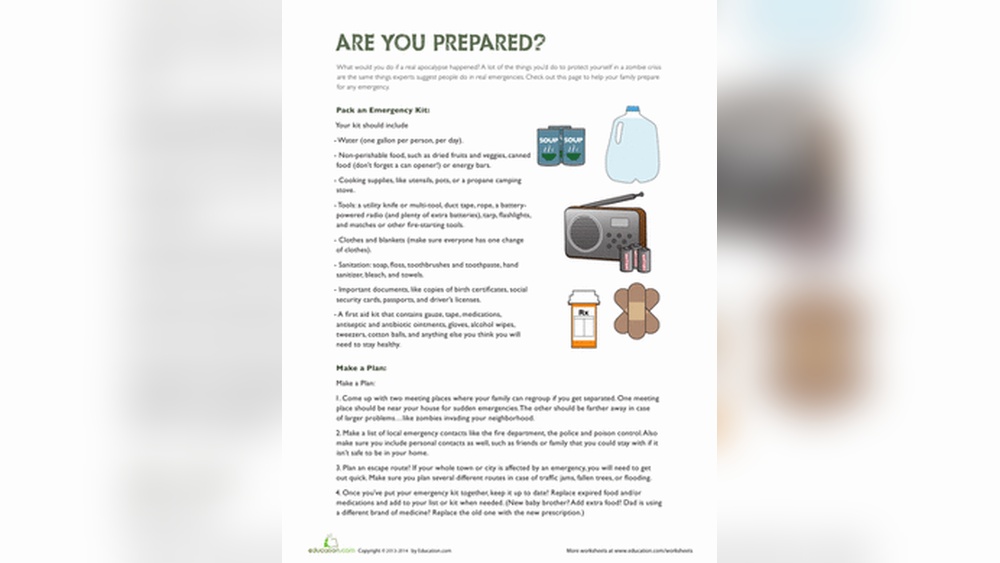
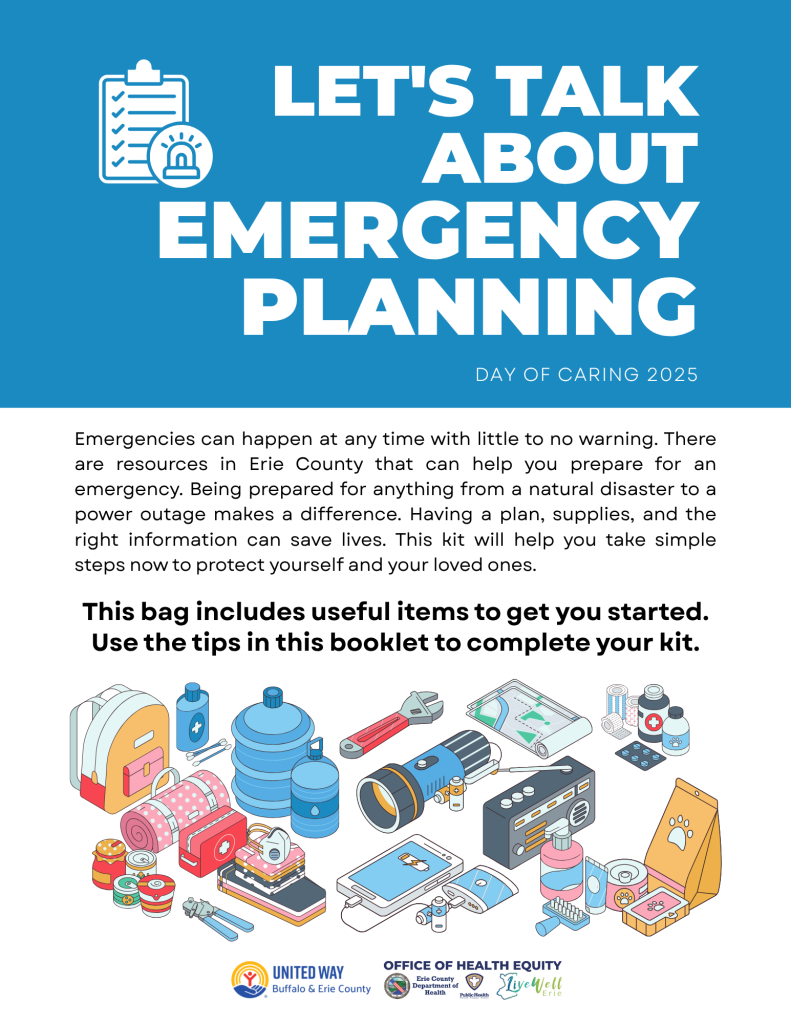
Every emergency kit needs the right essentials. These items help you stay safe, healthy, and comfortable during a disaster. A well-packed kit can support you and your family for several days. Organize your supplies carefully to make sure nothing important is missing.
Basic Survival Items
Start with basic survival items like a flashlight and extra batteries. Include a whistle to signal for help. A sturdy emergency blanket keeps you warm. Pack a multi-tool for small repairs. Carry copies of important documents in a waterproof bag. Don’t forget a battery-powered or hand-crank radio to get news updates.
First Aid Supplies
A good first aid kit is crucial. It should have bandages, antiseptic wipes, and adhesive tape. Include pain relievers and allergy medicine. Add scissors and tweezers for emergencies. Sterile gloves and a CPR mask protect you and others. Check and replace expired items regularly to keep the kit ready.
Food And Water Storage
Store enough water for each person—one gallon per day for at least three days. Choose non-perishable food like canned goods, energy bars, and dried fruits. Pack a manual can opener. Rotate food supplies every six months to keep them fresh. Avoid foods that need refrigeration or cooking if possible.
Tools And Equipment
Include tools like a wrench or pliers to turn off utilities. A fire extinguisher is essential for small fires. Pack duct tape and plastic sheeting for shelter or repairs. Have sturdy gloves and dust masks to protect yourself. A map of your area and a compass help if GPS fails. Make sure all tools are easy to carry and use.
Customizing Your Packet
Creating an emergency preparedness packet tailored to your unique needs ensures you stay ready for any situation. Personalizing this packet helps you gather the right supplies and information. It also makes your response smoother during emergencies.
Consider specific factors that affect you and your family. Think about health needs, pets, and the weather where you live. These details make your packet practical and effective.
Special Needs Considerations
Include items that support medical conditions or disabilities. Pack extra medications and copies of prescriptions. Add necessary medical devices or supplies, like hearing aids or oxygen tanks. Write down emergency contacts and important health information. This preparation helps you handle emergencies confidently.
Pet Preparedness
Pets need care during emergencies too. Add food, water, and bowls for your pets. Include a leash, carrier, and any medicines they require. Keep vaccination records and a recent photo of your pet. These items ensure your pets stay safe and comfortable.
Local Climate Factors
Think about the weather and environment where you live. In cold areas, pack warm blankets and extra clothing. In hot climates, include sunscreen and plenty of water. If floods or storms are common, add waterproof containers and flashlights. Tailoring your packet to your climate keeps you ready for local risks.
Organizing Emergency Documents
Organizing emergency documents is a critical step in preparing for unexpected events. Having these papers sorted and ready saves time and reduces stress during emergencies. A well-prepared packet ensures quick access to essential information.
Keep all documents in a waterproof, portable container. Use clear labels and separate sections for easy finding. Regularly update your packet to keep information current.
Important Identification
Include government-issued IDs like passports and driver’s licenses. Add copies of birth certificates and Social Security cards. These IDs prove your identity and help access services quickly. Store both originals and photocopies securely.
Medical Records
Gather health documents such as vaccination records and prescription lists. Include allergy information and doctor contact details. Medical records assist emergency responders in providing proper care. Keep these papers updated and easy to reach.
Insurance And Financial Papers
Collect insurance policies for home, health, and vehicles. Add bank account information and credit card details. Keep copies of wills, property deeds, and other financial documents. Organized papers help with claims and financial recovery after disasters.

Credit: unitedwedream.org
Communication Planning
Communication planning is a crucial part of any emergency preparedness packet. It helps families and groups stay connected during crises. Clear communication reduces confusion and speeds up response times.
Planning how to share information before, during, and after an emergency keeps everyone safe. It includes knowing who to contact, what devices to use, and where to meet. These steps ensure that help arrives quickly and that everyone knows what to do.
Emergency Contacts List
Prepare a list of important phone numbers and addresses. Include family members, friends, doctors, and emergency services. Keep this list updated and store it in your emergency kit. Share a copy with all family members and caregivers.
Communication Devices
Use reliable devices for emergency communication. Cell phones, two-way radios, and satellite phones work well. Keep extra batteries or chargers in your kit. Test devices regularly to ensure they work when needed.
Meeting Points And Evacuation Routes
Choose safe meeting places outside your home and neighborhood. Make sure everyone knows these spots. Plan evacuation routes from your home and workplace. Practice these routes to avoid confusion during emergencies.
Storage And Accessibility
Storing your emergency preparedness packet correctly is vital for quick access during a crisis. Proper storage ensures all items stay safe, dry, and ready to use. Accessibility means you or your family can reach the packet fast, even under stress. Consider these key points to keep your emergency kit in top shape and within easy reach.
Choosing The Right Container
Select a container that is sturdy and durable. Hard plastic boxes work well to protect contents from damage. Look for containers with secure lids that lock tightly. Clear containers help you see what is inside without opening them. Size matters; choose one large enough to hold all essentials but small enough to carry easily.
Safe And Dry Location
Store your emergency packet in a place free from moisture and extreme temperatures. Avoid basements prone to flooding or dampness. A closet or shelf inside the home often works best. Make sure the location is easy to reach quickly. Keep it away from direct sunlight to prevent damage to supplies.
Portability Tips
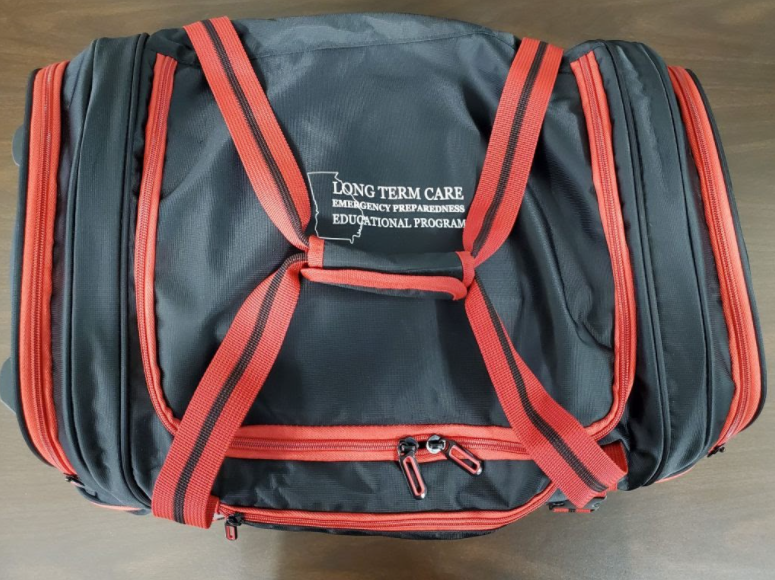
Use a backpack or duffel bag for easy transport if evacuation is needed. Pack heavier items at the bottom for better balance. Add comfortable straps to reduce strain when carrying. Label the container clearly for quick identification. Regularly check and update the contents to maintain readiness.
Credit: idm.publichealth.uga.edu
Maintenance And Updates
Maintaining and updating your emergency preparedness packet is crucial for staying ready. A well-maintained kit ensures you have reliable supplies during an emergency. Regular attention helps avoid surprises when you need your kit the most.
Check your kit often. Replace items that are no longer useful or have expired. Keep your contact list current. These simple actions keep your emergency packet effective and trustworthy.
Regular Kit Checks
Set a schedule to check your kit every three to six months. Inspect all items to confirm they are in good condition. Look for damaged packaging or missing supplies. Verify that water and food are safe to use. This habit avoids last-minute problems during emergencies.
Replacing Expired Items
Many emergency supplies have expiration dates. Replace expired food, water, and medications immediately. Check batteries and first aid supplies for usability. Expired items may fail when needed most. Keep fresh items stocked to ensure safety and effectiveness.
Updating Contact Information
Emergency contacts may change over time. Review phone numbers, addresses, and email details regularly. Add new contacts such as neighbors or local emergency services. Remove outdated information to avoid confusion. Up-to-date contacts improve communication during crises.
Training And Practice
Training and practice are key parts of emergency preparedness. Knowing what to do can save lives and reduce panic. Regular practice builds confidence and helps everyone stay calm during a crisis. Practicing with your emergency preparedness packet makes sure you know how to use each item effectively.
Using First Aid Kits
First aid kits are vital in emergencies. Learn how to find and use each item in the kit. Practice cleaning wounds, applying bandages, and using antiseptics. Knowing these skills helps you provide quick care before help arrives. Keep your kit stocked and check it often to replace expired items.
Emergency Drills
Emergency drills prepare you for real events. Practice different scenarios like fires, earthquakes, or floods. Run through your evacuation plan with family or coworkers. Drills improve reaction time and reduce confusion. Make drills a regular habit to keep everyone alert and ready.
Community Resources
Community resources offer support during emergencies. Learn about local shelters, emergency services, and help centers. Attend workshops or training sessions offered by community groups. These resources provide valuable knowledge and tools. Connecting with your community strengthens your overall preparedness.
Credit: www3.erie.gov
Frequently Asked Questions
What Is An Emergency Preparedness Packet?
An Emergency Preparedness Packet contains essential information and supplies to help you survive disasters. It includes checklists, contact info, and survival tools for quick access during emergencies.
Why Is An Emergency Preparedness Packet Important?
It ensures you have vital resources ready during unexpected events. This packet helps reduce panic, speeds up response time, and increases your safety in crises.
What Items Should Be In An Emergency Preparedness Packet?
Include water, non-perishable food, first aid supplies, flashlights, batteries, important documents, and contact lists. Tailor contents to your family’s specific needs and local risks.
How Often Should I Update My Emergency Preparedness Packet?
Update your packet every six months. Check expiration dates on food and medicine, and refresh contact info to keep it reliable and effective.
Conclusion
An emergency preparedness packet helps you stay ready for any disaster. Keep important documents, supplies, and contact information organized in one place. Regularly check and update your packet to ensure everything is current. This simple step can save time and reduce stress during emergencies.
Being prepared means protecting yourself and your loved ones. Start building your emergency packet today to face emergencies with confidence and calm.