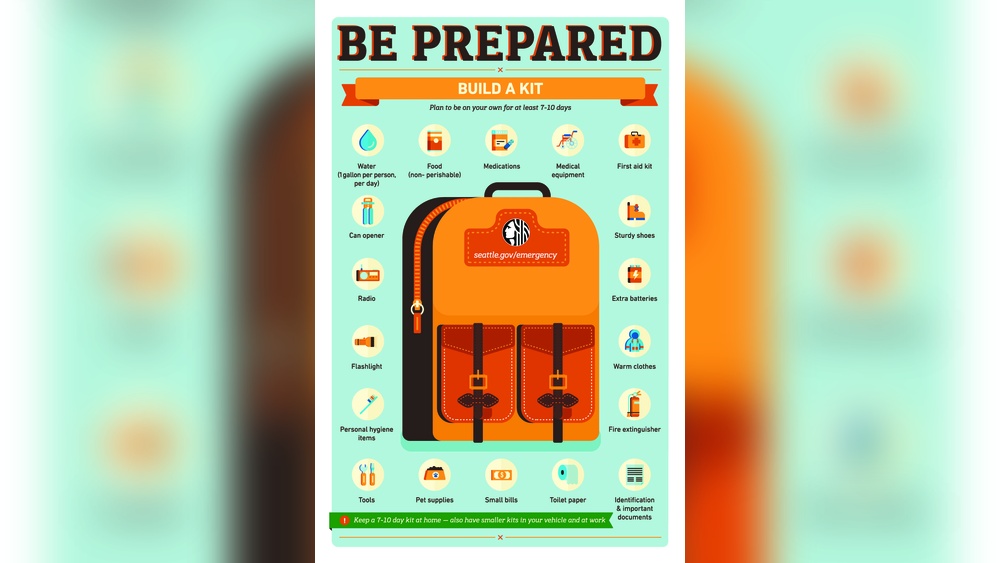

When an earthquake strikes, every second counts—and being prepared can make all the difference for you and your loved ones. Do you have an emergency preparedness kit ready to help you stay safe, informed, and comfortable during those critical moments?
If not, it’s time to take action. This guide will walk you through the essential items you need to include in your earthquake emergency kit, so you’re never caught off guard. Keep reading to discover how a well-packed kit can protect your family and give you peace of mind when the ground starts to shake.
Water And Food
Water and food are essential parts of any earthquake emergency kit. They keep you alive and help maintain strength during tough times. Without clean water and enough food, survival becomes very difficult. Planning carefully ensures you have what you need for several days.
Water Storage Guidelines
Store at least one gallon of water per person each day. This amount covers drinking and basic hygiene. Keep water in clean, sealed containers. Replace stored water every six months to maintain freshness. Avoid using containers that held chemicals. If tap water is unsafe, use bottled or boiled water.
Non-perishable Food Options
Choose foods that last long without refrigeration. Canned goods, dry cereals, nuts, and granola bars work well. Include ready-to-eat meals like canned beans or pasta. Pick items that require little or no cooking. Check expiration dates often and replace expired items promptly. Consider high-energy foods to keep your energy up.
Manual Can Opener Importance
A manual can opener is a must-have tool in your kit. Electric openers may not work during power outages. Without a can opener, accessing canned food becomes very hard. Choose a sturdy, easy-to-use model. Practice using it before an emergency occurs. This tool saves time and avoids frustration.
Medical Supplies
Medical supplies are vital in any earthquake emergency kit. They help treat injuries and manage health needs after a quake. Having the right items can reduce risks and ease pain until help arrives.
Prepare your kit carefully. Focus on items that address common injuries and personal health conditions. Keep the supplies organized and easy to reach.
Basic First-aid Kit Items
A basic first-aid kit should include antiseptic wipes, antibiotic ointment, and adhesive bandages. Add tweezers, scissors, and disposable gloves for safety. Include pain relievers like acetaminophen or ibuprofen. These items help clean wounds and prevent infection quickly.
Personal Medications
Include a supply of your daily medications in your kit. Store extra doses of inhalers, insulin, or heart medicine. Keep a list of your medications and dosages. This ensures you maintain your health during emergencies without interruption.
Bandages And Dressings
Stock various sizes of sterile bandages and gauze pads. Use them to cover cuts, scrapes, and larger wounds. Add adhesive tape and elastic bandages for securing dressings. These help control bleeding and protect injuries from dirt and germs.
Lighting And Communication
Lighting and communication are vital parts of an earthquake emergency kit. Power often fails after an earthquake. Darkness can cause fear and accidents. Clear communication helps you stay safe and informed. Prepare tools that work without electricity. Choose devices that last long and are easy to use. This section covers essential items to keep light and stay connected during an earthquake.
Flashlights And Batteries
Flashlights provide safe light in dark places. Carry at least one flashlight per person. Use LED flashlights for longer battery life. Keep extra batteries in your kit. Test batteries regularly to ensure they work. Avoid candles; they can cause fires. A reliable flashlight helps you move safely in damaged buildings.
Battery-powered And Hand-crank Radios
Radios keep you updated on news and weather. Choose battery-powered or hand-crank radios. Hand-crank radios do not need batteries. They work by turning a small handle. Listen to emergency broadcasts for instructions. Keep the radio close during and after the quake. This tool helps you learn about road closures and shelter locations.
Whistles For Signaling
Whistles are simple tools to call for help. They work when your voice is weak or you are trapped. Carry a whistle for each family member. Three short blasts signal a call for help. Whistles are loud and can be heard from far away. Keep your whistle attached to your emergency kit for quick access.
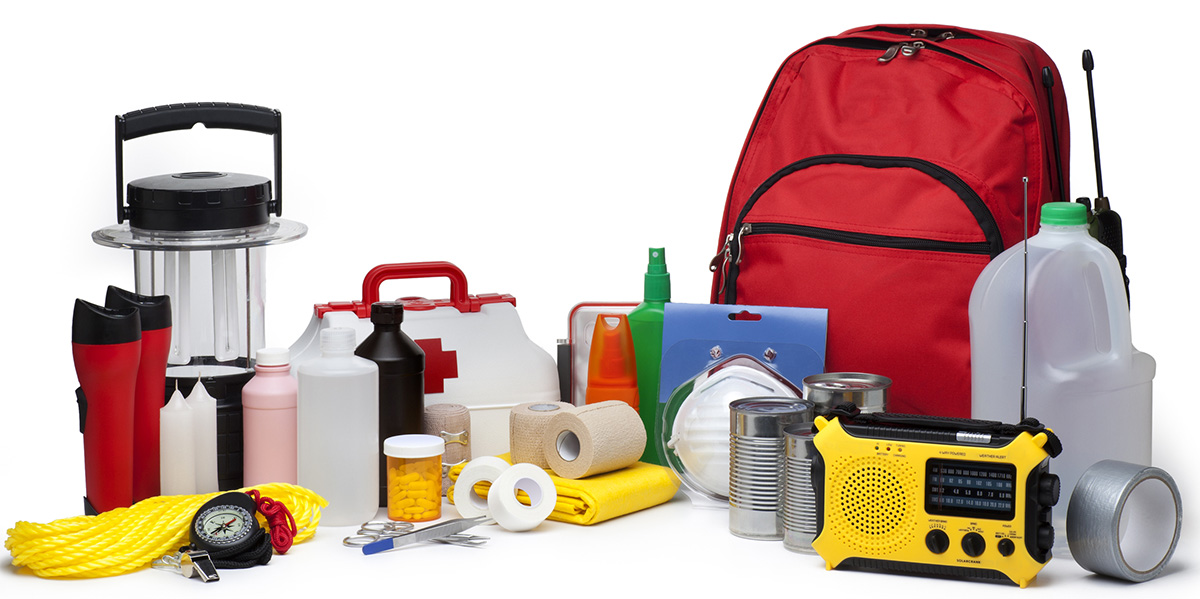
Credit: www.cdph.ca.gov
Protection And Tools
Protection and tools form the backbone of any earthquake emergency kit. They help keep you safe and make survival easier after the shaking stops. Proper protection guards against dust and debris. Tools assist in managing utilities and handling small repairs.
Having the right gear ready can reduce risks and improve your chances of staying unharmed. This section covers key items for protection and practical use during an earthquake emergency.
Dust Masks And Air Filtration
Earthquakes often create dust and debris in the air. Breathing this can harm your lungs. Dust masks block harmful particles and help you breathe cleaner air. Simple masks or cotton cloth can offer some protection. For better safety, use N95 or similar masks designed to filter fine dust.
Keep several dust masks in your kit. They are lightweight and easy to carry. Air filtration devices can also help, especially in places with poor air quality after an earthquake.
Multi-purpose Tools
Multi-purpose tools are essential for many tasks during an emergency. They combine pliers, knives, screwdrivers, and more into one compact device. This versatility saves space and weight in your kit.
Use these tools to fix broken items, open cans, or cut materials. They also help in clearing debris or making quick repairs to your shelter. Choose a durable tool that feels comfortable in your hand.
Utility Shutoff Devices
Earthquakes can damage gas, water, and electricity lines. Shutoff devices allow you to stop these utilities quickly. This prevents fires, flooding, or electrical shocks.
Include wrenches or special shutoff tools in your kit. Learn how to use them safely before an emergency happens. Knowing how to turn off utilities can protect your home and family from further harm.
Sanitation And Hygiene
Sanitation and hygiene are vital during an earthquake emergency. Cleanliness helps prevent illness and keeps you comfortable. Your kit should have supplies to manage waste and maintain personal hygiene. Prepare for limited water and plumbing access. This ensures health safety and reduces stress.
Moist Towelettes And Garbage Bags
Moist towelettes clean hands and face without water. They help remove dirt and germs quickly. Garbage bags collect waste and keep your area clean. Use them to store trash safely until disposal is possible. Both items are lightweight and easy to carry.
Plastic Ties For Waste Management
Plastic ties secure garbage bags and prevent spills. They keep waste sealed and reduce odors. Ties also help bundle used towelettes or other trash. This prevents contamination and insect attraction. Include several strong plastic ties in your kit.
Temporary Shelter Materials
Plastic sheeting and duct tape create simple shelters or cover broken windows. They protect against dust, rain, and cold. Use these materials to make a clean, dry space for rest and hygiene. Lightweight and compact, these items are essential for emergency shelter needs.
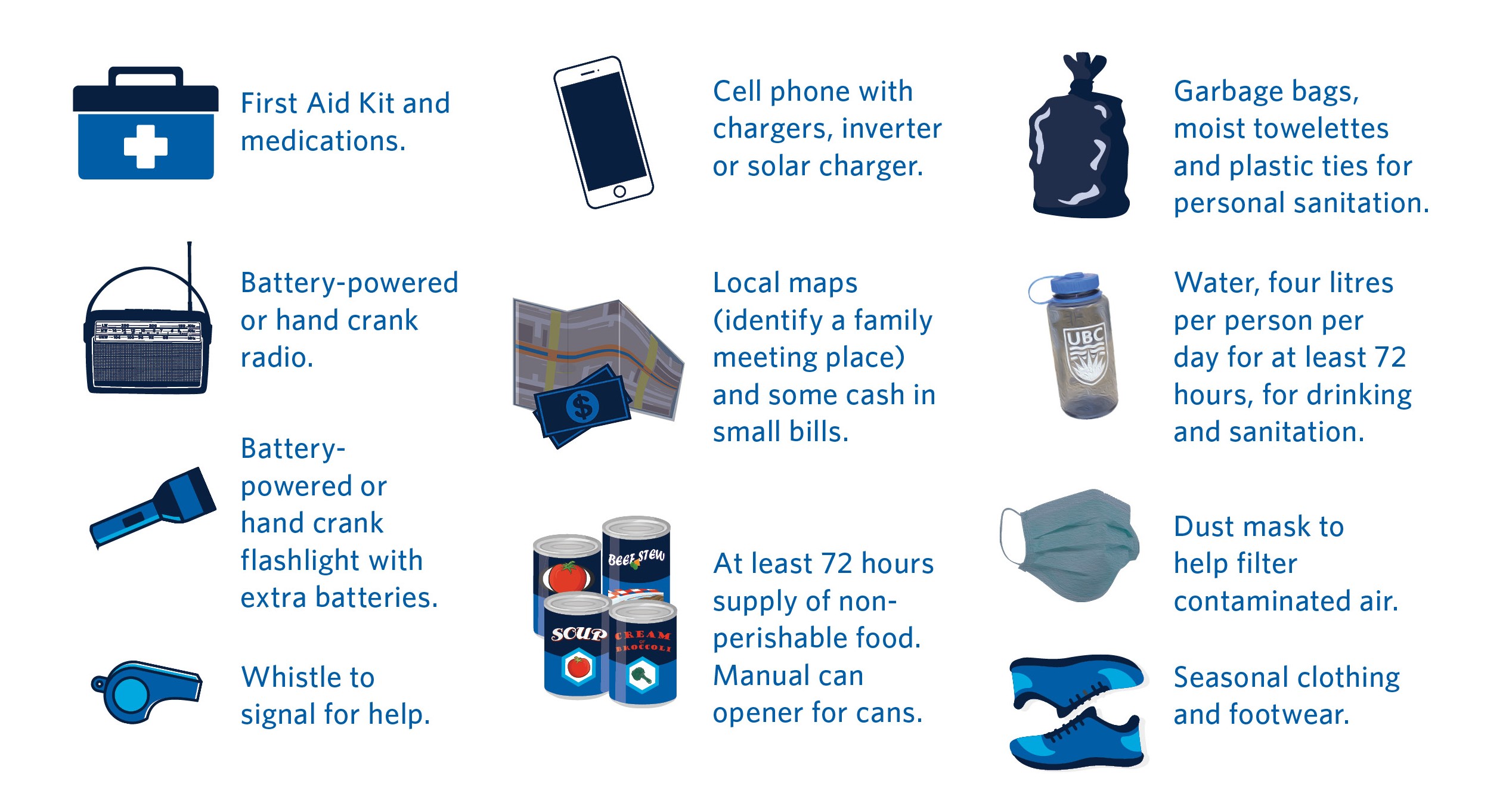
Credit: news.va.gov
Important Documents And Cash
Important documents and cash are vital parts of an earthquake emergency kit. They help you prove your identity, access services, and cover immediate expenses. Store these items securely and keep copies in your kit. Prepare for power outages and limited access to banks or ATMs.
Copies Of Ids And Insurance Papers
Keep photocopies of your driver’s license, passport, and other IDs. Include insurance policies for your home, car, and health. Store these copies in a waterproof folder or sealed plastic bag. These documents help you prove ownership and speed up claims after an earthquake.
Medical Information Storage
Write down your medical history, allergies, and medications. Include contact details for your doctor and pharmacy. Keep this information in your emergency kit in a clear, easy-to-read format. This helps emergency workers provide proper care if you are hurt or unresponsive.
Cash In Small Bills
Keep cash in small bills like $1, $5, and $10 notes. ATMs and credit card machines may not work after an earthquake. Having cash helps you buy food, water, or other supplies immediately. Store the money in a secure, waterproof pouch inside your kit.

Credit: www.amazon.com
Frequently Asked Questions
What Are 10 Items In An Earthquake Emergency Kit?
An earthquake emergency kit includes water, non-perishable food, first-aid kit, flashlight, radio, extra batteries, whistle, dust mask, manual can opener, and hygiene items.
What Is The Best Earthquake Preparedness Kit?
The best earthquake preparedness kit includes water, non-perishable food, first-aid supplies, flashlight, radio, whistle, dust mask, manual can opener, hygiene items, medications, important documents, cash, and basic tools. Tailor it to your family’s needs for effective emergency readiness.
What Are The 10 Essential Survival Kit Items?
The 10 essential survival kit items include water, non-perishable food, first-aid kit, flashlight, radio, extra batteries, whistle, dust mask, manual can opener, and sanitation supplies.
What Is The Emergency Preparedness Plan For Earthquakes?
An earthquake preparedness plan includes assembling water, non-perishable food, first-aid supplies, flashlight, radio, whistle, dust mask, sanitation items, important documents, cash, and tools for safety and communication.
Conclusion
An earthquake emergency kit saves lives during sudden disasters. Keep water, food, and medical supplies ready. A flashlight and radio help you stay informed. Don’t forget important documents and cash. Include items for all family members, even pets. Check your kit regularly to replace expired items.
Preparing ahead brings peace of mind and safety. Stay safe by acting now.