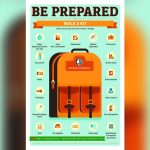
When you’re developing an emergency preparedness plan, you’re taking a crucial step to protect yourself, your loved ones, or your organization from unexpected dangers. But where do you start?
What must you consider to make sure your plan really works when it matters most? This process isn’t just about writing down instructions—it’s about understanding risks, assigning clear roles, and preparing for every possible scenario. You’ll discover key actions to take during the development of your emergency preparedness plan that will help you stay calm, organized, and ready to respond effectively.
Keep reading to learn how to build a plan that truly keeps everyone safe, no matter what challenges come your way.
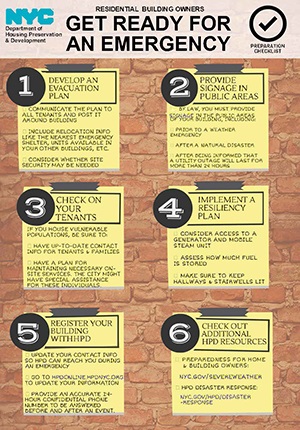
Credit: www.nyc.gov
Risk Assessment
Risk assessment is the first critical step in creating an emergency preparedness plan. It helps identify dangers that could affect your safety and operations. Understanding these risks allows you to prepare effectively and reduce harm.
This process involves looking at all possible hazards and checking where your facility is most vulnerable. A thorough risk assessment sets a strong foundation for a detailed and practical emergency plan.
Identify Potential Hazards
Start by listing all possible hazards that might occur. These can include natural disasters like floods, fires, or earthquakes. Consider man-made threats such as cyberattacks, power outages, or active shooter situations. Each hazard should be studied to understand its likelihood and possible impact. This helps prioritize which risks need immediate attention.
Evaluate Facility Vulnerabilities
Next, examine your facility to find weak points that hazards could exploit. Check the structural integrity of buildings and the reliability of safety systems. Look at emergency exits and accessibility for all occupants. Consider the location and surroundings, including nearby hazards. Understanding these vulnerabilities guides you in strengthening your defenses and response plans.

Credit: www.sciencedirect.com
Policies And Procedures
Special needs considerations are vital during the development of an emergency preparedness plan. Emergencies affect everyone differently. Some people require extra support to stay safe. Planning must address these unique needs clearly and practically. Including special needs in your plan ensures no one is left behind. It creates a safer environment for all.
Assistive Devices And Equipment
Assistive devices help individuals with disabilities remain independent. These include wheelchairs, hearing aids, and communication tools. Emergency plans must list required devices and their locations. Plans should ensure devices stay accessible during emergencies. Backup power for electric devices is essential. Staff and responders need training to handle assistive equipment properly. This preparation reduces delays and confusion during crises.
Procedures For Access And Functional Needs
Access and functional needs cover a wide range of challenges. They include physical, sensory, cognitive, and medical needs. Procedures must describe how to assist people with these needs quickly. Evacuation routes should accommodate mobility aids and service animals. Communication methods must include visual and audio alerts. Plans should identify staff roles in helping those with special needs. Regular drills help test and improve these procedures.
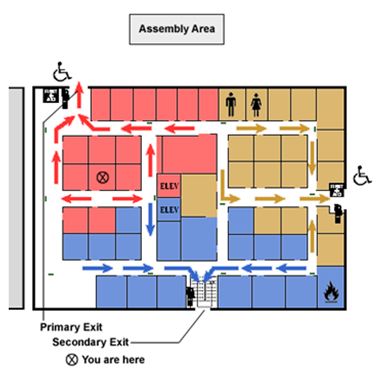
Credit: www.osha.gov
Frequently Asked Questions
What Should You Consider When Developing An Emergency Preparedness Plan?
Consider risks, roles, communication, evacuation, and special needs when developing an emergency preparedness plan. Include training and regular drills.
When Developing Your Emergency Response Plan, You Should Fema.?
Develop your emergency response plan by following FEMA’s guidelines: conduct risk assessments, define roles, establish procedures, include all stakeholders, and plan communication and drills.
What Are The Four Steps In Developing An Emergency Preparedness Plan?
The four steps in developing an emergency preparedness plan are: conduct a risk assessment, establish policies and procedures, define roles and responsibilities, and include all stakeholders in planning.
What Are The 5 Stages Of Emergency Preparedness?
The 5 stages of emergency preparedness are prevention, mitigation, preparedness, response, and recovery. Each stage helps reduce risk and manage emergencies effectively.
Conclusion
Developing an emergency preparedness plan takes careful thought and teamwork. Identify risks and write clear procedures for each situation. Assign roles so everyone knows what to do. Include all people, considering their special needs. Practice drills help prepare for real emergencies.
Regular updates keep the plan effective and current. A strong plan can protect lives and reduce damage. Stay ready and stay safe.