
Living in a small space can feel challenging when it comes to keeping things neat and comfortable. But what if organizing your small living area could make it feel bigger and more inviting?
You don’t have to sacrifice style or function. With smart choices, like multi-purpose furniture and clever storage ideas, you can transform your space into a peaceful, clutter-free haven. Ready to unlock the secrets to organizing your small living space? Keep reading, and discover simple, practical tips that will change the way you live in your home.
:strip_icc()/living-room-wooden-shelves-decor-81aea45b-48c0c2dc2b32445db83cd4906f484f5e.jpg)
Credit: www.bhg.com
Furniture Choices
Choosing the right furniture is key to organizing small living spaces. Each piece must maximize space and add function without crowding the room. Smart furniture choices help keep the area tidy and comfortable.
Focus on items that serve more than one purpose. Think about how seating and tables can also store your belongings. This approach saves floor space and reduces clutter.
Multi-functional Pieces
Multi-functional furniture is perfect for small rooms. For example, ottomans with hidden storage hold blankets or magazines. Coffee tables with drawers or shelves store items out of sight. Sofas with built-in storage offer extra space for pillows or books. These pieces reduce the need for extra furniture and keep things organized.
Seating Arrangements
Choose seating that fits the room size and purpose. Compact sofas and chairs avoid crowding. Consider benches or stools that tuck under tables when not in use. Arrange seats to allow easy movement and conversation. Avoid bulky pieces that block pathways or make the space feel cramped.
Floating Furniture
Floating furniture means pulling pieces slightly away from walls. This creates an open feel and improves flow. Floating a sofa or chair can make the room look larger and more inviting. Use wall-mounted shelves to save floor space. These choices add style and keep the space from feeling boxed in.

Credit: justagirlandherblog.com
Layout Tips
Organizing small living spaces starts with smart layout tips. A well-planned layout makes your room feel larger and more inviting. It helps you use every inch wisely without clutter. Here are some key layout ideas to improve your small living area.
Creating A Focal Point
Choose one main feature to draw attention in the room. This could be a TV, fireplace, or a large window. Arrange your furniture around this point. It gives the room balance and purpose. A clear focal point helps avoid a messy or crowded look. It also guides how you place other items.
Using Large Rugs
Large rugs can make a small room look spacious. They define the seating area and bring pieces together. Pick a rug that fits under most furniture. This creates a unified space, not broken into parts. Light colors or simple patterns work best. They keep the room feeling open and calm.
Maximizing Vertical Space
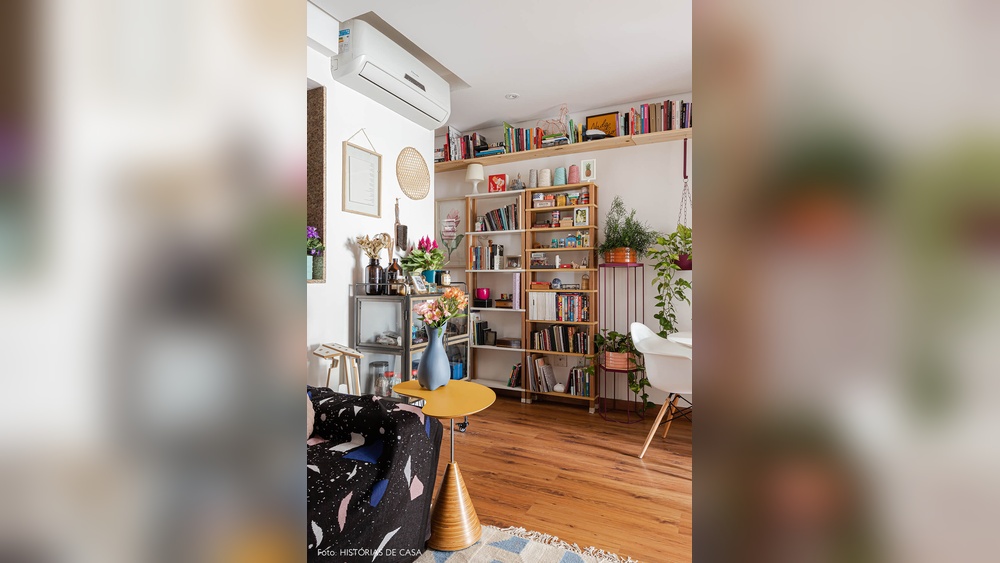
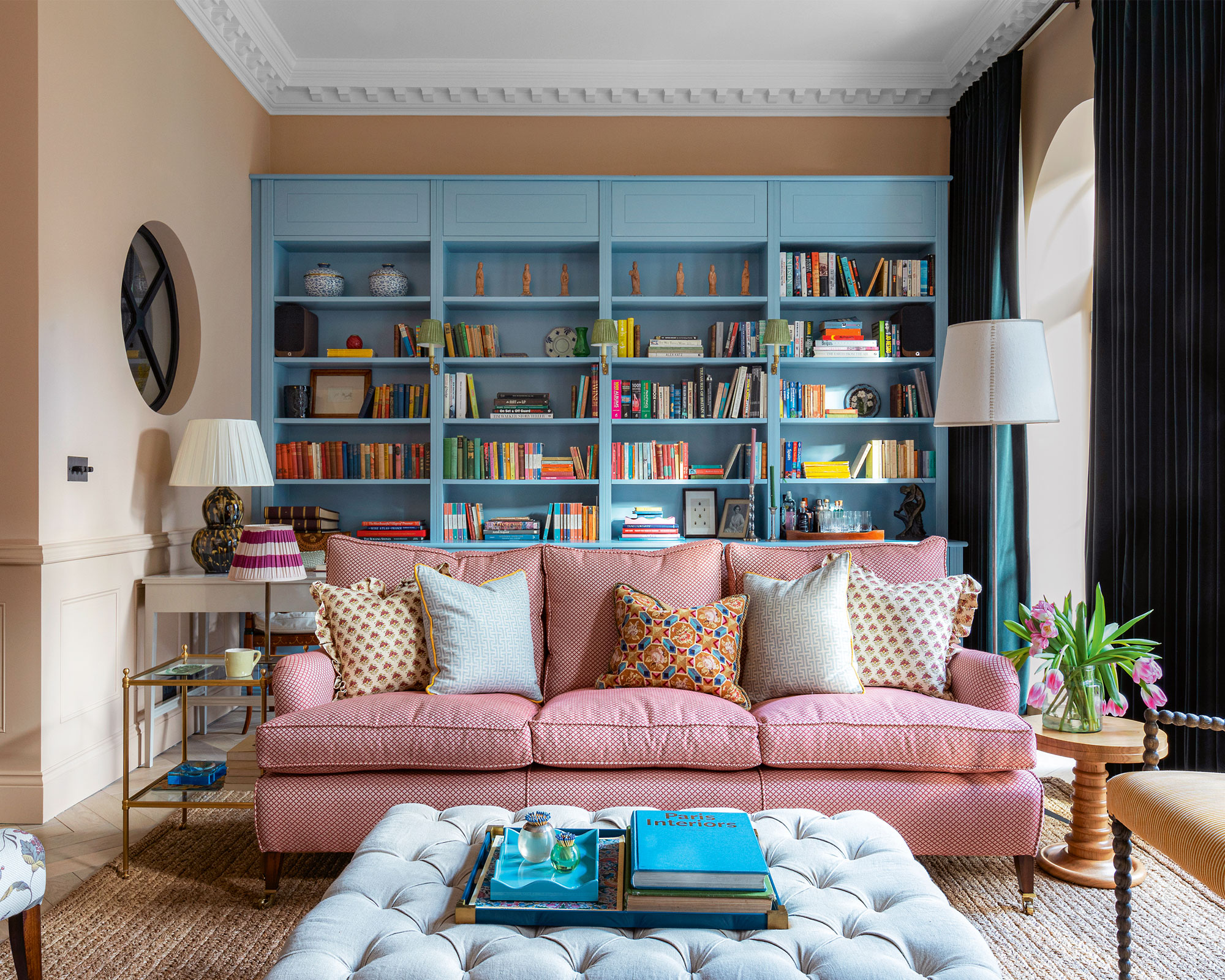
Use tall shelves and wall-mounted storage to save floor space. Vertical storage draws the eye upward, adding height to the room. It also gives you more room for books, decor, or essentials. Hooks, pegboards, and floating shelves work well in small spaces. Keep the floor clear to maintain open pathways and ease of movement.
Space Illusions
Creating space illusions in small living areas helps make the room feel larger and more open. Clever visual tricks can change how you see the space. These ideas stretch the room without adding clutter. Using simple design tips lets you enjoy a roomy, cozy home.
Using Mirrors
Mirrors reflect light and surroundings, doubling the visual space. Place a large mirror opposite a window to bounce natural light. This brightens the room and creates depth. Mirrors also add style and can serve as art pieces.
Light Wall Colors
Light colors make walls seem farther apart than they are. Shades like white, pale blue, or soft gray open up small rooms. These colors reflect more light and keep the space feeling fresh. Avoid dark hues that close in the room.
Visible Leg Furniture
Furniture with visible legs gives a floating effect to the pieces. This lets you see more floor space, making the room look less crowded. Choose sofas, chairs, or tables with slim, raised legs. Avoid bulky, floor-hugging designs that block sight lines.
Floor-to-ceiling Drapes
Hanging drapes from ceiling to floor draws the eye upward. This trick adds height to any room. Use light fabrics in soft tones to keep the look airy. Make sure the curtains are wider than the window for a grander feel.
Storage Solutions
Storage solutions play a vital role in organizing small living spaces. Clever storage keeps your home tidy and maximizes every inch. It prevents clutter and creates a calm, open atmosphere.
Choosing the right storage options helps you use space smartly. It allows easy access to your belongings and adds style to your room. Here are some practical ideas to improve storage in small areas.
Hidden Storage Options
Hidden storage saves space and keeps items out of sight. Use furniture with built-in compartments like ottomans or beds with drawers. These pieces store blankets, books, and other essentials neatly.
Wall niches and under-stair areas also offer great hidden storage. Use baskets or boxes inside to organize small items. This method keeps your room clean without losing storage capacity.
Trays And Bowls For Organization
Trays and bowls help group small items together. Place them on tables or shelves to hold keys, coins, and jewelry. This method reduces clutter and makes things easy to find.
Choose trays that match your decor to add style. Bowls come in many sizes and materials, perfect for organizing different spaces. Use them in living rooms, kitchens, or entryways for quick tidying.
Cord Management
Cords create visual mess and take up space. Use clips, sleeves, or boxes to keep them tidy and out of sight. Label cords to quickly identify them without pulling or untangling.
Mount power strips under desks or behind furniture. This hides cords and prevents tangles. Efficient cord management improves safety and keeps your space looking neat.
Clutter Control
Controlling clutter is key to keeping small living spaces neat and comfortable. Without clutter control, even a well-designed room can feel crowded and stressful. Simple habits help maintain order and maximize space.
Focus on regular routines to keep items from piling up. Clear surfaces daily to make the room look tidy. Use smart containers to manage stray items efficiently.
Regular Decluttering
Set a schedule to review your belongings often. Remove items you no longer use or need. This prevents clutter from building up over time. Donate or recycle things to free space. Small efforts done regularly keep your space open and fresh.
Clear Surfaces
Keep tables and counters free from unnecessary items. Clear surfaces make rooms feel larger and calmer. Use trays or small containers to group essentials. This keeps daily items organized and easy to find. A clean surface invites relaxation and focus.
Designated ‘go Back’ Box
Create a box for items that belong in other rooms. Place it near the exit or in a common area. Drop misplaced things here instead of leaving them scattered. Return items to their homes once a week. This habit reduces clutter and keeps your space orderly.
Credit: www.homesandgardens.com
Frequently Asked Questions
How To Organize A Small Living Room?
Use multi-functional furniture and tall shelves to save space. Arrange seating around a focal point like a TV. Add mirrors and light colors to brighten and enlarge the room. Float furniture slightly off walls for better flow. Keep clutter minimal and pathways clear for easy movement.
What Is The Golden Rule Of Organizing?
The golden rule of organizing is to keep only what you need and use. Declutter regularly and assign a specific place for every item. This creates order, saves time, and reduces stress. Consistency and simplicity in organizing help maintain a tidy, functional space.
How To Stay Organized In A Small Space?
Use multi-functional furniture and vertical shelves to maximize space. Declutter often and keep pathways clear. Choose light colors and mirrors to create openness. Float furniture slightly off walls for better flow. Store items smartly to maintain a tidy, organized small space.
How To Make A Small Space Look Less Cluttered?
Use multi-functional furniture and vertical shelves to maximize space. Keep surfaces clear and declutter regularly. Add mirrors and light colors to create openness. Float furniture slightly off walls to improve flow and make the room feel larger.
Conclusion
Organizing small living spaces takes smart choices and simple steps. Use furniture that serves more than one purpose. Arrange pieces around a focal point to create balance. Add tall shelves to use vertical space well. Keep the area clear and easy to move through.
Light colors and mirrors help the room feel larger. Small spaces can be cozy and functional with good planning. These tips help you enjoy every inch of your home.