Are you struggling to keep your baby’s clothes neat in a tiny nursery or limited closet space? Finding the perfect baby clothes organizer for small spaces can feel like a puzzle.
But imagine opening your baby’s closet and instantly spotting every outfit, onesie, and sock—without the chaos. Whether your nursery is cozy or your storage options are tight, smart organizing solutions can transform your space and make your daily routine easier.
You’ll discover practical ideas and clever tips to maximize your small space, so you can enjoy a clutter-free, stress-free nursery. Ready to reclaim your space and bring order to your baby’s wardrobe? Let’s dive in!

Credit: bsfsry.com
Maximize Vertical Space
Maximizing vertical space is essential in organizing baby clothes in small areas. It helps keep the room tidy and creates more storage without clutter. Using the walls effectively opens up floor space and makes everything easier to find. Vertical storage solutions are practical and stylish for any nursery or small closet.
Use Wall-mounted Shelves
Wall-mounted shelves provide extra storage without taking up floor space. Install them at different heights to store folded clothes, toys, and accessories. Choose shelves with raised edges to prevent items from falling. These shelves keep baby clothes visible and easy to reach. They also add a neat and organized look to the room.
Install Hanging Organizers
Hanging organizers use vertical space inside closets or on walls. They have pockets or compartments perfect for small baby clothes and essentials. Hang them on closet rods or hooks for quick access. These organizers save drawer space and keep items sorted by type or size. They are lightweight and easy to move or adjust as needed.
Choose Multi-functional Furniture
Choosing multi-functional furniture can save space and keep baby clothes organized. These pieces combine storage with daily use, helping small rooms stay tidy. They reduce clutter and make everything easy to reach. Smart furniture helps parents manage baby essentials without extra bins or shelves.
Storage Beds And Cribs
Storage beds and cribs provide hidden compartments for baby clothes. Drawers under the bed or crib offer extra space. Use them for folded clothes, blankets, or diapers. This furniture keeps items close without crowding the room. It also makes cleaning easier and speeds up daily routines.
Convertible Dressers
Convertible dressers change as your baby grows. They start as a dresser with drawers for clothes. Later, some turn into changing tables or desks. This flexibility saves money and space. Choose a dresser with deep and shallow drawers for different clothing types. Convertible dressers keep everything in one place and look neat.
Utilize Drawer Dividers
Utilizing drawer dividers is a smart way to organize baby clothes in small spaces. These dividers create separate compartments within a drawer. They keep clothes neat and easy to find. With drawer dividers, you avoid clutter and save time dressing your baby. This simple tool helps maintain order even with limited storage.
Sort By Size And Type
Sort baby clothes by size to find them quickly. Use one section for newborn onesies and another for larger outfits. Organize by type too, like shirts, pants, and socks in separate compartments. This system makes it easy to grab the right item fast. It also keeps clothes from mixing up and wrinkling.
Label Sections For Easy Access
Label each section clearly with simple tags or stickers. Use words or pictures to show what belongs in each space. Labels help anyone find baby clothes without guessing. This saves time and keeps the drawer tidy. It also makes cleanup easier for busy parents and caregivers.
Incorporate Bins And Baskets
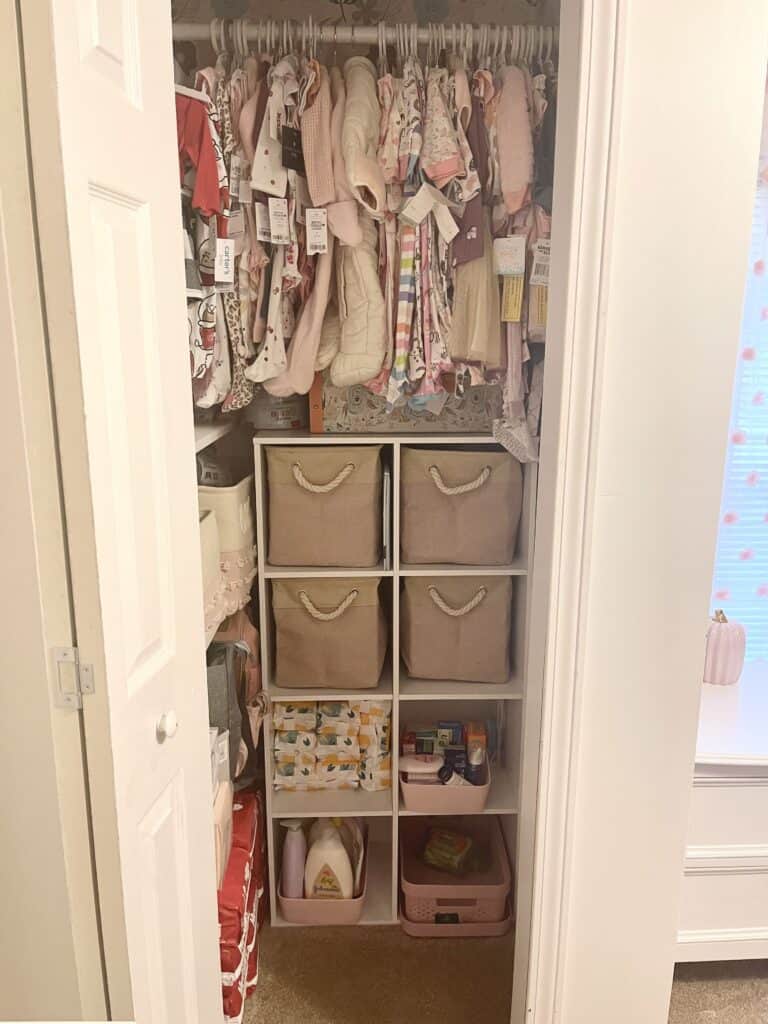
Bins and baskets bring order to small spaces. They keep baby clothes neat and easy to find. These containers fit into shelves, drawers, or closets. Using bins and baskets separates different clothing types. They save time during busy mornings. Also, they help maintain a tidy nursery that feels cozy and organized.
Soft Fabric Bins
Soft fabric bins are gentle on delicate baby clothes. They come in many colors and patterns. These bins are lightweight and easy to move. Fabric bins collapse when not in use to save space. They fit well in shelves or under cribs. Breathable fabric helps keep clothes fresh. Soft bins add a warm, homey touch to the room.
Clear Plastic Containers
Clear plastic containers let you see contents at a glance. They protect clothes from dust and spills. These containers stack easily to maximize vertical space. Plastic bins come with lids for secure storage. They are durable and wipe clean fast. Using clear bins reduces the need to open multiple boxes. It keeps small spaces looking neat and uncluttered.
Optimize Closet Space
Organizing baby clothes in a small space needs smart closet solutions. Maximizing closet space helps keep everything neat and easy to find. Small closets can hold more with the right tools. This saves time and reduces clutter.
Simple changes can make a big difference in how much you store. Use vertical and horizontal space wisely. Let’s explore two effective ways to optimize closet space for baby clothes.
Use Tiered Hangers
Tiered hangers hold several pieces of clothing on one hook. These hangers stack clothes vertically to save room. You can hang multiple outfits in a small area. This keeps clothes wrinkle-free and organized by type or size.
Choose sturdy tiered hangers that fit your closet rod. They work well for onesies, shirts, and pants. This method frees up shelf space and makes clothes easy to reach.
Add Extra Rods
Installing an extra rod doubles hanging space inside a closet. Place one rod higher and another lower for smaller clothes. This creates two layers for hanging baby clothes neatly. It separates items by category or size.
Extra rods are simple to add and adjust. Use tension rods or fixed rods depending on your closet type. This trick maximizes vertical space without crowding the closet.
Rotate Seasonal Clothes
Rotating seasonal clothes helps keep your baby’s wardrobe organized and neat. It frees up space for the clothes your baby wears now. This way, you avoid clutter and find outfits quickly. Small spaces benefit a lot from this simple habit. You can switch out clothes with the change of seasons. This keeps the nursery tidy and efficient.
Store Off-season Items
Pack away clothes your baby will not wear soon. Use bins or vacuum bags to save space. Label each container with the season or size. Store these containers in a closet or under the bed. This keeps off-season clothes safe and dust-free. It also clears room for current outfits. Easy access to stored items makes future rotations simple and fast.
Keep Frequently Used Clothes Accessible
Arrange daily wear clothes within easy reach. Use drawer dividers or small baskets for quick sorting. Hang favorite outfits on low hooks or rods. This saves time during busy mornings. Keep similar items together to spot what you need fast. Organized access reduces stress and mess. It makes dressing your baby smooth and pleasant every day.
Label Everything
Label everything in your baby clothes organizer to save time and avoid mess. Clear labels help you find items quickly. They also keep the space neat and easy to manage. Small spaces benefit greatly from organized labeling. It cuts down on clutter and confusion.
Use Color-coded Tags
Color-coded tags make sorting baby clothes simple. Assign a color to each category, like onesies, pants, or pajamas. This visual cue speeds up the search process. It also helps other caregivers find what they need fast. Use bright, easy-to-see colors for best results.
Create Size Markers
Size markers keep clothes grouped by fit and age. Label each section with sizes such as newborn, 3 months, or 6 months. This system lets you grab the right size without digging. Changing sizes is easier, too, when everything is clearly marked. Size markers prevent mixing clothes of different ages.
Credit: www.organizationobsessed.com
Involve Kids In Organization
Involving kids in organizing baby clothes helps build good habits early. It also makes small space management easier for parents. Kids feel proud when they help keep their space tidy. Simple tasks can teach responsibility and care for belongings.
Teach Easy Sorting
Show kids how to sort clothes by type or size. Use clear bins or labeled drawers for each category. Let them place items in the right spot. Sorting makes finding clothes faster and keeps the area neat. Use colors or pictures for younger kids to understand.
Encourage Routine Tidying
Set a daily or weekly time for tidying clothes together. Make it a fun habit, like a quick game. Praise kids for their effort and neatness. Small routines prevent mess from piling up. Consistent tidying keeps the baby’s clothes organized in small spaces.
Maintain Regular Decluttering
Maintaining regular decluttering is essential for organizing baby clothes in small spaces. It keeps the closet tidy and makes finding items easier. Regularly sorting through clothes prevents clutter from building up. This habit saves time and stress when dressing your baby. It also creates space for new outfits as your baby grows.
Donate Outgrown Clothes
Outgrown clothes can take up valuable space quickly. Gather these items and donate them to families in need. Donation helps others and clears your storage. It keeps your baby’s wardrobe manageable and fresh. Choose clean, gently used clothes for donation to ensure they are useful.
Dispose Of Worn-out Items
Clothes that are torn or stained beyond repair should be removed. Dispose of these worn-out items to free up space. Keeping damaged clothes only adds unnecessary clutter. Recycling old fabrics is an eco-friendly option to consider. This step keeps your baby clothes organizer neat and efficient.

Credit: www.nurserydesignstudio.com
Frequently Asked Questions
What Are The Best Baby Clothes Organizers For Small Spaces?
The best organizers are compact, multi-functional, and easy to access. Look for hanging shelves, drawer dividers, and stackable bins to save space and keep clothes sorted efficiently.
How Can I Maximize Storage In A Small Nursery Closet?
Use vertical space with hanging organizers and shelves. Fold clothes vertically in drawers and add labeled bins for quick sorting and retrieval.
What Materials Are Ideal For Baby Clothes Organizers?
Choose breathable, durable materials like cotton fabric bins or plastic organizers. Avoid harsh plastics to keep baby clothes fresh and safe.
How Do I Keep Baby Clothes Organized By Size And Season?
Sort clothes by size and season in separate bins or drawers. Label each section clearly to make outfit changes quick and stress-free.
Conclusion
Organizing baby clothes in small spaces is simple and effective. Use shelves, bins, and hangers to save room. Sort clothes by size and season for quick access. Keep only what you need to avoid clutter. A tidy space helps you find items fast.
Small organizers fit well in tight corners. This way, your baby’s clothes stay neat and ready. Try these tips to make daily routines easier. Enjoy a clean, cozy nursery that works for you.