When disaster strikes, being unprepared can turn a tough situation into a crisis. Imagine having everything you need right at your fingertips—water, food, first aid, and tools—all ready to keep you and your loved ones safe.
You might think emergency supplies are complicated or expensive, but building your own kit is easier than you believe. This guide will walk you through the essential supplies for emergency preparedness, showing you exactly what you need and why. By the end, you’ll feel confident and ready to face any emergency with peace of mind.
Don’t wait until it’s too late—let’s get started on protecting your future today.
Water And Food Supplies
Water and food supplies form the foundation of any emergency preparedness kit. Without access to clean water and nutritious food, survival becomes difficult. Planning for these essentials ensures safety and sustenance during unexpected situations. Storing the right amount and type of supplies helps maintain health and energy.
Careful consideration of daily water needs and non-perishable food options increases readiness. These elements support you and your family through emergencies lasting days or weeks. Selecting reliable and long-lasting items reduces stress and improves resilience.
Daily Water Requirements
Each person needs at least one gallon of water per day. This amount covers drinking, cooking, and basic hygiene. Plan for at least three days of water supply for every person. In hot climates or with physical activity, increase water quantity. Store water in clean, food-grade containers. Replace stored water every six months to maintain freshness. Consider water purification methods as a backup, such as tablets or filters.
Non-perishable Food Options
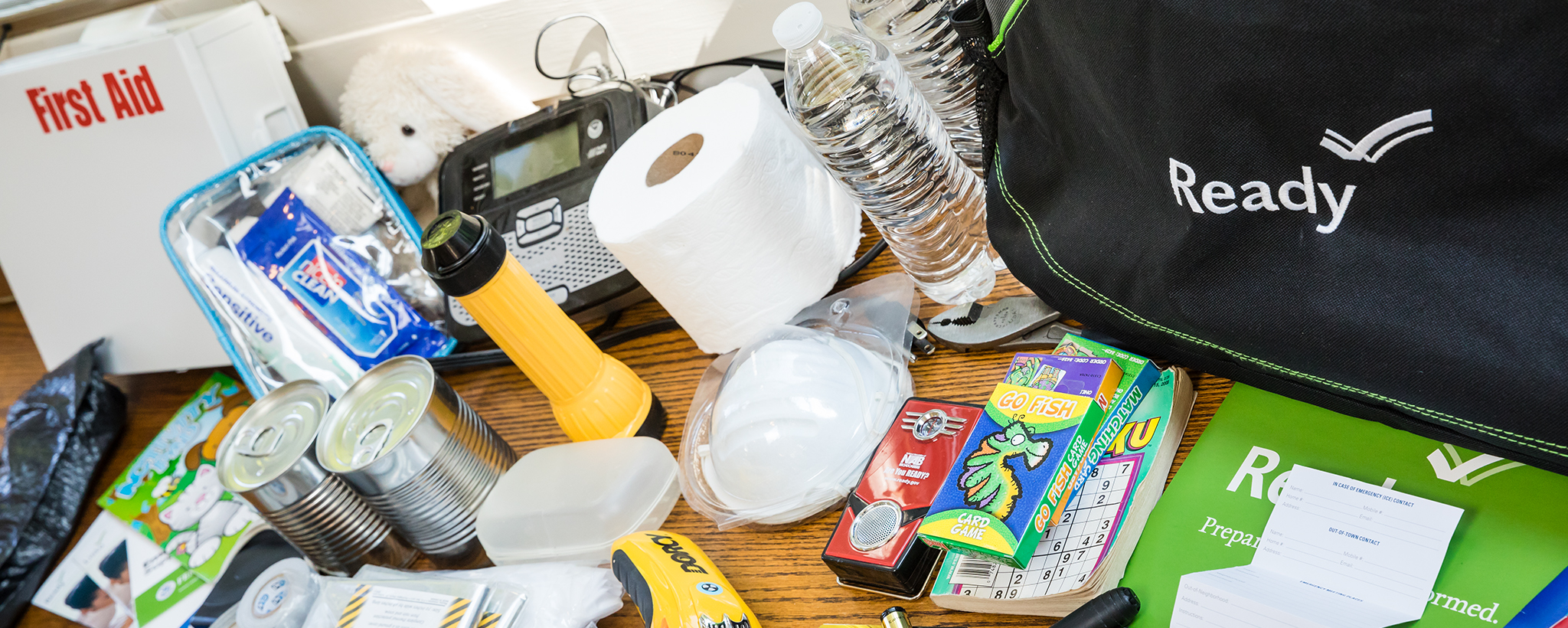
Choose foods that last long without refrigeration. Canned goods, dried beans, rice, and pasta are excellent choices. Freeze-dried meals and energy bars also provide nutrients and calories. Pick foods requiring little or no water for preparation. Avoid items with high salt or sugar content. Rotate food supplies regularly to avoid expiration. Include a manual can opener for easy access to canned foods.
Credit: www.ready.gov
First Aid Essentials
First aid essentials form the backbone of any emergency preparedness kit. These supplies help treat minor injuries quickly. They prevent infections and ease pain. Having the right first aid items can save lives and reduce complications.
First aid essentials include basic medical supplies and prescription medications. Both play vital roles during emergencies. Keep these items organized and accessible. Check and update them regularly to ensure effectiveness.
Basic Medical Supplies
A well-stocked first aid kit contains several key items. Bandages cover cuts and scrapes to stop bleeding. Antiseptic wipes clean wounds and prevent infection. Gauze pads and adhesive tape secure dressings in place.
Include scissors, tweezers, and disposable gloves for safe handling. Pain relievers like acetaminophen or ibuprofen help reduce discomfort. Thermometers check for fever. Cold packs reduce swelling from injuries.
Keep a first aid manual or instruction booklet for guidance. Make sure items are suitable for all family members. Replace used or expired supplies immediately. A complete kit allows quick response to common injuries.
Prescription Medications
Stock enough prescription medications for several days. Include medicines for chronic conditions like asthma or diabetes. Keep copies of prescriptions in case you need refills. Store medications in a waterproof container.
Check expiration dates often and replace expired drugs. Carry a list of all medications, dosages, and prescribing doctors. Consider including over-the-counter items like allergy medicine or antacids. Proper medication management helps maintain health during emergencies.
Lighting And Communication
Lighting and communication tools are vital during emergencies. They help you see clearly and stay connected. Power outages often happen in disasters. Good lighting keeps you safe in the dark. Communication devices let you get help or updates.
Flashlights And Batteries
Flashlights provide bright, focused light in dark areas. Carry extra batteries to ensure they work when needed. LED flashlights use less power and last longer. Test your flashlight regularly to avoid surprises. Keep flashlights in easy-to-reach places at home and in your emergency kit.
Radios And Signal Devices
Battery-powered or hand-crank radios deliver important news and weather updates. NOAA Weather Radios with tone alerts warn about severe weather. Signal devices like whistles help you attract attention if trapped. Choose radios with multiple power options for reliability. Keep signal devices with you at all times during emergencies.
Cell Phones And Power Banks
Cell phones connect you with family, friends, and emergency services. Charge phones fully before a disaster strikes. Power banks recharge phones when electricity is unavailable. Select power banks with high capacity for longer use. Store charging cables together with your phone and power bank to avoid loss.
Tools And Utility Items
Tools and utility items form the backbone of any emergency preparedness kit. These items help you handle unexpected problems and keep essential services running. Having the right tools can make a big difference in managing emergencies safely and efficiently.
Simple tools like wrenches and manual can openers are crucial. They help you access food and control utilities such as gas and water. Multi-purpose tools add versatility and save space in your kit.
Manual Can Opener And Wrenches
A manual can opener is a must-have for opening canned food without electricity. It is easy to use and reliable under all conditions. Wrenches help you turn off gas and water valves. This prevents leaks and potential hazards during emergencies. Choose sturdy, rust-resistant wrenches for long-term use.
Multi-purpose Tools
Multi-purpose tools combine several functions in one device. They often include knives, screwdrivers, pliers, and scissors. These tools save space and reduce the number of items you need to carry. They come in handy for small repairs and tasks. Pick a tool with durable materials and a comfortable grip.
Personal Hygiene And Sanitation
Maintaining personal hygiene and sanitation during an emergency is vital. Cleanliness helps prevent illness and keeps spirits high. Emergency situations often limit access to regular water and facilities. Preparing hygiene and sanitation supplies ensures safety and comfort.
Hygiene Products
Pack essential hygiene items for daily use. Include soap or body wipes to clean skin without water. Toothbrushes and toothpaste maintain oral health. Feminine hygiene products are necessary for women. Hand sanitizer kills germs when water is unavailable. Keep a supply of clean towels and washcloths. Disposable gloves protect hands during clean-up tasks. Lip balm prevents dry, cracked lips in harsh conditions.
Sanitation And Waste Disposal
Safe waste disposal prevents disease spread. Include heavy-duty trash bags to contain waste securely. Portable toilets or waste bags help manage human waste. Pack toilet paper and moist wipes for cleaning. Consider a small shovel for digging latrines if needed. Seal waste bags tightly to avoid contamination. Disinfectants and bleach clean surfaces and tools. Proper sanitation protects your health and environment during emergencies.
Clothing And Comfort
Clothing and comfort play a crucial role in emergency preparedness. Proper clothing protects you from harsh weather and rough environments. Comfort items help you rest and recover during stressful times. Prepare clothing that suits different weather conditions. Include layers for warmth and protection.
Sturdy Clothing
Choose durable clothes made from strong materials. Long sleeves and pants shield your skin from cuts and scrapes. Waterproof jackets keep you dry in rain or snow. Sturdy boots protect your feet and provide good traction. Bring extra socks to keep your feet dry and comfortable.
Blankets And Sleeping Bags
Warm blankets help retain body heat in cold conditions. Sleeping bags offer insulation and comfort for outdoor rest. Select sleeping bags rated for the coldest temperature you expect. Compact and lightweight options save space in your emergency kit. Keep blankets and sleeping bags clean and dry.
Dust Masks
Dust masks protect your lungs from harmful particles. Use them during fires, dust storms, or building collapses. Choose masks that fit snugly over your nose and mouth. Store masks in a sealed bag to keep them clean. Include extra masks for family members or group use.
Important Documents And Cash
Important documents and cash are essential for emergency preparedness. They help you prove identity, access services, and manage expenses during crises. Keeping these items safe and accessible can reduce stress and speed up recovery.
Copies Of Vital Papers
Make copies of important documents like passports, birth certificates, and insurance papers. Store these copies in a waterproof container. Digital copies saved on a secure cloud service add extra protection. Having these ready helps prove your identity and claim benefits quickly.
Emergency Contact List
Create a list of emergency contacts including family, friends, doctors, and local authorities. Include phone numbers and addresses. Keep a printed copy in your emergency kit and share a digital version with trusted people. This list ensures you can reach help fast.
Cash Reserves
Keep a small amount of cash in your emergency kit. ATMs and credit card machines may not work during power outages. Use small bills for easier transactions. Cash on hand helps buy essentials and pay for services when electronic payments fail.
Credit: www.redcross.org
Special Needs Supplies
Special needs require specific supplies during emergencies. These items ensure comfort and safety for everyone. Preparing ahead reduces stress in critical moments. Tailoring your emergency kit to unique needs is essential. Focus on infants, pets, and medical equipment for comprehensive readiness.
Infant Care Items
Babies need extra attention in emergencies. Stock formula, bottles, and baby food. Include diapers, wipes, and changing pads. Keep a supply of pacifiers and blankets. Don’t forget baby-safe medications and a thermometer. These items support infant health and comfort.
Pet Supplies
Pets are family members too. Pack enough food and water for pets. Bring bowls, leashes, and carriers. Add waste bags and grooming tools. Keep any pet medications and vaccination records. Preparing for pets helps them stay calm and safe.
Medical Equipment And Accessories
Some people rely on medical devices daily. Include extra batteries for devices like hearing aids. Pack oxygen tanks and CPAP machines if needed. Stock up on bandages, gloves, and antiseptics. Don’t forget prescription medications and copies of prescriptions. Having these ready prevents medical emergencies.
Credit: www.wunderground.com
Frequently Asked Questions
What Are Essential Emergency Preparedness Supplies?
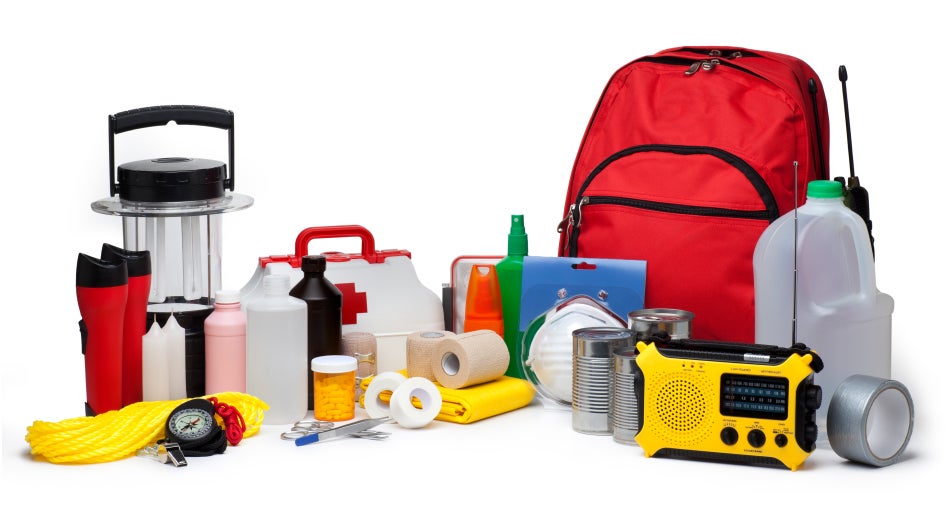
Essential supplies include water (1 gallon per person daily), non-perishable food, first-aid kit, flashlight with batteries, battery-powered radio, and sanitation items. Also pack prescription meds, important documents, cash, manual can opener, and basic tools like wrench and pliers.
How Much Water Should I Store For Emergencies?
Store at least one gallon of water per person per day. Plan for several days to ensure adequate hydration during emergencies. This amount covers drinking and basic sanitation needs.
What Personal Hygiene Items Are Necessary In An Emergency Kit?
Include soap, toothbrush, feminine supplies, moist towelettes, and garbage bags. These help maintain cleanliness and prevent illness during extended emergency situations.
Which Tools Are Important For Emergency Preparedness?
Manual can opener, wrench, and pliers are vital. They help access food and turn off utilities safely during emergencies.
Conclusion
Preparing emergency supplies saves lives and reduces stress during crises. Keep water, food, and first-aid kits ready at all times. Don’t forget flashlights, radios, and essential tools for safety. Personal hygiene and medications protect health in emergencies. Regularly check and update your emergency kit to stay prepared.
Being ready means protecting yourself and your loved ones. Start assembling your supplies today for peace of mind tomorrow.