
When it comes to caring for children, your top priority is their safety—no exceptions. But what happens if an emergency strikes while those little ones are in your care?
Without a clear plan, chaos can quickly take over, putting everyone at risk. That’s why having a well-thought-out Emergency Preparedness Plan for your daycare is not just smart—it’s essential. You’ll discover simple, practical steps to create a plan that protects the children, your staff, and your peace of mind.
Keep reading to learn how to prepare for the unexpected and turn uncertainty into confidence.
Risk Assessment
Risk assessment is the first step in creating an emergency preparedness plan for a daycare. It helps to find dangers that could harm children or staff. This process guides planning and improves safety measures. A good risk assessment considers many types of hazards and local factors. It ensures readiness for emergencies and reduces risks effectively.
Identifying Potential Hazards
Start by listing all possible dangers in the daycare setting. These include fires, floods, power outages, and medical emergencies. Also consider threats like intruders or chemical spills. Look at inside and outside the building. Check playground equipment and nearby roads. Identifying hazards early helps create clear safety rules and response plans.
Evaluating Vulnerabilities
Next, examine how weak or strong your daycare is against these hazards. Think about building safety, emergency exits, and alarm systems. Evaluate staff training and child supervision practices. Consider children’s age and special needs. Pinpointing weak areas helps improve safety features and staff readiness. It also guides where to invest in upgrades or drills.
Local Emergency Risks In Austin
Austin faces certain unique risks that daycares must prepare for. These include severe storms, flooding, and occasional power outages. Hot weather and heat waves also affect children’s safety. Some areas may have higher traffic risks near the daycare. Knowing these local risks helps tailor the emergency plan. It ensures quick and effective responses to Austin’s common emergencies.
Emergency Procedures
Emergency procedures are crucial for keeping children safe in daycare settings. These procedures guide staff actions during unexpected events. Clear and practiced steps reduce panic and ensure swift responses. Each daycare should have detailed plans tailored to different emergencies.
Evacuation Plans
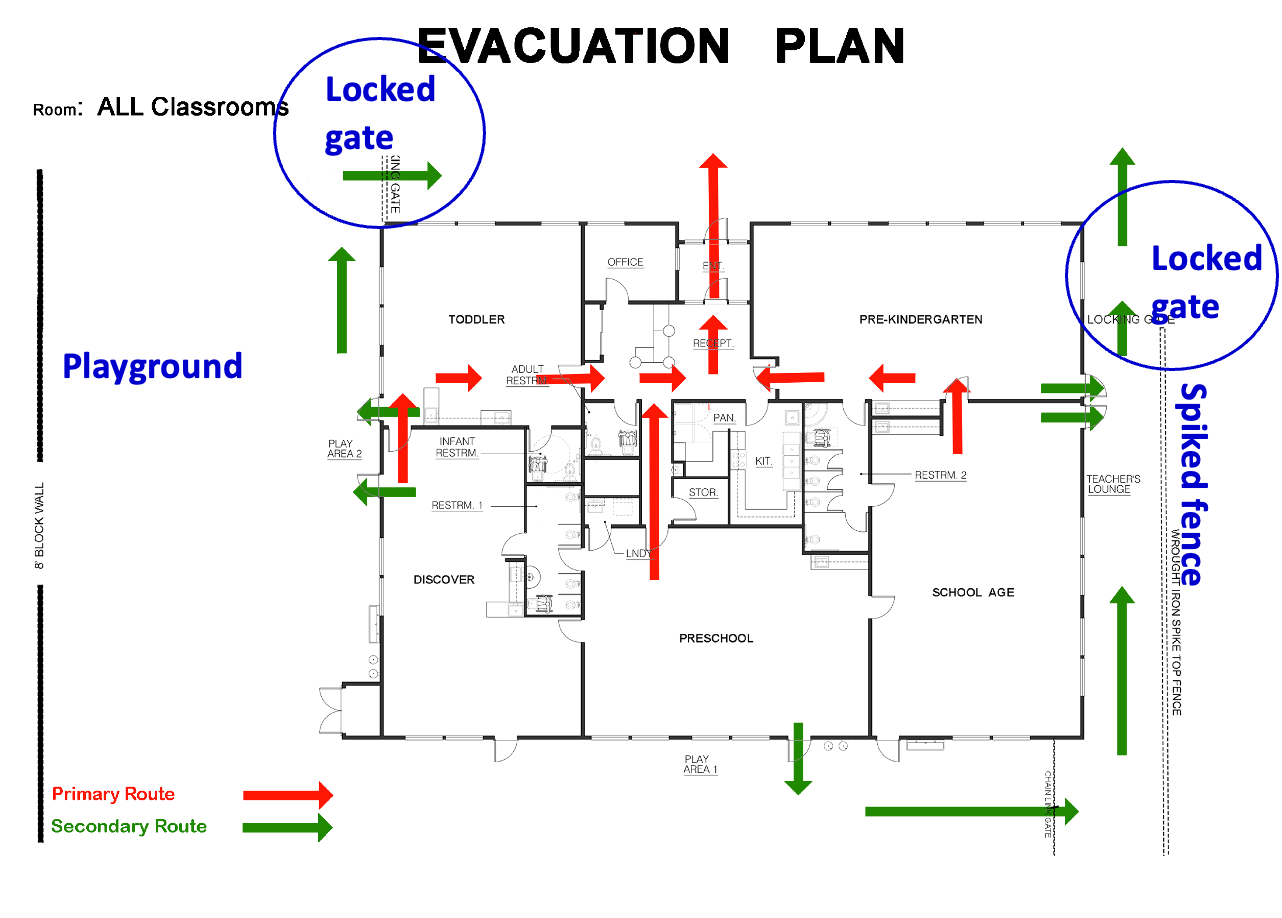
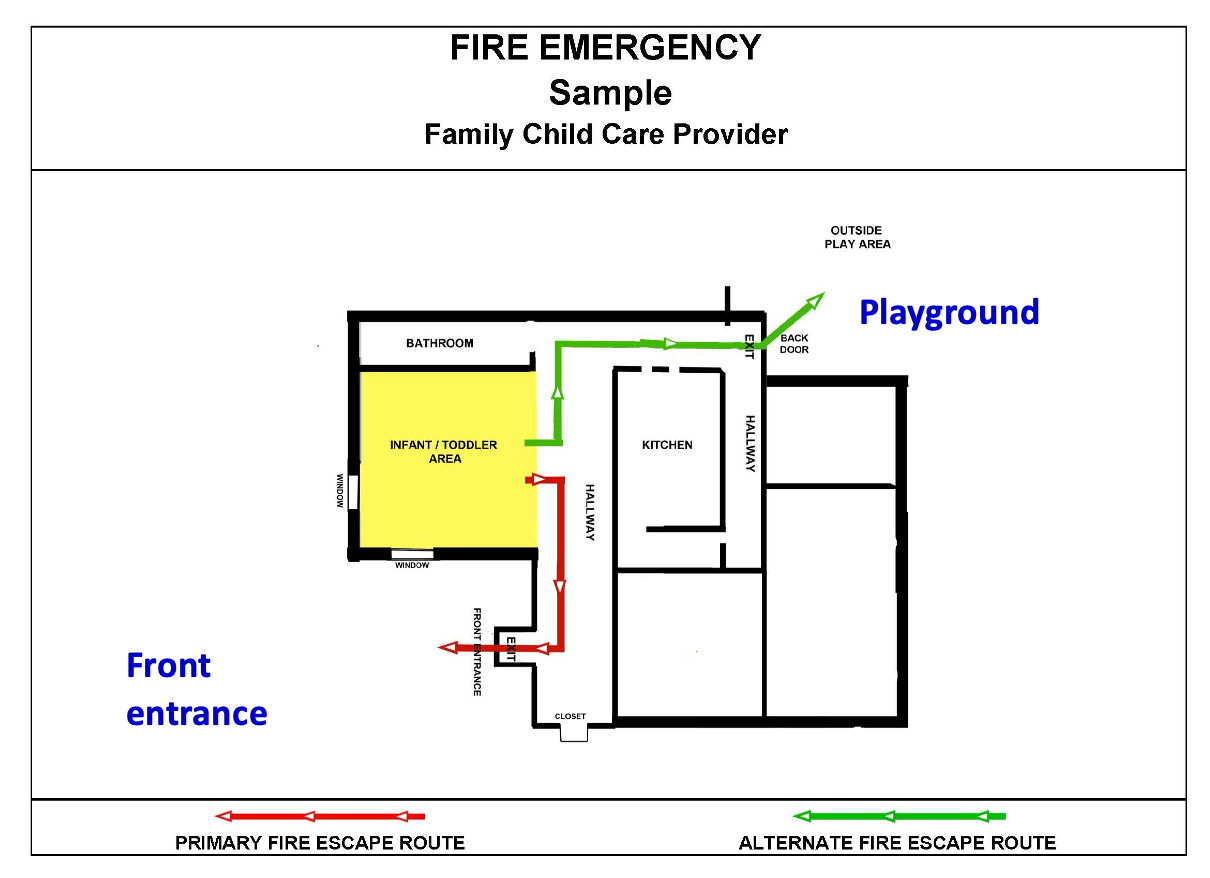
Evacuation plans show the safest routes to leave the building. Staff must know all exits and assembly points. Children should be guided calmly and quickly to safe areas outside. Regular drills help everyone learn the routine. Plans should include ways to assist children with special needs.
Shelter-in-place Protocols
Shelter-in-place means staying indoors during certain emergencies. This protects children from dangers outside, like severe weather or hazardous spills. Staff secure doors and windows to block outside threats. Children stay calm in designated safe rooms. Supplies like water and first aid kits should be ready in these areas.
Lockdown Measures
Lockdown measures protect children from immediate threats inside or near the daycare. Staff lock all doors and windows quickly. They keep children quiet and out of sight. Communication devices help staff contact emergency responders. Practicing lockdowns helps children and staff stay safe and confident.
Staff Roles
Staff play a crucial role in any daycare emergency preparedness plan. Clear roles help protect children and staff during a crisis. Each team member must know their duties and act quickly. Proper preparation reduces confusion and keeps everyone safe.
Every staff member has a unique responsibility in emergencies. These roles cover moving children, managing supplies, and communicating with families. Training and practice ensure staff can perform their tasks confidently and calmly.
Assigning Responsibilities
Assign clear tasks to each staff member before an emergency occurs. Roles might include lead evacuator, first aid provider, and headcount monitor. Assign backups to cover roles if someone is absent. Keep a list of these responsibilities visible for all staff.
Emergency Training Requirements
Train all staff on emergency procedures regularly. Include fire drills, lockdowns, and medical emergencies. Teach how to use safety equipment and provide first aid. Training builds confidence and readiness in stressful situations. Refresh training at least twice a year.
Communication During Emergencies
Effective communication keeps everyone informed and calm. Staff should know how to use phones, radios, or intercoms during emergencies. Assign a person to contact parents and emergency services. Share updates clearly and quickly to avoid panic.
Credit: www.continued.com
Child Safety Measures
Child safety is the highest priority in any daycare emergency plan. Protecting children requires clear and simple steps. These steps help keep children secure, calm, and accounted for during emergencies. Every staff member must know their role in child safety. This ensures a quick and safe response to any situation.
Safe Room Setup
A safe room must be secure and easy to access. It should have strong locks and no windows that can break. The room needs basic supplies like water, first aid kits, and blankets. Furniture should be arranged to keep children away from doors and windows. Staff must keep the room quiet and calm during emergencies.
Keeping Children Calm
Children often feel scared in emergencies. Staff should use calm voices and gentle words. Singing soft songs or telling simple stories helps distract children. Holding hands or gentle touches offer comfort and security. Keeping routines as normal as possible reduces fear and anxiety.
Accountability And Headcounts
Counting children often is crucial for safety. Staff should do headcounts before and after moving children. Use name tags or wristbands to help identify each child. Keep a list of all children and staff in the safe room. Accurate records ensure no one is missing or left behind.
Communication Strategies
Effective communication is crucial in any emergency situation at a daycare. Clear and fast communication helps keep children safe and parents informed. Staff must know how to share important information quickly. A solid plan improves trust and reduces confusion during emergencies.
Communication strategies focus on three key areas: notifying parents and guardians, coordinating with emergency services, and using technology for alerts. Each area plays a vital role in managing emergencies smoothly and safely.
Notifying Parents And Guardians
Parents and guardians must receive timely updates during an emergency. The daycare should have a list of emergency contacts ready. Staff should use phone calls or text messages to inform parents about the situation. Messages should be clear and simple. Let parents know where to pick up their children or if they must wait. Regular updates reduce worry and keep everyone calm.
Coordination With Emergency Services
Daycare staff should establish strong ties with local police, fire, and medical teams. Emergency services must receive quick and accurate information. Staff should know how to describe the daycare location and the nature of the emergency. Practicing drills with emergency responders helps improve coordination. This teamwork speeds up help and ensures the right actions are taken.
Using Technology For Alerts
Technology can speed up communication during emergencies. Many daycares use automated alert systems to send mass messages. These systems reach all parents and staff within seconds. Apps and emails can also share updates instantly. Technology reduces human error and delays. Using multiple channels ensures messages reach everyone fast.

Credit: www.communitycommons.org
Emergency Supplies
Emergency supplies are vital for every daycare’s safety plan. They ensure quick response during unexpected events. Having the right supplies ready protects children and staff. Supplies must be checked regularly for freshness and usability. Each item plays a crucial role in managing emergencies effectively.
First Aid Kits
First aid kits should be fully stocked and easily accessible. Include bandages, antiseptics, gloves, and scissors. Also, keep items like adhesive tape and gauze pads. Update kits often to replace used or expired items. Staff must know the location of all first aid kits.
Food And Water Storage
Store enough food and water for all children and staff. Choose non-perishable, child-friendly snacks and meals. Water should be clean and stored in sealed containers. Rotate supplies regularly to keep them fresh. This storage helps maintain energy and hydration during emergencies.
Emergency Equipment Checklist
Prepare a checklist of all necessary emergency equipment. Include flashlights, batteries, blankets, and communication devices. Add fire extinguishers and emergency contact lists. Regularly inspect equipment to ensure it works properly. A checklist keeps supplies organized and ready for use.
Drills And Practice
Drills and practice are essential parts of an emergency preparedness plan for daycare centers. They help staff and children know what to do during an emergency. Regular drills build confidence and reduce panic. Practicing different scenarios improves readiness and safety.
Scheduling Regular Drills
Set a clear schedule for drills throughout the year. Conduct fire, lockdown, and evacuation drills regularly. Space drills evenly to keep everyone alert. Inform staff but keep children calm and focused. Schedule drills at different times to cover all shifts.
Evaluating Drill Effectiveness
After each drill, review how it went. Check if everyone followed the steps correctly. Note any delays or confusion during the drill. Observe staff performance and children’s reactions. Use checklists to track key actions and timing. Identify areas needing improvement.
Incorporating Feedback
Gather feedback from staff and caregivers after drills. Ask about challenges they faced and ideas for improvement. Share findings openly with the team. Update the emergency plan based on this input. Repeat drills with changes to test new procedures. This process strengthens safety and teamwork.
Special Considerations
Emergency preparedness in daycare requires special attention to unique needs. Young children and those with medical or developmental challenges need tailored care plans. Staff must be ready to act quickly and correctly for these groups. This section highlights key areas requiring extra focus during emergencies.
Caring For Infants And Toddlers
Infants and toddlers cannot follow instructions or leave quickly. They need constant supervision and gentle handling. Emergency plans should include safe evacuation methods for strollers and cribs. Staff must have quick access to diapers, formula, and comfort items. Clear communication among caregivers is essential to avoid confusion.
Addressing Special Needs Children
Children with special needs may have mobility or sensory challenges. Emergency procedures must consider their specific requirements. Personalized evacuation routes and assistance should be planned in advance. Staff training on how to support these children is critical. Documentation of each child’s needs helps ensure safety and comfort.
Handling Medical Emergencies
Medical emergencies can happen suddenly and require fast action. Daycare centers must have first aid kits and medical supplies ready. Staff should be trained in CPR and basic medical care. Clear protocols for contacting emergency services must be established. Keeping updated medical records on hand speeds up treatment.
Plan Review And Updates
An Emergency Preparedness Plan for daycare centers must be dynamic. Regular review and updates ensure the plan stays effective and relevant. Emergencies evolve, and so do safety standards. Keeping the plan current protects children and staff alike.
Regular Plan Evaluation
Set a schedule to review the emergency plan at least twice a year. Check each section for accuracy and clarity. Look for any outdated information. Testing the plan through drills helps identify weak spots. Use feedback from staff and parents to improve the plan.
Incorporating New Guidelines
Health and safety rules can change often. Stay informed about local and national regulations. Update the plan to include new requirements. Include advice from emergency services and health officials. Make sure the plan reflects the latest best practices for childcare safety.
Staff Training Refreshers
Training should not be a one-time event. Schedule regular refresher sessions for all staff members. Reinforce emergency procedures and roles during drills. New staff must receive full training before working with children. Confident, knowledgeable staff can respond quickly and calmly during emergencies.
Credit: www.continued.com
Frequently Asked Questions
What Is An Emergency Preparedness Plan For Daycare?
An emergency preparedness plan for daycare outlines steps to protect children and staff during emergencies. It includes evacuation routes, communication methods, and safety procedures tailored to daycare settings, ensuring quick and organized responses to various situations.
How Do Daycares Ensure Child Safety During Emergencies?
Daycares ensure safety by training staff, conducting drills, and maintaining clear emergency protocols. They secure safe areas, keep emergency supplies, and communicate effectively with parents and authorities to protect children at all times.
What Emergencies Should Daycare Plans Cover?
Daycare plans should cover fires, natural disasters, lockdowns, medical emergencies, and evacuations. Preparing for diverse scenarios ensures readiness and minimizes risks, providing a safe environment for children regardless of the emergency type.
How Often Should Daycare Emergency Plans Be Updated?
Daycare emergency plans should be reviewed and updated at least annually. Regular updates reflect new safety guidelines, staff changes, and lessons learned from drills or actual events, keeping the plan effective and current.
Conclusion
Creating a strong emergency preparedness plan keeps children safe and calm. Staff must know their roles clearly and practice often. Regular drills help everyone react quickly during real events. Communication with parents builds trust and ensures smooth responses. A simple, clear plan saves precious time in emergencies.
Safety in daycare starts with solid preparation every day.

