Are you ready to take control of your safety and help others in times of crisis? The Merit Badge Emergency Preparedness Worksheet is your first step toward mastering essential skills that can make a real difference when emergencies strike.
This worksheet guides you through important tasks and planning strategies, making it easier for you to understand what needs to be done before, during, and after an emergency. By working through it, you’re not just earning a badge—you’re gaining confidence and knowledge that could protect your family, friends, and community.
Keep reading to discover how this simple tool can prepare you for unexpected situations and turn you into a true emergency-ready hero.
Merit Badge Basics
The Emergency Preparedness merit badge teaches Scouts how to stay safe in emergencies. It builds confidence and practical skills. Scouts learn to plan, act quickly, and help others during crises.
This badge is important for developing readiness and responsibility. It guides Scouts through real-life safety steps. The lessons are simple but powerful for all ages.
Badge Requirements
Scouts must complete several tasks to earn this badge. They start by understanding different types of emergencies. This includes natural disasters like storms or fires.
Next, Scouts create a personal or family emergency plan. They identify safe places and escape routes. Scouts also prepare an emergency supply kit with essentials.
Volunteering or training in first aid and safety is part of the process. Scouts may practice drills and learn communication during emergencies. Each step ensures Scouts are ready for unexpected events.
Key Skills To Learn
Emergency preparedness teaches important skills. Scouts learn how to stay calm and think clearly. They develop problem-solving skills under pressure.
First aid knowledge is a key part of this badge. Scouts practice treating minor injuries and helping others. They also learn how to avoid hazards and reduce risks.
Communication skills are essential. Scouts learn to use radios or phones during emergencies. They understand the importance of teamwork and leadership in crises.
Emergency Planning
Emergency planning is a key step in staying safe during unexpected events. It involves preparing your family and home for situations like fires, storms, or other dangers. Planning ahead reduces panic and confusion when emergencies happen.
Good emergency planning means knowing what to do, where to go, and how to stay connected. It helps protect your loved ones and gives everyone clear instructions to follow. A well-thought-out plan can save lives and reduce risks.
Creating A Family Escape Plan
Start by drawing a simple map of your home. Mark all doors and windows. Identify at least two ways to exit each room. Practice these routes with your family regularly. Make sure everyone knows how to leave quickly and safely.
Discuss where to meet outside the house after escaping. Teach children how to call for help. Keep emergency numbers handy. Keep smoke detectors working and check them often. A clear escape plan helps your family act fast in danger.
Mapping Safe Meeting Spots
Choose a safe place nearby where your family can gather. It should be easy to find and far from danger. This spot helps family members check in after leaving the home. Pick more than one meeting place for different emergencies.
Share these locations with everyone in your family. Practice going to the meeting spots. Make sure everyone understands the plan. Safe meeting spots keep your family together and calm during emergencies.
Emergency Kits
Emergency kits play a vital role in staying safe during unexpected events. Preparing a kit means gathering tools and supplies needed for survival. These kits help you respond quickly and confidently. A well-packed emergency kit can provide comfort and security in tough times.
Essential Supplies
Start with basics like water and non-perishable food. Include a flashlight with extra batteries for light. Pack a first aid kit to treat minor injuries. Add a whistle to signal for help. Include a multi-tool or pocket knife for various needs. Remember to pack important documents in a waterproof bag. Consider including blankets to keep warm.
Customizing Your Kit
Think about your personal needs and local risks. Add medications or special items for family members. Include pet supplies if you have animals. Consider weather conditions; add rain gear or sun protection. Check and update your kit regularly. Tailoring your kit ensures it meets your unique situation. This makes emergency response easier and safer.
Credit: worksheets.clipart-library.com
Risk Assessment
Risk assessment is a vital part of emergency preparedness. It helps Scouts understand dangers around them. By assessing risks, they learn how to stay safe during emergencies. This step guides planning and readiness for unexpected events.
Identifying Local Hazards
Start by finding hazards common in your area. These can include floods, fires, storms, or earthquakes. Check local news and weather reports for frequent dangers. Talk to neighbors or community leaders about past emergencies. Knowing local hazards helps focus on real threats. Scouts can list hazards on their worksheet for clear reference.
Preparing For Different Scenarios
Prepare plans for various emergency situations. Think about what to do during a fire, flood, or power outage. Include steps to protect yourself and others. Plan where to meet and how to communicate if separated. Practice these plans with your family or group. This readiness makes handling emergencies easier and safer.
Communication Strategies
Effective communication is essential in any emergency situation. Clear and simple strategies help everyone stay informed and safe. Scouts learn how to share information quickly and reliably. These skills form a key part of the Emergency Preparedness Merit Badge.
Establishing Contact Plans
Contact plans define who to call and when. These plans list important phone numbers and meeting spots. Scouts practice sharing this information with family and team members. They learn to check in regularly during an emergency. This keeps everyone connected and aware of each other’s safety.
Having a backup plan is also important. Sometimes phones don’t work. Scouts explore alternatives like texting or using social media updates. Clear instructions prevent confusion and save time during a crisis.
Using Emergency Signals
Emergency signals help communicate when words are not possible. Scouts learn common signals like whistles, hand signs, and flashlights. These signals can call for help or warn of danger. Practicing signals builds confidence to act quickly.
Simple signals work in noisy or dark environments. Scouts understand the meaning behind each signal. Using these tools can save lives when communication devices fail.
Practice Drills
Practice drills play a vital role in emergency preparedness. They help Scouts learn how to act quickly and safely during real emergencies. Drills build confidence and make sure everyone knows their roles. Regular practice can save lives by reducing panic and confusion.
Conducting Fire Drills
Fire drills teach Scouts how to escape safely from a building. Start by planning escape routes for every room. Practice these routes so Scouts remember them well. Use a loud alarm or bell to signal the drill. Scouts should leave calmly and gather at a pre-set meeting place outside. Review the drill afterward and discuss what went well and what can improve.
Simulating Natural Disasters
Natural disaster drills prepare Scouts for events like earthquakes, floods, or storms. Choose a specific disaster to simulate. Explain the signs and safety steps to take during the event. Practice actions such as “drop, cover, and hold” for earthquakes or moving to higher ground for floods. Use role-playing to make the simulation realistic. After the drill, talk about how to stay safe and what to do next.
Leadership Roles
Leadership roles play a crucial part in emergency preparedness. Scouts learn how to guide their team effectively. Good leadership helps the group stay calm and organized. Leaders ensure that every member knows their role during emergencies. This section explains key leadership tasks for the Merit Badge Emergency Preparedness Worksheet.
Organizing Group Preparedness
Leaders must create a clear plan for the group. This plan includes identifying possible risks and safety measures. They gather necessary supplies and check equipment regularly. Leaders schedule training sessions for all members to practice skills. Organizing group preparedness helps the team respond quickly and safely.
Assigning Responsibilities
Effective leaders assign specific tasks to each team member. They match tasks with each person’s skills and strengths. Clear roles reduce confusion during an emergency. Leaders make sure everyone understands their duties. Assigning responsibilities builds trust and teamwork within the group.
Resource Links
Resource links play an important role in completing the Merit Badge Emergency Preparedness Worksheet. They provide Scouts with reliable information and tools to understand emergency readiness better. These links guide Scouts through the badge requirements and help organize their learning process.
Using the right resources ensures accurate knowledge and successful badge completion. Scouts can access various worksheets, official guides, and detailed instructions to stay on track. The following resource links are valuable for anyone pursuing this merit badge.
Worksheets And Workbooks
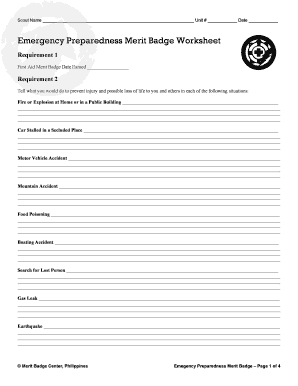
Worksheets help Scouts track their progress and organize their answers. Many free workbooks are available online to support learning. These materials include checklists, quizzes, and activity guides.
Workbooks also offer space to write down emergency plans and kits. They encourage Scouts to think practically about safety measures. Using these worksheets improves understanding and readiness for emergencies.
Official Scouting Materials
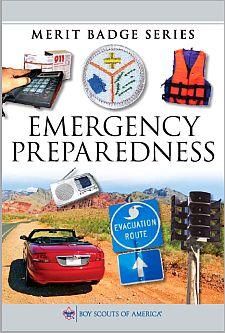
The Boy Scouts of America provides official merit badge pamphlets and guides. These materials contain the most accurate and updated information. They explain badge requirements clearly and offer safety tips.
Official resources also include videos and handouts for better learning. Scouts can find these materials on the official scouting websites. Using official content ensures the information is trustworthy and Scout-approved.
Tips For Success
Completing the Merit Badge Emergency Preparedness Worksheet can feel challenging. Success requires focus and smart strategies. Following simple tips helps Scouts stay on track and finish their work effectively. These tips encourage good habits, making the process smoother and more rewarding. Below are key ways to stay motivated and monitor your progress during this important task.
Staying Motivated
Set small goals for each study session. Celebrate finishing each part. Break tasks into easy steps to avoid feeling overwhelmed. Remind yourself why emergency preparedness matters. Think about how this knowledge can protect your family and community. Keep your worksheet where you see it often. This constant reminder helps maintain your focus and energy.
Tracking Your Progress
Use a checklist to mark completed sections. This visual progress boosts confidence and shows how far you have come. Review your notes regularly to reinforce learning. Keep all your materials organized in one place. Staying organized saves time and reduces stress. Track your time spent on each task to improve your study routine. Adjust your pace if needed to ensure steady progress.

Credit: www.scribd.com
Credit: usscouts.org
Frequently Asked Questions
What Is The Emergency Preparedness Merit Badge Worksheet?
The worksheet helps Scouts organize their knowledge and plan for emergencies. It complements the merit badge pamphlet by guiding Scouts through key tasks and checklists. Using it ensures Scouts cover all requirements for earning the Emergency Preparedness badge efficiently.
How Does The Worksheet Aid In Emergency Planning?
It prompts Scouts to create detailed emergency plans, including escape routes and communication strategies. The worksheet encourages practical exercises like preparing emergency kits and family plans. This hands-on approach improves readiness for real-life emergencies.
Where Can I Find A Free Emergency Preparedness Worksheet?
Several Scouting websites like U. S. Scouting Service Project and Merit Badge Center offer free PDF worksheets. These resources are downloadable and printable, making it easy for Scouts to study and complete requirements offline.
Why Is The Worksheet Important For Scouts In Austin, Texas?
Local hazards vary, so the worksheet helps Scouts tailor emergency plans to Austin’s risks. It encourages awareness of regional emergencies like floods or storms. This localized preparation enhances safety and community resilience.
Conclusion
Completing the Merit Badge Emergency Preparedness Worksheet builds important skills. It helps Scouts plan for real-life emergencies. The worksheet guides clear thinking and practical steps. Being ready can protect families and communities. Practice the plans often to stay confident. Use simple tools and resources for learning.
This badge teaches responsibility and quick action. Stay safe by knowing what to do next. Every Scout benefits from understanding emergency readiness. Keep improving your skills and stay prepared always.