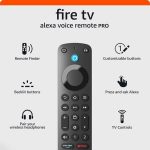
Imagine controlling your entire home without lifting a finger. With voice-controlled devices, this is no longer a dream but a reality you can enjoy every day.
Whether you want to play your favorite song, adjust the lights, or check the weather, all you have to do is speak. These smart gadgets listen, understand, and respond instantly, making your life easier and more connected. Ready to discover how voice-controlled devices can transform your daily routine and bring convenience right to your fingertips?
Keep reading to find out everything you need to know about these game-changing tools.
Voice-controlled Devices Explained
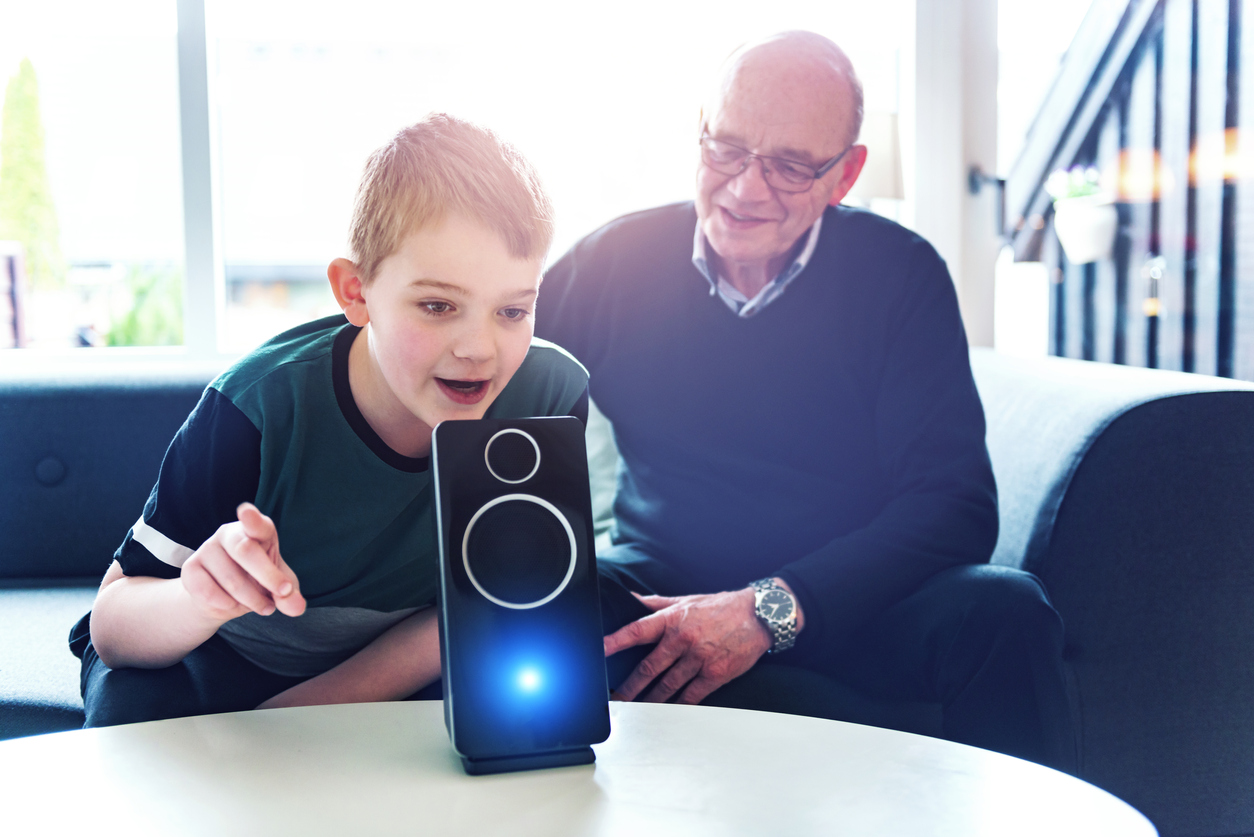
Voice-controlled devices allow users to operate technology using their voice. These gadgets respond to spoken commands. They make daily tasks easier and faster. No need to touch buttons or screens.
These devices use microphones and software to understand speech. They convert voice into actions like playing music or setting reminders. This technology is becoming common in homes and workplaces.
Common Types And Uses
Smart speakers are popular voice-controlled devices for playing music and checking news. Voice assistants in smartphones help with navigation and messaging. Smart home devices control lights, thermostats, and security systems. Some devices help with accessibility, aiding people with disabilities. Voice-controlled gadgets improve convenience and productivity in many ways.
Popular Voice Assistants
Amazon Alexa is widely used in smart speakers and home devices. Google Assistant works on many devices, including phones and smart displays. Apple’s Siri is available on iPhones, iPads, and Macs. Microsoft’s Cortana is integrated into Windows computers. These assistants recognize commands and provide information or perform tasks quickly.
Credit: www.missionaudiovideo.com
Smart Home Integration
Smart home integration connects voice-controlled devices with other gadgets. This creates a unified system that works together smoothly. It makes homes more convenient and efficient. Voice commands control lights, thermostats, security cameras, and more.
Using voice-controlled devices in smart homes saves time. It reduces the need for manual operation of multiple devices. The integration allows users to manage their homes with simple spoken instructions.
Connecting Devices Seamlessly
Voice-controlled devices link with smart home hubs and apps. This connection allows devices to communicate and work as one. Setup is often simple, with guided instructions in apps. Once connected, devices respond to voice commands instantly. Compatibility across brands is improving every year. This seamless connection enhances user experience and control.
Automating Daily Tasks
Automation is a key benefit of smart home integration. Users can schedule lights to turn on at sunset. Thermostats adjust temperature based on time or presence. Voice commands can start routines, like “Good Morning” or “Movie Time.” These routines trigger multiple devices at once. Automation reduces effort and creates a comfortable environment. It also helps save energy by managing device use efficiently.
Top Voice-controlled Products
Voice-controlled devices have become a key part of modern homes. They offer hands-free convenience and easy control over many tasks. This technology helps users manage their daily routines smoothly.
Here are some of the top voice-controlled products that fit different needs. Each product type brings unique features to the table.
Smart Speakers And Assistants
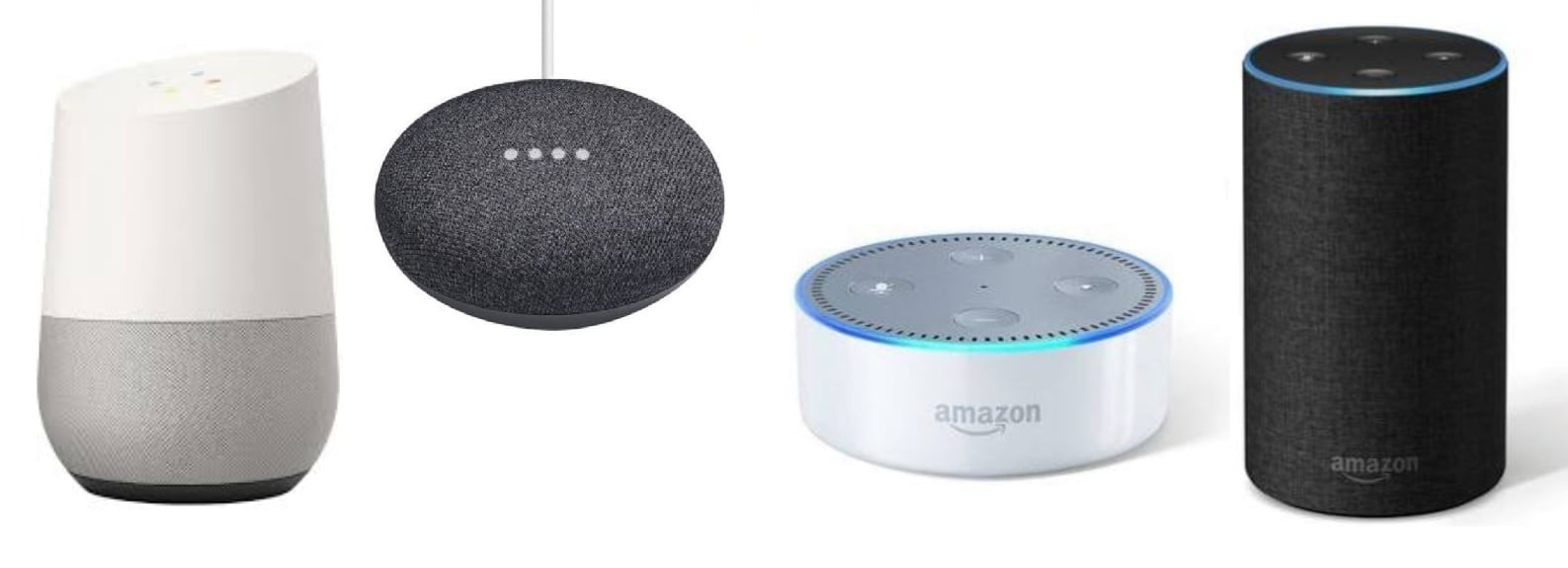
Smart speakers are the most popular voice-controlled devices. They connect to the internet and answer questions quickly. Devices like Amazon Echo and Google Home respond to voice commands. They can play music, set reminders, and control other smart gadgets. These assistants learn your preferences over time, making life easier.
Voice-activated Plugs And Switches
Voice-activated plugs and switches let users control lights and appliances with simple commands. These products turn devices on or off without needing to touch them. They save energy and add safety to the home. Many models work with popular smart assistants for smooth integration.
Specialized Gadgets For Home
Specialized voice gadgets include smart thermostats, security cameras, and alarm clocks. These devices improve home comfort and safety. For example, voice-controlled thermostats adjust temperature settings easily. Talking alarm clocks help those with vision issues. Security cameras respond to voice commands for quick checks.
Benefits Of Voice Control
Voice-controlled devices offer many advantages for everyday life. They simplify tasks and make technology easier to use. People of all ages enjoy the hands-free experience. Voice control helps save time and effort in many situations.
These devices improve how we interact with smart homes and gadgets. They provide better access and convenience for everyone. The benefits extend beyond ease of use to energy savings and security.
Convenience And Accessibility
Voice control lets users operate devices without physical contact. It helps busy people manage tasks quickly. Users can control lights, music, and appliances by speaking commands. This hands-free method is perfect for multitasking.
Accessibility improves for people with disabilities or limited mobility. Voice commands remove barriers and foster independence. Devices respond instantly, making technology more approachable and friendly.
Energy Efficiency And Savings
Voice-controlled devices help reduce energy waste. Users can turn off lights and appliances easily when not needed. Smart systems adjust settings based on voice instructions to save power. This leads to lower electricity bills over time.
Automated voice commands encourage mindful energy use. People become more aware of their consumption habits. Savings grow as small actions add up daily, benefiting the environment and budgets.
Enhanced Security Features
Voice control adds an extra layer of security at home. Devices can recognize unique voice patterns for access control. Users can lock doors or activate alarms using voice commands. This reduces reliance on keys or codes that can be lost or stolen.
Some systems alert users instantly if suspicious activity is detected. Voice-controlled security devices offer peace of mind with easy management. They help keep homes and families safer without extra effort.
Challenges And Limitations
Voice-controlled devices offer convenience but face several challenges. These challenges affect user experience and device performance. Understanding these limitations helps users make informed choices.
Privacy And Data Concerns
Voice-controlled devices collect personal data to work properly. This raises privacy issues for many users. Conversations may be recorded without clear consent. Data breaches can expose sensitive information. Users worry about who accesses their voice data. Companies must improve data protection methods.
Device Compatibility Issues
Many voice devices do not work well together. Different brands use different systems and protocols. This limits the ability to control multiple devices. Users may need several apps or hubs. Compatibility issues can cause frustration and confusion. Standardization is needed for smoother integration.
Voice Recognition Accuracy
Voice devices sometimes misunderstand commands. Accents, speech speed, and background noise cause errors. Misinterpretations lead to incorrect actions or no response. Devices struggle with similar-sounding words. Improving recognition technology is essential for better use. Clear speech and quiet environments improve accuracy.

Credit: www.nytimes.com
Future Trends In Voice Tech
The future of voice-controlled devices holds exciting possibilities. Voice technology will become smarter and more personal. Users will enjoy better experiences through new features and improved performance. The focus will be on speed, privacy, and accessibility. Below are some key trends shaping the future of voice tech.
Ai-powered Assistants
AI will make voice assistants more helpful and intuitive. They will understand users better and predict needs. Conversations will feel natural and less robotic. Assistants will handle complex tasks with ease. Integration with other smart devices will improve. This will create seamless interactions across all gadgets.
Subscription Models And Services
Voice tech companies will offer more subscription plans. These will include premium features and personalized content. Users may get access to exclusive skills or services. Subscription models will allow regular updates and support. This approach helps companies maintain and improve devices. Consumers will benefit from continuous enhancements and new options.
Advancements In Local Processing
More voice data will be processed directly on devices. Local processing reduces response time and increases privacy. Users’ information stays on their gadgets, not in the cloud. This boosts security and gives faster replies. Devices will work better even without internet connections. Local AI chips will power these improvements efficiently.
Switching From Alexa To Alternatives
Many users now switch from Alexa to other voice-controlled devices. Changes in privacy concerns and new features push this trend. Exploring alternatives helps find better fits for personal needs. This section covers reasons for switching, new features offered, and tips for choosing the right platform.
Why Users Are Moving Away
Privacy worries cause many to reconsider Alexa. Users want more control over their data. Some find Alexa’s responses limited or repetitive. Others seek devices that work better with non-Amazon services. Device compatibility and ecosystem restrictions also play a role.
New Features And Services
Alternatives offer unique features Alexa lacks. Some provide better voice recognition and faster responses. Others support local control without internet reliance. New platforms include advanced customization options. Expanded language support improves user experience worldwide.
Choosing The Right Voice Platform
Evaluate your daily needs before choosing a device. Check device compatibility with existing smart home gadgets. Consider privacy policies and data handling practices. Test voice assistant accuracy and language support. Look for platforms that offer useful skills and integrations.
Credit: blog.zyxel.com
Frequently Asked Questions
What Are Voice-controlled Devices?
Voice-controlled devices respond to spoken commands using virtual assistants like Alexa, Google Assistant, or Siri. They include smart speakers, plugs, doorbells, and more, enabling hands-free operation of gadgets and appliances for convenience and smart home control.
Why Are People Getting Rid Of Alexa?
People are ditching Alexa due to Amazon phasing out older devices and features. Alexa’s financial losses push users towards newer AI-powered alternatives.
Are Voice-activated Devices Always Listening?
Voice-activated devices listen only after hearing their wake word. They do not constantly record or transmit conversations.
What Are The Voice Activated Devices For Seniors?
Voice-activated devices for seniors include Amazon Echo Dot, Google Home, Sonos One, and talking alarm clocks. They offer easy control via voice commands.
Conclusion
Voice-controlled devices make life simpler and more fun. They respond quickly to your voice commands. You can control many tasks hands-free. These devices fit well in any home or office. They help save time and effort daily. As technology grows, these gadgets become smarter.
Try them out to see how they help you. Embrace the ease and comfort they bring. Voice control is becoming a normal part of life.