

Imagine controlling your entire home with just your voice—turning on the lights, adjusting the thermostat, or playing your favorite music without lifting a finger. Voice control home devices are transforming the way you interact with your living space, making everyday tasks easier and more convenient.
Whether you’re new to smart technology or looking to upgrade your current setup, discovering the best voice-controlled gadgets can change how you live. Ready to see how these devices can simplify your life and bring the future right into your home?
Keep reading to find out which options are worth your attention and how you can get started today.

Credit: www.kardome.com
Voice Control Devices To Know
Voice control devices have changed how people interact with their homes. These devices respond to simple voice commands. They make daily tasks easier and faster. Knowing key voice control devices helps you choose the right ones for your home. This guide covers popular smart speakers, smart displays, and voice-controlled appliances. Each type offers unique features to fit different needs.
Top Smart Speakers
Smart speakers are the most common voice control devices. They play music, answer questions, and control smart home gadgets. Popular models include Amazon Echo, Google Nest Mini, and Apple HomePod Mini. These speakers work with voice assistants like Alexa, Google Assistant, and Siri. They connect to Wi-Fi and respond to your voice from across the room. Smart speakers are small and easy to place anywhere.
Smart Displays
Smart displays combine voice control with a touchscreen. They show weather, calendars, and videos. The Google Nest Hub and Amazon Echo Show are popular examples. Smart displays help with cooking by showing recipes. You can video call friends and family with them. They offer more interaction than smart speakers alone. These devices are great for kitchens and living rooms.
Voice-controlled Appliances
Many home appliances now support voice control. Smart refrigerators, ovens, and washing machines respond to voice commands. You can start cooking or check fridge contents hands-free. Brands like Samsung and LG offer voice-controlled appliances. These devices save time and add convenience. Voice control helps manage chores without stopping what you do.

Credit: leccygenesis.com
Why Alexa Faces Challenges
Alexa remains a popular voice control home device. Yet, it faces many challenges that affect its growth and user experience. These issues come from financial pressures and strategic changes. Amazon must adapt to stay competitive in smart home technology.
Financial Struggles
Alexa’s division has not made profits for Amazon. The costs of development and support remain very high. This creates pressure to reduce spending and rethink the business model. Keeping Alexa running at current levels is expensive and unsustainable.
Shift To Subscription
Amazon is moving Alexa toward a subscription service. Basic features may remain free, but advanced options require payment. This change aims to create steady revenue. Some users worry about losing free access to useful functions.
Feature Reductions
Older Alexa devices lose some features over time. Amazon cuts back on support for legacy products. This reduces costs but frustrates loyal customers. The focus shifts to newer devices and AI-driven capabilities.
Emerging Voice Assistants
Voice control home devices are evolving fast. New voice assistants offer fresh options beyond the usual names. These emerging assistants bring smarter and more private ways to control your home.
They use the latest technology to understand commands better. This improves how you interact with your devices every day. Some focus on cloud-based AI, while others work locally on your network. Both types aim to make smart homes easier and safer.
Ai-powered Alternatives
AI-powered voice assistants use advanced machine learning. They learn your habits and preferences over time. This helps them provide more accurate responses and suggestions. Many support complex commands and multiple languages. They connect with various smart home devices for smooth control.
These assistants often rely on cloud services for processing. This allows them to handle difficult tasks quickly. Voice recognition improves as the AI adapts to your voice. Some popular options include new platforms from tech companies focusing on AI enhancements.
Local Voice Control Options
Local voice assistants process commands directly on your device. They do not send data to the cloud. This adds a layer of privacy and security to your smart home. Local control works even without internet access. This is useful in areas with unstable connections.
These options often integrate with open-source home automation systems. They allow more customization and control over your data. Local assistants can handle voice commands for lighting, heating, and security. They offer a simple and private way to control your devices.
Privacy And Security
Voice control home devices bring great convenience but raise important questions about privacy and security. These devices listen for commands and often process data to function properly. Understanding how your information is handled helps you stay safe and protect your privacy.
Cloud Vs On-device Processing
Many voice control devices send your voice data to the cloud for analysis. This allows complex tasks but means your data leaves your home. Cloud processing can expose data to breaches or misuse.
On-device processing keeps voice data within the device. It limits data exposure but may reduce the device’s capabilities. Choosing a device with on-device processing can improve your privacy and security.
Data Protection Concerns
Voice devices collect sensitive information about your habits and environment. This data could be vulnerable to hacking or unauthorized access. Strong encryption and secure storage are essential for protecting this data.
Manufacturers must follow strict data protection rules. You should also review privacy policies and adjust settings to control data sharing. Regular software updates help fix security issues and protect your device.
Boosting Smart Home Experience
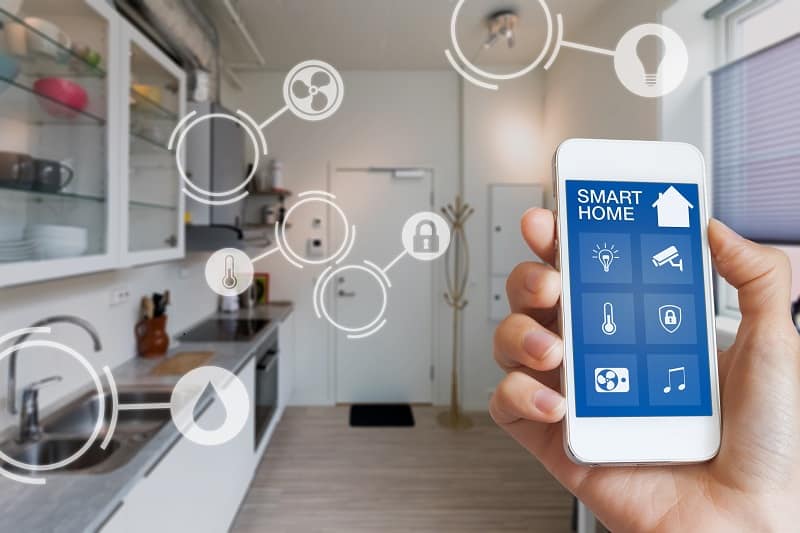
Enhancing your smart home with voice control devices creates a seamless living space. These devices respond to simple voice commands, making daily routines easier. They improve comfort, save time, and increase home security without manual effort.
Voice control offers hands-free convenience. It connects various smart devices, allowing you to manage lighting, temperature, and entertainment with your voice. This technology makes your home more responsive and adaptive to your needs.
Integration Tips
Start by choosing voice control devices that work well together. Check compatibility with your current smart home gadgets. Use a single app or platform to manage all devices for smooth operation.
Place voice assistants in key areas like the living room and kitchen. This setup ensures they hear your commands clearly. Connect smart bulbs, thermostats, and security cameras for full control.
Automating Daily Tasks
Set routines that run automatically at specific times. For example, schedule lights to turn on at sunset. Program your thermostat to adjust temperature before you arrive home.
Use voice commands to start music, check the weather, or control appliances. Automating these tasks reduces effort and keeps your day organized. Small actions add comfort and efficiency to your lifestyle.
Credit: blog.techdesign.com
Choosing The Right Device
Choosing the right voice control home device is key to a smooth smart home experience. The perfect device fits your needs, budget, and existing technology. Picking one that works well now and in the future saves time and money. Focus on three main areas to guide your choice: budget, compatibility, and future-proof features.
Budget Considerations
Voice control devices come in many price ranges. Set a clear budget before buying. Cheaper devices often cover basic tasks well. Higher-priced models may offer better sound or extra features. Think about how much you want to spend and what features matter most. Avoid overspending on extras you may not use.
Compatibility Factors
Make sure the device works with your current smart home setup. Check if it supports your lights, thermostat, and other gadgets. Some devices only work with specific brands or platforms. Pick one that fits your existing technology to avoid frustration. Compatibility ensures smooth control and fewer technical issues.
Future-proof Features
Choose a device that can keep up with new technology. Look for regular software updates and strong developer support. Devices with multiple voice assistants give more flexibility. Features like improved privacy and better voice recognition are valuable. A future-proof device stays useful longer and adapts to changes.
Frequently Asked Questions
What Are The Voice Controlled Home Devices?
Voice controlled home devices include smart speakers, displays, thermostats, and fans. Examples are Google Nest Mini, Apple HomePod Mini, and Ecobee SmartThermostat. They respond to voice commands for tasks like playing music, controlling lights, and managing home automation.
Why Are People Getting Rid Of Alexa?
People are ditching Alexa due to discontinued devices, removed features, privacy concerns, and Amazon’s shift to a subscription-based AI model.
What Is The Best Voice Assistant For Smart Homes?
Google Assistant is the best voice assistant for smart homes, offering wide device compatibility and reliable performance. It integrates seamlessly with Google Nest devices and supports numerous third-party smart home products.
How Much Does Alexa Cost Per Month For Seniors?
Alexa itself has no monthly cost for seniors. Echo devices vary from $30 to $180. Alexa Plus subscription may cost extra.
Conclusion
Voice control home devices make daily tasks easier and faster. They help manage lights, music, and temperature with simple commands. These devices work well for people of all ages and skills. Choosing the right device depends on your needs and budget.
Smart homes become more comfortable and efficient with voice control technology. Try adding one device to your home and enjoy the convenience it brings. The future of home living is smarter and hands-free.


