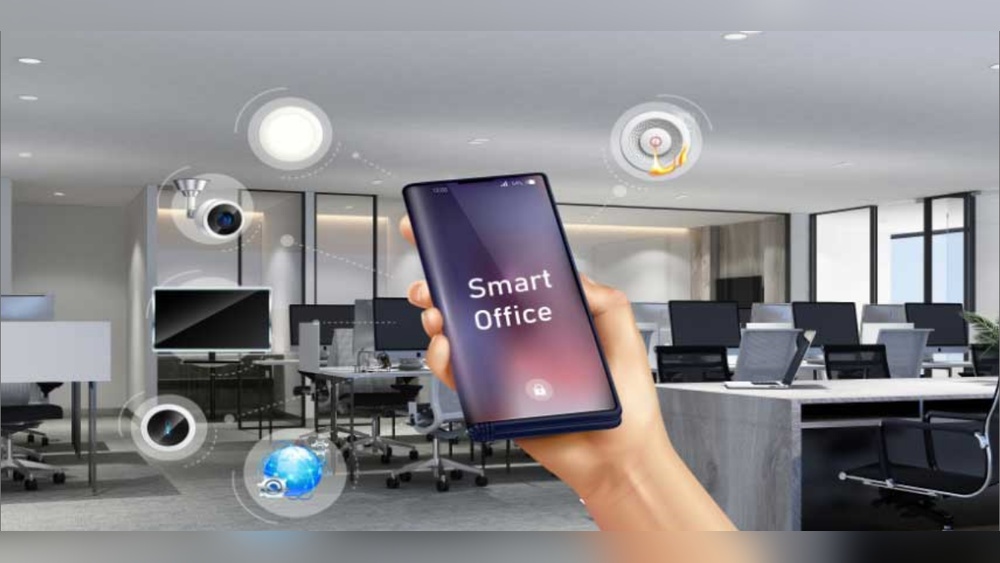

Imagine walking into your office where the lights, air conditioning, and electronic devices automatically adjust to your presence—saving energy without you lifting a finger. With an RFID Based Smart Office Energy Saving System, this isn’t just a dream.
You can take control of your office’s energy consumption, cut down on waste, and lower utility bills effortlessly. Curious how this technology works and why it’s becoming a must-have for modern workplaces? Keep reading to discover how RFID can transform your office into a smarter, greener, and more cost-effective environment.
Rfid Technology In Offices
RFID technology is changing how offices manage energy. It helps control lighting, heating, and cooling based on real-time presence. This reduces energy waste and lowers costs. Offices become smarter by using RFID to track occupancy and automate systems. Efficiency and comfort improve together.
RFID systems use small tags and readers to detect people and objects. This data allows energy systems to respond quickly. The technology is easy to install and works well in modern office environments. It supports energy saving without disrupting daily work.
Basics Of Rfid
RFID stands for Radio Frequency Identification. It uses radio waves to send data from a tag to a reader. Tags are small and can be attached to badges or devices. Readers pick up signals from tags within a certain range. The system knows who or what is in a space.
Tags do not need batteries in many cases. They get power from the reader’s radio waves. Data transfer is fast and reliable. This makes RFID ideal for monitoring office occupancy and equipment use.
Rfid Vs Traditional Systems
Traditional energy systems rely on manual controls or timers. They often waste energy by running lights and HVAC when rooms are empty. RFID systems detect actual presence in real time. This allows precise control of energy use.
Unlike motion sensors, RFID can identify specific users. It can customize settings for different people or teams. This adds comfort and reduces unnecessary energy consumption. RFID systems also require less maintenance than traditional sensors.
Energy Challenges In Offices
Offices use a large amount of energy daily. Many devices run even when no one is using them. This causes high electricity bills and wastes resources. Understanding energy challenges helps businesses find smart solutions. RFID based systems offer a way to control and reduce energy use effectively.
Common Energy Wastage
Lights left on in empty rooms waste energy. Computers and printers often stay powered after work hours. Air conditioning runs without adjusting to room occupancy. Many office devices use standby power even when not active. These small actions add up to big energy loss.
Impact On Costs And Environment
Wasting energy increases monthly electricity costs for offices. Higher bills reduce money available for other needs. Overusing energy also raises the office’s carbon footprint. This contributes to air pollution and climate change. Saving energy helps lower costs and protects the environment.
Smart Office Energy Solutions
Smart office energy solutions help reduce energy waste and lower costs. These systems use modern technology to control lighting, heating, and other energy-consuming devices. Offices become more efficient and eco-friendly by using smart tools.
RFID-based systems offer precise control over energy use by tracking occupancy and activity. They adjust power settings automatically, ensuring energy is used only when needed. This approach supports sustainability and cuts down on unnecessary expenses.
Role Of Automation
Automation plays a key role in smart office energy solutions. It enables systems to operate without manual input. For example, lights and HVAC adjust based on room occupancy detected by RFID tags. This saves energy by turning off devices when rooms are empty.
Automated schedules and real-time responses help maintain comfort and efficiency. The system learns patterns and optimizes energy use accordingly. This reduces human error and ensures consistent energy savings.
Sensor Integration
Sensors are vital for smart energy management in offices. They collect data on motion, temperature, and light levels. RFID sensors identify when people enter or leave a space, triggering energy adjustments.
Integration of different sensors creates a responsive environment. For instance, combining RFID with temperature sensors can regulate heating only when rooms are occupied. This lowers energy consumption without sacrificing comfort.
How Rfid Saves Energy
RFID technology plays a vital role in reducing energy waste in smart offices. It detects presence and controls systems like lighting and HVAC to save power. This targeted approach limits energy use only to occupied spaces. Smart offices become more efficient and environmentally friendly by using RFID-based energy saving systems.
Occupancy Detection
RFID tags identify when employees enter or leave a room. Sensors read these tags to know if a space is occupied. The system then adjusts energy use based on real-time presence. Empty rooms get minimal or no power to lights and devices. This cuts down on unnecessary energy consumption effectively.
Control Of Lighting And Hvac
Once occupancy is detected, RFID controls lighting and HVAC systems. Lights turn on only in rooms with people inside. Heating and cooling adjust to the needs of present occupants. This prevents energy waste from running these systems in empty areas. The result is a balanced, comfortable office environment with lower energy bills.
Implementing Rfid Systems
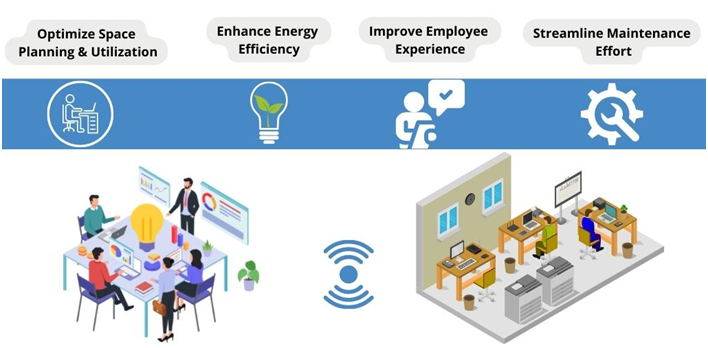
Implementing RFID systems in smart office energy saving setups involves careful planning and integration. These systems use RFID technology to detect occupancy and control energy use efficiently. By automating power management, offices reduce waste and lower energy costs. The implementation includes both hardware and software components that work together seamlessly.
Hardware Components
Hardware is the backbone of an RFID-based energy saving system. It includes RFID readers placed at strategic locations like entrances and meeting rooms. Employees carry RFID tags or cards that the readers detect. This detection triggers the system to switch on or off lights, HVAC, and other devices. Sensors may also be used alongside RFID for better accuracy. Reliable power supply and network connectivity are essential for smooth operation.
Software And Connectivity
The software controls how the hardware interacts and manages energy use. It processes data from RFID readers to determine room occupancy. The system can then automatically adjust lighting and temperature settings. Connectivity through Wi-Fi or Ethernet links all devices to a central management platform. User-friendly dashboards allow facility managers to monitor and optimize energy consumption. Integration with existing building management systems enhances control and reporting capabilities.
Credit: ajeevi.com
Benefits Of Rfid Energy Systems
RFID-based energy systems bring many benefits to smart offices. These systems help manage energy use efficiently. They track occupancy and control devices automatically. Offices save money and reduce waste. The environment also gains from lower energy consumption.
Cost Reduction
RFID energy systems cut electricity bills by using power only when needed. Lights and air conditioning switch off in empty rooms. This reduces unnecessary energy use. Maintenance costs also drop because systems work smarter. Over time, businesses see clear savings on operational expenses.
Boosting Efficiency
These systems improve office workflow by creating comfortable environments. Employees find the workspace well-lit and at the right temperature. RFID technology adjusts settings quickly based on real-time data. This reduces manual control and prevents energy waste. Efficiency in managing resources increases overall productivity.
Environmental Impact
RFID energy systems lower carbon footprints by minimizing energy waste. Using less electricity means fewer emissions from power plants. Offices contribute to a cleaner environment and support green initiatives. This technology helps companies meet sustainability goals. It promotes a healthier planet for future generations.
Case Studies And Examples
Real-world examples show how RFID based smart office energy saving systems help reduce costs and save energy. These case studies reveal practical benefits and challenges. They also highlight various industries applying this technology successfully.
Below are specific examples from office installations and the hospitality industry. Each example demonstrates effective energy management using RFID technology.
Office Installations
Many offices use RFID systems to control lighting and HVAC based on occupancy. When an employee enters a room, the system activates lights and air conditioning. When they leave, the system powers down to save energy.
One company in Austin, Texas, installed RFID sensors in meeting rooms. This cut energy use by 30% in those areas. Employees carry RFID badges that the system detects automatically.
Open-plan offices also benefit. RFID tracks which desks are occupied and adjusts lighting accordingly. This prevents energy waste in unused spaces. The system also monitors equipment usage to reduce standby power consumption.
Hospitality Industry Applications
Hotels use RFID based energy systems to improve guest comfort and save energy. Guests receive RFID cards that control power in their rooms. Lights and air conditioning turn on only when the guest is inside.
One hotel chain reported a 25% reduction in energy costs after implementing RFID energy management. The system also increased guest satisfaction by maintaining optimal room conditions.
Restaurants and conference centers use RFID to monitor and manage energy use during events. This ensures lights and HVAC operate only when needed. Staff can focus on service without worrying about energy waste.
Challenges And Limitations
Implementing an RFID based smart office energy saving system brings many benefits. Yet, it also faces several challenges and limitations. Understanding these issues helps businesses plan better and avoid common pitfalls.
These systems rely on advanced technology and data collection. That can create technical and privacy problems. Addressing these challenges is key to successful adoption and operation.
Technical Barriers
RFID systems depend on strong and stable wireless signals. Office buildings with thick walls or interference can weaken these signals. This reduces system accuracy in detecting presence and controlling energy use.
Integration with existing office infrastructure often proves difficult. Many offices use different types of sensors and control systems. Making them work smoothly with RFID technology requires extra effort and cost.
Energy savings depend on precise data. Errors in RFID reading can lead to lights or HVAC running unnecessarily. This lowers the system’s efficiency and can increase costs instead of saving energy.
Privacy Concerns
RFID systems track employee movements to optimize energy use. Some workers may feel uncomfortable with this level of monitoring. They might worry about how their data is stored and used.
Data protection laws require strict handling of personal information. Companies must invest in secure data management to avoid legal issues. Failure to protect privacy can damage employee trust and company reputation.
Clear communication about what data is collected and why helps ease privacy fears. Employees should know that tracking only aims to save energy, not monitor personal behavior.
Future Trends In Smart Energy
The future of smart energy focuses on making offices more efficient and eco-friendly. Advances in technology will shape how energy is used and saved. Smart energy systems will become more connected and intelligent. These trends will help reduce waste and lower costs in office buildings.
Integration With Iot
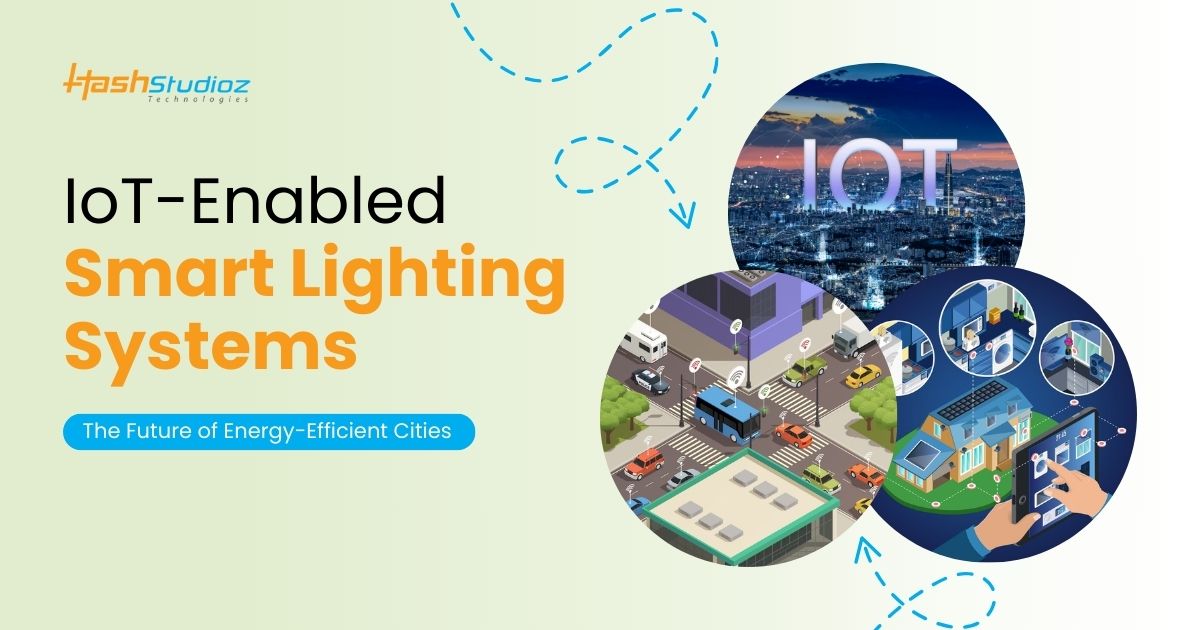
IoT devices will connect various office systems for better energy management. Sensors and RFID tags will communicate in real time. This connection allows automatic control of lighting, heating, and cooling. Energy use will adjust based on occupancy and activity. The system will react instantly to save power without human effort.
Ai And Predictive Analytics
Artificial intelligence will analyze energy patterns to predict future use. This helps optimize system settings before energy is wasted. Predictive analytics will find the best times to run equipment. AI will learn from past data to improve efficiency. Offices will run smarter, using less energy while staying comfortable.
Credit: www.hashstudioz.com

Credit: www.researchgate.net
Frequently Asked Questions
What Is An Rfid Based Smart Office Energy Saving System?
An RFID based smart office energy saving system uses RFID technology to detect employee presence. It automatically controls lighting, HVAC, and devices to reduce energy waste. This system enhances office efficiency and lowers energy costs by ensuring resources are used only when needed.
How Does Rfid Save Energy In Smart Offices?
RFID saves energy by detecting when employees enter or leave rooms. It triggers automatic shutdown of lights and equipment in empty spaces. This precise control prevents unnecessary energy consumption, making office environments more sustainable and cost-effective.
What Are The Benefits Of Rfid Energy Systems In Offices?
RFID energy systems provide accurate occupancy detection, reduce utility bills, and improve comfort. They enable seamless energy management without manual intervention. Additionally, these systems support sustainability goals by minimizing carbon footprint in office buildings.
Can Rfid Systems Integrate With Existing Office Infrastructure?
Yes, RFID energy saving systems can integrate with current lighting, HVAC, and security systems. They use wireless communication to connect with sensors and controllers, enabling easy upgrades without major renovations. This ensures a smooth transition to smart energy management.
Conclusion
RFID-based smart office energy saving systems help reduce waste and cut costs. They detect room occupancy and control lights and devices efficiently. Offices become greener and more comfortable with this technology. Employees benefit from a better work environment and lower energy bills.
Implementing RFID solutions supports sustainability goals and smart building management. This approach makes energy use smarter and simpler every day.