
When you think about transforming your space, the look and feel of your floors play a huge role. Wood floor textures aren’t just about appearance—they bring warmth, character, and a unique touch to any room.
Whether you prefer smooth, polished surfaces or rustic, worn finishes, understanding different wood textures helps you choose the perfect style that matches your personality and lifestyle. Imagine walking barefoot on floors that feel just right under your feet or impressing guests with the natural beauty your floors radiate.
You’ll discover the variety of wood floor textures available and how to pick the one that truly elevates your home’s atmosphere. Ready to explore the world of wood floors and find your ideal texture? Let’s dive in.
Types Of Wood Floor Textures
Wood floor textures create unique looks and feelings in any space. The texture affects how the floor feels underfoot and how it reflects light. Different textures suit different home styles and personal tastes. Choosing the right texture helps enhance the room’s atmosphere and comfort.
Smooth And Polished
Smooth and polished wood floors have a sleek, shiny surface. They feel soft and even when you walk on them. This texture highlights the wood’s natural grain and color. It works well in modern and elegant spaces. These floors are easy to clean but may show scratches more clearly.
Wire Brushed
Wire brushed floors have a slightly rough surface with fine grooves. A wire brush removes the soft wood fibers, leaving the hard grain raised. This texture adds depth and character to the floor. It is great for hiding small dents and scratches. Wire brushed floors suit rustic and casual designs.
Hand-scraped
Hand-scraped floors show natural marks and grooves made by hand tools. This texture gives a warm, vintage look. Each plank looks unique, with uneven lines and small dents. Hand-scraped floors add charm and personality to rooms. They fit well with farmhouse and traditional decor.
Distressed And Rustic
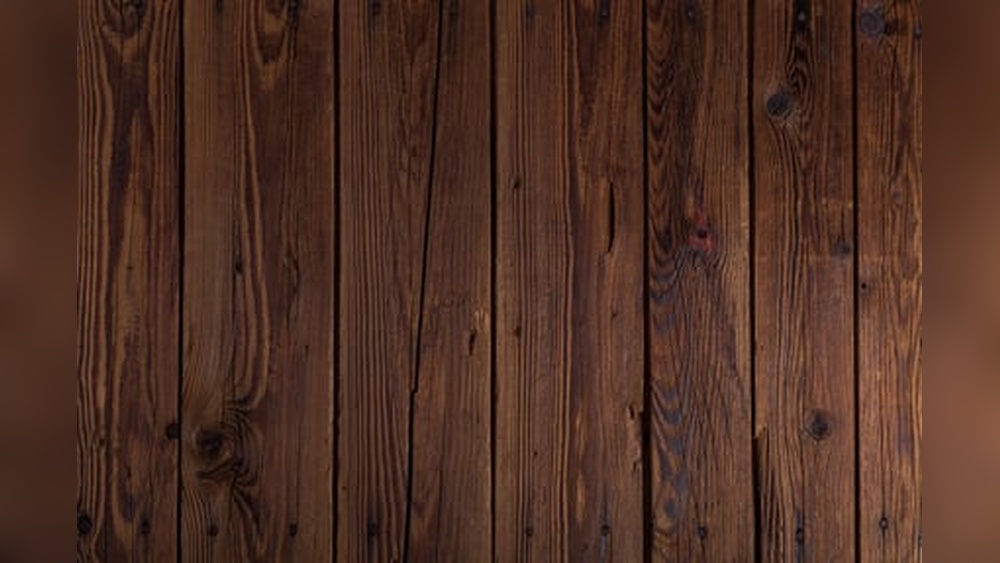
Distressed and rustic floors look aged and worn. The texture includes knots, cracks, and rough patches. It gives a cozy, lived-in feel to any space. This style hides dirt and wear over time. Rustic floors match well with country and industrial interiors.
Matte And Satin Finishes
Matte and satin finishes create soft, low-shine textures. Matte floors have no gloss and feel natural. Satin finishes offer a gentle sheen without glare. Both finishes hide dust and scratches better than polished floors. They provide a subtle, elegant look for many styles.
Popular Wood Species For Flooring
Choosing the right wood species shapes your floor’s look and feel. Each wood type offers unique textures, colors, and durability. Some woods fit classic designs, while others suit modern styles. Understanding popular wood species helps in picking the perfect flooring.
Oak
Oak is a classic choice for wood floors. It has a strong texture and tight grain. Oak wood comes in red and white varieties. Both are durable and resist wear well. Its warm tones suit many home styles. Oak floors age beautifully and can be refinished easily.
Maple
Maple wood shows a smooth, fine grain. Its light color brightens rooms instantly. Maple floors offer a clean, modern look. The wood is hard and handles heavy traffic. It resists dents better than many other woods. Maple is perfect for busy households.
Walnut
Walnut has a rich, dark color with deep grains. It brings a luxurious feel to any space. Walnut wood is strong but softer than oak. Its texture varies from straight to wavy patterns. Walnut floors add warmth and elegance. They suit traditional and contemporary interiors.
Hickory
Hickory offers a bold, rustic appearance. It features strong grain contrasts and knots. This wood is one of the hardest available. Hickory floors handle rough use and last long. Its natural color varies from light to dark. Ideal for country or lodge-style homes.
Bamboo
Bamboo is a fast-growing, eco-friendly flooring option. It has a smooth texture and fine grain. Bamboo can be light or dark stained. It is harder than many hardwoods and resists moisture well. Bamboo floors fit modern and minimalist designs. They provide a fresh, natural look.
Texture Patterns And Designs
Wood floor textures bring character and depth to any space. The patterns and designs of wood flooring enhance the room’s overall look. Different textures create unique visual effects and moods. Choosing the right texture pattern can highlight your style and complement your decor.
Herringbone And Chevron
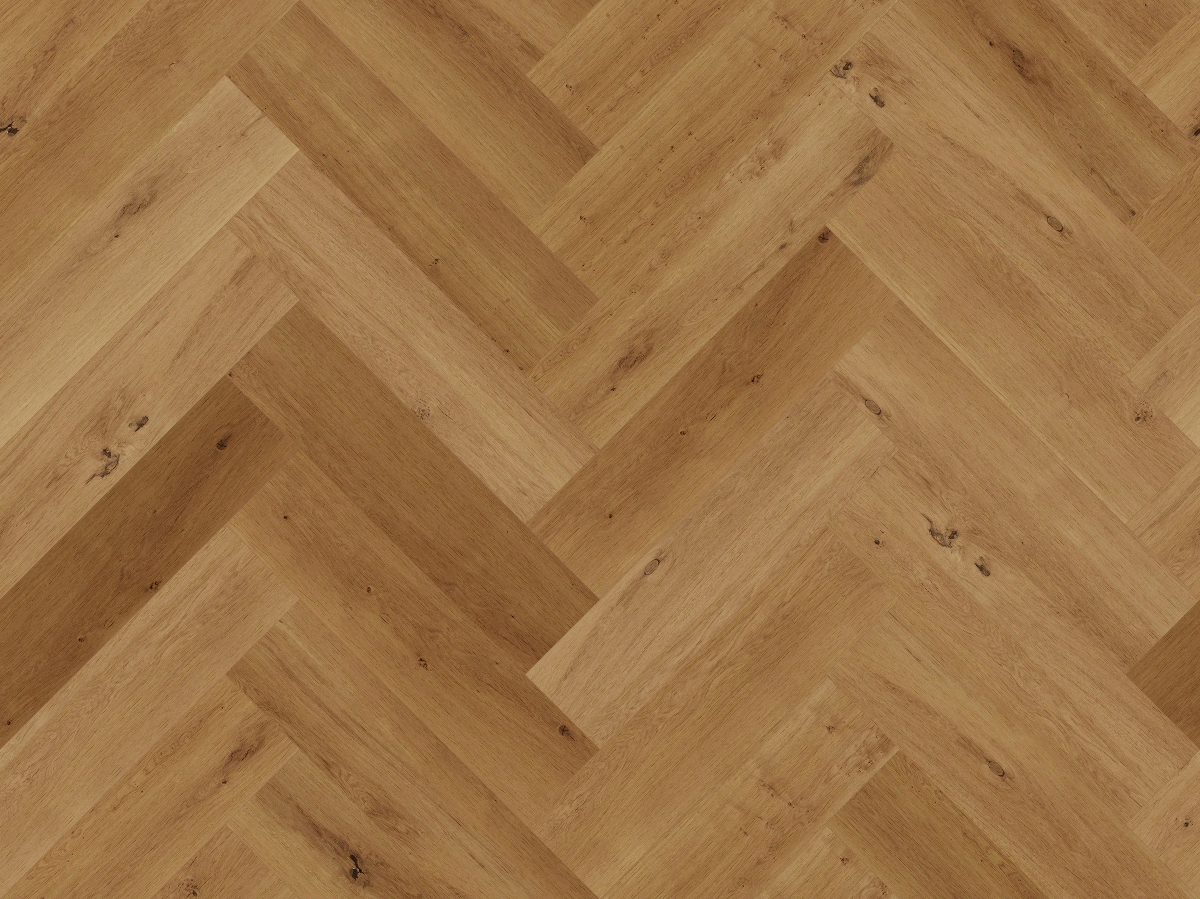
Herringbone and chevron patterns offer classic, elegant looks. Both use angled wood pieces but differ in layout. Herringbone has a broken zigzag effect, while chevron forms a continuous V shape. These patterns add sophistication and movement to floors. They work well in both modern and traditional settings.
Wide Planks
Wide plank flooring features broad, long boards. This style showcases the wood’s natural grain and knots. Wide planks create a spacious, open feel in rooms. They suit rustic, farmhouse, or contemporary designs. The large surface area highlights the wood’s texture beautifully.
Parquet Patterns
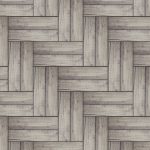
Parquet floors use small wood blocks arranged in geometric shapes. Popular designs include squares, triangles, and baskets. Parquet adds artistic flair and complexity to flooring. It offers a timeless, handcrafted appearance. These patterns fit well in formal or vintage interiors.
Reclaimed Wood Styles
Reclaimed wood flooring uses salvaged wood with natural wear. It brings a weathered, rustic charm to spaces. The texture varies with knots, cracks, and color shifts. Reclaimed wood adds history and uniqueness to floors. It suits eco-friendly projects and adds warmth.
Mixed Grain Textures
Mixed grain flooring combines different wood grains in one floor. This creates a rich, varied surface with natural contrasts. The mix highlights both smooth and rough textures. It adds depth and interest without overwhelming the room. This style suits eclectic and artistic interiors.

Credit: stock.adobe.com
Choosing Textures For Different Spaces
Choosing the right wood floor texture changes the feel of a room. Texture affects comfort, style, and durability. Different rooms need different textures to match their use and look.
Living Rooms And Lounges
Soft, smooth wood textures create a warm, inviting space. Matte finishes reduce glare and hide scratches. Light to medium tones work well for natural light. Textures with subtle grains add character without overwhelming the room.
Kitchens And Dining Areas
Durable textures suit kitchens and dining spaces best. Textured or hand-scraped wood hides wear from heavy use. Darker tones mask stains and dirt better. Floors with a slight roughness prevent slips on spills.
Bedrooms
Smooth, fine-grain textures offer a calm, cozy feel. Warm tones make bedrooms feel restful and soft. Satin finishes balance shine and comfort. Choose textures that feel good under bare feet.
Commercial Spaces
High-traffic areas need tough, textured floors. Wire-brushed or distressed woods hide scratches well. Dark or medium colors show less dirt. Textures must be easy to clean and maintain.
Outdoor And Patio Flooring
Outdoor floors require rough, weather-resistant textures. Textured planks prevent slipping when wet. Natural wood grains blend with outdoor surroundings. Use treated woods that resist moisture and sun damage.
Combining Wood Textures With Interior Styles
Wood floor textures add warmth and personality to any room. Combining these textures with interior styles creates a cohesive and inviting space. Each style calls for different wood grain, color, and finish to match its unique vibe.
Choosing the right wood texture enhances the overall design. It brings balance and highlights key elements of your decor.
Modern And Minimalist
Modern interiors favor smooth, sleek wood floors with light or neutral tones. Minimal grain patterns keep the look clean and simple. Matte finishes reduce shine and maintain subtle elegance. This pairing supports open spaces and uncluttered designs.
Rustic And Farmhouse
Rustic styles suit rougher, distressed wood textures. Wide planks with knots and natural imperfections add character. Warm, medium to dark stains create a cozy atmosphere. Hand-scraped or wire-brushed finishes enhance the aged, lived-in feel.
Industrial
Industrial spaces benefit from darker, weathered wood floors. Textures with visible grain and slight wear fit well with metal and concrete elements. Matte or satin finishes avoid glare and keep the raw, edgy look. This blend supports an urban, loft-style aesthetic.
Scandinavian
Scandinavian design pairs with pale, smooth wood floors. Light oak or birch with subtle grain keeps rooms bright and airy. Simple finishes that highlight natural wood tones work best. This choice complements minimal furniture and soft textiles.
Traditional
Traditional interiors call for classic wood textures with rich, warm hues. Medium to dark cherry, walnut, or mahogany floors add elegance. Glossy finishes enhance depth and reflect light. Detailed grain patterns suit ornate furnishings and timeless decor.
Credit: architextures.org
Maintenance Tips For Wood Textured Floors
Wood textured floors bring warmth and beauty to any space. Proper care keeps their charm and extends their life. Follow simple maintenance tips to protect your floors from damage and wear. Consistent care ensures your wood floors stay attractive and durable for years.
Cleaning Techniques
Use a soft broom or vacuum to remove dust daily. Avoid using a wet mop that can damage the wood. Instead, choose a damp mop with a mild cleaner made for wood floors. Clean spills immediately to prevent stains and warping. Avoid harsh chemicals or abrasive tools that may scratch the surface.
Protecting Against Wear
Place rugs or mats in high-traffic areas to reduce wear. Use furniture pads under chair and table legs to avoid scratches. Avoid walking on floors with high heels or cleats. Rearrange furniture occasionally to prevent uneven fading and indentations. Keep pet nails trimmed to protect the finish.
Refinishing And Repairs
Inspect floors regularly for scratches or dull spots. Light scratches can be fixed with wood repair kits. Deep scratches or worn finish may require professional refinishing. Sanding and applying a new finish restores the floor’s beauty. Prompt repairs help maintain the floor’s strength and appearance.
Humidity And Temperature Control
Wood floors expand and contract with humidity changes. Keep indoor humidity between 30% and 50% to prevent gaps or warping. Use a humidifier in dry seasons and a dehumidifier in wet seasons. Maintain a stable temperature to avoid stress on the wood. Proper climate control protects the floor from damage.
Innovations In Wood Floor Textures
Wood floor textures have evolved beyond traditional designs. New technologies and materials have brought fresh options for homes and businesses. These innovations enhance durability, appearance, and sustainability. They also offer more realistic and customizable choices for designers and homeowners.
Eco-friendly Materials
Eco-friendly wood floor textures use sustainable sources. Reclaimed wood and fast-growing trees reduce environmental impact. Natural finishes avoid harmful chemicals, improving indoor air quality. These materials offer beauty and respect for nature. They fit well in modern, green-conscious homes.
Engineered Wood Options
Engineered wood floors combine layers for strength and stability. The top layer shows real wood grains and textures. These floors resist moisture and temperature changes better than solid wood. They provide a natural look with improved performance. Installation is easier, and maintenance is low.
Digital And Printed Textures
Digital printing creates wood floor textures with great detail. It mimics grains, knots, and color variations accurately. This method allows more design freedom and cost savings. Floors can resemble rare or exotic woods without high prices. It suits both residential and commercial spaces.
Seamless And Pbr Textures For Design
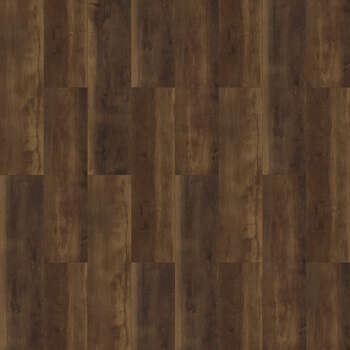
Seamless textures blend smoothly for a continuous wood look. PBR (Physically Based Rendering) textures add realism in 3D designs. These textures react to light like real wood surfaces. Designers use them in virtual staging and architectural visualization. This technology helps clients see final results clearly.
Credit: www.textures.com
Frequently Asked Questions
What Are The Most Popular Wood Floor Textures?
Popular wood floor textures include smooth, wire-brushed, hand-scraped, and distressed finishes. Each texture adds unique character and depth to the flooring, enhancing the overall aesthetic of a room.
How Do Wood Floor Textures Affect Room Ambiance?
Wood floor textures influence room warmth and style. Smooth textures offer a modern look, while distressed textures create a rustic, cozy atmosphere. Texture choice impacts both visual appeal and feel underfoot.
Can Wood Floor Textures Hide Scratches Or Dents?
Yes, textured wood floors like wire-brushed or hand-scraped finishes help conceal scratches and dents better than smooth floors. They are ideal for high-traffic areas or homes with pets and children.
Are Textured Wood Floors Harder To Clean?
Textured floors may require more care as grooves can trap dust. However, regular sweeping and gentle mopping keep them clean without damaging the texture or finish.
Conclusion
Wood floor textures add warmth and character to any space. They offer variety in color, grain, and finish. Choosing the right texture enhances your room’s style and feel. Natural patterns bring a cozy, inviting atmosphere to your home. Regular care keeps wood floors looking beautiful for years.
Explore different textures to find what suits your taste best. Wood floors combine beauty and durability in one simple choice.