
When it comes to choosing the perfect floor for your space, texture plays a key role in both style and function. You want a floor that feels just right underfoot, looks stunning, and suits your lifestyle.
Whether you prefer smooth, polished surfaces or something with a bit more grip and character, understanding floor textures helps you make smarter decisions. You’ll discover the different types of floor textures, how they impact the look and feel of your rooms, and what works best for your needs.
Keep reading to find the ideal texture that transforms your floors and elevates your entire space.
Credit: castlebespokeflooring.com
Floor Texture Types
Floor texture types shape both the look and feel of a room. They influence comfort, safety, and style. Choosing the right texture can enhance any space’s atmosphere. Various materials offer unique textures to suit different needs. From smooth to rough, each floor type creates a distinct experience underfoot.
Hardwood Textures
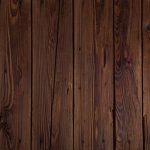
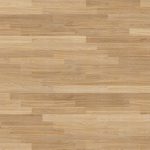
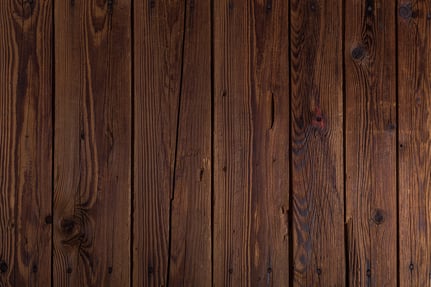
Hardwood floors feature natural grain patterns and knots. Their textures range from smooth and polished to hand-scraped and distressed. These variations add warmth and character. Hardwood feels firm but inviting to walk on. It suits traditional and modern interior styles alike.
Tile Surfaces
Tiles come in ceramic, porcelain, and natural stone varieties. Their surfaces can be glossy, matte, or textured for slip resistance. Patterns may include smooth, ribbed, or raised designs. Tiles offer durability and easy cleaning. They work well in kitchens, bathrooms, and entryways.
Laminate Patterns
Laminate flooring mimics wood, stone, or tile textures. Its top layer has a printed design with a protective coating. Textures can be smooth, embossed, or hand-scraped. Laminate is budget-friendly and simple to install. It suits homes needing stylish yet affordable flooring.
Vinyl Options
Vinyl flooring offers many texture choices. It can replicate wood grain, stone veining, or tile grout lines. Vinyl surfaces range from slick to heavily textured for grip. This material is water-resistant and soft underfoot. Ideal for busy areas or places prone to spills.
Carpet Styles
Carpets provide soft, warm textures through various pile types. Options include plush, looped, cut, or patterned fibers. Carpet absorbs sound and adds coziness. It suits bedrooms, living rooms, and areas where comfort matters most. Available in many colors and designs.
Concrete Finishes
Concrete floors can be smooth, brushed, or stamped. Finishes include polished, matte, or textured surfaces. Concrete offers a modern, industrial look. It is durable and easy to maintain. Suitable for commercial spaces and contemporary homes.
Linoleum Varieties
Linoleum features natural, eco-friendly textures. It can be smooth or slightly textured with patterns embedded. Linoleum is resilient and hygienic. It works well in kitchens, schools, and healthcare settings. Available in many colors and designs for varied looks.

Credit: www.flickr.com
Surface Texture Effects
Surface texture affects a floor’s look and feel. It also impacts safety and maintenance. Different textures offer unique styles and functions. Choosing the right texture enhances any space.
Textures can be smooth, rough, or patterned. Each type changes how light reflects and how the floor wears. Below are common surface texture effects used in flooring.
Smooth And Polished
Smooth floors feel sleek underfoot. Polished surfaces shine and reflect light well. They create a clean and modern look. These floors are easy to clean but can be slippery when wet. Ideal for indoor areas like living rooms and offices.
Rough And Matte
Rough textures have a dull, non-reflective finish. Matte floors hide dirt and scratches better than polished floors. They provide good traction and reduce slipping risks. Perfect for busy spaces or outdoor patios.
Sandblasted And Flamed
Sandblasting creates a grainy, textured surface by blasting sand particles. Flamed finishes use intense heat to roughen stone surfaces. Both add natural, rustic appeal. These textures improve grip and are common in outdoor walkways.
Bush Hammered Designs
Bush hammering produces a pitted, rugged surface by hammering stone with a special tool. It offers a strong grip and a unique decorative effect. Often used in driveways, pool decks, and commercial floors for durability and style.
Floor Finishes
Floor finishes protect and enhance the look of any flooring surface. They add durability and style while making floors easier to clean. Choosing the right finish depends on the floor type and the desired appearance. Different finishes offer various levels of shine, protection, and texture.
Polyurethane Coatings
Polyurethane coatings form a hard, clear layer on floors. They resist scratches, stains, and moisture well. This finish suits wood, concrete, and other surfaces. It comes in glossy and matte options. Polyurethane dries quickly and lasts a long time.
Wax Applications
Wax adds a soft shine and smooth feel to floors. It works best on wood and some natural stone floors. Wax protects from dirt and water but needs regular reapplication. It is easy to apply with a cloth or brush. Wax finishes create a warm, inviting look.
Penetrating Oils
Penetrating oils soak into wood, enhancing its natural color. They protect from inside the wood fibers. Oils keep floors looking natural and matte. This finish requires periodic maintenance and re-oiling. It is ideal for hardwood and bamboo floors.
Acid-cured Finishes
Acid-cured finishes bond tightly to concrete floors. They create a durable, glossy surface. This finish resists heavy foot traffic and chemicals. It requires professional application due to strong fumes. Acid-cured finishes give floors a sleek, shiny look.
Aluminum Oxide Layers
Aluminum oxide layers protect engineered and hardwood floors. They form a tough, scratch-resistant topcoat. This finish extends floor life and keeps it looking new. It is often factory-applied on prefinished wood floors. Aluminum oxide layers need little maintenance.
Stain Techniques
Stain techniques add color and depth to wood floors. They penetrate the wood and highlight its grain. Stains come in many colors and shades. After staining, a protective finish is usually applied. Stain techniques customize floor appearance beautifully.
Choosing The Right Texture
Choosing the right floor texture is key to creating a space that feels both comfortable and safe. The texture affects how the floor looks and performs every day. It also impacts cleaning and upkeep. Understanding your needs helps pick the best option. Consider style, strength, safety, care, and cost before deciding.
Aesthetic Considerations
Texture shapes a room’s style. Smooth floors feel modern and sleek. Rough textures add character and warmth. Light textures reflect more light, brightening the space. Dark, coarse textures create a cozy, grounded feel. Match the floor texture to your room’s design and mood.
Durability Needs
Durability depends on foot traffic and use. Rougher textures often hide scratches better. Smooth floors can wear down quickly in busy areas. Choose a texture that lasts long with your lifestyle. Think about pets, children, and furniture movement.
Slip Resistance
Safety starts with slip resistance. Textured floors reduce slipping risks, especially when wet. Glossy surfaces look nice but can be slippery. Rough or embossed textures give better grip. Ideal for kitchens, bathrooms, and outdoor spaces.
Maintenance Factors
Texture affects cleaning ease. Smooth floors clean faster and easier. Rough surfaces trap dirt and dust more. They may need special brushes or cleaning tools. Balance beauty with how much time you want to spend cleaning.
Cost Implications
Price varies by texture type and material. Simple, smooth textures often cost less. Complex textures need more labor and materials, raising price. Factor in installation and future upkeep costs. Choose texture that fits your budget and needs.
Diy Texture Applications
DIY texture applications let you customize floors with unique looks. You can create patterns and depth without hiring experts. This saves money and adds a personal touch to your space.
Different tools and methods allow simple floor texture designs. You can use digital software or physical materials to achieve the effect you want. Many tutorials help beginners start these projects easily.
Adding Image Textures
Image textures add realism to floor designs. Start with high-quality photos of wood, stone, or tile surfaces. Use them as overlays or base layers in your design. Adjust scale and color to match your room’s style. This method brings natural detail without complex steps.
Using Photoshop For Floor Design
Photoshop offers powerful tools to create floor textures. Use brushes and filters to add grain, cracks, or stains. Layer different textures to build depth. Mask areas for smooth blending. Save your work in high resolution for clear prints or digital use.
Blender Tutorials For Floors
Blender helps create 3D floor textures with precise control. Follow beginner tutorials to learn adding wood grains or tile patterns. Use procedural textures for easy changes. Render realistic floors for home projects or virtual rooms. Blender’s free software suits all skill levels.
Epoxy Vs Tile Application
Epoxy floors offer smooth, glossy surfaces that resist stains. They are easier to clean and quick to apply. Tiles provide varied textures and patterns with natural materials. Tiles last long but need more installation work. Choose epoxy for modern looks and tiles for classic styles.
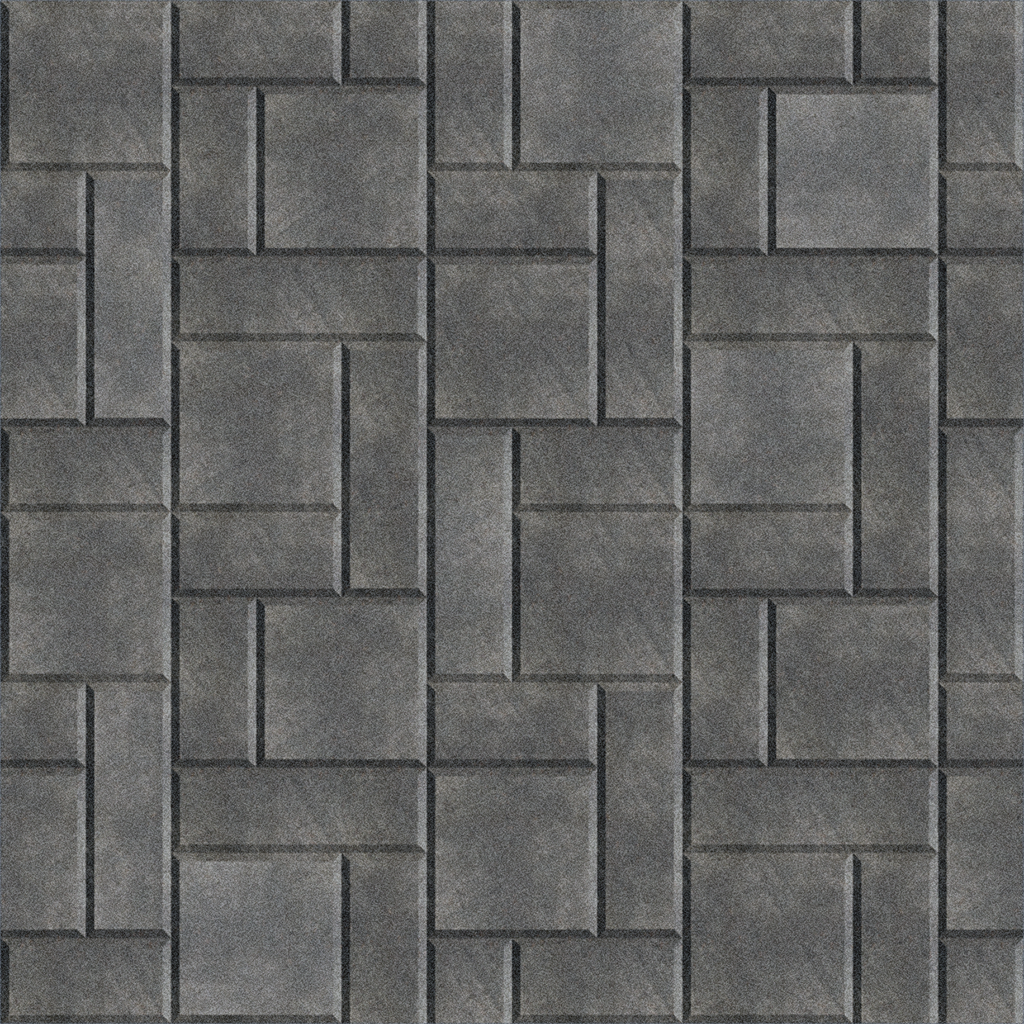
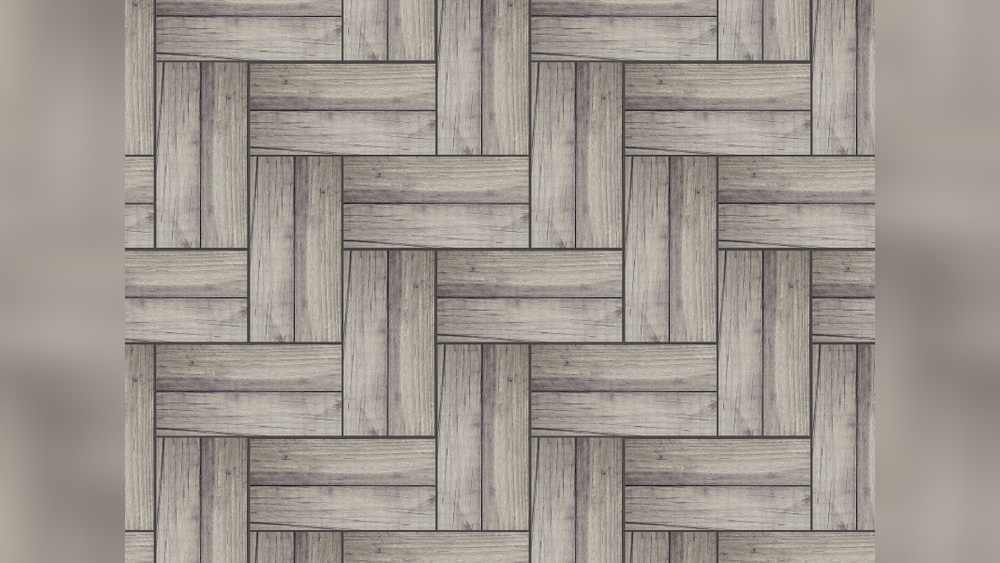
Credit: www.deviantart.com
Innovative Flooring Ideas
Innovative flooring ideas transform spaces with texture and style. New materials and design techniques create floors that stand out. These options blend function with creativity. They offer durability, comfort, and unique visual appeal. Explore some cutting-edge flooring solutions for fresh inspiration.
Procedural Tile Materials
Procedural tile materials use computer-generated patterns. These patterns create complex textures without repeating. They allow endless design variations. The tiles can mimic natural stone or abstract shapes. Procedural tiles add depth and interest to floors. They suit modern and artistic interiors well.
Custom Resin Floors
Custom resin floors provide smooth, glossy surfaces. They are highly durable and easy to clean. Resin can embed colors, patterns, or objects inside. This creates a unique look tailored to each space. Resin floors work well in homes and commercial areas. Their seamless finish resists stains and cracks.
Mixed Material Designs
Mixed material designs combine wood, tile, metal, or stone. This mix creates striking contrasts and textures. Designers use different materials to define spaces or add accents. Combining materials enhances both beauty and function. Floors become artistic features that catch the eye and invite touch.
Eco-friendly Options
Eco-friendly flooring uses sustainable and recycled materials. Bamboo, cork, and reclaimed wood are popular choices. These materials reduce environmental impact while offering natural textures. Eco-friendly floors are safe and healthy for indoor air quality. They bring warmth and character with a green conscience.
Frequently Asked Questions
What Is The Texture Of The Floor?
Floor texture varies from smooth and polished to rough and matte. Common types include wood grain, tile patterns, stone finishes, and textured vinyl. Texture choice depends on style, durability, and slip resistance needs, enhancing both appearance and function of the flooring surface.
What Are The 5 Types Of Hard Flooring?
The five types of hard flooring are hardwood, engineered wood, laminate, luxury vinyl plank (LVP), and tile. Each offers unique durability and style options for various spaces.
Is It Cheaper To Tile Or Epoxy A Floor?
Epoxy flooring is generally cheaper than tile installation due to lower material and labor costs. Tiles often cost more upfront and require skilled labor. Epoxy offers a cost-effective, durable, and quick solution, making it budget-friendly for many floor projects compared to traditional tiling.
What Are The Different Types Of Floor Finishes?
Floor finishes include hardwood, tile, laminate, vinyl, carpet, concrete, and linoleum. Topcoats like polyurethane, wax, oil, and stains enhance durability and appearance. Each finish offers unique texture, protection, and style to suit different spaces and preferences.
Conclusion
Choosing the right floor texture shapes a room’s look and feel. Smooth floors bring a clean, modern vibe. Rough or patterned textures add warmth and grip. Consider how you use the space before deciding. Easy-to-clean floors suit busy areas best.
Textures also affect safety, comfort, and style. Experiment with materials like wood, tile, or vinyl. Each offers unique benefits and appearances. Your floor’s texture can make a big difference. Small changes create a fresh, inviting space. Keep these ideas in mind when selecting floors.