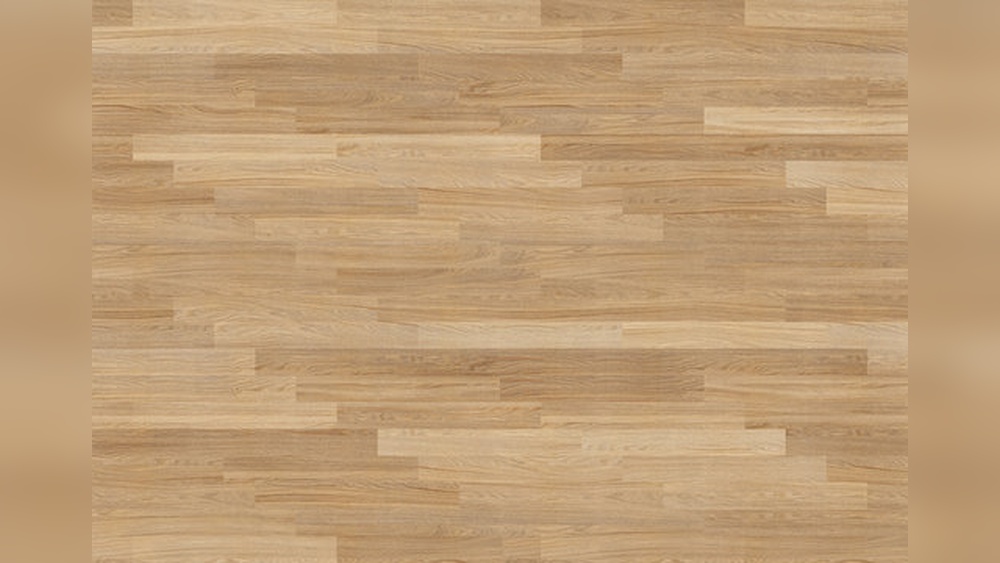

Are you looking to give your space a fresh, natural vibe with wood floors that look and feel authentic? Seamless wood floor textures might be exactly what you need.
When you use seamless wood textures, you get a flawless, continuous look that can transform any room into a warm and inviting environment. Whether you’re designing a digital project or planning a real-life renovation, understanding how to choose and use wood floor texture seamless patterns can make all the difference in achieving that perfect, polished finish.
Keep reading to discover the latest trends, tips, and ideas that will help you bring your floors—and your vision—to life.
Credit: stock.adobe.com
Seamless Wood Textures
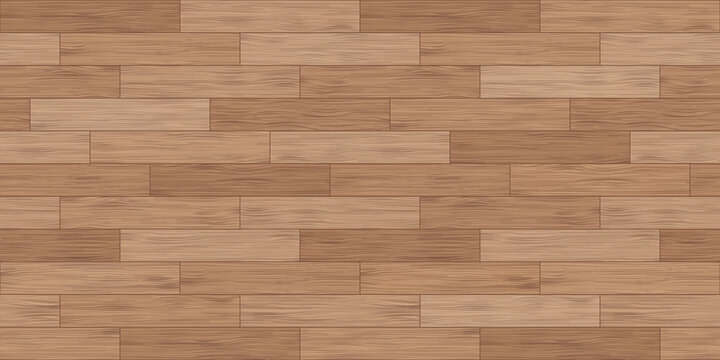
Seamless wood textures create a smooth, continuous look on floors. These textures blend naturally without visible edges or breaks. They give a polished and professional finish to wood flooring designs. Ideal for digital projects and real installations, seamless textures add realism and style.
What Makes A Texture Seamless
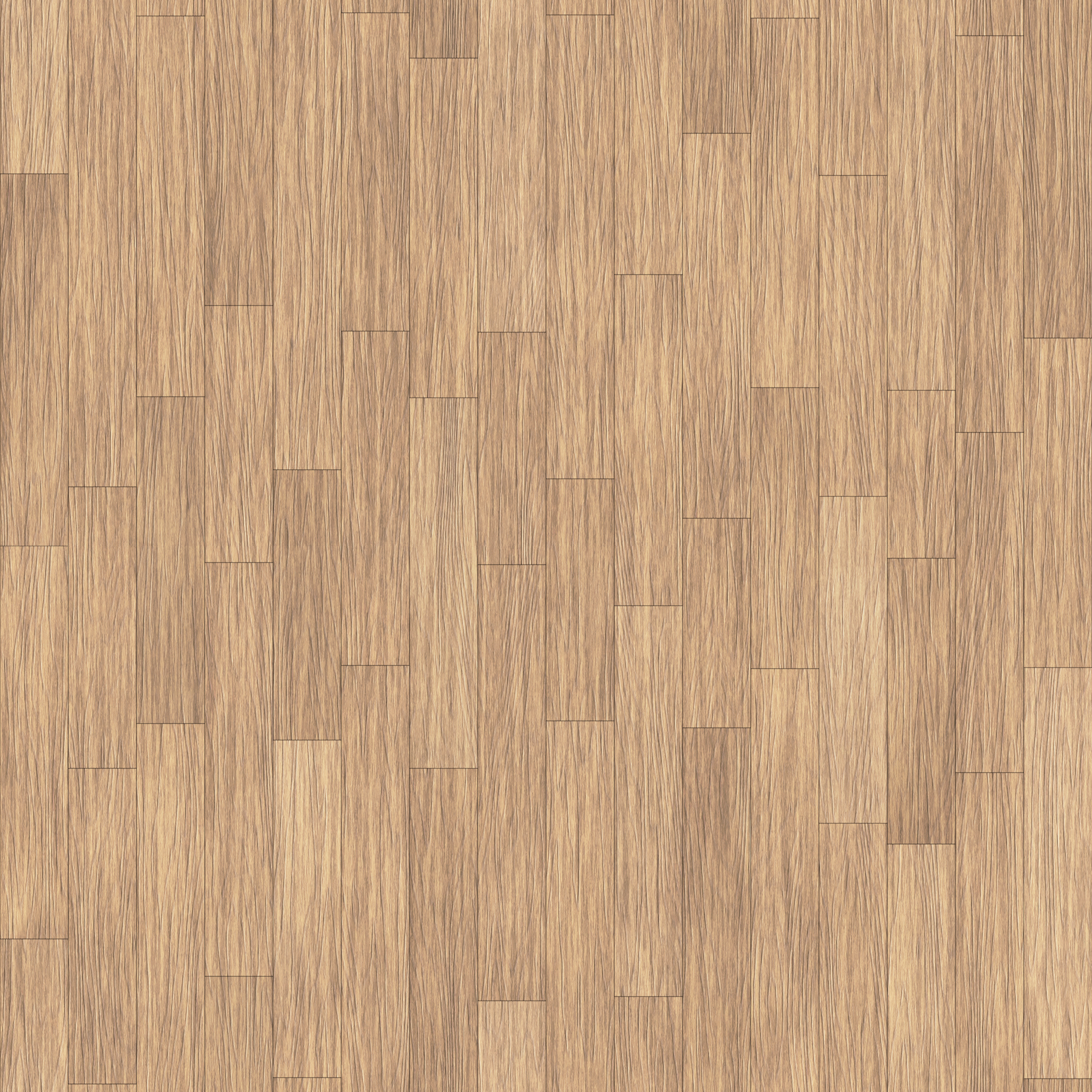
A texture is seamless when it repeats without visible borders. The pattern matches perfectly at all edges. No lines or gaps appear where tiles join. This effect helps create large surfaces with one uniform look. Seamless textures save time and improve visual quality.
Benefits Of Seamless Wood Floor Textures
Seamless wood textures offer many advantages. They create an endless wood pattern for large spaces. This makes floors look natural and clean. They are easy to apply in digital and physical designs. Seamless textures also reduce distractions from edges. They help maintain focus on the overall wood grain and color.
Popular Wood Species For Textures
Oak is a favorite for wood floor textures. It has a strong grain and warm tones. Maple offers a smooth, light look with subtle patterns. Walnut provides rich, dark wood tones with fine textures. Cherry wood adds a reddish hue with elegant grain lines. Each species brings unique beauty to seamless textures.
Credit: architextures.org
Design Trends In Wood Flooring
Wood flooring continues to evolve with fresh design ideas that bring warmth and style. Texture and patterns play a big role in modern wood floors. These trends blend classic charm with new looks. They create inviting spaces with natural beauty and unique details.
Seamless wood floor textures add smoothness and depth to any room. They highlight the wood grain while keeping a clean, polished feel. Below are key design trends shaping wood flooring today.
Wide Plank Flooring
Wide plank flooring uses boards that are much broader than usual. These wider planks show off more of the wood’s natural texture and grain. They create an open and spacious feel in rooms. This style works well in both modern and rustic interiors. The seamless texture enhances the wood’s natural beauty and flow.
Herringbone And Chevron Patterns
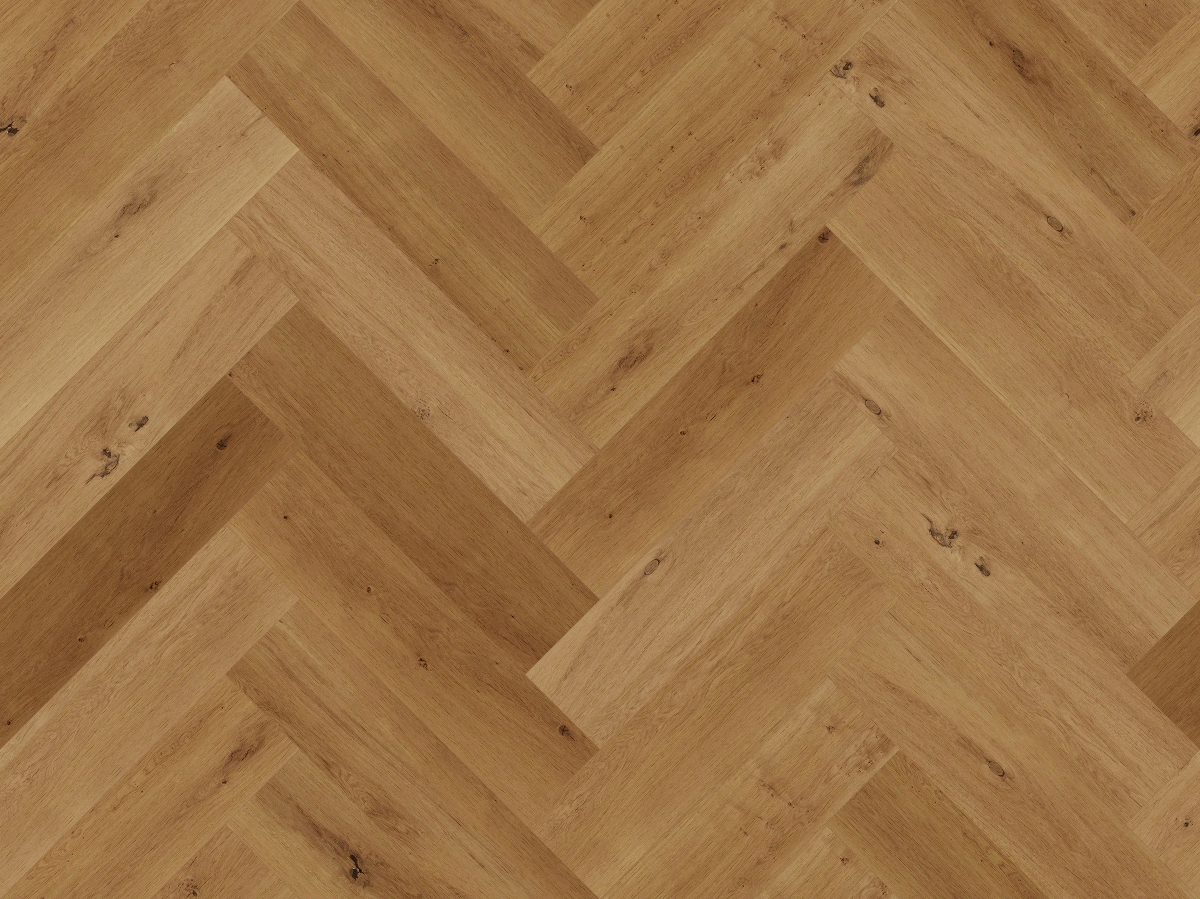
Herringbone and chevron patterns bring artistic flair to wood floors. These geometric designs add movement and interest. They fit well in traditional and contemporary spaces alike. The seamless texture keeps the patterns looking smooth and elegant. These patterns create eye-catching floors that feel dynamic yet refined.
Mixing Plank Widths
Mixing plank widths adds texture and variety to wood floors. Combining narrow and wide boards creates a unique, layered effect. This trend breaks the monotony of uniform floors. The seamless wood texture ties the different widths together. It maintains a cohesive look while adding visual depth and charm.
Color And Finish Options
Choosing the right color and finish for wood floor textures can change the entire look of a space. These options help match your style and the room’s mood. From soft, light colors to deep, rich shades, the choices are many. Finishes also vary, offering different sheens and textures that add character to your floor.
Light And Natural Tones
Light wood floors bring brightness and a sense of space. They work well in small rooms or places with less natural light. Natural tones show the wood’s grain clearly and feel warm and inviting. These colors suit modern and Scandinavian designs perfectly.
Dark And Rich Colors
Dark wood floors add elegance and drama. Rich browns and deep hues create a cozy atmosphere. These colors hide dirt better and often look luxurious. Dark floors pair well with bold furniture and bright walls for contrast.
Matte And Low-sheen Finishes
Matte finishes offer a soft, natural look without glare. Low-sheen surfaces hide scratches and dust better than glossy ones. This finish feels smooth but not shiny, giving floors a subtle charm. It suits casual and rustic interiors well.
Textured And Distressed Looks
Textured floors add depth and interest through grooves or hand-scraped effects. Distressed finishes show wear and tear for a vintage feel. These styles bring character and hide imperfections easily. They work great in farmhouse or industrial-style rooms.
Materials And Sustainability
Wood floor texture seamless designs are not only about looks but also about what materials make them. Sustainability plays a big role in choosing wood floors. Using eco-friendly materials helps protect forests and reduces waste. Sustainable wood flooring brings beauty and care for the planet together.
Reclaimed And Eco-friendly Wood
Reclaimed wood comes from old buildings or furniture. It gives new life to wood that would be thrown away. This wood has character and history in each plank. Eco-friendly wood comes from forests managed to grow trees again. These woods reduce harm to nature and save trees for the future.
Engineered Wood Choices
Engineered wood uses thin layers of real wood glued together. It is strong and less likely to warp. This type of wood uses less hardwood, making it more sustainable. It offers the natural look of wood with added stability. Engineered wood floors often cost less and last longer.
Waterproof Hardwood Innovations
New waterproof hardwood floors resist water damage better. They are perfect for kitchens and bathrooms. These floors keep their wood texture and feel despite moisture. Waterproof finishes help wood last longer and stay beautiful. Innovations in coatings and sealing make these floors practical and green.
Creating Realistic Wood Textures
Realistic wood textures add depth and warmth to digital designs. They help simulate real wood surfaces in 3D models and backgrounds. Crafting these textures requires careful attention to detail. The goal is a seamless look that repeats without visible edges. This section explores key methods for creating high-quality wood textures.
High-resolution Photography Techniques
Start by capturing wood surfaces with a high-resolution camera. Use natural light to highlight grain patterns and color variations. Avoid shadows and reflections that distract from the texture. Take multiple shots from different angles to capture depth. Keep the camera steady with a tripod for sharp images. These photos form the base of realistic wood textures.
Digital Processing For Tileable Textures
Editing photos is crucial to make textures tileable and seamless. Use software to clone edges and fix visible seams. Adjust color and contrast to maintain consistency across tiles. Crop the image carefully to avoid mismatched borders. Blend grain lines smoothly at the edges. This process ensures the texture repeats naturally in any design.
Using Software Tools Effectively
Choose tools like Photoshop or GIMP for texture editing. Use layers and masks to control edits without damaging the original photo. Employ filters to enhance wood grain and remove noise. Use the offset filter to check and fix seams. Save textures in formats that preserve quality, such as PNG or TIFF. These tools streamline the creation of seamless wood textures.
Applications Of Seamless Wood Textures
Seamless wood floor textures offer versatile use across various fields. Their natural appearance and smooth repeatability make them ideal for many creative projects. These textures help present wood surfaces without visible edges or breaks. This section covers popular applications of seamless wood textures.
Interior Design And Visualization
Interior designers use seamless wood textures to create realistic room views. These textures show how floors look with furniture and lighting. They allow quick changes to floor styles without physical samples. Clients see clear ideas of wood flooring options. This helps in choosing the right tone and pattern for a space.
3d Modeling And Rendering
3D artists apply seamless wood textures to models for realism. These textures wrap around objects smoothly without visible seams. They improve the visual quality of furniture, floors, and walls. Artists save time by avoiding complex texture editing. The result is natural wood grain that fits perfectly on 3D surfaces.
Virtual Staging And Marketing
Real estate agents use seamless wood textures in virtual staging software. They add wood floors to empty rooms in photos easily. This makes listings more attractive and helps buyers imagine living there. Marketing materials benefit from consistent, high-quality wood visuals. The seamless design ensures images look polished and professional.
Resources And Tools
Finding the right resources and tools is key to working with wood floor texture seamless designs. These assets help create smooth, natural-looking wood patterns. Many options exist online for textures, software, and learning materials. Using quality resources saves time and improves results.
Top Texture Libraries And Stock Sites
Many websites offer high-quality seamless wood floor textures. Adobe Stock and Shutterstock provide a vast selection of natural wood patterns. Freepik and Textures.com offer free and premium options for different projects. SketchUp Texture Club specializes in seamless wood textures for 3D modeling. These sites ensure textures fit any style or resolution need.
Recommended Software Plugins
Plugins simplify adding and editing seamless wood textures. Substance Painter has tools for creating realistic wood surfaces. Quixel Mixer allows easy blending of textures for unique wood effects. Photoshop plugins like Filter Forge help generate seamless patterns quickly. These tools speed up workflow and enhance texture quality.
Tutorials And Community Forums
Learning from tutorials improves skills in seamless wood texture creation. YouTube channels like ZugZug Art and Robin Squares provide step-by-step guides. Community forums such as Polycount and CGSociety allow users to share tips and ask questions. Engaging with these resources builds confidence and expands knowledge.
Credit: www.deviantart.com
Frequently Asked Questions
What Is The Newest Trend In Hardwood Floors?
The newest hardwood floor trends feature wide planks, eco-friendly materials, and patterns like herringbone. Light and dark natural tones with matte, textured finishes dominate. Reclaimed and engineered wood gain popularity for sustainable, authentic looks.
How To Make A Wooden Floor Smooth?
Sand the wooden floor using coarse to fine grit sandpaper for smoothness. Clean dust thoroughly. Apply wood filler to cracks, then sand again. Finish with a quality sealant or varnish for a smooth, polished surface.
What Is The Difference Between Wood Grain And Texture?
Wood grain shows the natural pattern of growth rings and fibers in wood. Texture refers to the surface feel or appearance, like smooth or rough. Grain is visual, while texture involves touch and surface details. Both impact wood’s look and character in flooring or furniture.
What Type Of Flooring Looks Like Wood But Isn’t?
Luxury vinyl plank (LVP), laminate, and engineered wood mimic wood’s look but resist moisture and wear better.
Conclusion
Seamless wood floor textures offer a smooth, natural look for any space. They create a continuous, clean surface without visible breaks. This enhances room aesthetics and makes designs more versatile. Using high-quality seamless textures adds warmth and character to interiors.
Choose patterns like herringbone or wide planks for a modern touch. Simple, eco-friendly materials keep floors stylish and sustainable. Overall, seamless wood textures bring beauty and function together effortlessly.