
When it comes to designing your bathroom, accessibility shouldn’t be an afterthought—it should be a priority. An ADA bathroom design ensures that your space is welcoming, safe, and easy to use for everyone, regardless of mobility challenges.
Imagine a bathroom where wider doorways, sturdy grab bars, and thoughtfully placed fixtures create comfort and independence for you or your loved ones. Whether you’re remodeling your home or planning a public restroom, understanding the key elements of ADA compliance will help you create a space that truly works for all.
Ready to transform your bathroom into an accessible haven? Let’s explore how ADA bathroom design can make a difference in your daily life.
Ada Bathroom Essentials
An ADA bathroom ensures safety and ease for all users. It meets strict guidelines to support people with disabilities. Designing such bathrooms requires attention to specific essentials. These essentials focus on space, support, fixtures, and clear paths.
These features promote independence and comfort. They create a welcoming space that anyone can use without assistance. Understanding these basics helps in planning a functional ADA bathroom.
Space And Clearance Needs
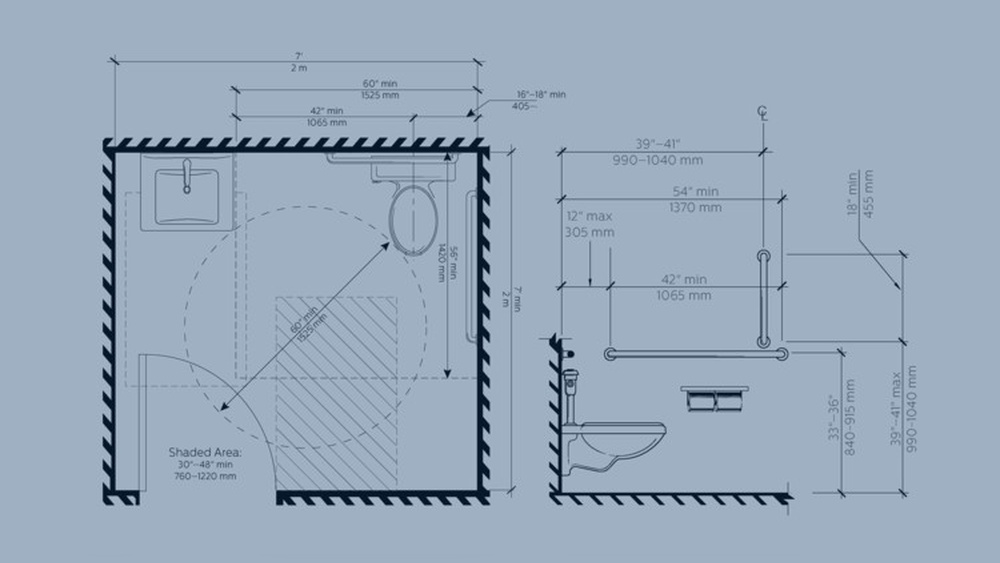
Space is crucial in ADA bathroom design. Clear floor space allows wheelchair users to move freely. Doorways must be wide enough for easy access. Turning space with a diameter of at least 60 inches is standard. This clearance prevents accidents and improves mobility inside the bathroom.
Grab Bars And Support
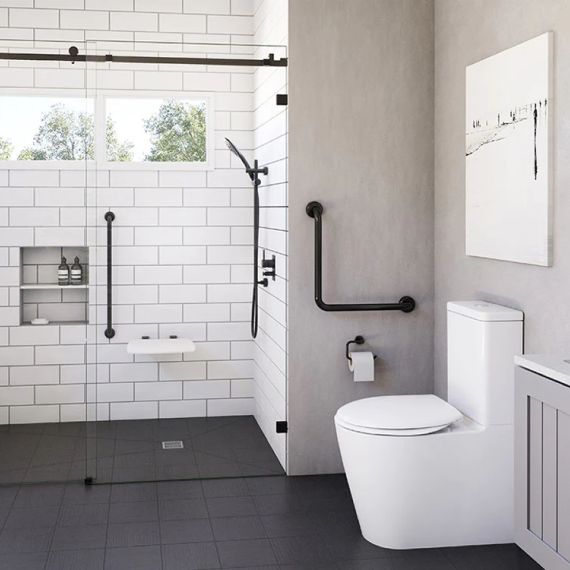
Grab bars provide stability and reduce fall risks. They should be installed near the toilet and inside showers. Bars must be firmly anchored to support a person’s weight. Proper placement helps users transfer safely and maintain balance.
Accessible Fixtures And Features
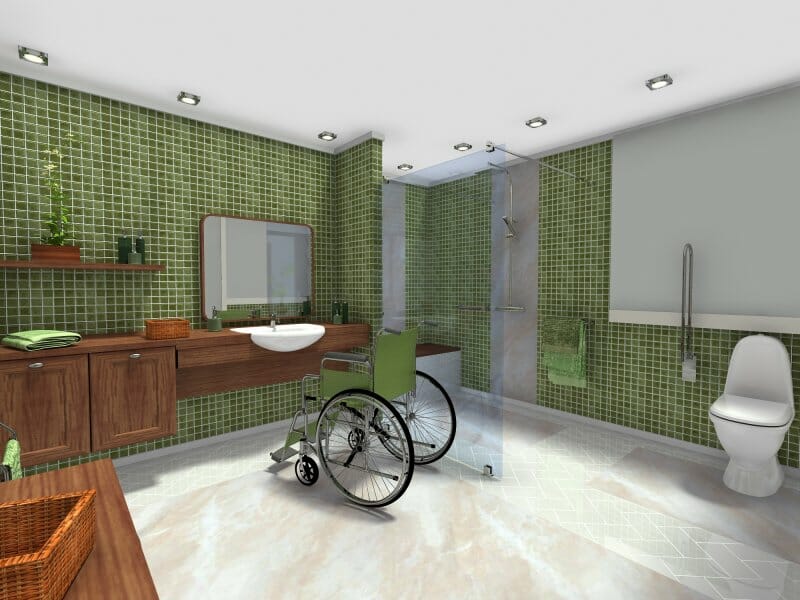
Sinks, toilets, and showers need to be accessible. Sinks should have knee clearance underneath for wheelchair access. Faucets must be easy to operate without tight gripping. Toilets should be of a height that eases sitting and standing. Controls and features should be simple and reachable.
Accessible Accessories Placement
Accessories like soap dispensers and paper towel holders must be reachable. They should be placed at a height between 15 and 48 inches from the floor. This placement ensures all users can access them independently. Clear labeling and easy operation add to usability.
Clear Pathways And Routes
Paths inside the bathroom must be free of obstacles. Clear routes help users move without difficulty or hazards. Flooring should be slip-resistant and smooth. Good lighting enhances visibility and safety. Keeping pathways clear supports independence and confidence.
Credit: www.roomsketcher.com
Benefits Of Ada Bathrooms
ADA bathrooms offer many important benefits for users and property owners. They create spaces that anyone can use comfortably and safely. These bathrooms follow clear rules that help people with disabilities navigate them easily. The design features promote dignity and independence for all users. Understanding these benefits shows why ADA bathrooms are essential in public and private buildings.
Ensuring Equal Access
ADA bathrooms guarantee that everyone can use restroom facilities. Wide doors and spacious stalls allow wheelchair users to enter and move freely. Grab bars and accessible sinks help people with limited mobility. These features remove barriers and make bathrooms welcoming to all. Equal access supports fairness and inclusion in public spaces.
Promoting Independence And Safety
Design elements in ADA bathrooms help users manage on their own. Grab bars provide extra support to prevent slips and falls. Lower sinks and mirrors let people reach them easily without assistance. These features reduce the need for help from others. Users feel more confident and safe during bathroom use.
Meeting Legal Requirements
Buildings must follow ADA standards to comply with the law. Proper bathroom design avoids penalties and legal issues. Meeting these rules also shows respect for community needs. Property owners protect themselves by providing accessible facilities. Legal compliance ensures public spaces serve everyone fairly.
Key Ada Bathroom Standards
Key ADA bathroom standards ensure accessibility and safety for all users. These standards guide the design and layout of bathrooms to accommodate people with disabilities. Meeting these requirements helps create inclusive spaces that everyone can use independently and comfortably.
Door And Entry Specifications
Doors must have a minimum clear width of 32 inches. This width allows wheelchair users to enter easily. Door hardware should be easy to operate without tight grasping or twisting. Door swings must not block accessible routes or reduce clear floor space.
Toilet And Sink Requirements
Toilets should be 17 to 19 inches high for comfortable transfers. Grab bars must be installed near the toilet for support. Sinks need clear knee space underneath for wheelchair access. Pipes under sinks must be insulated to avoid burns. Faucets should be operable with one hand and not require tight grasping.
Shower And Bathtub Guidelines
Roll-in showers must have no curb or threshold. Grab bars are essential inside showers and bathtubs for safety. Shower controls should be reachable from a seated position. Bathtubs need transfer space beside them for easy access. Shower seats or benches are recommended for comfort and support.
Flooring And Lighting Considerations
Floors must be slip-resistant to prevent falls. Smooth, stable surfaces help wheelchairs move freely. Lighting should be bright but glare-free to improve visibility. Light switches need to be placed within easy reach, typically 48 inches or less from the floor.
Credit: www.rethinkaccess.com
Planning Ada Bathroom Layouts
Planning ADA bathroom layouts requires careful thought to meet accessibility standards. These designs must allow ease of use for people with disabilities. Proper layout ensures safety, comfort, and independence for all users.
Attention to space, fixture placement, and clearances is essential. Each feature should comply with ADA guidelines. This section covers key layout types and tips for smart design.
Single-user Restroom Design
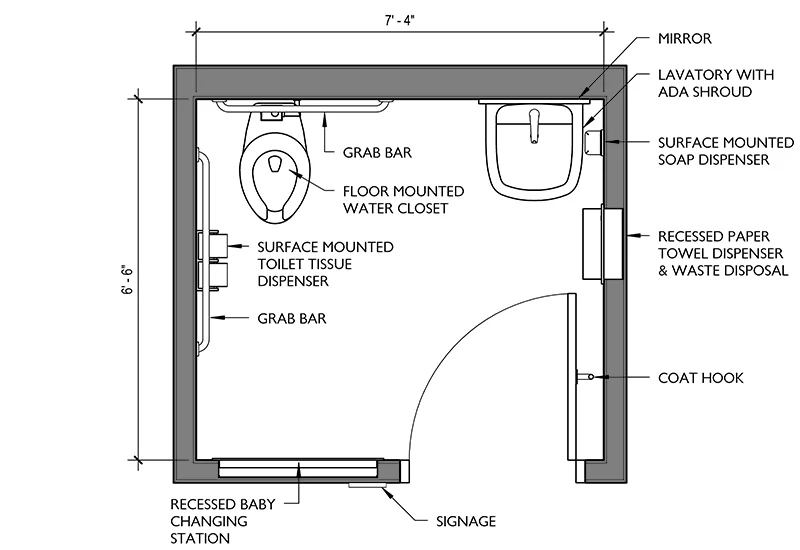
Single-user restrooms offer privacy and accessibility in one space. Doors should be wide enough for wheelchair entry. Inside, grab bars must be near the toilet for support. The sink should have clear knee space underneath. Fixtures and accessories should be reachable from a seated position.
Unisex Bathroom Arrangements
Unisex bathrooms serve all genders and abilities. These spaces need enough room for wheelchair maneuvering. Clear signage helps users identify the restroom. Toilet stalls must meet ADA size requirements. Sinks and dispensers should be easy to access for everyone.
Space Optimization Tips
Use open floor plans to maximize movement space. Place fixtures along walls to free central areas. Choose compact, ADA-compliant fixtures to save room. Consider folding or sliding doors to improve access. Maintain clear floor space for turning radius of wheelchairs.
Stylish Accessibility Ideas
Stylish accessibility in bathroom design blends function with modern aesthetics. It creates spaces that are safe and visually appealing. Thoughtful choices make bathrooms welcoming for everyone. Here are some ideas to enhance both style and accessibility.
Modern Grab Bar Designs
Grab bars no longer need to look industrial or clinical. Sleek, contemporary bars come in various finishes like brushed nickel, matte black, and chrome. These designs can match other fixtures and add elegance. Bars with integrated shelves or towel hooks increase functionality. Rounded edges and ergonomic shapes improve comfort and grip. Placement focuses on both safety and style.
Accessible Vanity Styles
Vanities designed for accessibility offer open knee space beneath the sink. Floating vanities create a light, airy feel and allow wheelchair access. Choose vanities with smooth drawer fronts and easy-to-use handles. Heights vary to suit different users. Materials like quartz and solid surface resist stains and provide a clean look. Mirrors mounted at adjustable angles improve usability and style.
Color And Material Choices
Contrast colors help visually guide users through the space. Light walls paired with darker fixtures highlight key areas. Non-slip floor tiles add safety without sacrificing design. Natural materials such as wood-look tiles or stone add warmth. Matte finishes reduce glare and enhance visibility. Durable surfaces ensure long-lasting beauty and function.
Lighting For Visibility And Ambiance
Good lighting combines brightness with softness. Layered lighting includes overhead, task, and accent lights. LED strips under cabinets improve visibility around the sink. Motion sensors offer convenience and energy savings. Warm light tones create a relaxing atmosphere. Proper lighting reduces shadows and prevents accidents.
Common Mistakes To Avoid
Designing an ADA bathroom requires careful attention to detail. Many common mistakes can reduce accessibility and comfort. Avoiding these errors helps create a space that truly serves everyone. Below are the most frequent pitfalls to watch for in ADA bathroom design.
Insufficient Clearances
Clearance space is essential for wheelchair users to move freely. Narrow doorways or tight turning spaces cause frustration. Ensure at least 60 inches diameter for wheelchair turning. Avoid placing objects that block pathways or reduce maneuvering space.
Improper Fixture Heights
Fixtures must be mounted at correct heights for easy reach. Toilets, sinks, and grab bars set too high or low hinder usability. Follow ADA guidelines: toilets at 17-19 inches, sinks with knee clearance underneath. Check that all controls and accessories are within reach range.
Ignoring User Comfort
Accessibility is more than meeting measurements. Comfort matters for daily use and independence. Provide stable grab bars and non-slip surfaces. Choose fixtures with smooth edges and easy-to-use handles. Consider lighting and ventilation to enhance the user experience.
Overlooking Maintenance Needs
Durability and ease of cleaning are key in ADA bathrooms. Avoid materials that stain or corrode easily. Fixtures should withstand frequent use without damage. Plan for simple access to plumbing and repairs. Regular maintenance preserves safety and accessibility.
Tools And Resources
Creating an ADA-compliant bathroom requires the right tools and resources. These help ensure the design meets legal standards and serves all users effectively. Using proper checklists, software, and expert advice makes the process smoother. Staying informed about ADA codes keeps your design up to date and functional.
Accessibility Checklists
Accessibility checklists provide clear, step-by-step guidelines. They cover key features like grab bars, door widths, and clear floor space. These lists help identify what needs to be included for compliance. Using checklists prevents costly mistakes and redesigns later.
Design Software Options
Design software simplifies planning ADA bathrooms. Many programs offer templates and tools tailored for accessibility needs. They allow you to visualize layouts and measure clearances accurately. This reduces errors and improves communication with clients or contractors.
Consulting Professionals
Professionals like architects and accessibility consultants bring valuable expertise. They understand ADA rules and practical design solutions. Their input ensures safety and comfort for all users. Consulting experts saves time and helps avoid compliance issues.
Staying Updated With Ada Codes
ADA codes change as new standards develop. Keeping up with these updates ensures your designs remain legal. Regularly review official ADA publications and resources. This practice helps maintain safe and accessible bathroom environments.
Credit: allorausa.com
Frequently Asked Questions
How To Design An Ada Compliant Bathroom?
Design an ADA compliant bathroom by providing wide doorways, clear floor space, grab bars, accessible sinks, and toilets at proper heights. Ensure all fixtures and accessories are reachable for wheelchair users. Maintain an unobstructed path for easy entry and exit, promoting safety and independence.
What Is An Ada Approved Bathroom?
An ADA approved bathroom meets Americans with Disabilities Act standards. It features wide doors, grab bars, accessible sinks, toilets, and clear pathways. These elements ensure safety, independence, and equal access for people with disabilities in public and commercial spaces.
What Does An Ada Compliant Bathroom Look Like?
An ADA compliant bathroom features wide doors, grab bars, accessible sinks with knee clearance, and clear pathways for wheelchair access. Toilets and fixtures meet specific height and space standards to ensure safety and independence for people with disabilities.
What Is The Golden Rule For Bathroom Layouts?
The golden rule for bathroom layouts ensures clear space for easy movement, proper fixture placement, and accessibility for all users.
Conclusion
Creating an ADA bathroom design improves comfort and safety for everyone. It ensures easy movement with wider spaces and proper fixtures. Grab bars and accessible sinks support independence and daily needs. Thoughtful layouts help people with disabilities feel welcome and confident.
Simple changes make a big difference in usability and inclusion. Designing with ADA guidelines shows care and respect for all users. An accessible bathroom benefits families, guests, and communities alike. Choose designs that prioritize ease and dignity for every person.