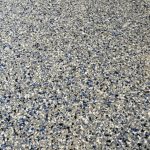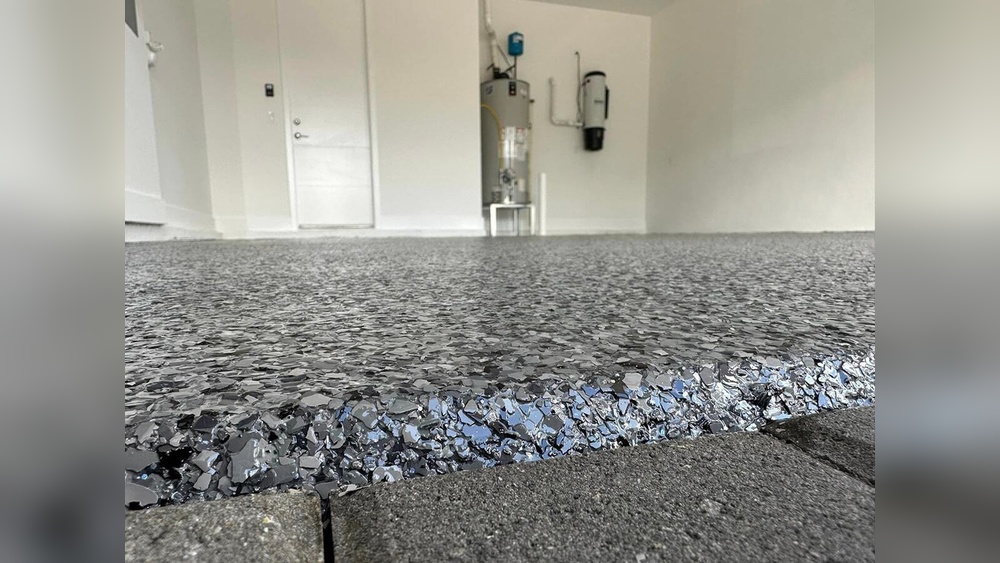

Are you tired of staring at that dull, cracked garage floor? Imagine stepping into a garage that not only looks great but also feels safer and more durable underfoot.
Textured garage floor paint could be exactly what your space needs to transform from ordinary to outstanding. This special coating adds grip, hides imperfections, and resists stains, making your garage cleaner and easier to maintain. Ready to discover how this simple upgrade can boost your garage’s style and function?
Keep reading to find out everything you need to know about textured garage floor paint and how it can change your space for the better.
Benefits Of Textured Garage Floors
Textured garage floors offer several advantages beyond just looks. They improve the garage’s function and safety. These floors resist wear and tear better than smooth surfaces. The texture adds grip, reducing slips and falls. Plus, they bring a fresh, stylish look to your garage space. Below are key benefits of textured garage floors.
Durability And Strength
Textured garage floors resist cracks and chips. The paint bonds tightly to concrete, creating a tough surface. This surface handles heavy tools, cars, and foot traffic well. It lasts longer than regular paint or bare concrete. This saves money on repairs and maintenance over time.
Slip Resistance
The textured finish offers better grip for shoes and tires. It lowers the chance of slipping, especially if floors get wet or oily. This safety boost is important in busy garages or workshops. It protects family members and visitors from accidents.
Aesthetic Appeal
Textured floors give garages a clean, finished look. The patterns and colors hide stains and dirt well. They brighten the space and make it more inviting. This upgrade adds value to your home by improving curb appeal.

Credit: www.garageflooringllc.com
Types Of Textured Floor Paints
Textured garage floor paints come in various types to suit different needs. Each type offers unique benefits for durability and appearance. Choosing the right paint depends on your garage’s use and environment.
Below are some common types of textured floor paints used for garage floors. These options vary in texture, finish, and resistance.
Epoxy-based Coatings
Epoxy coatings create a strong, durable surface. They bond tightly to concrete floors. This type resists stains, chemicals, and wear. Epoxy paints often include flakes or grit for texture. They are popular for heavy use areas. Application requires proper surface preparation.
Polyurethane Coatings
Polyurethane coatings offer flexibility and toughness. They resist scratches and UV damage well. This paint type maintains color without yellowing. Polyurethane is ideal for garages with sunlight exposure. It provides a smooth, glossy finish with texture options. It also handles temperature changes better than epoxy.
Acrylic And Latex Options
Acrylic and latex paints are easy to apply and fast drying. They work well for light to moderate traffic floors. These paints offer good color variety and texture. They are less durable than epoxy or polyurethane. However, they are budget-friendly and simple to maintain. Acrylic and latex paints are suitable for DIY projects.
Choosing The Right Paint For Your Garage
Choosing the right paint for your garage floor is key to a long-lasting finish. The paint must handle daily wear and tear. It also needs to suit the garage’s environment. Picking the wrong paint can lead to peeling, fading, or slipping. Understanding your garage’s needs helps you make a smart choice.
Considering Floor Condition
Check your garage floor for cracks or damage. Smooth floors need less preparation than rough ones. Old paint or sealant must be removed for better adhesion. A clean, dry surface lets the paint stick well. Repair damaged areas before applying paint.
Evaluating Traffic And Usage
Think about how often you use your garage. High traffic areas need tougher, more durable paint. Choose textured paint for better grip and safety. Consider if heavy vehicles or equipment will be parked inside. Strong, wear-resistant coatings protect the floor from damage.
Climate And Environmental Factors
Garage floors face different weather conditions. Hot or humid climates need paint that resists moisture and heat. Cold areas require paint that can handle freezing and thawing cycles. Consider ventilation and exposure to chemicals or spills. Select paint that suits your local climate for lasting results.
Credit: allgaragefloors.com
Preparation Steps Before Painting
Proper preparation is key to a long-lasting textured garage floor paint job. Skipping steps can lead to peeling or uneven surfaces. Follow each step carefully to ensure the paint bonds well and looks great.
Cleaning The Surface
Start by removing all dirt, dust, and grease from the floor. Use a strong broom or vacuum to clear loose debris. Next, scrub the surface with a heavy-duty cleaner. Rinse thoroughly with water and let it dry completely. A clean floor helps the paint stick better.
Repairing Cracks And Imperfections
Check the floor for cracks, holes, or rough spots. Fill cracks and holes with a concrete patch or epoxy filler. Smooth out the repaired areas with a trowel. Allow the patch to dry as per the product instructions. Fixing imperfections creates an even surface for painting.
Etching And Priming Concrete
Etching opens the concrete pores for better paint adhesion. Use a concrete etcher or muriatic acid solution carefully. Follow safety guidelines and rinse the floor well after etching. Once dry, apply a concrete primer suited for textured paint. Priming seals the surface and improves paint durability.
Applying Textured Garage Floor Paint
Applying textured garage floor paint transforms a plain concrete floor into a durable and slip-resistant surface. This process needs careful preparation and the right approach. Follow clear steps to achieve a professional look and lasting finish.
Tools And Equipment Needed
Gather essential tools before starting. You need a paint roller with a thick nap to hold the paint well. A paint tray helps control the amount of paint applied. Use painter’s tape to protect walls and edges. A mixing stick or drill mixer ensures paint blends evenly. Safety gear like gloves and goggles keeps you safe during application. Consider a floor scrubber or degreaser to clean the surface thoroughly.
Mixing And Application Techniques
Proper mixing ensures even color and texture. Stir the paint slowly to avoid bubbles. Follow manufacturer instructions on mixing time. Apply paint in small sections to maintain control. Use the roller to spread paint evenly across the floor. Roll in one direction first, then cross-roll for full coverage. Avoid thick layers to prevent peeling. Allow each coat to dry completely before applying the next.
Adding Texture For Grip
Add texture to prevent slipping on wet or oily floors. Mix anti-slip additives or sand into the paint before applying. Spread the paint with texture evenly to avoid clumps. You can sprinkle decorative chips over wet paint for extra grip and style. Check the floor’s texture by walking on it after drying. Adjust texture amount based on your preference for smoothness or roughness.
Curing And Maintenance Tips
Proper curing and regular maintenance keep your textured garage floor paint looking fresh and durable. These steps protect the surface and extend its lifespan. Follow simple tips to ensure your floor stays in top condition.
Curing Time And Conditions
Allow the paint to cure fully before walking on it. Most textured garage floor paints need 24 to 72 hours to cure. Keep the garage well-ventilated and maintain a temperature between 50°F and 85°F during curing. Avoid moisture or heavy traffic on the floor during this time. Proper curing ensures strong adhesion and durability.
Cleaning And Upkeep
Clean the floor regularly to remove dirt and debris. Use a soft broom or a vacuum for dry cleaning. For stains or spills, mop with mild soap and water. Avoid harsh chemicals or abrasive tools that can damage the paint. Quick cleanup prevents stains and keeps the texture intact. Regular upkeep helps maintain the floor’s appearance and slip resistance.
Touch-ups And Recoating
Inspect the floor for chips or worn areas periodically. Touch up small spots with matching paint to prevent further damage. If the floor shows heavy wear, consider recoating the entire surface. Clean and prepare the floor before applying a new coat. Recoating restores protection and refreshes the textured finish. Timely maintenance keeps your garage floor looking new longer.
Popular Products And Brands
Choosing the right textured garage floor paint can enhance your space’s durability and appearance. Many products and brands offer unique features suited to different needs. This section highlights popular options available in Austin, Texas.
Top Epoxy Paints In Austin, Texas
Epoxy paints provide a strong, glossy finish that lasts long. Brands like Rust-Oleum RockSolid and BEHR PREMIUM are well-known in Austin. They offer resistance to stains, chemicals, and wear. These paints also improve the floor’s appearance with a smooth, attractive look.
Non-slip Coatings
Safety is key in garage flooring. Non-slip coatings prevent slips and falls. SlipDoctors Dura Grip and Ultra Grip are popular choices. They add texture to the floor, creating a secure surface. These coatings work well in both wet and dry conditions.
Budget-friendly Options
Affordable garage floor paints do not mean low quality. Walmart’s Seal-Krete Epoxy-Seal offers good durability at a low price. Home Depot’s BEHR Granite Grip is another cost-effective choice with decorative texture. These products provide value without compromising protection.
Common Mistakes To Avoid
Applying textured garage floor paint can transform your space. Avoiding common mistakes ensures a smooth, lasting finish. Many issues arise from simple errors during preparation and application. Pay close attention to these key areas to get the best results.
Skipping Surface Preparation
Surface preparation is essential for paint to stick properly. Dirt, oil, and old paint reduce adhesion. Clean the floor thoroughly and repair cracks or holes. Use a degreaser and let the floor dry fully before painting. Skipping this step leads to peeling and uneven texture.
Incorrect Application
Applying paint too thick or too thin causes problems. Follow the manufacturer’s instructions carefully. Use the right tools, such as rollers designed for textured paint. Apply in thin, even coats and allow proper drying time between layers. Rushing this process results in bubbles or clumps.
Ignoring Safety Precautions
Garage floor paints often contain strong chemicals. Use gloves and a mask to protect your skin and lungs. Work in a well-ventilated area to avoid inhaling fumes. Keep pets and children away during and after application. Ignoring safety can cause health issues and accidents.
Diy Vs. Professional Installation
Choosing between DIY and professional installation for textured garage floor paint depends on several factors. Each method offers distinct advantages and challenges. Understanding cost, skills, and quality helps decide the best path for your project.
Cost Comparison
DIY installation often costs less upfront. You pay only for materials and tools. Professional services include labor fees, increasing total cost. Professionals may offer warranties, adding value. Consider budget and long-term savings before deciding.
Skill And Time Requirements
DIY requires basic painting skills and patience. Surface preparation is crucial and can be time-consuming. Mistakes may lead to uneven texture or peeling paint. Professionals have experience and tools to ensure smooth application. They complete the job faster and with fewer errors.
Quality And Longevity
Professional installation usually results in higher quality finish. Experts use commercial-grade products and techniques. Their work lasts longer and resists wear better. DIY projects can achieve good results but may lack durability. Proper preparation and application affect the lifespan significantly.
Enhancing Garage Floors With Color And Design
Enhancing garage floors with color and design transforms a plain space into a stylish area. Textured garage floor paint offers durability and visual appeal. It helps protect the concrete while adding personality to the garage. A well-chosen color and pattern can brighten the space and make it inviting. Homeowners can create a unique look that reflects their taste and style.
Color Choices And Effects
Color selection plays a key role in garage floor design. Light colors make the area look larger and cleaner. Dark colors hide dirt and stains better. Neutral tones blend well with most vehicles and tools. Bright colors add energy and vibrancy to the space. Matte finishes reduce glare and provide a smooth look. Glossy finishes create a shiny, polished effect. Choosing the right shade influences mood and functionality.
Patterns And Finishes
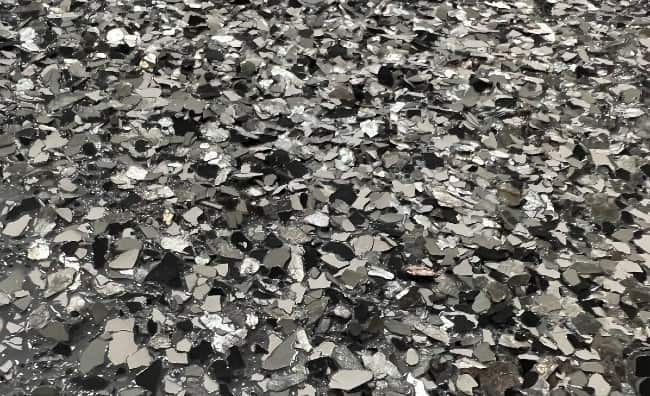
Patterns bring life to textured garage floors. Popular options include speckled, flaked, and marbled effects. Speckled designs hide imperfections and dirt well. Flaked finishes add depth and texture to the surface. Marbled patterns offer a sophisticated, elegant appearance. Finishes can vary from smooth to highly textured. Textured finishes improve traction and safety. Combining patterns and finishes enhances both beauty and utility.
Personalizing Your Space
Customizing garage floors makes the space truly your own. Adding logos, stripes, or borders creates a distinct look. Color blocking can define different zones in the garage. Using colors that match your car or hobbies adds personal touch. Small details like metallic flakes give a modern feel. Personalization boosts pride and enjoyment of the garage. It turns a simple floor into a statement piece.

Credit: store.southernpaintandsupply.com
Frequently Asked Questions
What Is The Best Paint For A Garage Floor?
The best paint for a garage floor is epoxy paint. It offers durability, chemical resistance, and a sleek finish. Choose textured epoxy for slip resistance and long-lasting protection. Brands like Rust-Oleum and BEHR provide quality garage floor coatings ideal for concrete surfaces.
What Is Textured Concrete Paint?
Textured concrete paint adds a rough, non-slip finish to concrete surfaces. It enhances durability and improves safety. This paint resists wear, weather, and stains, making it ideal for garages, patios, and walkways. Its textured finish hides imperfections and boosts aesthetic appeal.
Can Epoxy Floors Be Textured?
Epoxy floors can be textured by adding aggregates or using special rollers during application. Textured epoxy improves slip resistance and enhances durability.
Is There A Garage Floor Paint?
Yes, garage floor paint exists. Epoxy and concrete floor coatings protect and enhance garage floors. They offer durability and slip resistance.
Conclusion
Textured garage floor paint improves safety and appearance instantly. It resists slips and hides stains well. Applying it is simple with the right tools and prep. This paint lasts long and handles heavy use. Choose a color and texture that fits your style.
Your garage can look clean, neat, and inviting. A well-painted floor also adds value to your home. Start your project soon and enjoy a safer garage space.