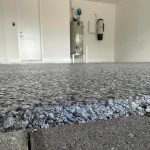

Are you tired of slippery, dull floors that just don’t hold up? Textured floor coating could be the solution you’ve been searching for.
It not only adds a stylish look to your space but also improves safety by providing a non-slip surface. Imagine walking confidently on floors that resist wear, stains, and damage while enhancing your home or business’s appeal. You’ll discover how textured floor coatings work, their key benefits, and why they might be the perfect upgrade for your floors.
Keep reading to find out how to transform your floors into something both beautiful and practical.
Benefits Of Textured Floor Coatings
Textured floor coatings offer several practical benefits for residential and commercial spaces. They improve the floor’s strength and safety while enhancing its look. These coatings create a surface that withstands wear and tear.
By adding texture, floors become less slippery and easier to maintain. This makes them ideal for busy areas and places prone to moisture. The following sections explain the main advantages of textured floor coatings.
Enhanced Durability
Textured floor coatings protect floors from scratches and damage. They add a tough layer that resists heavy foot traffic and equipment use. This extends the floor’s lifespan and reduces repair costs. The coating also guards against stains and impacts.
Slip Resistance
The textured surface improves grip and reduces slipping risks. It helps prevent accidents in wet or oily conditions. This safety feature is useful in homes, offices, and industrial spaces. A non-slip floor provides peace of mind for everyone.
Aesthetic Appeal
These coatings come in various colors and patterns. They enhance the floor’s appearance by adding depth and character. Textured floors can match different design styles and settings. They offer a fresh and clean look that lasts.
Easy Maintenance
Textured coatings simplify cleaning and upkeep. Dust and dirt do not stick easily to the surface. Regular sweeping and mopping keep the floor looking new. The coating also resists stains, making spills easier to remove.
Popular Textured Coating Types
Textured floor coatings improve safety and style in various spaces. These coatings add grip and protect surfaces from wear. Different types suit different needs and budgets. Here are popular textured coating types used today.
Epoxy Coatings
Epoxy coatings are tough and durable. They bond strongly with concrete floors. Epoxy offers a smooth, shiny finish or textured surface. It resists chemicals, stains, and heavy foot traffic. Ideal for garages, warehouses, and industrial areas.
Polyurea Coatings
Polyurea coatings dry fast and last long. They provide excellent flexibility and impact resistance. This coating handles temperature changes well. Polyurea is perfect for outdoor surfaces or places with heavy use. It also offers strong protection against moisture.
Polyaspartic Coatings
Polyaspartic coatings cure quickly, allowing fast project completion. They resist UV light and maintain color over time. This coating is easy to apply and clean. Great for commercial spaces and decorative flooring. It combines durability with aesthetic appeal.
Water-based Options
Water-based textured coatings are eco-friendly and low in odor. They dry faster than traditional paints. These coatings are safe for indoor use and easy to maintain. Suitable for patios, walkways, and residential floors. They offer moderate durability and good grip.
Surface Preparation Tips
Proper surface preparation is vital for a durable and attractive textured floor coating. It ensures the coating adheres well and lasts longer. Skipping steps can lead to peeling or bubbling. Follow these key preparation tips for the best results.
Cleaning And Degreasing
Start by removing dirt, dust, and debris from the floor. Use a broom or vacuum to clear loose particles. Next, apply a degreaser to eliminate oils and grease spots. Scrub stubborn stains with a stiff brush. Rinse the surface thoroughly and let it dry completely before coating.
Repairing Cracks And Imperfections
Inspect the floor for cracks, holes, or uneven areas. Fill cracks with a suitable concrete patching compound. Smooth the surface with a trowel to create an even finish. Allow repairs to dry fully according to the product instructions. This step prevents coating damage and improves appearance.
Etching Concrete Surfaces
Etching opens the pores of concrete for better coating adhesion. Use a mild acid solution or a commercial concrete etcher. Apply evenly with a sprayer or brush, following safety guidelines. After etching, rinse the floor well and allow it to dry. This process creates a rough texture that helps the coating stick.
Moisture Testing
Check for moisture trapped under the concrete surface. High moisture levels can cause coating failure. Use a moisture meter or tape a plastic sheet to the floor for 24 hours. If condensation appears under the sheet, moisture is present. Address moisture issues before applying the coating to ensure durability.
Credit: armorgarage.com
Application Techniques
Applying textured floor coating needs care and the right methods. Proper application improves floor durability and appearance. Different techniques suit various project sizes and surfaces. Understanding these methods helps achieve a strong, even finish.
Using Rollers And Brushes
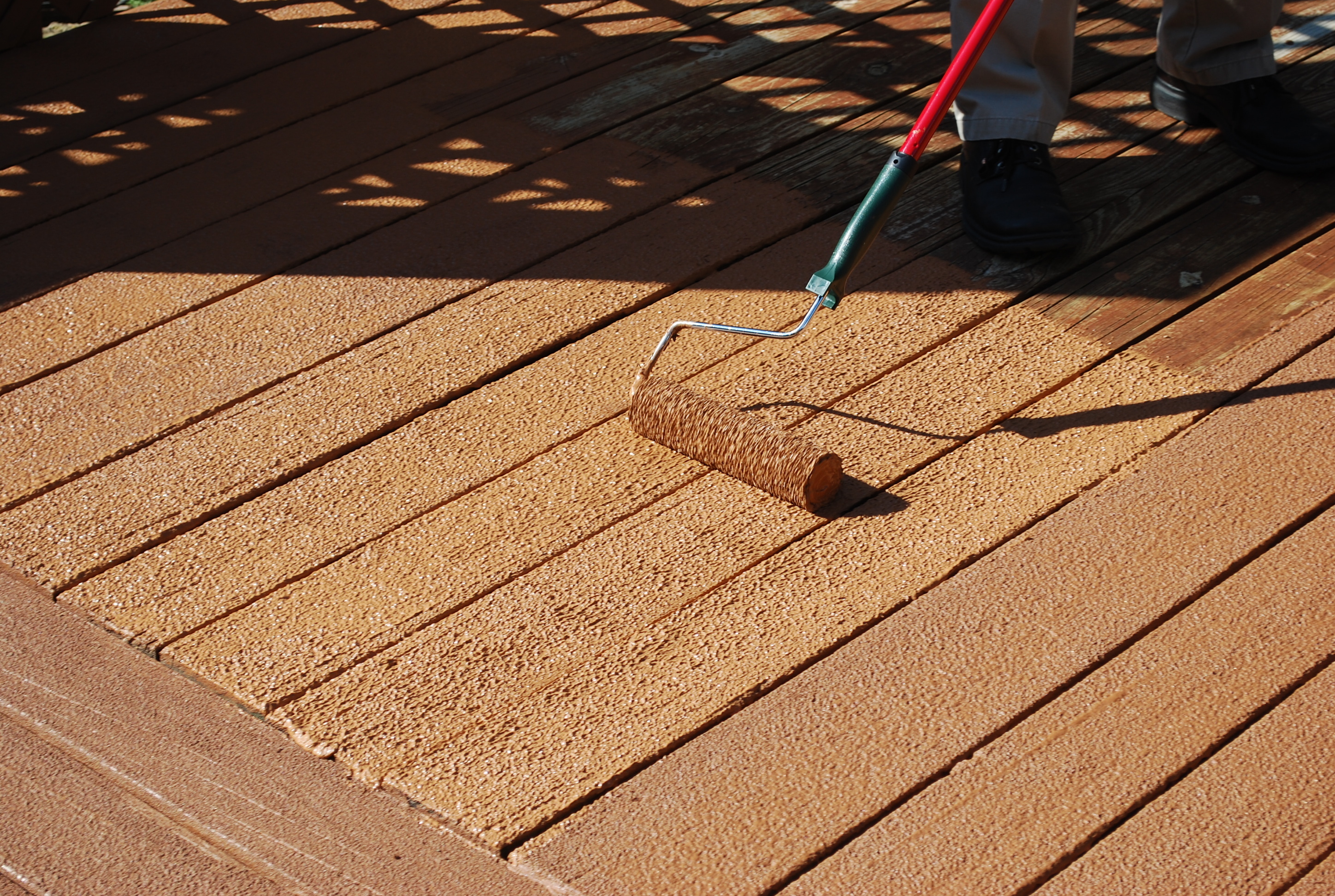
Rollers spread coating evenly on flat floors. Use a roller with medium to thick nap for texture. Brushes help reach corners and edges. Apply coating in thin, consistent layers to avoid lumps. Work quickly before the coating starts to set.
Spray Application Methods
Spraying covers large areas fast and smoothly. Use airless sprayers for thick coatings without clogs. Hold the sprayer steady and move in slow, even strokes. Overlapping passes prevent streaks or missed spots. Spray outdoors or in well-ventilated spaces to avoid fumes.
Incorporating Decorative Flakes Or Sand
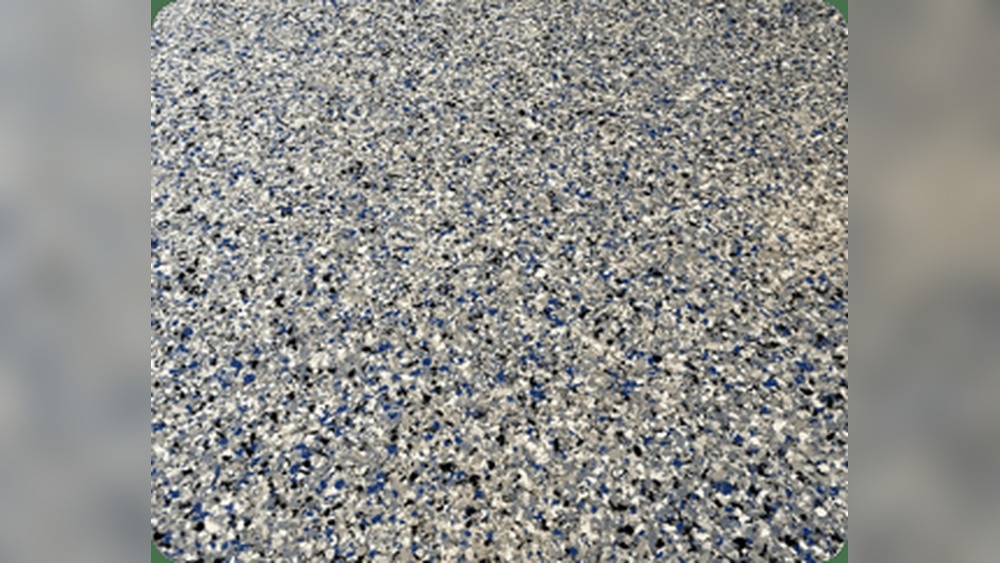
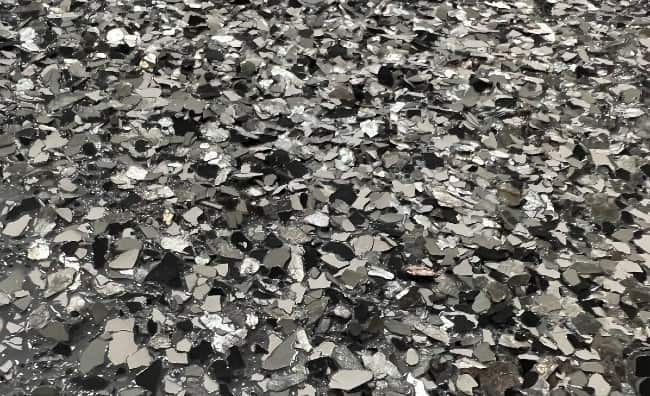
Add flakes or sand for extra grip and style. Broadcast flakes while coating is wet for better adhesion. Spread flakes evenly to avoid clumps or bare spots. Sand increases traction on slippery floors. Sweep off loose particles after coating dries.
Curing And Drying Times
Let floors dry fully before use for best strength. Drying times vary by coating type and weather conditions. Warmer, dry weather speeds curing; cold or humid slows it. Avoid heavy traffic or moisture until coating cures completely. Follow manufacturer guidelines for exact times.
Maintenance And Longevity
Textured floor coatings add beauty and safety to floors. Proper care keeps them looking good and lasting long. Maintenance is simple but important. It protects the floor from wear and damage. Following easy steps helps extend the life of your textured floor coating. This section covers key tips to keep your floor strong and fresh.
Regular Cleaning Practices
Clean floors often to remove dirt and dust. Use a soft broom or vacuum for dry cleaning. Mop with mild soap and water for deeper cleaning. Avoid harsh chemicals that can harm the coating. Dry the floor fully after washing. Regular cleaning prevents grime buildup and keeps texture clear.
Repairing Wear And Damage
Check your floor for chips or scratches regularly. Small cracks can spread if left alone. Use repair kits made for textured coatings to fix damage. Follow product instructions carefully for best results. Repairing early stops bigger problems and saves money. Keep the floor safe and looking new.
Reapplying Coatings
Over time, coatings may fade or lose grip. Plan to reapply the coating every few years. Clean the floor well before applying a new layer. Use the same type of coating for best adhesion. Recoating restores texture and protects the floor. It also improves slip resistance and appearance.
Preventing Common Issues
Place mats at entrances to reduce dirt and water. Avoid dragging heavy furniture across the floor. Use soft pads under furniture legs to prevent scratches. Keep spills cleaned quickly to avoid stains. Follow these tips to prevent damage and maintain floor quality. Good habits help keep your textured floor durable and attractive.
Credit: www.rustoleum.com
Choosing The Right Coating For Austin Floors
Choosing the right textured floor coating in Austin requires careful thought. The city’s weather, floor location, and budget all influence the best choice. Each factor affects durability, safety, and appearance. Understanding these can help you pick the perfect coating for your floors.
Climate Considerations
Austin has hot summers and mild winters. Floor coatings must resist heat and sun damage. Some coatings handle UV rays better than others. Moisture from occasional rains also affects coating longevity. Choose coatings that withstand temperature changes and moisture well.
Indoor Vs Outdoor Applications
Indoor floors need coatings that are smooth and easy to clean. Outdoor floors require more texture for slip resistance. Outdoor coatings must resist weather and fading. Indoor coatings focus more on appearance and comfort. Select coatings designed for the floor’s exact location.
Budget And Performance Needs
High-performance coatings usually cost more but last longer. Lower-cost options might need frequent repairs. Balance cost with how much wear the floor will face. Consider how long you want the coating to last. Choose a coating that fits both your budget and needs.
Local Contractor Recommendations
Local experts know which coatings work best in Austin. They understand the city’s climate and common floor types. Ask contractors for their preferred brands and solutions. Hiring experienced professionals ensures proper application. This helps the coating perform well over time.
Diy Vs Professional Installation
Choosing between DIY and professional installation for textured floor coating can affect your results, budget, and time. Both options have benefits and challenges. Understanding these can help you decide the best approach for your project.
Pros And Cons Of Diy
Doing the textured floor coating yourself can save money on labor. You control the schedule and work at your own pace. Many DIY kits come with instructions and materials needed. On the downside, mistakes can be costly and hard to fix. DIY requires time, effort, and some skill. Improper application may lead to peeling or uneven texture. Also, preparation and cleanup can be messy and tiring.
When To Hire Experts
Professionals bring experience and skill to ensure a high-quality finish. They know how to prepare surfaces properly for better adhesion. Experts use professional tools and products that last longer. Hiring professionals is wise for large or complex areas. They handle safety and reduce risks of errors. If you want quick and durable results, experts are the right choice.
Cost Comparisons
DIY kits usually cost less upfront, but costs can add up with tools and mistakes. Professional installation costs more initially but often includes all materials and labor. Professionals may finish the job faster, saving time. Long-term, professional work can reduce repair costs. Consider both short-term savings and long-term value before deciding.
Safety Precautions
Textured floor coating involves chemicals that need careful handling. Always wear gloves, masks, and eye protection during application. Ensure good ventilation in the work area. Professionals follow strict safety guidelines and have proper equipment. DIYers must read product labels and instructions carefully. Taking safety seriously prevents accidents and health issues.
Credit: allgaragefloors.com
Trends In Textured Floor Coatings
Textured floor coatings continue to evolve, offering new features and styles. These coatings improve safety, durability, and aesthetics in homes and businesses. Advances in technology and materials create exciting possibilities for floors. Trends focus on innovation, sustainability, customization, and smart features. Understanding these trends helps choose the best floor coating for any space.
Innovative Materials
New materials enhance floor coating strength and texture. Advanced polymers and composites increase resistance to wear and tear. These materials provide better grip and slip resistance. Some coatings include additives to resist stains and chemicals. This innovation makes floors safer and longer-lasting.
Eco-friendly Options
Environmentally friendly coatings reduce harmful chemicals and waste. Water-based and low-VOC products protect indoor air quality. Recycled materials are now common in textured coatings. These options meet rising demand for green building solutions. Choosing eco-friendly coatings supports a healthier planet.
Custom Color And Texture Designs
Personalized floors allow unique color blends and patterns. Textures range from subtle sand-like finishes to bold geometric shapes. Customization lets homeowners and businesses express style and brand. Advances in mixing technology enable precise color matching. These designs add personality and visual interest to any floor.
Smart Flooring Solutions
Smart coatings integrate sensors for monitoring floor conditions. They detect moisture, temperature, or wear and send alerts. This technology helps maintain safety and schedule timely repairs. Some smart floors adjust grip based on surface moisture. These intelligent systems improve floor performance and management.
Frequently Asked Questions
Can Epoxy Floors Be Textured?
Yes, epoxy floors can be textured to improve slip resistance and add visual appeal. Textured coatings use additives like sand or flakes. This customization suits garages, commercial spaces, and homes, enhancing safety while maintaining durability and style.
What Is The Downside Of Epoxy Flooring?
Epoxy flooring can be slippery when wet and may yellow over time. It also requires professional installation and can crack on uneven surfaces.
What Is Floortex Floor Coating?
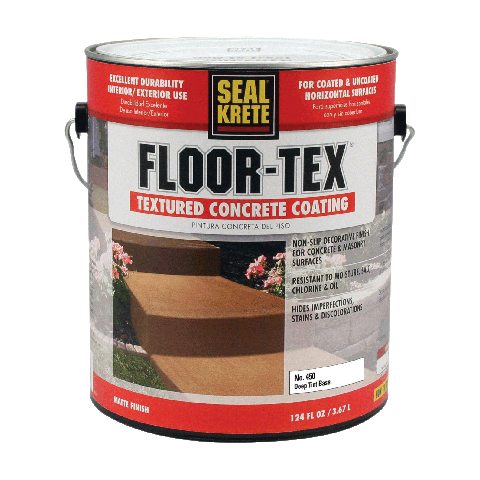
Floortex floor coating is a durable, textured epoxy or polyurethane finish that protects and enhances floors. It offers slip resistance and long-lasting wear.
Is It Cheaper To Tile Or Epoxy A Floor?
Epoxy flooring generally costs less than tile installation. Epoxy requires less labor and materials, making it more budget-friendly for large areas.
Conclusion
Textured floor coating adds safety and style to any space. It prevents slips and hides floor imperfections well. Easy to clean and durable, it suits homes and businesses. Choose the right texture and color for your needs. Proper installation ensures long-lasting performance and looks.
This flooring option offers both function and visual appeal. Consider textured coatings to improve your floors today.