
Have you ever stepped into a bathroom and immediately felt something was off? Maybe the space feels cramped, the layout is confusing, or the fixtures just don’t work well together.
Poor bathroom design isn’t just an eyesore—it can make your daily routines frustrating and uncomfortable. If your bathroom leaves you feeling this way, you’re not alone. You’ll discover the most common design mistakes that could be holding your bathroom back and learn practical tips to fix them.
Keep reading to transform your bathroom from a source of stress into a space you actually enjoy.
Common Layout Errors
Poor bathroom design often results from common layout errors. These mistakes make the space less functional and uncomfortable. Understanding these errors helps improve bathroom planning and avoid costly fixes.
Inefficient Space Use
Bathrooms often waste space with poor planning. Too much empty area or cramped corners reduce usability. Designers must balance open space and necessary fixtures.
Small bathrooms especially suffer from inefficient layouts. Unused corners or awkward gaps limit movement. Proper measurements and smart storage solutions optimize space.
Poor Fixture Placement
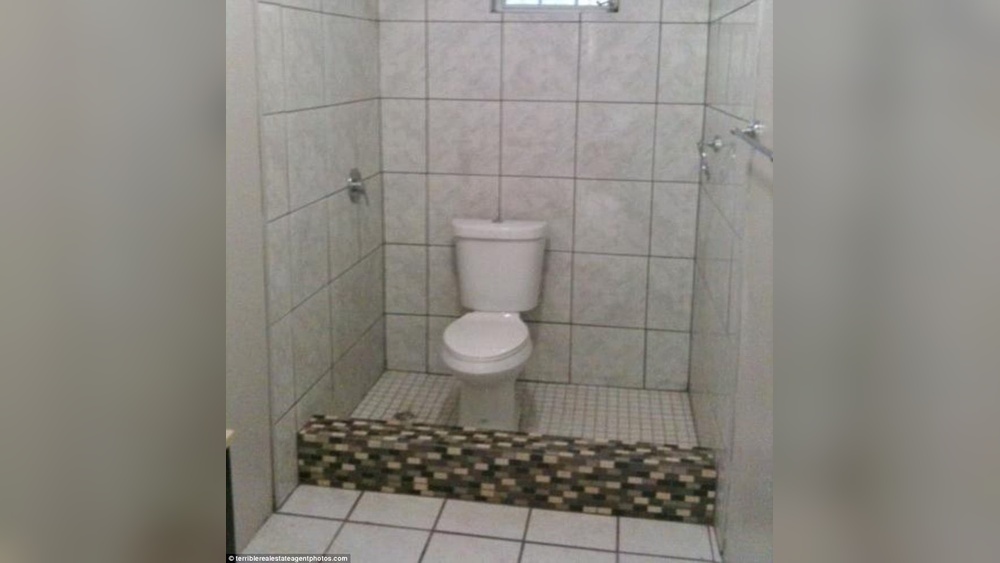
Fixtures placed without thought cause inconvenience. Toilets too close to walls or sinks block access. Showers with narrow entrances make bathing difficult.
Good design places fixtures for easy use and cleaning. Clear pathways between elements enhance comfort. Avoid placing fixtures opposite doors or in tight spots.
Inadequate Ventilation
Bathrooms need proper ventilation to prevent moisture buildup. Poor airflow leads to mold, mildew, and bad smells. Windows or exhaust fans improve air circulation.
Many bathrooms lack effective vents or have blocked ducts. This damages walls and ceilings over time. Installing a good ventilation system protects the room’s structure.
Lighting And Ventilation Issues
Lighting and ventilation play key roles in bathroom comfort and hygiene. Poor choices in these areas often lead to dark, stuffy spaces. Such bathrooms feel cramped and uninviting. They can also cause mold growth and bad odors. Addressing lighting and airflow issues improves both style and health in a bathroom.
Overlooking Natural Light
Many bathrooms lack windows or have small ones. This limits sunlight from entering the room. Natural light makes spaces look larger and cleaner. Without it, bathrooms feel gloomy and closed in. Proper window placement or skylights can brighten the space naturally. Ignoring natural light reduces the bathroom’s appeal and freshness.
Insufficient Artificial Lighting
Relying on a single overhead light is a common mistake. It creates shadows and uneven brightness. Bathrooms need layered lighting for tasks like shaving or makeup. Vanity lights and recessed lighting add clarity and style. Poor lighting strains the eyes and reduces safety. Good artificial lighting transforms the bathroom experience.
Lack Of Proper Airflow
Bathrooms without good ventilation trap moisture and odors. This leads to mold, mildew, and unpleasant smells. A strong exhaust fan or operable window helps remove damp air. Proper airflow keeps surfaces dry and the room fresh. Neglecting ventilation causes damage and discomfort over time.
Material And Fixture Choices
Choosing the right materials and fixtures plays a big role in bathroom design. Poor choices can lead to quick wear, awkward looks, and costly repairs. This section highlights common mistakes in material and fixture selection that harm bathroom functionality and style.
Using Low-quality Materials
Low-quality materials often look cheap and wear out fast. They can stain, chip, or fade after little use. This causes extra cleaning and early replacement. Avoid materials that do not stand water and moisture well. Good materials protect your bathroom and save money over time.
Ignoring Durability
Durability matters in a bathroom where water and steam are constant. Materials that absorb water or rust easily will fail quickly. Durable options like ceramic tiles and stainless steel fixtures last longer. Durable materials keep your bathroom safe and attractive for years.
Mismatched Fixtures
Fixtures that do not match create a confusing, unplanned look. Mixing modern and old styles can make a bathroom feel chaotic. Matching finishes and styles bring harmony and style. Coordinated fixtures improve the room’s flow and appeal.

Credit: www.reddit.com
Storage And Organization Mistakes
Storage and organization are key to a functional bathroom. Poor design often causes frustration and wasted space. Many bathrooms lack proper storage, leading to clutter and mess. Simple mistakes can make daily routines harder and reduce comfort.
Limited Storage Options
Bathrooms often have few places to store essentials. Cabinets may be too small or missing altogether. Without enough shelves or drawers, items pile up. This creates disorder and makes it hard to find what you need. Proper storage helps keep the bathroom tidy and efficient.
Cluttered Countertops
Counters become dumping grounds for toiletries and cleaning supplies. This leaves little room for daily tasks. Crowded surfaces look messy and feel cramped. Clear counters improve both appearance and ease of use. Organizers and trays can help keep items in place.
Unreachable Storage Spaces
Some bathrooms have shelves or cabinets placed too high or deep. These spots are difficult to reach and often ignored. Important items stay out of sight and out of mind. Storage should be easy to access for all users. This prevents wasted space and improves convenience.
Accessibility And Safety Flaws
Accessibility and safety are crucial in bathroom design. Poor planning often leads to hazards and discomfort. Many bathrooms overlook these key aspects, making daily use difficult and risky. This section highlights common accessibility and safety flaws found in poorly designed bathrooms.
Ignoring Universal Design
Universal design means creating spaces for everyone, including people with disabilities. Ignoring this principle limits bathroom access. Narrow doorways and high sinks exclude some users. Lack of space for wheelchairs causes inconvenience and danger. Bathrooms must accommodate all ages and abilities for true safety.
Slippery Flooring
Wet floors cause many bathroom accidents. Smooth tiles without texture become slippery when wet. This increases the risk of falls and injuries. Using non-slip materials or textured tiles improves safety. Mats can help but must be secure to prevent tripping. Proper floor choice is essential for accident prevention.
Poorly Placed Grab Bars
Grab bars support balance and prevent falls. Incorrect placement makes them useless or dangerous. Bars should be within easy reach near toilets and showers. Installing them too high or too low defeats their purpose. Proper placement ensures users can steady themselves confidently and safely.
Costly Renovation Pitfalls
Renovating a bathroom often brings unexpected costs. Poor design choices can lead to expensive mistakes. These pitfalls drain your budget fast. Knowing common costly errors helps you avoid overspending. Careful planning and smart decisions save money and stress.
Unnecessary Plumbing Changes
Moving pipes or fixtures adds high costs. Plumbing changes require extra labor and materials. Old homes may need updated plumbing systems. Avoid shifting toilets, sinks, or showers if possible. Keeping existing plumbing saves thousands on your project.
Overcustomizing Small Spaces
Small bathrooms demand simple, efficient designs. Overcustomizing can waste space and money. Custom cabinets and fixtures often cost much more. Choose standard sizes and styles for better value. A cluttered bathroom feels cramped and less functional.
Neglecting Budget Planning
Skipping a clear budget causes overspending. Unexpected expenses can ruin your renovation plan. List all costs, including materials, labor, and permits. Set aside a buffer for surprises. Regularly review your spending to stay on track.
Tips For Better Bathroom Design
Improving bathroom design starts with smart choices. Small changes can make the space more functional and pleasant. Paying attention to layout, materials, lighting, and storage helps avoid common design mistakes. Here are practical tips to create a better bathroom environment.
Maximizing Layout Efficiency
Place fixtures to allow easy movement. Keep the toilet, sink, and shower in a logical order. Avoid blocking doors or windows with large items. Use corners for sinks or storage to save space. Plan for enough clearance around each fixture.
Choosing Durable Materials
Select materials that resist moisture and wear. Porcelain tiles and ceramic are strong and easy to clean. Avoid materials that stain or peel quickly. Use water-resistant paint on walls and ceilings. Durable materials reduce maintenance and keep the bathroom looking fresh.
Incorporating Adequate Lighting
Use bright lighting near mirrors for grooming tasks. Combine overhead lights with wall sconces for balanced illumination. Include natural light if possible with windows or skylights. Avoid harsh shadows by placing lights at multiple angles. Good lighting improves safety and mood.
Prioritizing Storage Solutions
Install shelves and cabinets to keep items organized. Use vertical space for towel racks and hooks. Choose vanity units with drawers or cupboards. Clear counters help maintain a tidy look. Proper storage reduces clutter and makes the bathroom easier to use.

Credit: www.reddit.com
Useful Bathroom Design Tools
Designing a bathroom can be tricky without the right tools. Useful bathroom design tools help plan space, layout, and style. They save time and reduce costly mistakes. These tools make it easier to visualize ideas before starting any work. They suit beginners and experienced designers alike.
Free Design Apps
Free design apps offer simple ways to create bathroom layouts. Most apps let you drag and drop fixtures like sinks, toilets, and showers. You can try different styles and colors in real time. These apps often include measurement guides to keep your design accurate. They work well on phones, tablets, or computers.
Planning With Online Planners
Online planners provide detailed options for bathroom design. They allow you to enter exact room dimensions and plan fixtures precisely. Some planners suggest design ideas based on your preferences. They help balance function and style within your available space. Online planners also let you save and share your designs easily.
Using Virtual Layout Simulators
Virtual layout simulators show your bathroom in 3D before any changes. You can walk through the space virtually and see how everything fits together. These simulators help spot design flaws early on. They give a realistic view of lighting, colors, and materials. This tool reduces surprises and boosts confidence in your choices.

Credit: www.reddit.com
Frequently Asked Questions
What Is The Golden Rule For Bathroom Layouts?
The golden rule for bathroom layouts ensures clear zones for wet and dry areas, efficient plumbing placement, and easy movement. Prioritize functional flow and space to enhance comfort and usability.
Is $10,000 Enough For A Bathroom Remodel?
Yes, $10,000 can cover a basic bathroom remodel. Focus on updating fixtures, surfaces, and paint while keeping plumbing unchanged to save costs.
What Are The Unspoken Rules Of The Bathroom?
Respect privacy by avoiding eye contact and conversation. Keep noise minimal and clean up after yourself. Use only one stall at a time. Avoid lingering or using phones. Always wash your hands thoroughly before leaving.
Is There A Free App To Design A Bathroom?
Yes, free apps like SketchUp, Roomstyler, and Planner 5D let you design bathrooms easily with customizable features.
Conclusion
Poor bathroom design causes frustration and wastes space. Simple fixes improve comfort and usability instantly. Good planning saves money and avoids costly mistakes. Choose practical layouts and durable materials for lasting results. Small changes often make a big difference. A well-designed bathroom feels clean and inviting every day.
Take time to think through your needs carefully. Avoid common design errors to enjoy a better space. Good design supports daily routines with ease and style.