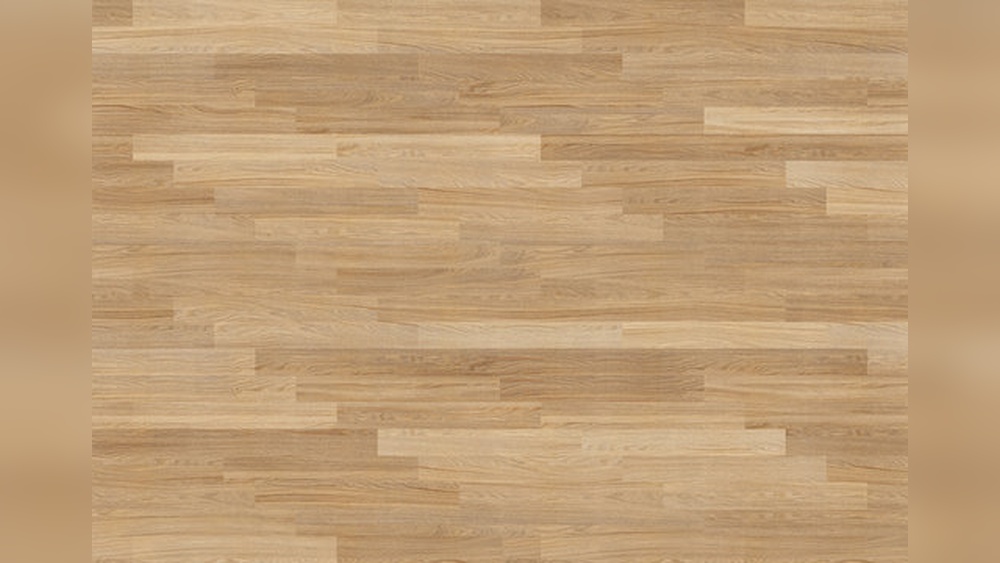

When it comes to flooring, the texture you choose can transform the entire feel of your space. Imagine a floor that flows effortlessly from corner to corner, without any visible breaks or seams interrupting the surface.
That’s the magic of flooring seamless texture. If you’re looking to create a sleek, modern look that makes your rooms appear larger and more inviting, seamless flooring could be exactly what you need. Whether you’re updating your home or designing a commercial space in Austin, Texas, understanding the benefits and options for seamless textures will help you make the best choice for your style and functionality.
Keep reading to discover how seamless flooring textures work, why they’re gaining popularity, and how you can bring that flawless finish into your own space.
Benefits Of Seamless Flooring
Seamless flooring offers many advantages for both homes and commercial spaces. It creates a smooth, continuous surface without visible joints or breaks. This type of flooring improves the overall look and feel of any room. It also provides practical benefits that make it a smart choice for various settings.
Visual Impact And Space Enhancement
Seamless floors create a clean and modern appearance. The absence of grout lines or seams allows the floor to look uniform and polished. This effect makes rooms feel larger and more open. Light reflects evenly across the surface, brightening the entire space. It works well in small rooms that need a sense of openness.
Durability And Maintenance
Seamless flooring is tough and long-lasting. It resists cracks and chips better than traditional tiled floors. Without joints, dirt and moisture have fewer places to hide. Cleaning becomes easier and faster. This type of floor needs less repair and stays attractive for years. It suits busy areas that require strong surfaces.
Versatility In Design
Seamless floors come in many colors and finishes. They can mimic wood, stone, or concrete textures. This variety allows for unique and creative designs. The smooth surface can be shaped to fit any room size or style. It suits modern, rustic, or industrial interiors equally well. Customization options make seamless flooring ideal for many tastes.
Credit: architextures.org
Materials For Seamless Floors
Seamless floors provide a smooth, continuous surface without visible joints. They create an elegant and clean look in any space. Selecting the right material is essential for durability, style, and maintenance. Different materials offer unique textures and benefits suitable for various environments.
Resin And Epoxy Options
Resin and epoxy floors form a hard, glossy surface. They resist stains, chemicals, and wear. These floors are easy to clean and maintain. Epoxy coatings bond tightly to concrete, creating a long-lasting finish. Resin floors also allow for creative designs and colors. Ideal for commercial and industrial spaces, they offer a modern look.
Ceramic And Porcelain Choices
Ceramic and porcelain tiles create seamless floors with minimal grout lines. These materials are strong and water-resistant. Their smooth finish makes cleaning simple and quick. Porcelain tiles are denser and more durable than ceramic ones. Both options come in many styles and textures. Perfect for kitchens and bathrooms, they combine beauty with function.
Pvc And Vinyl Alternatives
PVC and vinyl floors offer flexibility and comfort underfoot. These materials come in sheets or tiles that fit tightly together. They provide seamless appearance with good water resistance. Vinyl floors are affordable and easy to install. They also come in many colors and patterns. Suitable for homes and offices, they blend style with practicality.
Popular Seamless Floor Textures
Seamless floor textures create smooth, continuous surfaces without visible joints. They enhance any space by making floors look larger and cleaner. Popular seamless floor textures offer various styles to match different interiors. Below are some favored options that blend beauty and function.
Wood And Parquet Patterns
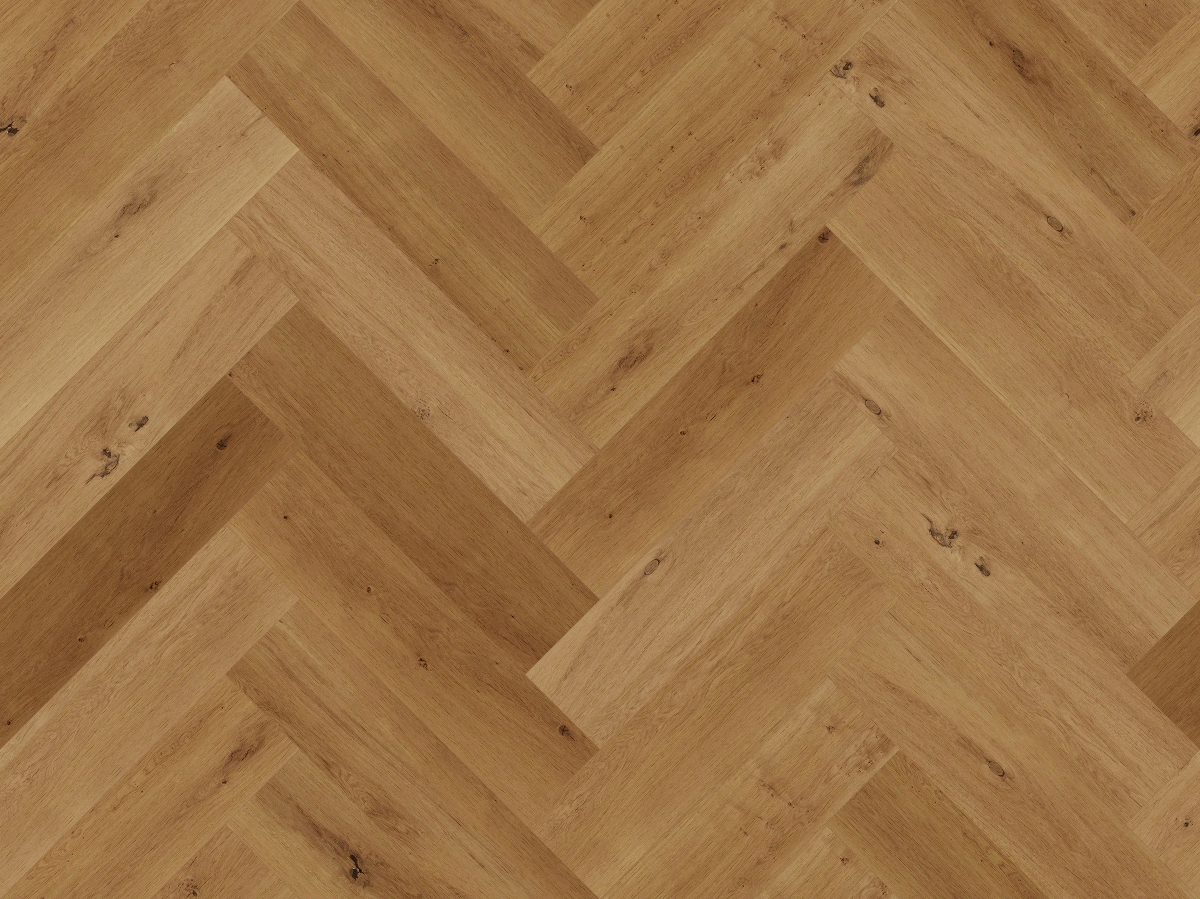
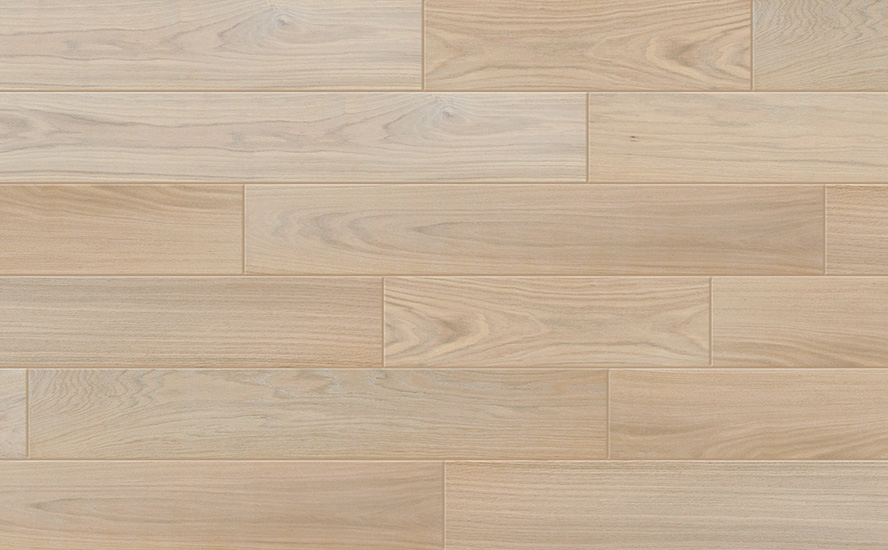
Wood and parquet textures bring warmth and charm to floors. These patterns mimic natural wooden planks or intricate parquet designs. They add a classic look without gaps or breaks. Oak, walnut, and maple tones are common choices. These seamless textures suit living rooms and offices well.
Stone And Natural Finishes
Stone textures replicate marble, granite, or slate surfaces. These natural finishes add elegance and strength to floors. Smooth transitions between tiles create a flawless look. Shades range from light beige to dark gray. Such textures fit kitchens, bathrooms, and entryways perfectly.
Modern Abstract Textures
Abstract textures offer unique and artistic floor designs. They include geometric shapes, swirls, or random patterns. These modern styles add personality and depth to any room. Colors vary from soft neutrals to bold contrasts. Ideal for creative spaces and contemporary homes.
Credit: johnsonhardwood.com
Creating Seamless Textures
Creating seamless textures is essential for realistic flooring designs. These textures allow floors to repeat without visible edges or breaks. This creates a smooth, continuous look that enhances any space.
To achieve seamless textures, both photography and digital methods play key roles. Careful attention to detail ensures each tile matches perfectly. This section explores techniques and tools to create flawless flooring textures.
Photography Techniques
Start with even lighting to avoid shadows and highlights. Use a tripod to keep the camera steady. Capture the texture straight on to reduce distortion. Take multiple shots to cover the entire surface. Focus on details like grain and color for realism.
Digital Tools And Software
Software like Photoshop helps blend edges smoothly. Use the offset filter to check tile borders. Clone stamp and healing brush fix visible seams. Adjust colors to keep texture uniform. Export textures in high resolution for best results.
Tips For Perfect Tiling
Match patterns carefully at the edges. Avoid repeating obvious shapes or marks. Test tiles by placing several side-by-side. Adjust brightness and contrast for consistency. Keep file sizes manageable for faster loading.
Installation Process
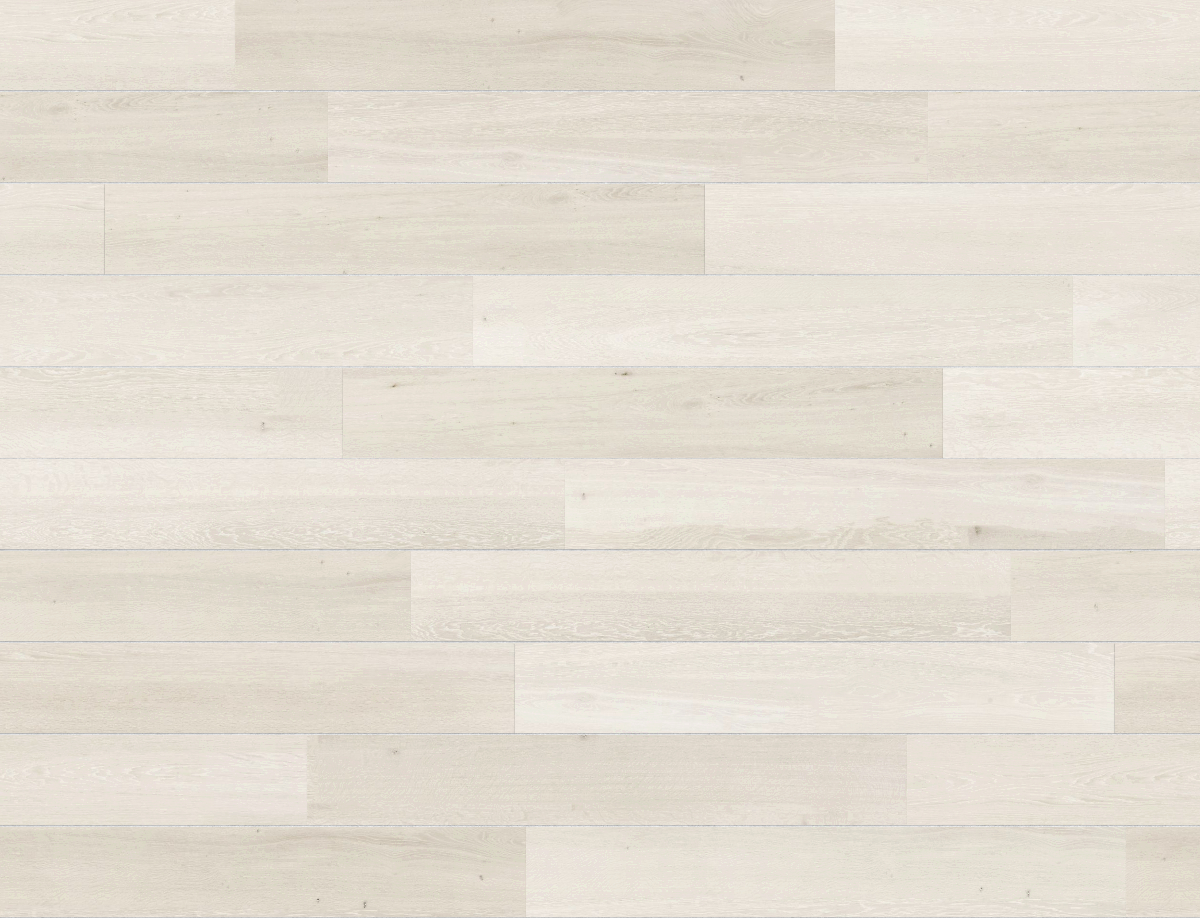
The installation process of flooring seamless texture requires careful attention. Each step ensures a smooth and durable surface. Proper execution improves both the look and longevity of the floor. This section explains the main stages involved.
Surface Preparation
Preparing the surface is the first and most crucial step. The floor must be clean, dry, and free of dust or grease. Any cracks or holes need to be filled and leveled. A smooth and even base allows the seamless texture to adhere properly. This step prevents future issues like bubbling or peeling.
Application Methods
Applying the seamless texture involves spreading the material evenly. Common methods include troweling, rolling, or spraying, depending on the product used. The installer works carefully to avoid lines or marks. Achieving a uniform layer is key to the seamless effect. Multiple coats may be necessary for the best coverage.
Curing And Finishing
After application, the floor must cure fully. This process allows the material to harden and bond with the base. Curing time varies by product but usually takes several hours to days. Once cured, the floor can be sanded lightly if needed. Finally, a protective finish is applied to enhance durability and shine.
Credit: architextures.org
Maintaining Seamless Floors
Seamless floors offer a smooth and continuous surface that enhances any space. Maintaining these floors keeps their beauty and durability. Proper care prevents damage and prolongs their lifespan. Small efforts make a big difference in appearance and function.
Follow simple routines for cleaning and repairs. Use gentle products that protect the texture. Regular attention helps avoid costly restoration later. Keep your seamless floors looking fresh and new with consistent care.
Cleaning Best Practices
Use a soft broom or vacuum to remove dust daily. Avoid harsh chemicals that can damage the surface. Choose mild cleaners designed for seamless flooring materials. Mop with warm water and a gentle solution to keep floors shiny. Dry the floor quickly to prevent water spots or stains.
Repair And Restoration
Inspect floors regularly for scratches or chips. Small cracks can be fixed with repair kits made for seamless floors. For larger damage, call a professional to restore the texture perfectly. Do not ignore minor issues; they may worsen over time. Proper repair keeps the floor safe and attractive.
Long-term Care Tips
Place mats at entrances to reduce dirt and moisture. Use furniture pads to avoid scratches from heavy items. Avoid dragging furniture across the floor. Maintain a stable indoor climate to prevent material expansion or contraction. Schedule periodic deep cleaning to remove embedded dirt.
Design Ideas For Different Spaces
Seamless flooring textures create smooth, uniform surfaces that enhance any space. These textures allow creative design ideas to flow without interruption. Different environments call for unique styles and materials. Choosing the right seamless floor texture can transform the look and feel of a room.
Residential Applications
Seamless floors in homes add a modern and clean look. Living rooms benefit from soft, wood-like textures for warmth. Bathrooms and kitchens often use smooth stone or resin textures for easy cleaning. Bedrooms can feature gentle, matte finishes that feel cozy underfoot. Seamless textures also hide dust and dirt better than traditional tiles.
Commercial Environments
Businesses need durable and stylish floors. Smooth resin or polished concrete textures provide a professional appearance. Retail stores use seamless floors to highlight products without distraction. Offices favor neutral textures that promote calm and focus. Seamless floors reduce trip hazards by eliminating grout lines and seams, making spaces safer.
Outdoor And Transitional Areas
Outdoor spaces require textures that resist weather and wear. Textured concrete or stone-like seamless floors offer grip and durability. Patios and walkways benefit from natural stone textures that blend with the environment. Transitional areas between indoors and outdoors use seamless floors to create a smooth flow. These textures enhance safety while maintaining style.
Cost Factors And Budgeting
Understanding the cost factors and budgeting for seamless flooring texture helps you plan your project well. Knowing the expenses involved avoids surprises during installation. Each element, from materials to labor, affects the total cost. Careful budgeting ensures you get quality results without overspending.
Material Expenses
The choice of material greatly impacts the cost of seamless flooring texture. High-quality resins or polymers may cost more but last longer. Ceramic or stone-based seamless floors vary in price depending on type and finish. Always compare prices from different suppliers to find the best deal.
Materials also affect the floor’s look and durability. Some require special treatments or coatings, adding to the cost. Budget for necessary primers, sealants, or top coats to protect the floor surface.
Labor And Installation Costs
Installing seamless flooring needs skilled labor. Experts ensure the texture is smooth and joints invisible. Labor costs vary by region and experience level. Complex designs or large areas take more time and raise installation expenses.
Preparation work like cleaning or repairing the base floor adds to labor time. Proper installation prevents future repairs, making it worth the investment. Get multiple quotes to understand the average cost in your area.
Value And Roi
Seamless flooring texture adds value to your property by enhancing appearance and durability. It creates a modern, clean look that attracts buyers or clients. The initial cost may seem high but the long-term benefits justify it.
Low maintenance needs reduce future expenses. Seamless floors resist stains and wear better than traditional options. This durability improves your return on investment over time.
Frequently Asked Questions
What Are Seamless Textures?
Seamless textures are images that repeat flawlessly without visible edges or gaps. They create continuous, natural patterns for surfaces. Designers use them in flooring, walls, and 3D models to ensure smooth, uninterrupted visuals. These textures enhance realism and improve aesthetic appeal in digital and physical spaces.
What Are Seamless Floors?
Seamless floors have no visible joints or seams, creating smooth, continuous surfaces. They use materials like resin or ceramic to enhance space visually and improve durability.
What Flooring Has No Seams?
Seamless flooring has no visible joints or seams. Common types include poured resin, polished concrete, and vinyl sheets. These floors create a smooth, continuous surface.
How To Make The Texture Seamless?
To make a texture seamless, align edges by matching opposite sides. Use tools like Photoshop’s offset filter. Blend edges smoothly to avoid visible seams. Test by tiling the texture repeatedly. Adjust colors and details for uniformity across the pattern.
Conclusion
Seamless flooring offers a smooth, clean look that enhances any space. It removes visible joints, creating a larger and more open feel. This type of flooring suits homes, offices, and public areas well. Materials like resin, ceramic, and PVC provide durability and style.
Easy to maintain and visually appealing, seamless floors stay popular for good reasons. Choosing the right texture can improve comfort and design harmony. Consider seamless flooring to update your space with modern simplicity and elegance.