
When you think about metal flooring texture, what comes to mind? Is it the cold, smooth shine of polished steel or the rugged, anti-slip patterns beneath your feet?
The texture of metal floors isn’t just about looks—it plays a huge role in safety, durability, and style. Whether you’re upgrading your workspace, designing a modern home, or simply curious about different flooring options, understanding metal flooring textures can help you make smarter choices.
You’ll discover the most common types of metal floor textures, why they matter, and how they can transform your space. Ready to explore the world beneath your feet? Let’s dive in!
Metal Flooring Types
Metal flooring comes in various types, each designed for different uses and environments. Choosing the right metal floor depends on durability, safety, and appearance needs. Understanding the main types helps in picking the best option for your project.
Plate And Grating
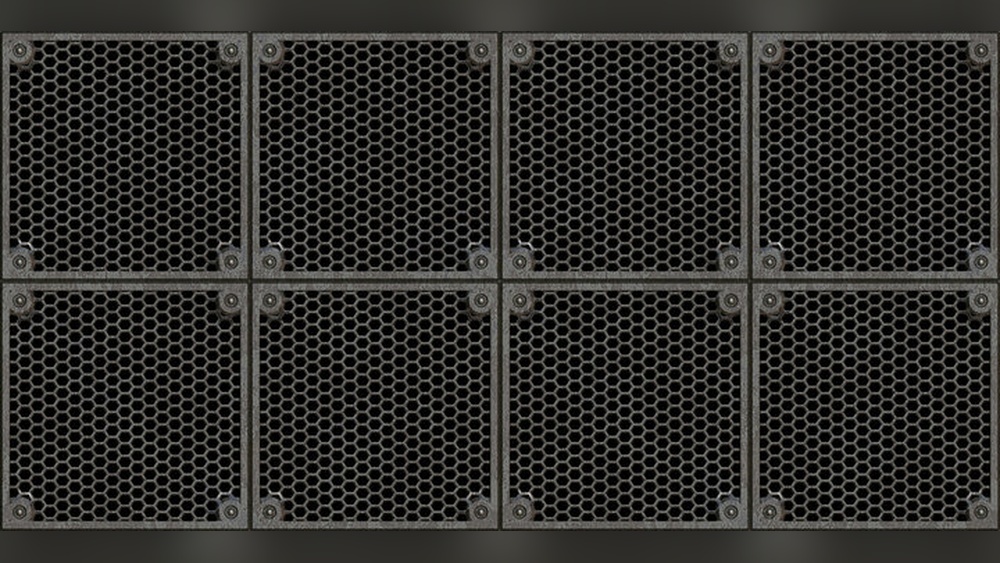
Plate flooring features solid metal sheets with smooth or patterned surfaces. It offers strong support and resists heavy loads well. Grating consists of metal bars arranged in a grid, allowing air and light to pass through. This type improves drainage and reduces slipping risks.
Perforated And Expanded Metal
Perforated metal has many small holes punched through it. This design helps with ventilation and reduces weight. Expanded metal is made by cutting and stretching metal sheets, forming diamond-shaped openings. Both types provide good traction and are often used in industrial settings.
Plank Flooring Options
Metal plank flooring uses long, narrow strips of metal. These planks are easy to install and replace. They come in various textures to increase grip and prevent slips. This flooring type is popular in warehouses and factories due to its strength and versatility.

Credit: www.freepik.com
Popular Metal Textures
Metal flooring offers a variety of textures that enhance both style and functionality. Popular metal textures provide unique looks and improve safety. Each texture suits different settings and design needs. Understanding these textures helps you pick the right metal flooring for your space.
Smooth And Polished
Smooth and polished metal floors have a sleek, shiny surface. This texture reflects light well, brightening up any area. It is easy to clean and maintain, making it ideal for commercial spaces. The polished finish also resists stains and corrosion. It works best in areas with low foot traffic.
Brushed Finish
The brushed finish shows fine lines across the metal surface. These lines give a soft, matte look that reduces glare. Brushed metal flooring hides scratches and fingerprints better than polished metal. It adds a modern, industrial feel to rooms. This texture is common in kitchens and workshops.
Hammered Patterns
Hammered metal floors display small, irregular dents across their surface. This pattern adds depth and visual interest to the floor. Hammered textures improve slip resistance by creating grip points. They suit rustic or vintage design styles well. This flooring type is durable and hides wear effectively.
Slip-resistant Patterns
Slip-resistant patterns enhance safety on metal floors. These textures reduce the risk of slips and falls. They create grip for shoes and boots. Metal flooring with these patterns suits busy industrial and commercial areas. The design not only adds function but also improves the floor’s look.
Tread Plate Designs
Tread plates have raised patterns on the metal surface. These ridges create friction underfoot. They are often made from steel or aluminum. The patterns come in various shapes like lines or circles. Tread plates are strong and durable for heavy use. They offer a reliable slip-resistant solution for floors and stairs.
Checker And Diamond Plate
Checker plates show a series of small raised squares. Diamond plates feature raised diamond-shaped patterns. Both designs provide excellent grip and stability. The raised shapes catch shoe soles and prevent slipping. These plates are common in factories, trucks, and walkways. They are easy to clean and maintain over time.
Anti-slip Surface Benefits
Slip-resistant metal floors protect workers and visitors. They cut down accidents caused by wet or oily surfaces. These patterns improve confidence in walking across slippery areas. The textured surface supports heavy foot traffic without wearing out quickly. Maintenance is simple, saving time and money. Choosing anti-slip floors shows commitment to safety.
Creating Metal Texture
Creating metal texture adds depth and character to metal flooring. It transforms plain surfaces into visually appealing and tactile designs. Various techniques produce unique patterns and finishes on metal sheets. These methods enhance both the look and the safety of metal floors.
Hammering Techniques
Hammering creates texture by striking the metal surface repeatedly. Each hit leaves small dents and marks. These marks catch light and create a rugged look. Hammering also increases the metal’s grip, reducing slips. Artisans control the hammer’s force and angle for different effects. This technique suits small areas and custom designs.
Rolling Mill Texturing
Rolling mills press textured patterns onto metal sheets. The metal passes between two rollers with engraved designs. This method produces consistent and detailed textures quickly. It works well for large metal flooring sections. Rolling mill texturing can mimic natural patterns or geometric shapes. The result is durable and stylish metal flooring.
Fabric Impressions
Fabric impressions transfer fabric patterns onto metal surfaces. The metal is pressed or hammered over a fabric piece. This process leaves the fabric’s weave and texture on the metal. It creates a unique and organic look for metal floors. Fabric impressions are ideal for artistic and custom metal flooring projects. They add softness to the hard metal surface.
Durability Factors
Durability is a key factor for metal flooring texture. It affects how long the floor lasts and how well it handles daily use. Understanding what makes metal floors strong helps in choosing the right type for your needs. Several elements contribute to the overall durability of metal flooring.
Material Composition
The type of metal used impacts the floor’s strength. Steel and aluminum are common choices. Steel offers high strength and toughness. Aluminum is lighter but still durable. Alloy mixes can enhance properties like corrosion resistance. Choosing the right material ensures the floor withstands heavy use.
Surface Treatments
Surface treatments improve the floor’s resistance to damage. Coatings like powder coating or galvanizing protect against rust. Textured finishes add grip and reduce slipping. These treatments also help maintain the floor’s appearance over time. They make metal floors safer and longer-lasting.
Wear And Tear Resistance
Metal floors face constant friction and impact. Resistance to scratches, dents, and abrasion is crucial. Floors with high hardness levels resist wear better. Patterns like tread plates add extra durability. This helps floors keep their texture and function despite heavy traffic.

Credit: www.freepik.com
Styling Metal Floors
Styling metal floors adds a unique charm to any space. Metal flooring offers durability and a sleek, modern look. Its texture can create visual interest and tactile appeal. Designing with metal floors allows for creativity in color, finish, and pattern. Proper styling helps metal floors blend well with various interiors.
Consider how color, texture, and theme work together. These elements define the overall feel of the room. The right choices bring out the best in metal flooring.
Color And Finish Choices
Metal floors come in many colors and finishes. Choose from shiny, matte, brushed, or oxidized surfaces. Each finish gives a different mood to the space. Dark metals add warmth, while silver or chrome feels cool and modern. Colored metal floors can brighten or deepen a room’s tone. Pick a finish that matches your style and lighting.
Combining Textures
Mix metal floors with other textures for balance. Wood, concrete, or stone surfaces complement metal well. Soft rugs or fabric furniture soften the hard look of metal. Contrasting textures create depth and interest. Avoid using too many textures that clash. Use metal’s pattern to guide your choices.
Matching Interior Themes
Metal floors fit many interior styles. Industrial spaces benefit from raw, worn metal textures. Modern rooms suit sleek, polished metal floors. Rustic themes work with hammered or distressed metal. Classic styles pair well with subtle, patterned metal flooring. Match the metal floor style to your room’s mood and purpose.
Installation Tips
Installing metal flooring with texture requires careful attention. Proper steps ensure durability and safety. Follow simple guidelines to achieve a strong, lasting floor.
Surface Preparation
Clean the subfloor thoroughly. Remove dust, dirt, and grease. Check for cracks or uneven spots. Repair any damage before installation. A smooth surface helps metal sheets lie flat. Moisture barriers may be necessary on concrete floors. Proper preparation prevents future problems and improves adhesion.
Proper Fastening Methods
Use screws or nails designed for metal floors. Fasten panels tightly but avoid over-tightening. Leave a small gap for metal expansion. Follow manufacturer instructions for spacing and type of fasteners. Secure edges firmly to prevent lifting. Correct fastening keeps the floor stable and safe.
Maintenance Practices
Keep the floor clean from dirt and debris. Use mild cleaners to avoid damage. Inspect fasteners regularly and tighten if loose. Remove rust spots early with appropriate treatments. Apply protective coatings as recommended. Good maintenance extends the floor’s life and appearance.
Applications Across Industries
Metal flooring texture offers durability and safety across many fields. Its unique patterns provide grip and reduce slipping risks. This makes it popular in tough, busy environments. The versatility of metal flooring suits various needs and styles. Each industry finds specific uses that benefit from its strength and appearance.
Industrial Settings
Metal flooring is common in factories and warehouses. Its rough texture helps prevent slips on oily or wet surfaces. Heavy machinery areas use metal floors to support weight without damage. The flooring also resists wear from constant foot and vehicle traffic. Easy cleaning keeps these spaces safe and efficient.
Commercial Spaces
Retail stores and offices choose metal flooring for style and function. The textured surface adds a modern, industrial look. It handles crowds well and requires little maintenance. Restaurants and cafes use metal floors for hygiene and durability. Its resistance to stains and scratches extends flooring life.
Residential Uses
Homeowners use metal flooring in garages and basements. It offers a strong surface that resists heavy tools and equipment. Some choose metal floors for kitchens or entryways to add a unique design element. The texture helps prevent slips in areas prone to water. Metal flooring combines safety with a trendy, industrial feel.

Credit: www.istockphoto.com
Frequently Asked Questions
What Is The Name Of The Metal Floor Pattern?
The metal floor pattern is called tread plate, also known as checker plate or diamond plate. It features raised lines or diamonds for slip resistance.
How To Make Metal Look Textured?
Use hammers, rolling mills, or press fabric into metal to create unique textured patterns. Sandblasting and etching also add texture.
What Are The Different Types Of Metal Flooring?
Common types of metal flooring include plate, grating, perforated plate, expanded metal, and plank flooring. These offer durability and slip resistance for various industrial uses.
What Is The Metal Texture?
Metal texture refers to the surface feel and appearance of metal. It varies from smooth and polished to rough and patterned, shaped by processing methods like casting, rolling, or hammering. Common textures include brushed, hammered, and polished finishes, enhancing both aesthetics and grip.
Conclusion
Metal flooring texture adds strength and style to any space. It offers slip resistance and durability for safety. Patterns like tread plate improve grip and look appealing. Metal floors suit industrial and modern settings well. Easy to clean and maintain, they last long.
Choosing the right texture helps meet both function and design needs. Explore different metal floor types to find what fits best. Quality metal flooring enhances both comfort and performance indoors.